5 Common Causes of Tube Failure in Heat Exchangers – and How to Prevent Them

DLSS - Pipe&Tube - 5 Common Causes of Tube Failure in Heat Exchangers – and How to Prevent Them

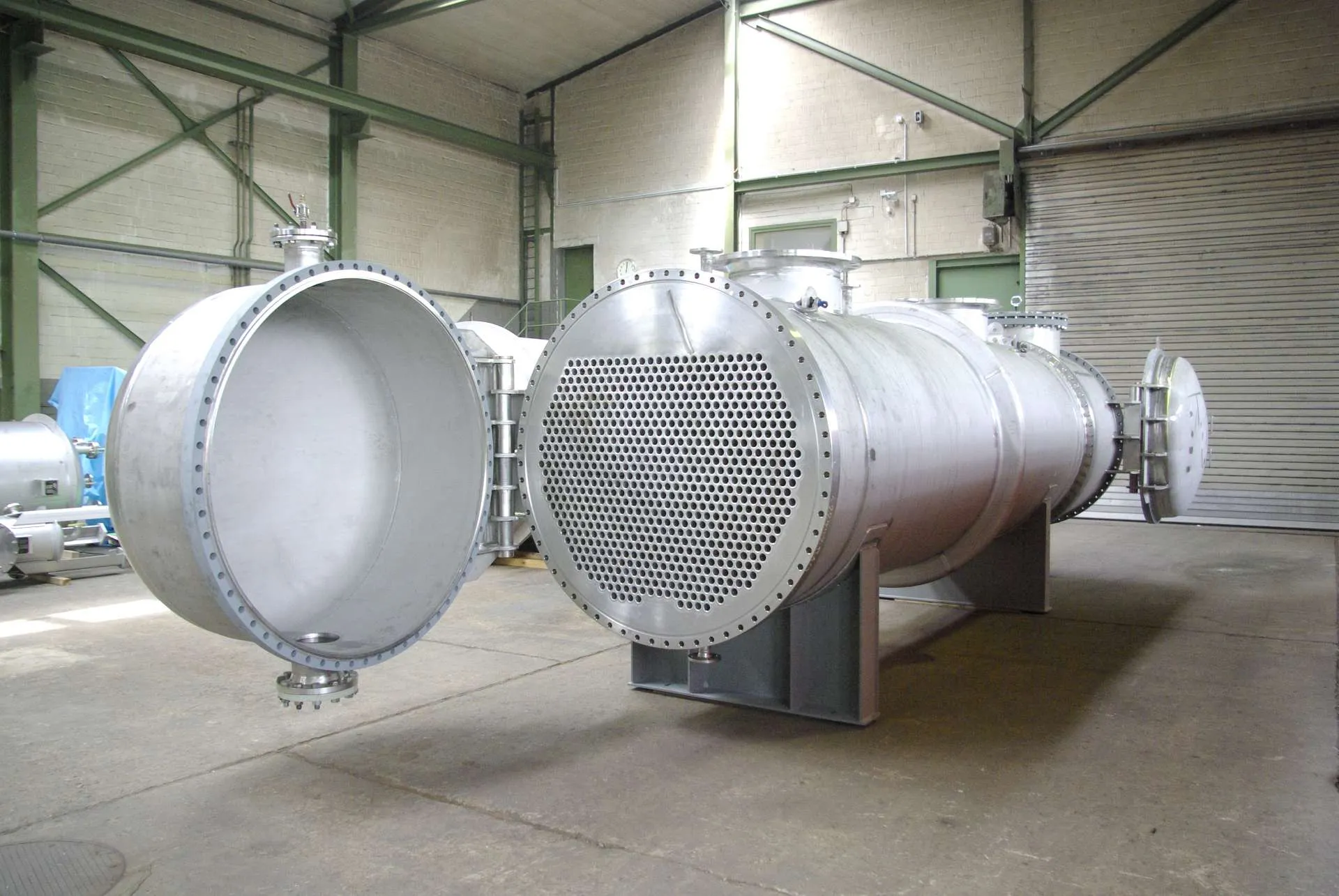
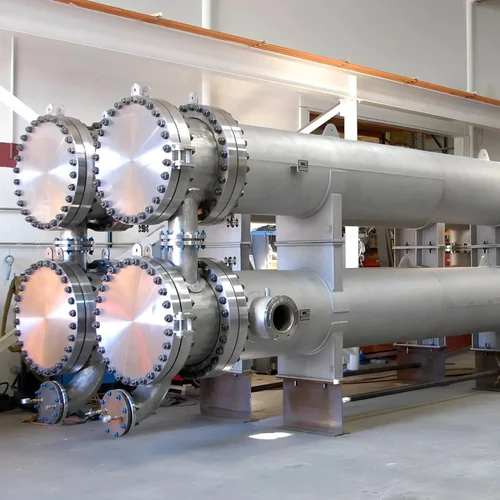
Heat exchanger tube failure can lead to system shutdowns, costly repairs, and even safety risks. Understanding the causes can help prevent future problems. In this article, we’ll cover the 5 most common reasons tubes fail—and how choosing the right materials and surface treatment can make all the difference.

1. Pitting and Crevice Corrosion

Often caused by:

  • Chlorides in water
  • Inadequate surface cleaning
  • Aggressive media accumulation in corners

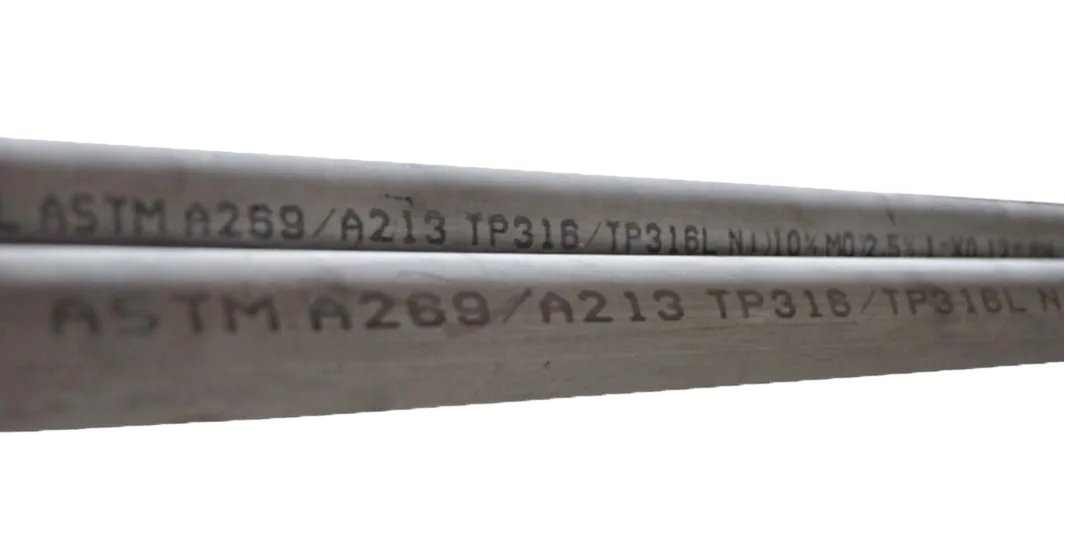
 Prevention: Use TP316L/317L stainless steel and pickled, smooth-surface tubes.
2. Thermal Fatigue and Stress Cracking

Due to:

  • Rapid temperature fluctuations
  • Poor expansion joint design
  • Incompatible materials

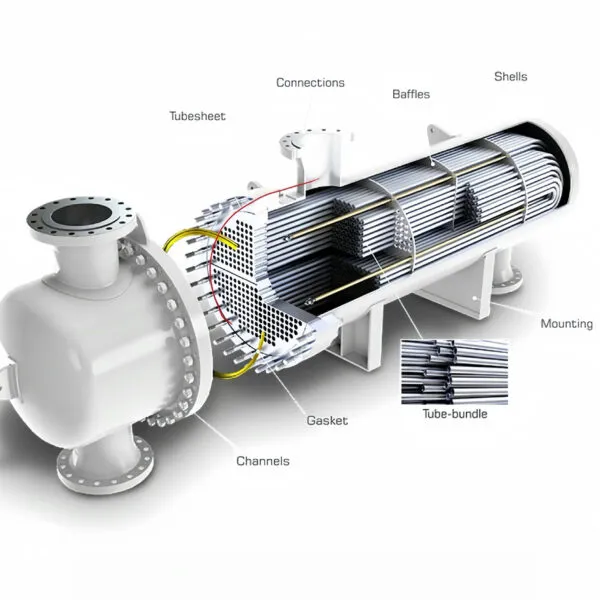
 Prevention: Use low thermal expansion alloys and seamless tubes with high fatigue resistance.
3. Erosion from Turbulent Flow

Caused by:

  • High flow velocities
  • Solid particles in the media
  • Poorly designed tube layout

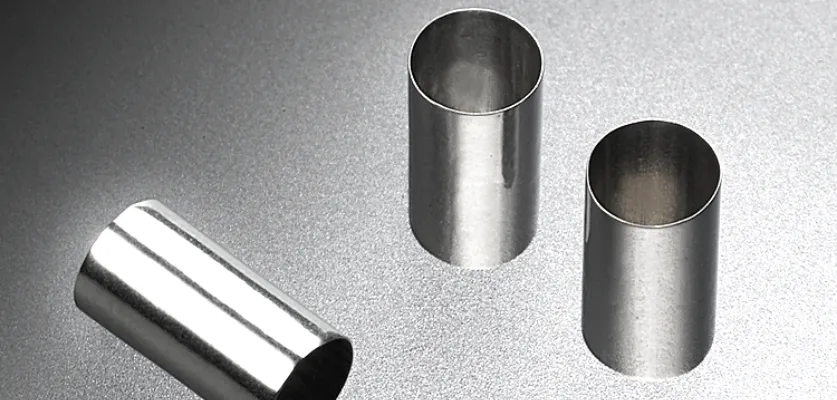
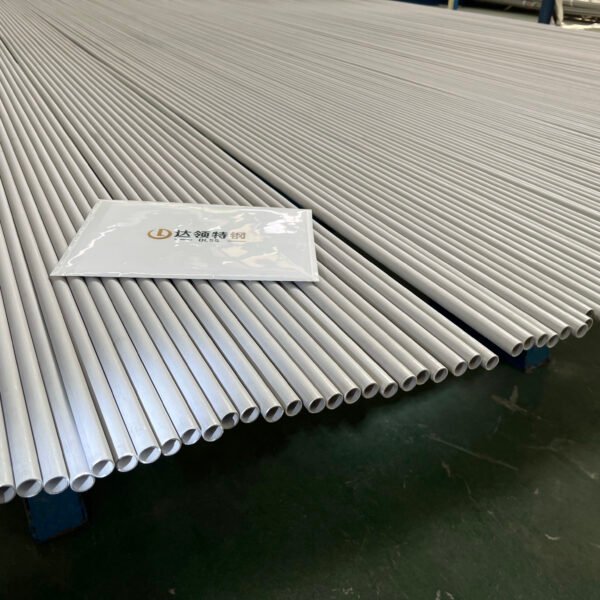
 Prevention: Choose harder, thicker-walled stainless tubes with clean surface finishes.
4. Improper Material Selection

Wrong material = faster failure. For example:

  • Copper in seawater
  • Carbon steel in acidic media

 Prevention: Always consult application conditions and choose corrosion-matched alloys.
5. Surface Contamination and Residues

Welding oxides or oil residues can trigger localized corrosion.

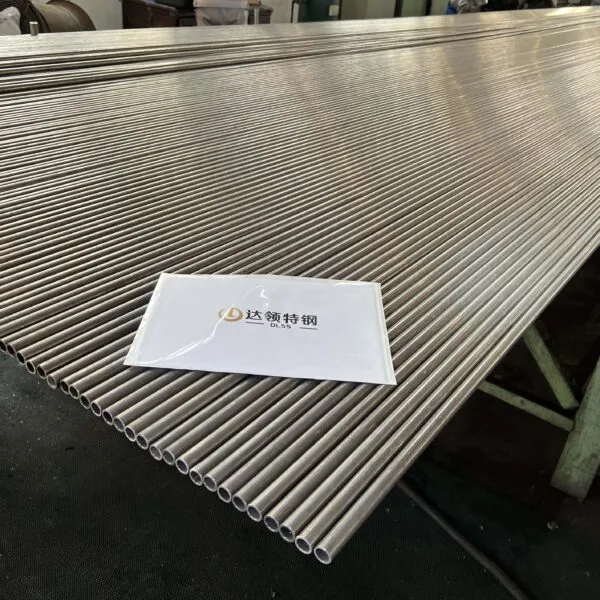
 Prevention: Use pickled and passivated stainless steel tubes, like those from DLSS.
Final Thoughts

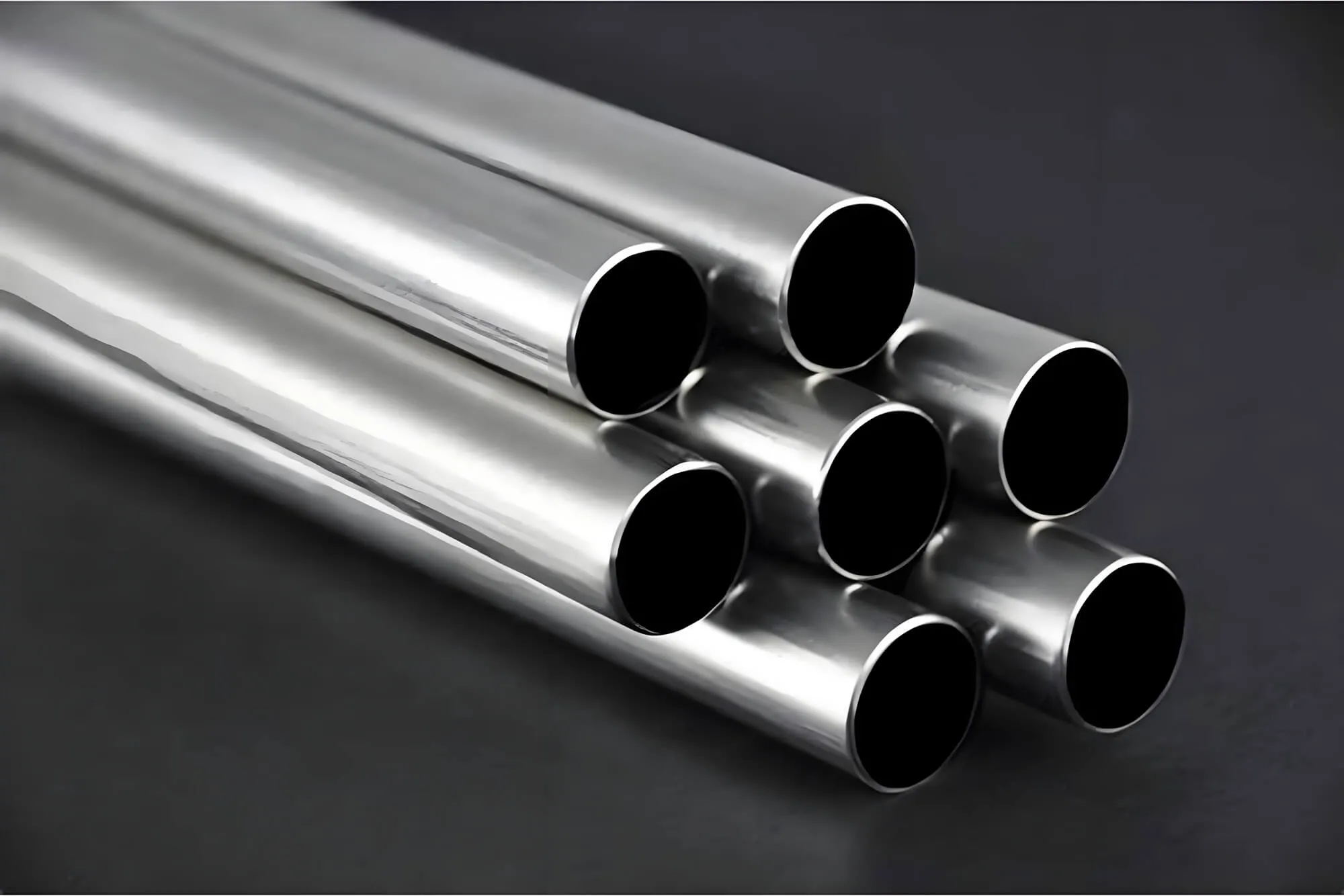
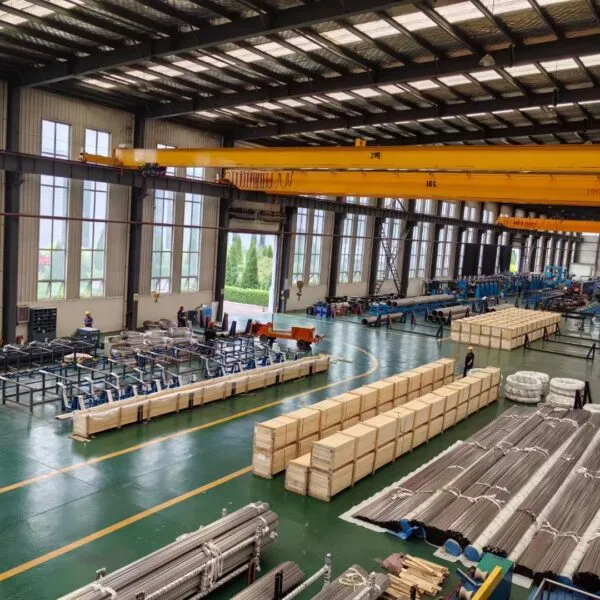
Many heat exchanger tube failures are preventable with smart design and material choices. At DLSS, we provide high-precision seamless stainless tubes that are pickled, inspected, and ready to perform.

 Contact us today to learn how DLSS can help you reduce failure risks and boost system reliability.

Wonderful! Share This Case:

Austenitic Stainless Steel

Duplex Stainless Steel

Nickel Alloys

▪ Incoloy Family

▪ Inconel Family

▪ Monel Family

▪ Hastelloy Family

▪ Other Special Alloys

Cobalt Alloys

Related Posts

Finned Tube Heat Transfer Coefficient: Key Factors and Optimization Strategies

Finned Tube Heat Transfer Coefficient:

The heat transfer coefficient is one of the most important performance indicators of a finned tube. It determines how efficiently heat can be transferred between the tube-side and the air-side or shell-side medium. By understanding and optimizing the key factors that influence this coefficient, engineers can significantly improve overall heat exchanger efficiency. For an overview […]

Read More
Effective Cleaning Methods for Heat Exchangers: Techniques, Intervals, and Best Practices

Effective Cleaning Methods for Heat

Over time, all heat exchangers are affected by fouling, which leads to reduced heat transfer efficiency, increased pressure drop, and higher energy costs. Selecting the proper cleaning method is critical to maintaining system performance, extending service life, and ensuring process safety. This article explores the most widely used heat exchanger cleaning techniques, their advantages and […]

Read More
Corrosion Protection in Underground Piping Systems: What You Need to Know

Corrosion Protection in Underground Piping

Meta Description:Underground pipelines are out of sight—but never out of risk. Learn how coatings, cathodic protection, and smart material choices prevent corrosion and extend service life. Introduction Underground pipes may be hidden, but the damage they suffer is very real. Whether transporting water, gas, or chemicals, buried pipelines face harsh, invisible threats—especially corrosion from soil […]

Read More
global-heat-exchanger-market-trends-2025

Global Heat Exchanger Market Trends

As the world transitions toward cleaner energy and more efficient industrial processes, heat exchangers are becoming more critical than ever. Whether in hydrogen plants, data centers, electric vehicle battery cooling, or traditional oil refineries—thermal management systems are evolving rapidly. This change is driving demand for more durable, efficient, and customizable heat exchanger tubes, particularly in […]

Read More
How to Pass 3.2 Certification for Heat Exchanger Tubing Projects

How to Pass 3.2 Certification

Meta Description:EN 10204 3.2 certification is often mandatory for high-spec tubing projects. Learn what it means, how to prepare, and how to ensure your stainless steel heat exchanger tubes pass 3.2 inspection. Introduction For heat exchanger projects in industries like oil & gas, power generation, and refineries, third-party certification is often non-negotiable. One of the […]

Read More
How to Accurately Measure Pipe Wall Thickness Using a Micrometer

How to Accurately Measure Pipe

In the manufacturing and inspection of metal pipes—whether stainless steel, carbon steel, or alloy—the wall thickness is a key dimensional parameter. Precise wall thickness affects mechanical strength, pressure resistance, and long-term reliability, especially in critical applications such as heat exchangers, boilers, and petrochemical piping systems. One of the most accurate methods for determining wall thickness […]

Read More
Top 10 Applications of Stainless Steel Tubes in the Oil & Gas Industry

Top 10 Applications of Stainless

Meta Description:Explore the top 10 critical applications of stainless steel tubes in the oil & gas industry. Learn how DLSS tubes perform under high pressure, corrosion, and extreme conditions. Introduction The oil and gas industry operates under extreme conditions—high pressure, corrosive environments, and fluctuating temperatures. To ensure safety and durability, stainless steel tubes are essential […]

Read More
Top 10 Materials Used in Industrial Pipeline Engineering

Top 10 Materials Used in

Meta Description:Explore the 10 most common materials used in pipeline engineering, from stainless steel and carbon steel to exotic alloys. Understand their pros, cons, and applications across industries. Introduction Choosing the right material is one of the most critical decisions in pipeline engineering. The material affects not only the strength, corrosion resistance, and temperature tolerance […]

Read More

Request A Quote

*We respect your confidentiality and all information are protected.