3.2 Certificate, TPI inspection and delivery process description

DLSS - Pipe&Tube - 3.2 Certificate, TPI inspection and delivery process description

Product Information

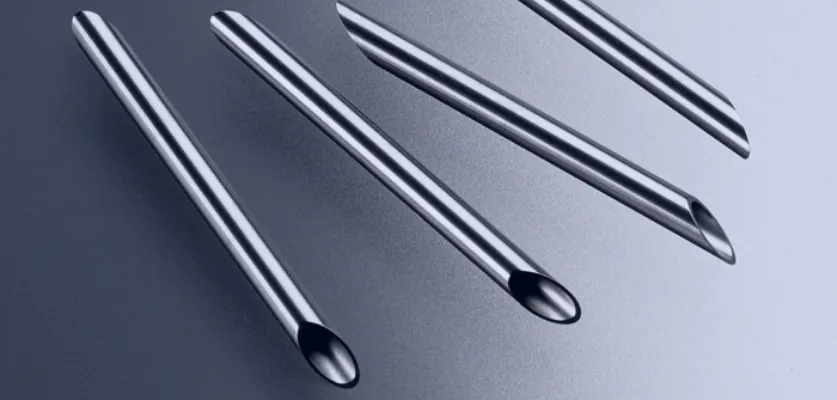
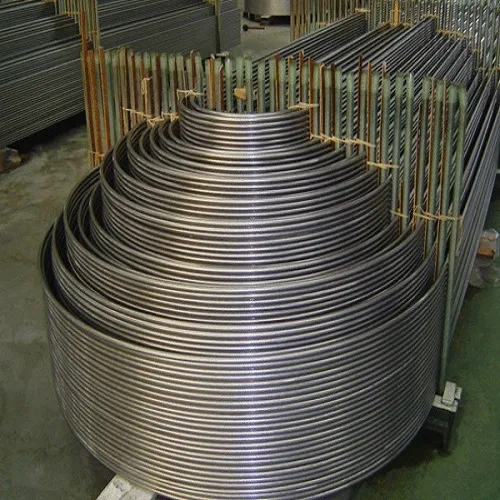
ASME SA179 Seamless U-tubes ∅19.05 × 2.11min × L12210.9~13617.8mm, Total: 1,352 pcs
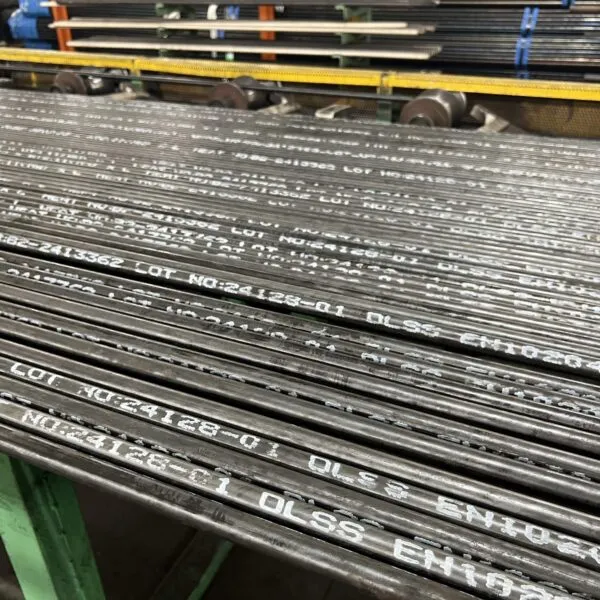
Project Background

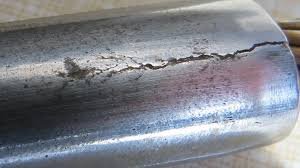
The end user is a large energy and chemical company. Due to severe quality issues with previously sourced ASME SA179 tubes from India—leading to equipment shutdown and project suspension—the customer urgently needed to procure new tubes for heat exchanger remanufacturing and project restart.

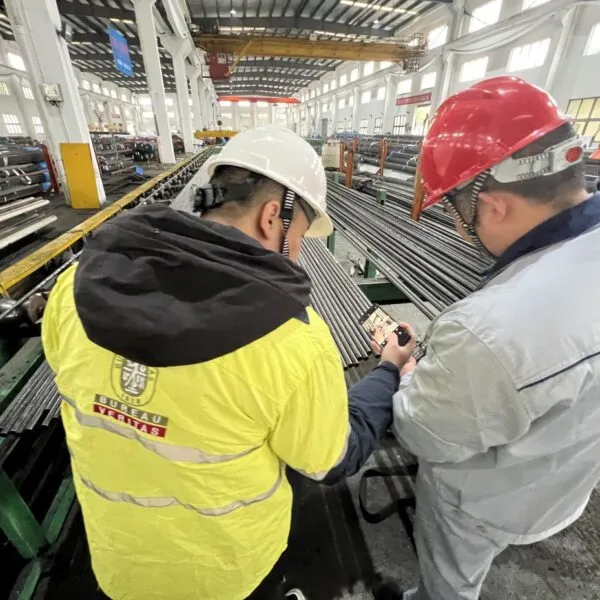
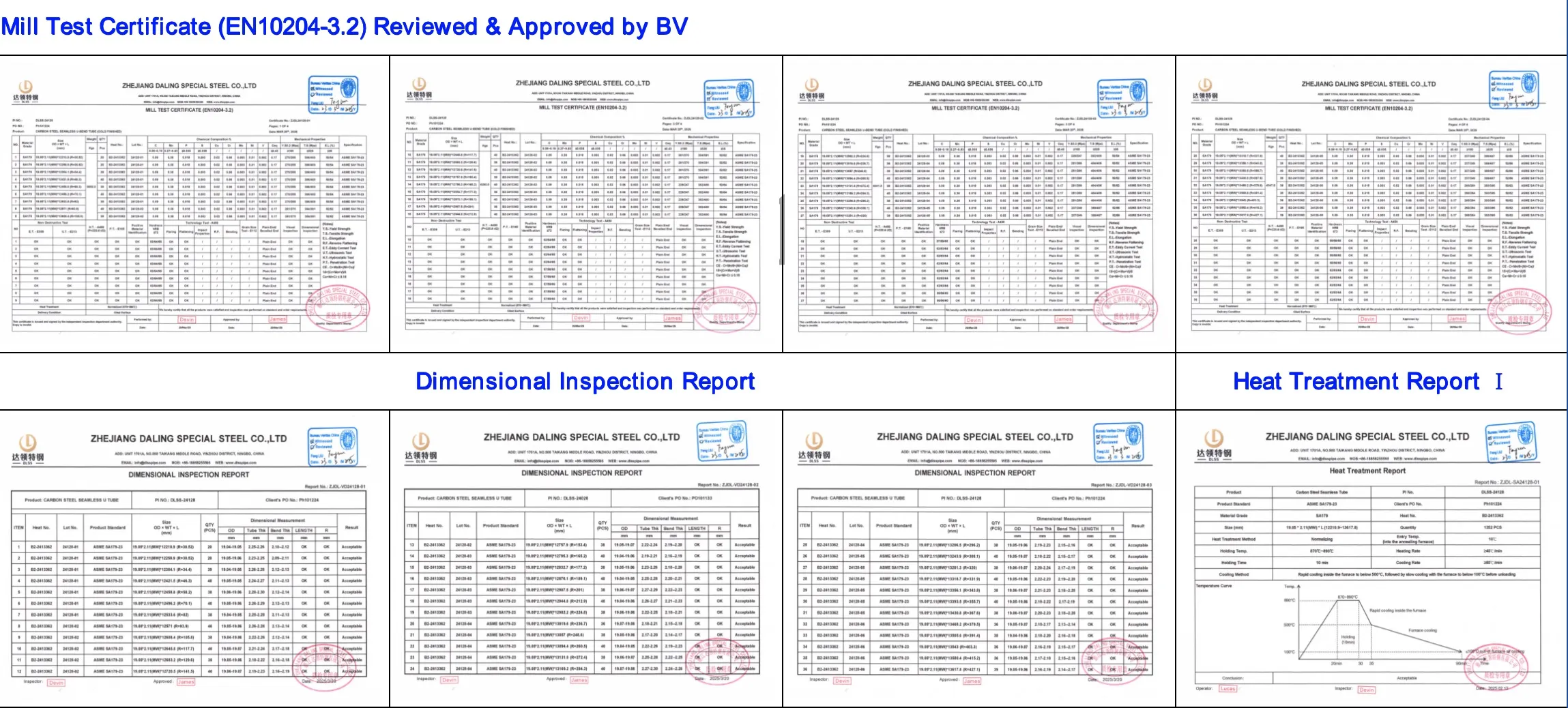
As the core components of the heat exchanger, the quality of the tubes is critically important. The customer places great emphasis on this project. To ensure 100% compliance with standards and full inspection conformity, this order follows the EN10204-3.2 certification standard, with all inspection items witnessed on-site by the authoritative third-party agency Bureau Veritas (BV).

Below are the key inspection highlights and process optimizations. The entire process is traceable and fully transparent.
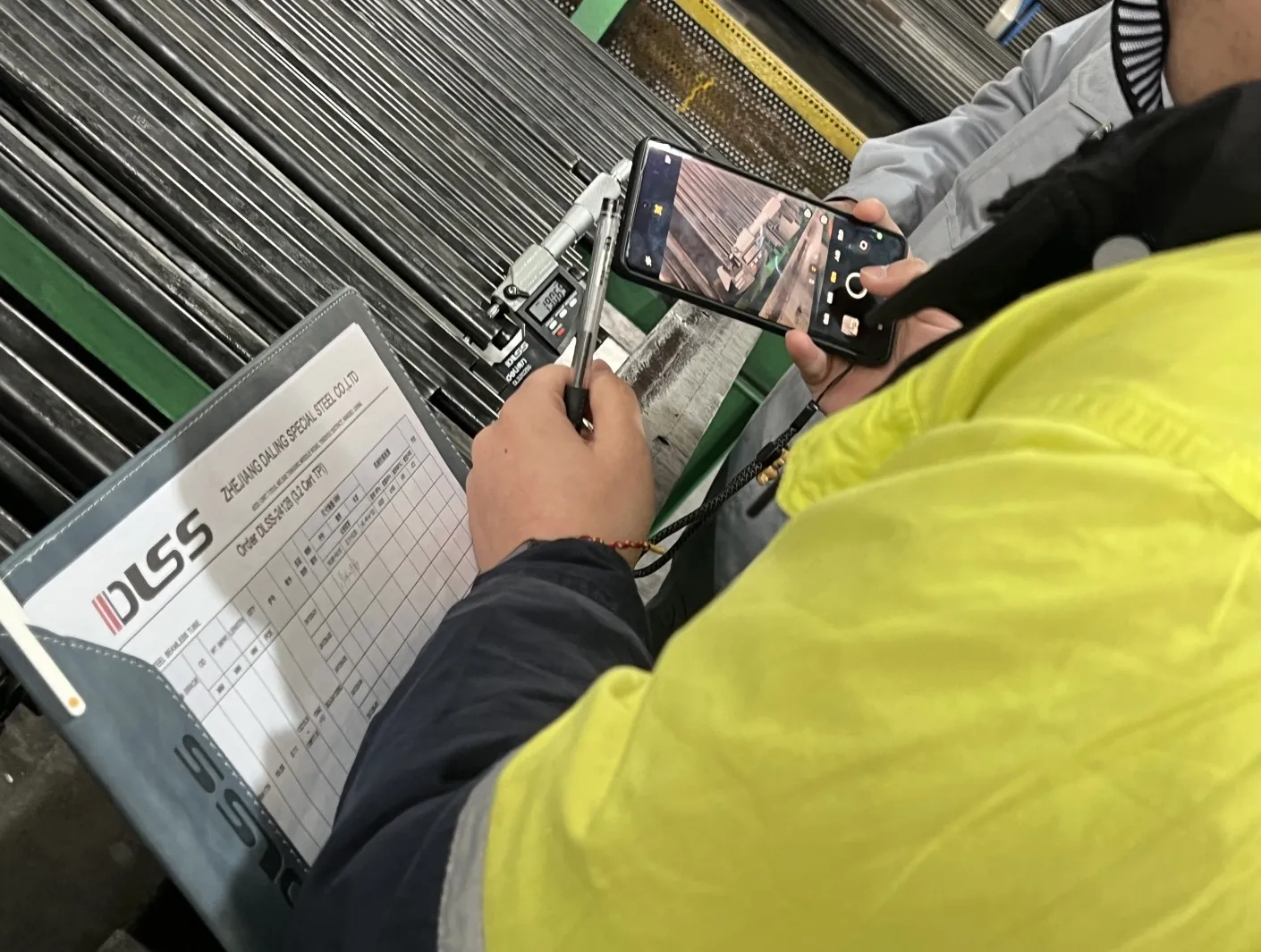
Inspection Highlights & Technical Enhancements

1) Sufficient Stock Prepared to Ensure Safe Project Delivery

To account for sampling inspections and potential losses during on-site installation, we produced an additional quantity of tubes as buffer for third-party sampling and customer backup. In the final delivery, we provided 10 extra tubes FREE OF CHARGE as SUPPORT to help ensure smooth project progress.
2) Upgraded Heat Treatment Process to Enhance Product Performance

To meet the customer’s higher performance demands in actual application, the standard annealing process (Annealing at 650°C) was upgraded to normalizing treatment (Normalizing at 870°C ~ 920°C). This significantly improved the uniformity of the tube structure and mechanical properties, ensuring reliable operation under the high-temperature, high-pressure conditions of heat exchangers.
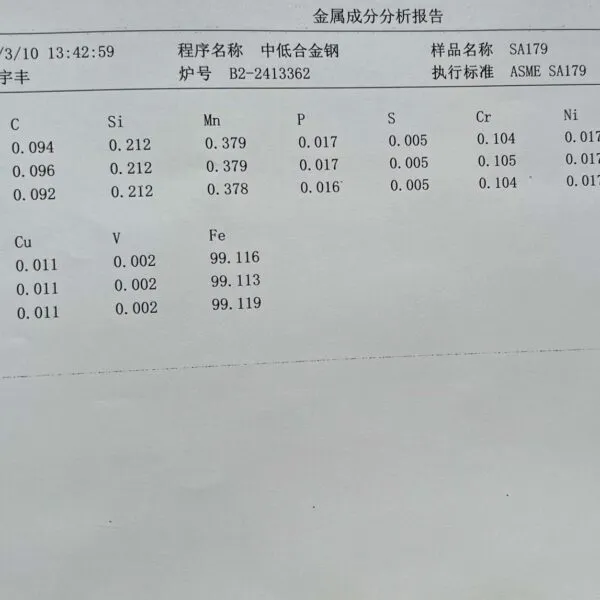
3) Stricter Chemical Composition Control – Beyond Standard Requirements

In addition to fulfilling ASME SA179 standard requirements for C, Mn, P, S, etc., the customer imposed additional limits: Cu+Ni+Cr ≤ 0.15 and CE ≤ 0.43. These special requirements were communicated to BV in advance. All samples were witnessed, collected, and tested on-site by BV. All test results fully met the customer’s stringent requirements, reinforcing their confidence in our quality control capabilities.
4) Comprehensive U-Bend Tube Quality Verification – Highly Recognized by Customer

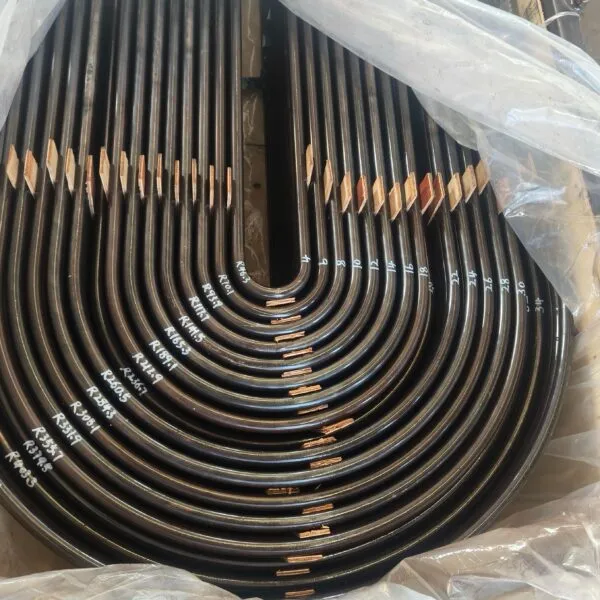
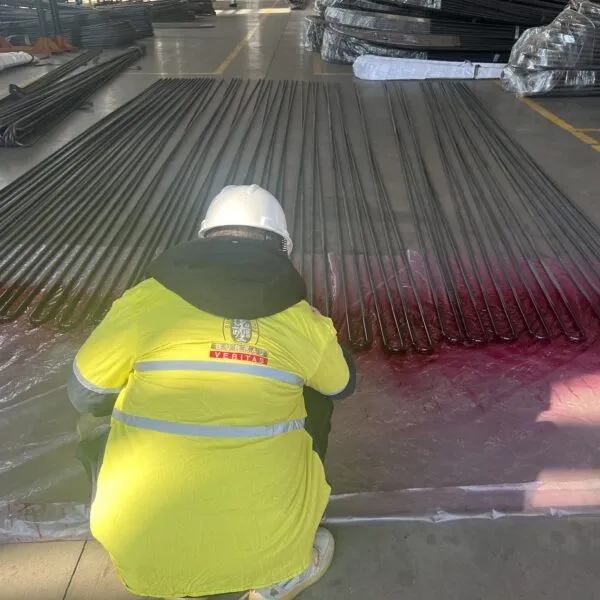
The smaller the U-bend radius, the greater the manufacturing difficulty and risk of wall thinning or structural damage. This order includes U-bends with a minimum radius of R = 30.52 mm. To ensure quality, we implemented the following special inspections:

100% Dye Penetrant Testing (DPT) – witnessed by BV on-site for all tubes
Destructive Testing – cutting through the midpoint of the smallest U-bend to assess wall thinning
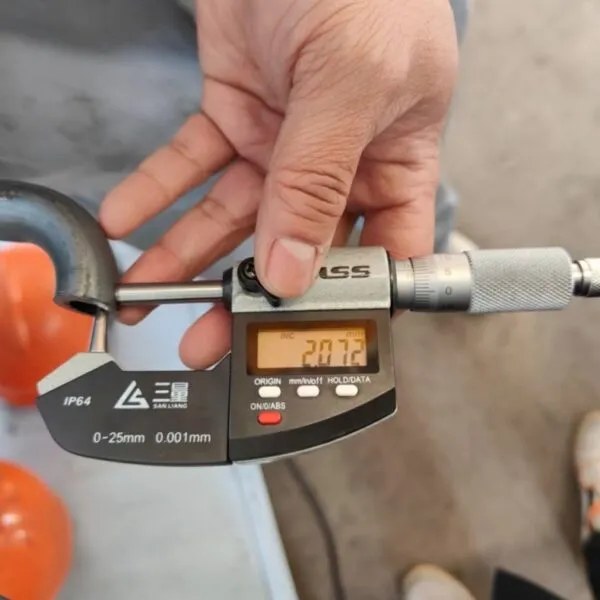
Test Results – The maximum wall thinning rate was well below the customer’s allowable limit of 17%, earning high customer satisfaction
Conclusion

Through the rigorous quality control and inspection measures above, we ensured the full compliance, traceability, and superior quality of this batch of ASME SA179 Seamless U-tubes. This demonstrates DLSS’s technical expertise and delivery capabilities as a professional manufacturer supporting high-end projects.

Why Choose DLSS as Your Stainless Steel Tube Partner?

With over 30 years of experience and exports to 40+ countries, DLSS offers:

  • Customized tube solutions for heat exchangers and condensers
  • Full compliance with ASTM/ASME standards
  • Third-party inspections and full quality reports
  • Precision production, fast delivery

 Contact us today to get a free consultation or quote: info@dlsspipe.com
Wonderful! Share This Case:

Austenitic Stainless Steel

Duplex Stainless Steel

Nickel Alloys

▪ Incoloy Family

▪ Inconel Family

▪ Monel Family

▪ Hastelloy Family

▪ Other Special Alloys

Cobalt Alloys

Related Posts

Understanding Duplex and Super Duplex Stainless Steel Tubes – Grades, Benefits, Applications

Understanding Duplex and Super Duplex

Meta Description:Explore the differences between duplex and super duplex stainless steel tubes. Learn about their chemical composition, corrosion resistance, mechanical strength, and best-use applications in harsh environments. Introduction When stainless steel isn’t enough for aggressive environments—duplex and super duplex stainless steels step in. These high-performance materials combine the advantages of both austenitic and ferritic structures, […]

Read More
Electropolished Tubing: When and Why to Use It

Electropolished Tubing: When and Why

Meta Description:Electropolished (EP) tubing offers ultra-clean surfaces for critical applications. Learn what it is, why it matters, and where EP tubes are essential—from pharma to semiconductors. Introduction In industries where surface purity, cleanliness, and corrosion resistance are paramount, electropolished (EP) tubing is no longer optional—it’s a necessity. Whether you’re building pharmaceutical cleanrooms, semiconductor cooling loops, […]

Read More
Aleaciones Especiales para Tuberías en Plataformas Offshore en Brasil

Aleaciones Especiales para Tuberías en

Meta descripción:Las plataformas marinas brasileñas enfrentan desafíos extremos: alta salinidad, presión y exposición constante a H₂S. Conozca qué aleaciones inoxidables ofrecen mayor seguridad y vida útil en ambientes offshore. Introducción Brasil es líder en producción de petróleo en aguas profundas gracias a regiones como Campos, Santos y Pre-Sal. Estas plataformas offshore requieren sistemas de tuberías […]

Read More
Material Selection for Seawater-Cooled Heat Exchangers: What Engineers Must Consider

Material Selection for Seawater-Cooled Heat

Seawater is one of the most aggressive environments for heat exchanger systems. High levels of chlorides, biofouling, and oxygenated saline water create ideal conditions for pitting, crevice corrosion, and stress corrosion cracking (SCC). Choosing the wrong material for tubes in seawater-cooled heat exchangers can lead to early failure, frequent maintenance, and high replacement costs. In […]

Read More
Pickling vs Bright Annealing: Which Surface Treatment Is Best for Stainless Steel Tubes?

Top 5 Stainless Steel Tube

Meta Description:Discover the five most common causes of stainless steel tube failures. Learn how to detect, prevent, and solve issues in high-performance piping systems across industries. Introduction Stainless steel tubes are widely used in high-demand applications due to their corrosion resistance, strength, and cleanliness. However, tube failure—when it occurs—can lead to production shutdowns, safety hazards, […]

Read More
Finned Tube Cleaning and Maintenance Best Practices – Keep Your Heat Exchanger at Peak Performance

Finned Tube Cleaning and Maintenance

Finned tube cleaning and maintenance are critical to ensuring optimal heat transfer performance and extending the service life of heat exchangers. Without proper care, fouling, corrosion, and fin damage can reduce efficiency and increase operating costs. For background on preventing fouling, read our article How to Prevent Corrosion and Fouling in Finned Tubes. If you […]

Read More
hygienic-food-pharma-heat-exchanger-stainless-steel

Hygienic Stainless Steel Heat Exchanger

In the food and pharmaceutical industries, cleanliness is not optional—it’s mandatory. Heat exchangers in these sectors are integral to pasteurization, sterilization, CIP (clean-in-place) loops, and product temperature control. That’s why the choice of tubing is critical. Sanitary-grade stainless steel tubes ensure both product safety and regulatory compliance, while also withstanding the harsh cleaning agents and […]

Read More
Europe’s Stainless Steel Tube Market: Compliance-Driven Demand and Strategic Opportunities

Europe’s Stainless Steel Tube Market:

Europe is one of the most regulated and compliance-focused markets in the world for stainless steel seamless tubes—especially for heat exchangers, pharma-grade piping, and energy infrastructure. With stringent requirements for traceability, environmental certification, and dual material standards, suppliers must demonstrate not only high product quality but also full alignment with EU directives. In this blog, […]

Read More

Request A Quote

*We respect your confidentiality and all information are protected.