5 Key Factors to Choose the Right Stainless Steel Heat Exchanger Tube

DLSS - Pipe&Tube - 5 Key Factors to Choose the Right Stainless Steel Heat Exchanger Tube

Introduction

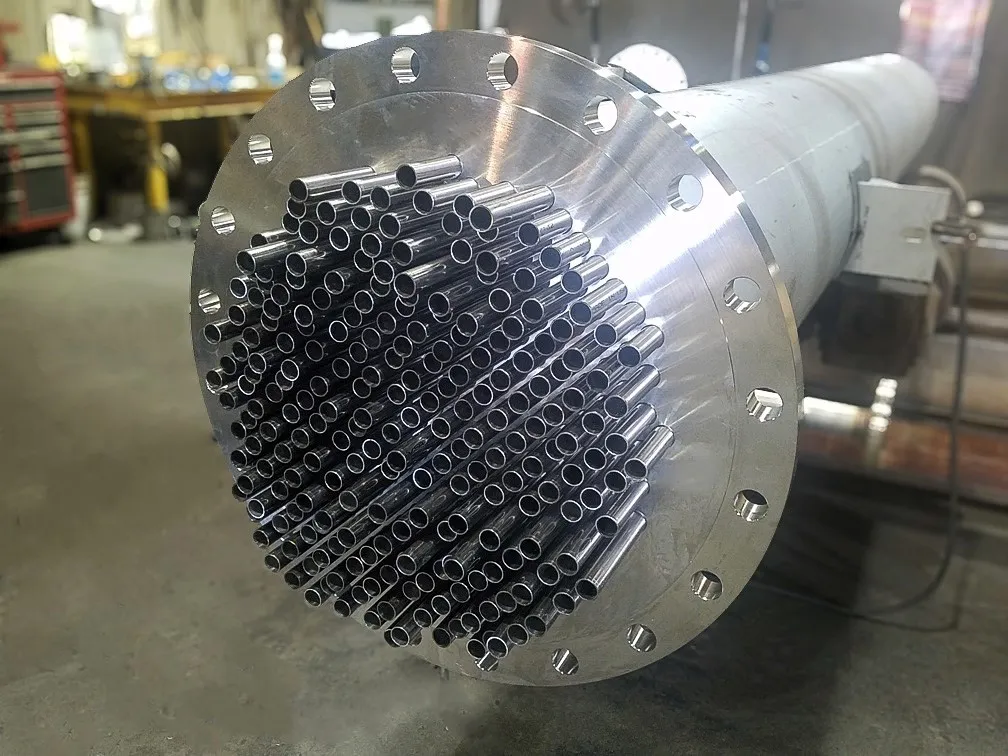
Choosing the right stainless steel heat exchanger tube is critical to ensuring long-term performance, safety, and efficiency—especially in industries like petrochemical, power generation, and marine engineering. At DLSS, we’ve supported projects in over 35 countries and understand what matters most when it comes to tube selection.

In this article, we’ll share 5 key factors every engineer, purchaser, or designer should consider when selecting a stainless steel heat exchanger tube.
1. Tube Material Grade

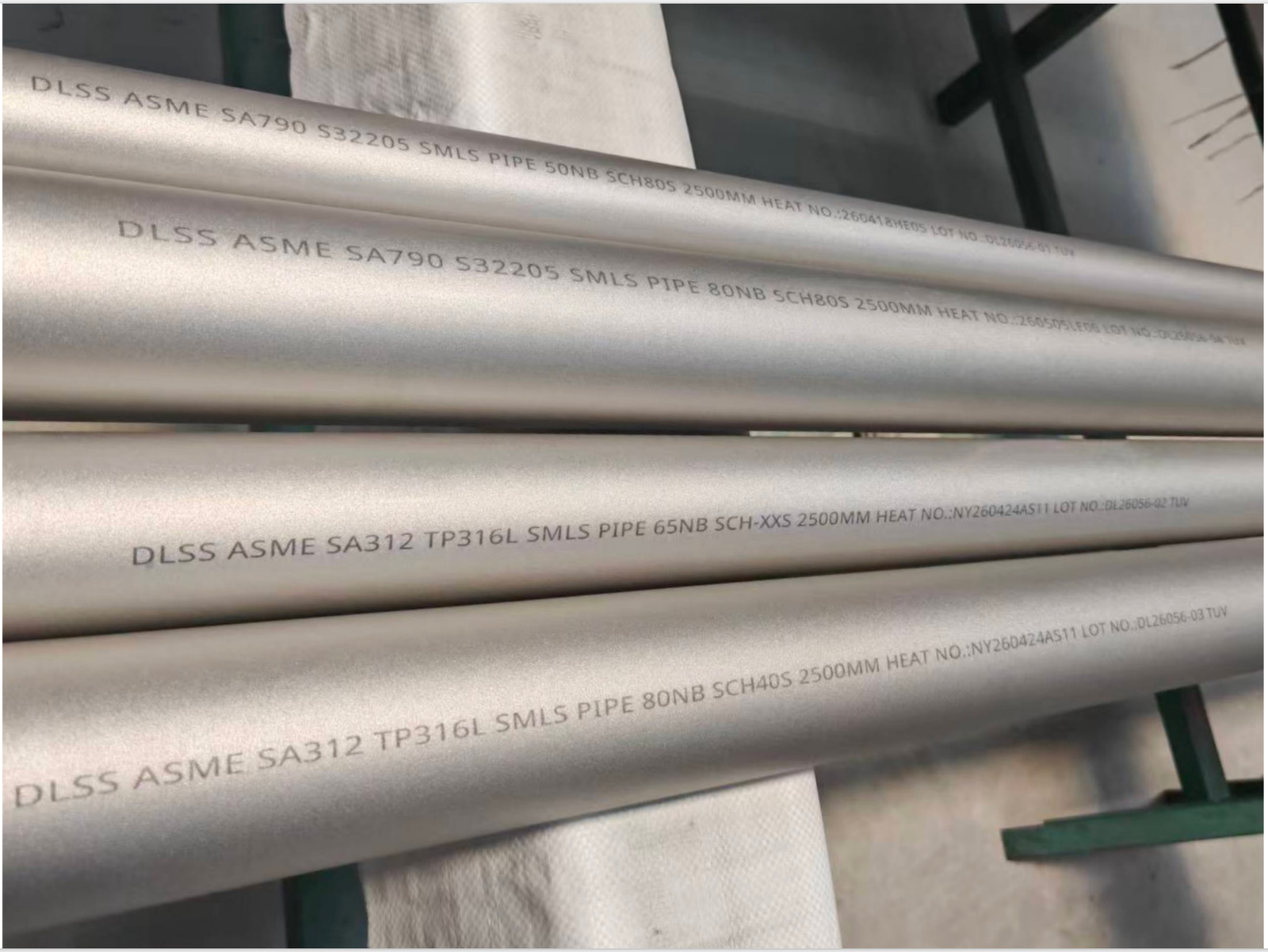
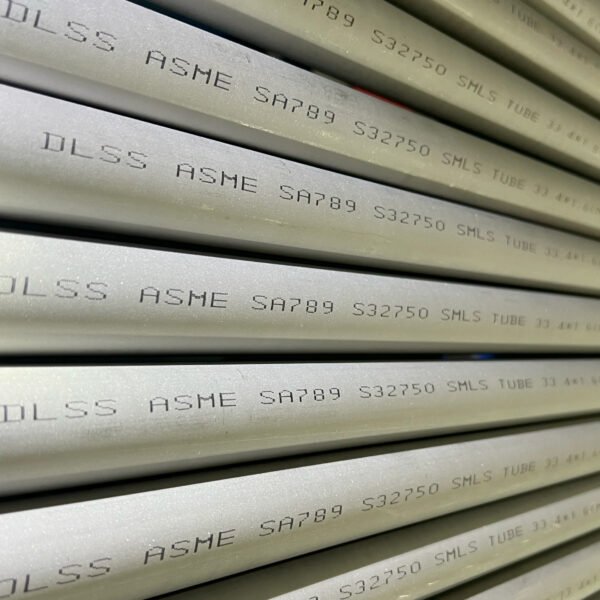
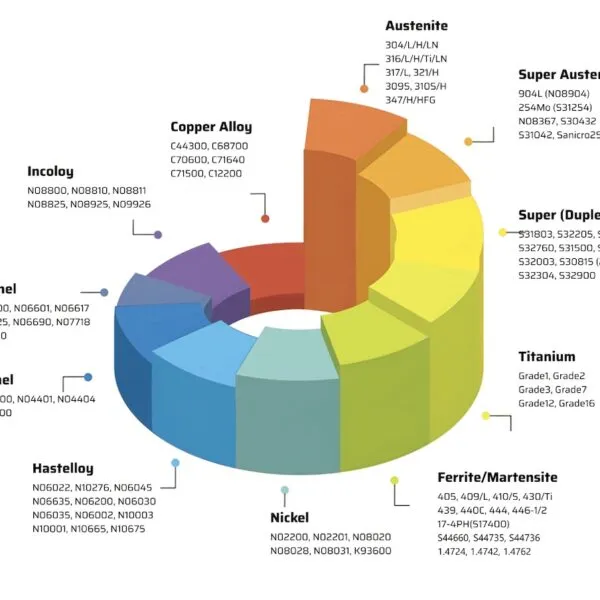
The most common grades include TP304TP316LTP321, and Duplex Stainless Steel (like S32205).

  • TP304 is economical but limited in chloride environments.
  • TP316L offers enhanced corrosion resistance and is ideal for marine or chemical exposure.
  • TP321 provides better high-temperature performance due to titanium stabilization.
  • Duplex stainless steels combine high strength with excellent stress corrosion resistance.

Tip: Always match the grade to the working medium (e.g. seawater, steam, oil).
2. Corrosion Resistance Requirements

Different applications require varying levels of resistance to:

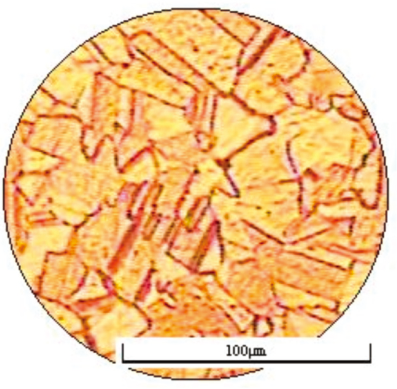
  • Pitting and crevice corrosion (especially in chloride-containing environments)
  • Intergranular corrosion (especially after welding)
  • Stress corrosion cracking (SCC)

For high-risk applications, Molybdenum-containing grades like TP316L or Duplex are strongly recommended.
3. Operating Pressure and Temperature

Each material grade and wall thickness has a pressure-temperature rating.

  • Thicker walls or higher alloy content are needed for high-pressure boilers or reactors.
  • If the operating temperature exceeds 600°C, grades like TP321 or even nickel alloys should be considered.

Standards to Refer: ASTM A213, ASME SA213
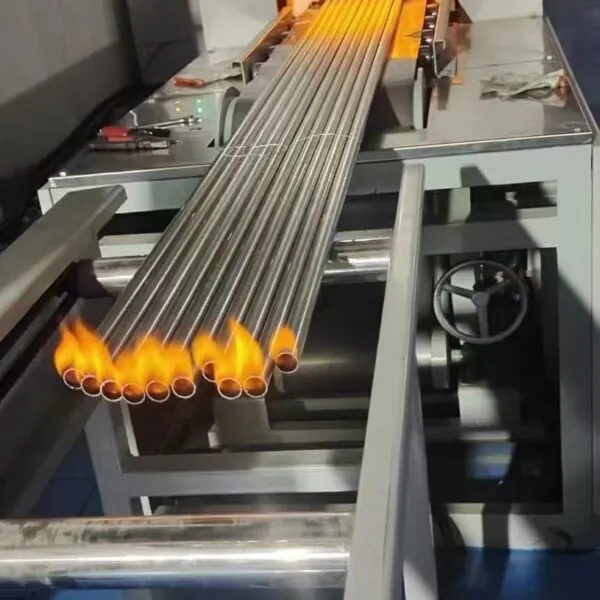
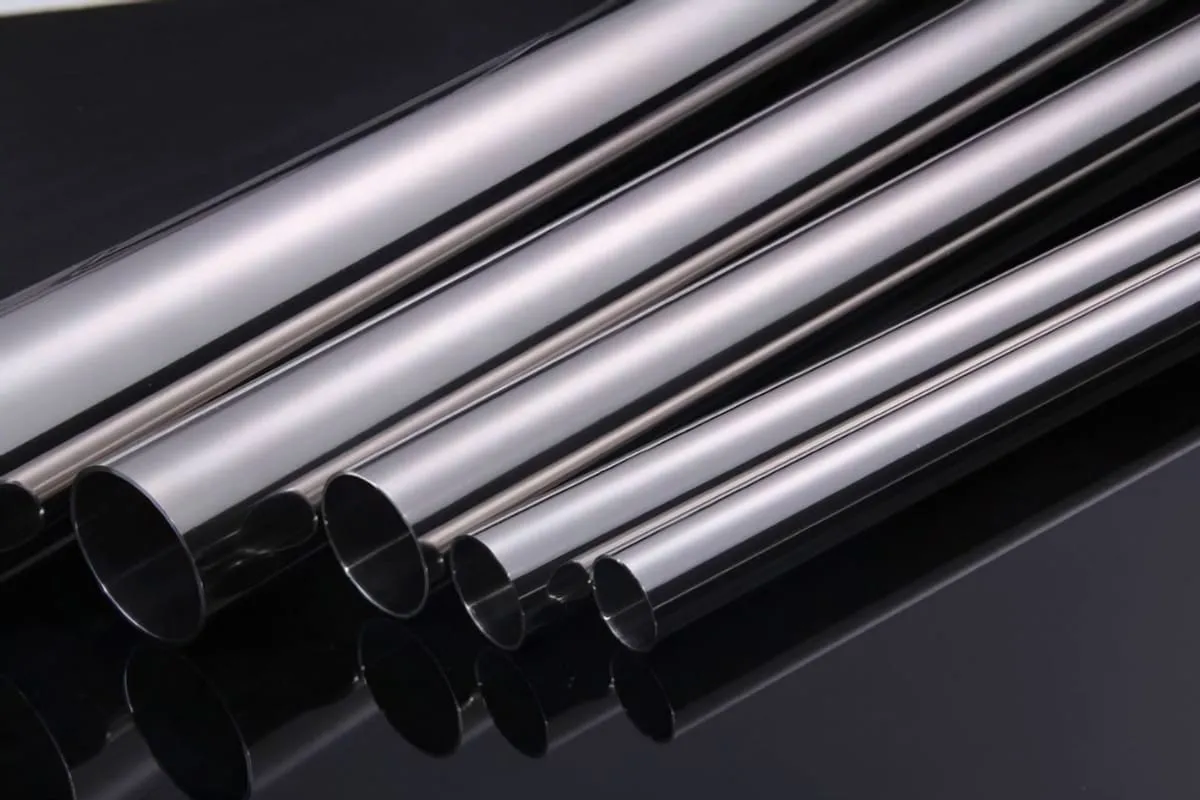
Stainless steel seamless bright tube

4. Surface Finish & Cleanliness

Surface condition affects heat transfer efficiency and hygiene.
Common options include:

  • Pickled (clean, matte surface, corrosion-resistant)
  • Bright Annealed (BA) (mirror-like, ultra-smooth surface for high-purity applications)

DLSS Advantage: We offer precision-pickled and bright annealed finishes for sanitary and high-efficiency usage.
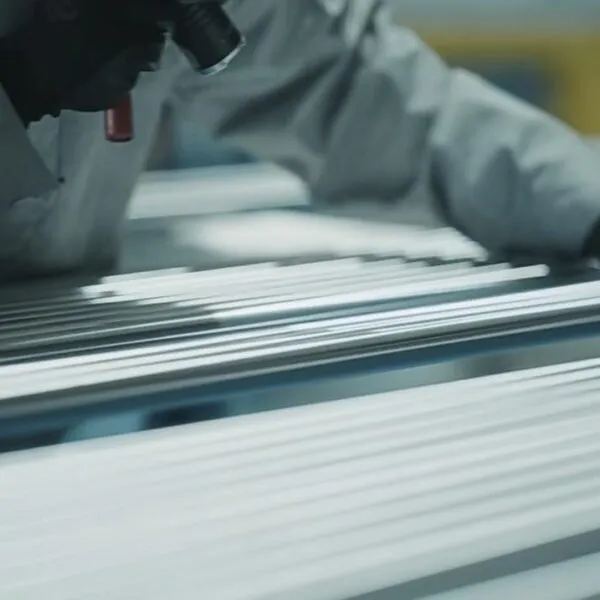
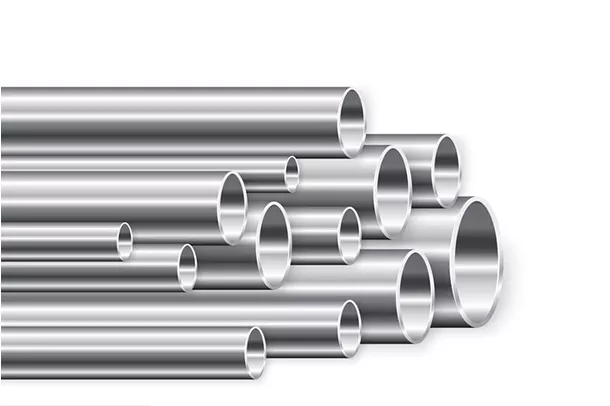
Stainless steel seamless bright tube

5. Certification & Quality Assurance

International buyers should ensure compliance with:

  • ASTM / ASME standards
  • Hydrostatic & NDT tests (e.g. eddy current, ultrasonic)
  • PMI (Positive Material Identification)
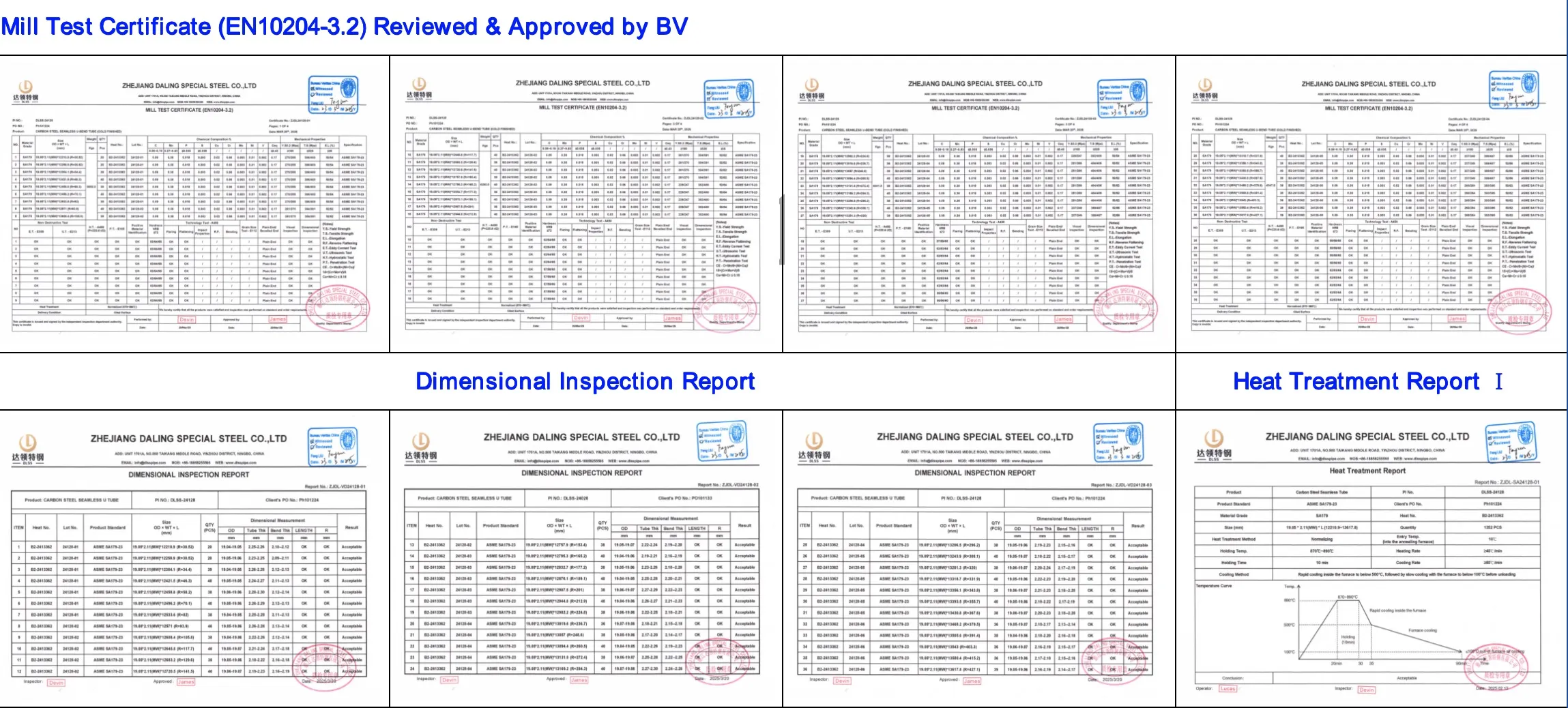
  • Third-party inspection reports (SGS, TUV, BV, etc.)

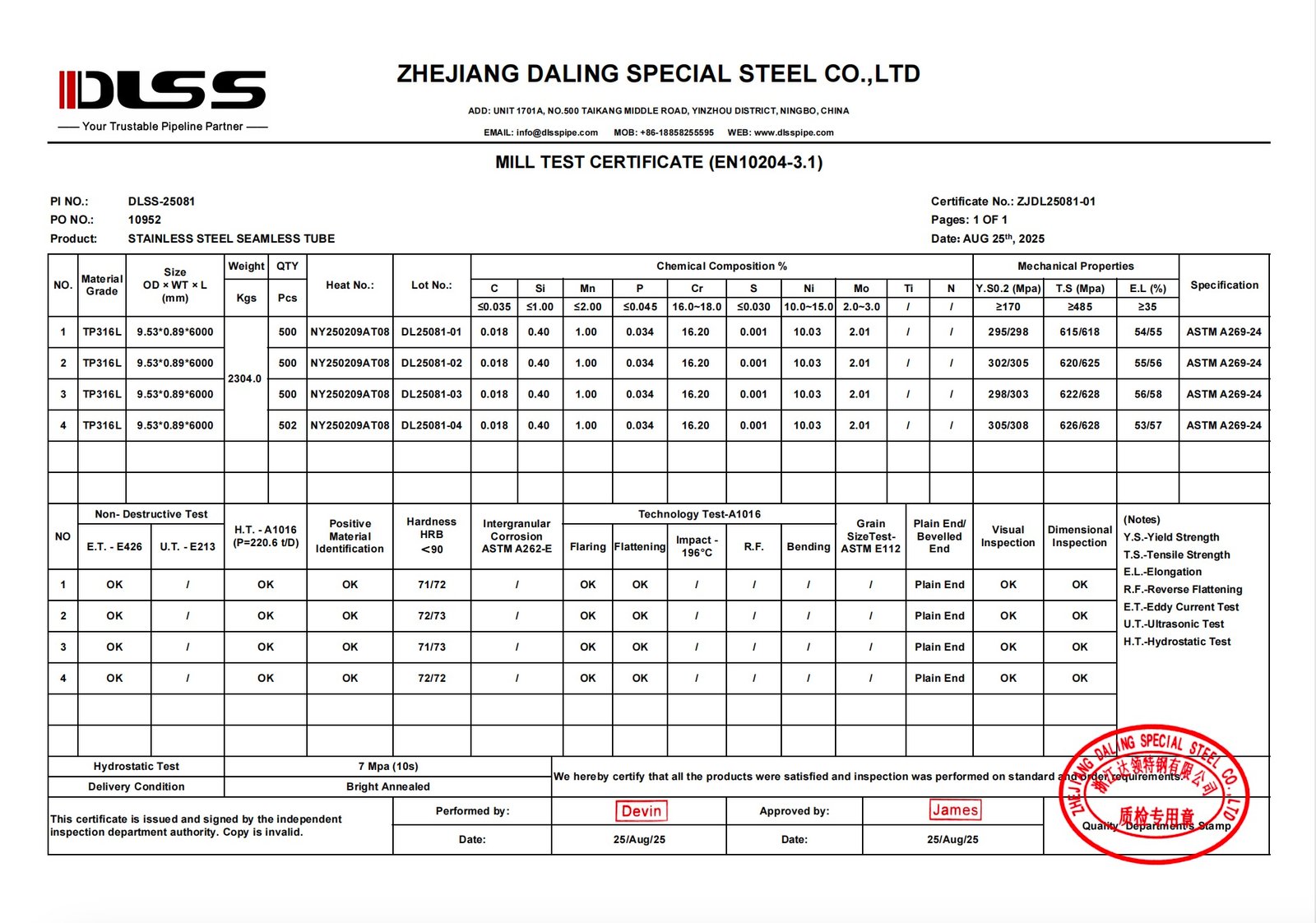
A professional supplier like DLSS can provide full traceability, mill test certificates (MTCs), and custom testing reports.
Conclusion

Selecting the right stainless steel heat exchanger tube is not just about price—it’s about performance, safety, and long-term value. By focusing on the 5 key factors above, you can ensure the best tube selection for your project.

Why Choose DLSS as Your Stainless Steel Tube Partner?

With over 30 years of experience and exports to 40+ countries, DLSS offers:

  • Customized tube solutions for heat exchangers and condensers
  • Full compliance with ASTM/ASME standards
  • Third-party inspections and full quality reports
  • Precision production, fast delivery

 Contact us today to get a free consultation or quote: info@dlsspipe.com

Wonderful! Share This Case:

Austenitic Stainless Steel

Duplex Stainless Steel

Nickel Alloys

▪ Incoloy Family

▪ Inconel Family

▪ Monel Family

▪ Hastelloy Family

▪ Other Special Alloys

Cobalt Alloys

Related Posts

Low-Fin Tubes: Compact Heat Transfer Solutions for Refrigeration and HVAC

Low-Fin Tubes: Compact Heat Transfer

Low-fin tubes are designed to improve heat transfer efficiency while maintaining a compact design, making them ideal for applications where space and weight are limited. These tubes feature external fins with a low height, which increases the surface area for heat exchange without significantly increasing the overall size. For a broader look at finned tube […]

Read More
Why Alloy C-276 Pipes are Essential for Acid Processing Industries

Why Alloy C-276 Pipes are

1. Introduction Industries handling aggressive chemicals such as sulfuric acid, hydrochloric acid, and phosphoric acid face constant challenges in piping material selection. Hastelloy C-276 (Alloy C-276) pipes are one of the most reliable choices for these corrosive environments. With outstanding resistance to strong oxidizers, reducing agents, and mixed chemical streams, Alloy C-276 tubes have become […]

Read More
Choosing Between Seamless and Welded Stainless Steel Tubes: Which One Fits Your Project?

Choosing Between Seamless and Welded

Meta Description:Understand the pros and cons of seamless vs welded stainless steel tubes. Learn when to choose each type based on pressure, corrosion, cost, and application requirements. Introduction When specifying stainless steel tubes for your project—whether it’s a heat exchanger, fluid transport system, or structural framework—one of the most important decisions is choosing between seamless […]

Read More
How to Interpret a Stainless Steel Mill Test Certificate (MTC)

How to Interpret a Stainless

Meta Description:Learn how to read and understand a stainless steel Mill Test Certificate (MTC). This guide explains MTC format, content, EN 10204 types, and what to verify before accepting a shipment. Introduction A Mill Test Certificate (MTC), also known as a Material Test Report (MTR), is a quality assurance document provided by the manufacturer. It […]

Read More
High-Frequency Welded Finned Tubes: Advantages and Ideal Applications

High-Frequency Welded Finned Tubes: Advantages

High-frequency welded finned tubes are one of the most widely used designs in industrial heat exchangers due to their strong metallurgical bonding and excellent heat transfer capabilities. This manufacturing method ensures a durable, efficient, and long-lasting solution for demanding thermal applications. If you are unfamiliar with finned tubes in general, read our guide on What […]

Read More
india-manufacturing-export-impact-stainless-steel-supply

Guía logística: Cómo exportar tubos

Meta descripción:¿Está planeando exportar tubos de acero inoxidable a Sudamérica? Esta guía explica cómo preparar documentación, embalaje e inspección para asegurar una entrega rápida y conforme a puertos de Brasil, Argentina, Chile, Colombia y más. 1. Introducción Sudamérica es una de las regiones de más rápido crecimiento en la demanda de tubos de acero inoxidable, […]

Read More
Nickel Alloy Steel Seamless Pipes and Tubes: Industrial Advantages and Applications

TP321 Heat Exchanger Tubes for

Introduction Japanese industries such as power generation, petrochemicals, and marine engineering often require high-temperature-resistant stainless steel tubes. TP321 heat exchanger tubes from DLSS meet JIS G3463 – Stainless Steel Boiler and Heat Exchanger Tubes, providing exceptional stability against oxidation and creep at elevated temperatures. 1. Why TP321 for High-Temperature Applications(高温用途でTP321が選ばれる理由) 2. JIS-Compliant Manufacturing for Japan(日本規格準拠の製造) […]

Read More
Tuberías de Acero Inoxidable para Plantas de GNL en Perú y Colombia

Tuberías de Acero Inoxidable para

Meta descripción:Las plantas de GNL en Sudamérica exigen materiales con alta resistencia a presión, temperatura y corrosión. Descubra qué tuberías inoxidables son ideales para proyectos en Perú y Colombia. Introducción Perú y Colombia se están posicionando como centros estratégicos de exportación y distribución de GNL (Gas Natural Licuado).Con plantas como Melchorita LNG (Perú LNG) y […]

Read More

Request A Quote

*We respect your confidentiality and all information are protected.