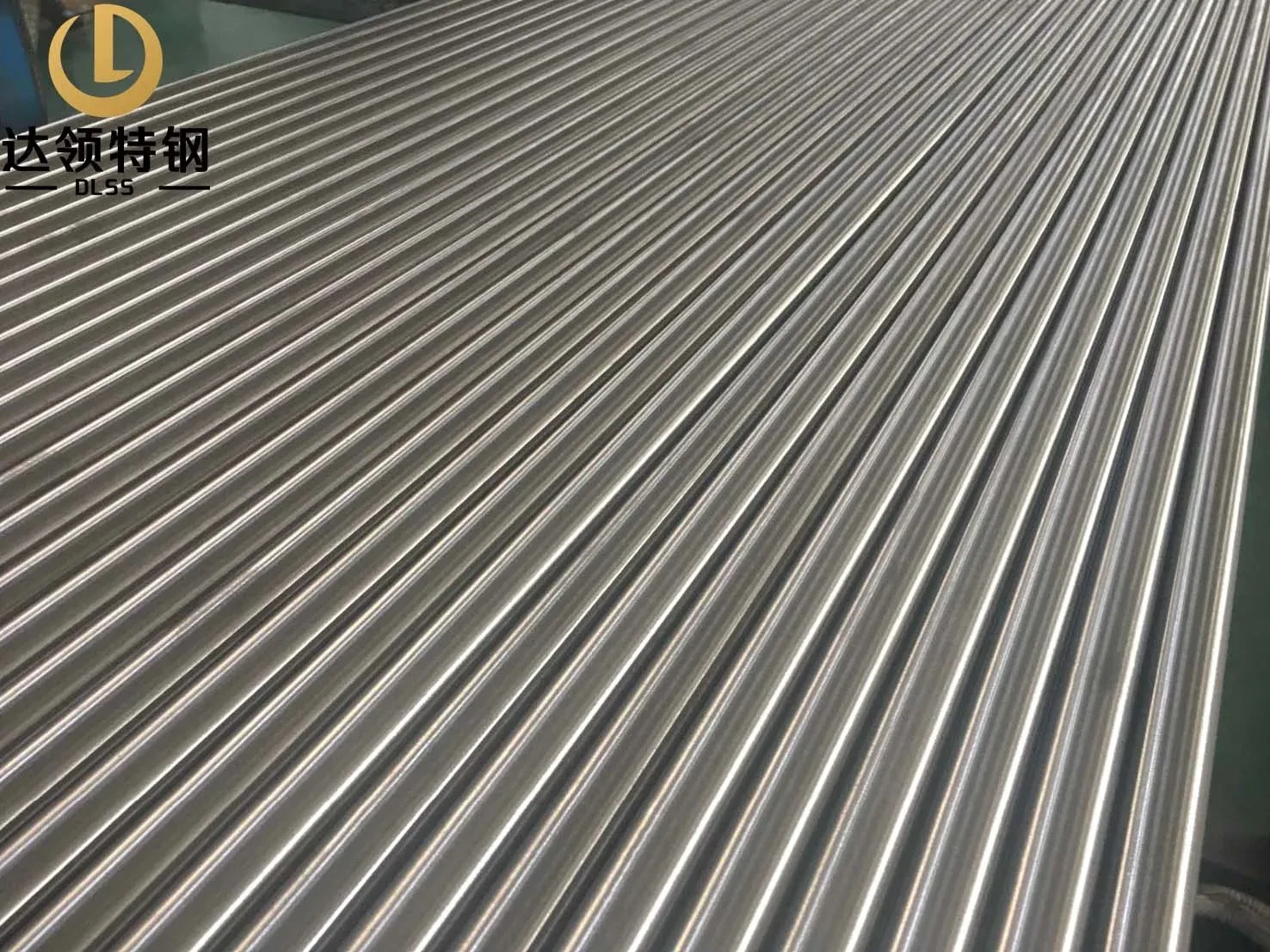
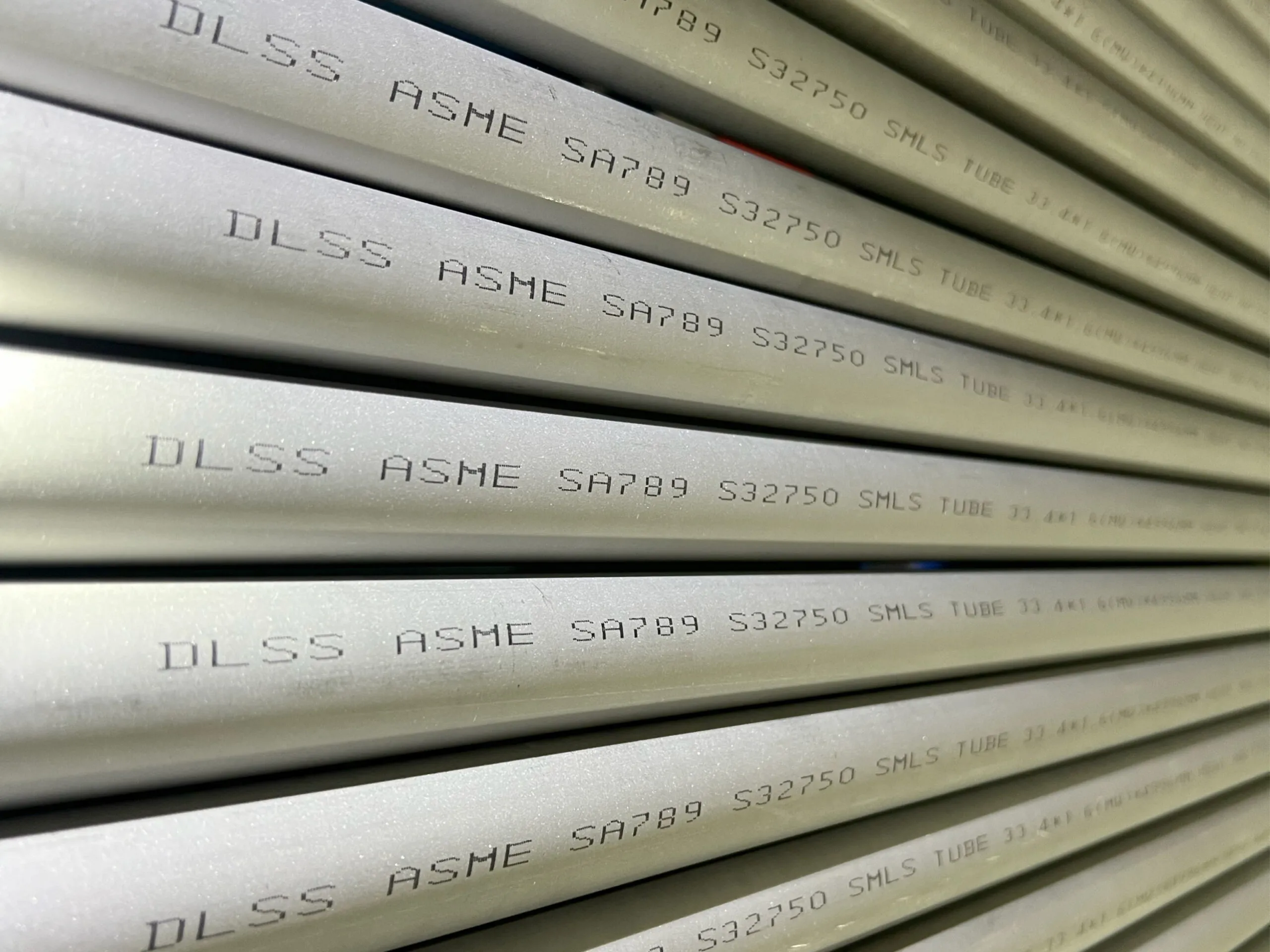
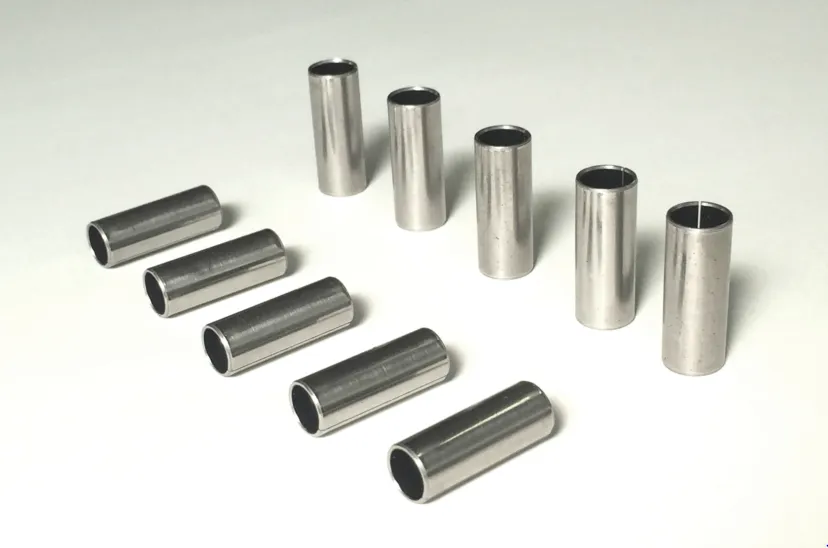
Nickel Alloys vs Stainless Steel Tubes – When and Why to Choose Each

DLSS - Pipe&Tube - Nickel Alloys vs Stainless Steel Tubes – When and Why to Choose Each

Meta Description:
Explore the key differences between nickel alloy tubes and stainless steel tubes. Understand when to select Inconel, Monel, or Hastelloy instead of TP316 or Duplex 2205, and how to evaluate performance vs. cost in demanding applications.


Introduction

In critical industries like oil & gas, chemical processing, power generation, and aerospace, choosing between stainless steel tubes and nickel alloy tubes can be the deciding factor in system reliability and longevity.

This article explains the differences in composition, corrosion resistance, heat resistance, and cost between these two families of materials, helping you make the best choice for your project needs.


1. What Are Nickel Alloys?

Nickel alloys are high-performance materials with nickel content typically above 30%, often alloyed with chromium, molybdenum, iron, or copper. They are engineered for extreme environments, where stainless steels may fall short.

Common Nickel Alloys Used in Tubes:

AlloyUNS NumberKey StandardsMain Attributes
Inconel 600N06600ASTM B167, B163High-temp oxidation and chloride resistance
Inconel 625N06625ASTM B444Excellent fatigue, chloride, and acid resistance
Incoloy 825N08825ASTM B163, B423Resistant to sulfuric and phosphoric acids
Monel 400N04400ASTM B165Outstanding in seawater, non-oxidizing acids
Hastelloy C-276N10276ASTM B622, B619Extreme corrosion resistance in mixed acids

2. Stainless Steel vs. Nickel Alloys – Side-by-Side Comparison

PropertyStainless Steel (TP316, 2205)Nickel Alloys (Inconel, Monel, Hastelloy)
Nickel Content (%)8–2230–70+
Corrosion ResistanceExcellent in mild to moderateExceptional in severe acids, chlorides
Pitting/Crevice ResistanceGood (with Mo)Outstanding
Max Operating Temperature~800°C (TP310, 321)>1100°C (Inconel 625, 600)
CostModerateHigh
WeldabilityEasy (except Duplex)Requires expertise
Common StandardsASTM A213, A269, EN 10216-5ASTM B163, B167, B444, B622

Reference: Nickel Institute – Nickel Alloys Overview


3. When to Choose Nickel Alloys Over Stainless Steel

A. Extreme Chemical Environments

  • Sulfuric, hydrochloric, and phosphoric acid exposure → Incoloy 825, Hastelloy C-276
  • Mixed acids, high chloride + temperature → Inconel 625 or C-22

B. High Temperature + High Pressure

  • Power plant boiler tubes, aerospace, nuclear → Inconel 600, 625
  • Nickel alloys maintain structural integrity above 1000°C

C. Seawater or Brine Resistance

  • Monel 400 performs better than 316L or Duplex 2205 in stagnant seawater or acidic saline water

D. Hydrogen Sulfide (H₂S) Environments

  • Oil & gas sour service → Alloy 825 or Hastelloy under NACE MR0175

For compliance data:
NACE MR0175 Material Selection


4. Cost Consideration

While nickel alloys cost significantly more than stainless steel per ton, their extended service life, reduced maintenance, and failure avoidance in critical systems make them more economical over time in harsh service.

Stainless steel remains more cost-effective in general service, food-grade, and non-aggressive environments.


5. DLSS Capabilities for Nickel Alloy Tubes

DLSS offers precision-manufactured tubes in:

  • Inconel 600 / 625, Incoloy 825, Monel 400, Hastelloy C-276
  • Sizes: 6 mm – 60 mm OD, wall thickness 0.5 – 5 mm
  • Standards: ASTM B163, B444, B622, NACE MR0175
  • Surface: Bright annealed, pickled, and polished
  • Tests: PMI, UT, ET, Hydro, Intergranular Corrosion (IGC)

All materials include full MTC 3.1/3.2, traceability, and documentation support.


FAQs

Q1: Can I use TP316L in place of Incoloy 825 in phosphoric acid?
No, Incoloy 825 offers far better corrosion resistance in strong acidic media.

Q2: Is welding nickel alloys difficult?
Yes, but DLSS provides recommended procedures and filler materials. TIG welding with inert gas shielding is essential.

Q3: Do you provide third-party inspection for nickel alloy tubes?
Yes, DLSS supports SGS, BV, TÜV, and customer-nominated inspections.

Q4: Are these tubes available from stock?
Nickel alloys are mostly custom-produced to order due to cost and specification diversity.


Conclusion

Nickel alloys provide unmatched performance in harsh environments where stainless steel may fall short. Choosing the right material ensures safety, efficiency, and regulatory compliance. DLSS helps clients evaluate material options based on real operating conditions, delivering tailored solutions with full traceability and support.


Contact DLSS
Email: info@dlsspipe.com
Website: www.dlsspipeline.com

Looking for nickel alloy tubes for chemical plants, offshore rigs, or power generation? DLSS delivers globally with certified quality and fast response.

Wonderful! Share This Case:

Austenitic Stainless Steel

Duplex Stainless Steel

Nickel Alloys

▪ Incoloy Family

▪ Inconel Family

▪ Monel Family

▪ Hastelloy Family

▪ Other Special Alloys

Cobalt Alloys

Related Posts

EN vs ASTM Standards for Stainless Steel Tubes – What’s the Difference and How to Choose?

EN vs ASTM Standards for

Meta Description:Explore the key differences between EN and ASTM standards for stainless steel tubes. Understand specifications, testing requirements, tolerances, and how to choose the right standard for your project. Introduction Global industrial projects often involve suppliers and clients from different regions—especially Europe, America, and Asia. As a result, you may encounter both ASTM and EN […]

Read More
What Is Bright Annealed Tube (BA)? Benefits, Applications, and Surface Control

What Is Bright Annealed Tube

Meta Description:Discover the benefits of Bright Annealed (BA) stainless steel tubes. Learn how BA tubes are manufactured, their key applications, and why they are essential in precision industries. Introduction In industries where cleanliness, precision, and corrosion resistance are critical, the surface finish of stainless steel tubing is just as important as the alloy itself. Bright […]

Read More

How to Choose High-Quality Stainless

Stainless steel tubes are commonly used in heat exchanger systems because they are corrosion-resistant and have a long lifespan. However, how do you choose the right stainless steel tube? This article will help you understand the key factors to consider when selecting stainless steel tubes. 1、Material Grade Stainless steel tubes are commonly used in heat exchanger […]

Read More
What is Pickling and Passivation? Surface Treatment for Stainless Steel Tubes Explained

What is Pickling and Passivation?

Meta Description:Learn the difference between pickling and passivation for stainless steel tubes. Understand how these surface treatments improve corrosion resistance and comply with industry standards like ASTM A380 and A967. Introduction Stainless steel may be known for its corrosion resistance, but improper surface conditions can compromise performance. To ensure maximum durability, two essential surface treatments […]

Read More
Common Heat Exchanger Tube Failures and How to Prevent Them

Common Heat Exchanger Tube Failures

Meta Description:Heat exchanger tubes can fail due to corrosion, vibration, fouling, and material fatigue. Learn about the most common failure modes and how to prevent them in industrial systems. Introduction Heat exchanger tube failures can lead to: Understanding the most frequent failure mechanisms is key to designing, selecting, and maintaining reliable heat exchanger systems. In […]

Read More

15-Day Delivery of ASTM A182

DLSS recently fulfilled an urgent order for a Dubai-based equipment manufacturer, delivering five 16″ STD CL600 Weld Neck Raised Face (WNRF) flanges made from ASTM A182 F53 (UNS S32750) super duplex stainless steel. Operating in a high-chloride, highly corrosive seawater environment, the client required ASME B16.5 compliance with an exceptionally fast 15-day lead time. Project […]

Read More
Choosing Between 304L, 316L, and 317L Stainless Steel Tubes – What’s Right for Your Application?

Choosing Between 304L, 316L, and

Meta Description:Compare 304L, 316L, and 317L stainless steel seamless tubes. Understand chemical composition, corrosion resistance, mechanical properties, and ideal applications with DLSS’s expert insights. Introduction When selecting stainless steel tubes for industrial use, choosing the right grade can significantly affect corrosion resistance, mechanical performance, and cost efficiency. Among the most widely used austenitic stainless steels […]

Read More
Aleaciones Especiales para Tuberías en Plataformas Offshore en Brasil

Aleaciones Especiales para Tuberías en

Meta descripción:Las plataformas marinas brasileñas enfrentan desafíos extremos: alta salinidad, presión y exposición constante a H₂S. Conozca qué aleaciones inoxidables ofrecen mayor seguridad y vida útil en ambientes offshore. Introducción Brasil es líder en producción de petróleo en aguas profundas gracias a regiones como Campos, Santos y Pre-Sal. Estas plataformas offshore requieren sistemas de tuberías […]

Read More

Request A Quote

*We respect your confidentiality and all information are protected.