Global Market Trends for Titanium and Nickel Alloy Pipes (2025–2030)

DLSS - Pipe&Tube - Global Market Trends for Titanium and Nickel Alloy Pipes (2025–2030)

1. Introduction

The demand for titanium and nickel alloy pipes is expected to grow steadily between 2025 and 2030, driven by the expansion of desalination projects, LNG infrastructure, refinery upgrades, and power plant modernization. With CAGR estimates ranging from 5–7% across both product categories, these high-performance alloys are increasingly chosen for projects requiring superior corrosion resistance and long-term reliability.


2. Global Market Outlook

  • Nickel Alloy Pipes: Estimated CAGR of 5–6% through 2030. Growth driven by refinery revamps, LNG regasification units, and chemical processing investments.
  • Titanium Pipes: Expected CAGR of 6–7% by 2030, fueled by desalination plants, coastal power stations, and aerospace applications.
  • Combined Market Value: Forecast to reach USD 9–10 billion by 2030 across industrial piping applications.

Reference: Nickel Alloy Market – Wikipedia | Titanium Industry Trends – Wikipedia.


3. Key Regional Trends

  • Middle East & North Africa (MENA):
    • Largest share in titanium pipe demand due to desalination and power projects.
    • Nickel alloys used in refineries and petrochemical complexes.
  • Asia-Pacific (China, India, Japan, South Korea):
    • Rapid industrialization and refinery expansions drive nickel alloy demand.
    • Titanium consumption grows in power plants and shipbuilding.
  • Europe:
    • Strong demand for high-spec nickel alloy pipes in chemical industries and offshore projects.
    • Titanium pipes used in nuclear power and advanced manufacturing.
  • North America:
    • LNG export terminals and refinery upgrades increase nickel alloy consumption.
    • Aerospace sector ensures steady titanium pipe demand.

4. Industry Applications Driving Growth

  • Desalination: Titanium GR2 condenser tubes remain the top choice for seawater cooling.
  • Oil & Gas / Refinery: Alloy 625, 825, and C-276 widely used in sour gas and acid processing.
  • Power Generation: Titanium and nickel alloys adopted in condensers, boilers, and heat exchangers.
  • Aerospace & Defense: Titanium pipes in hydraulic and cooling systems.

5. Challenges in the Market

  • High Material Costs: Titanium and nickel prices fluctuate with raw material supply.
  • Certification Requirements: PED, ASME, NACE compliance increase entry barriers.
  • Geopolitical Risks: Trade remedies (anti-dumping duties) affect sourcing strategies.

6. DLSS Market Positioning

At DLSS, we align with these market trends by offering:

  • Titanium Pipes: ASTM B338 condenser tubes, GR2 and GR12 grades for seawater and power plants.
  • Nickel Alloy Pipes: ASTM B444 (Alloy 625), ASTM B423 (Alloy 825), ASTM B622 (C-276).
  • Global Reach: Supply to Middle East, Asia-Pacific, Europe, and North America.
  • Quality Assurance: 3.2 certification, third-party inspection, and rapid delivery.

7. Conclusion & Call to Action

From 2025 to 2030, the global market for titanium and nickel alloy pipes will be driven by energy, water, and advanced manufacturing industries. Companies that adopt these high-performance alloys will benefit from lower lifecycle costs and superior system reliability.

DLSS is committed to supporting global projects with ASTM-compliant alloy pipes and technical expertise.

Contact us for detailed market insights and customized quotations.
info@dlsspipe.com | www.dlsspipeline.com

Wonderful! Share This Case:

Austenitic Stainless Steel

Duplex Stainless Steel

Nickel Alloys

▪ Incoloy Family

▪ Inconel Family

▪ Monel Family

▪ Hastelloy Family

▪ Other Special Alloys

Cobalt Alloys

Related Posts

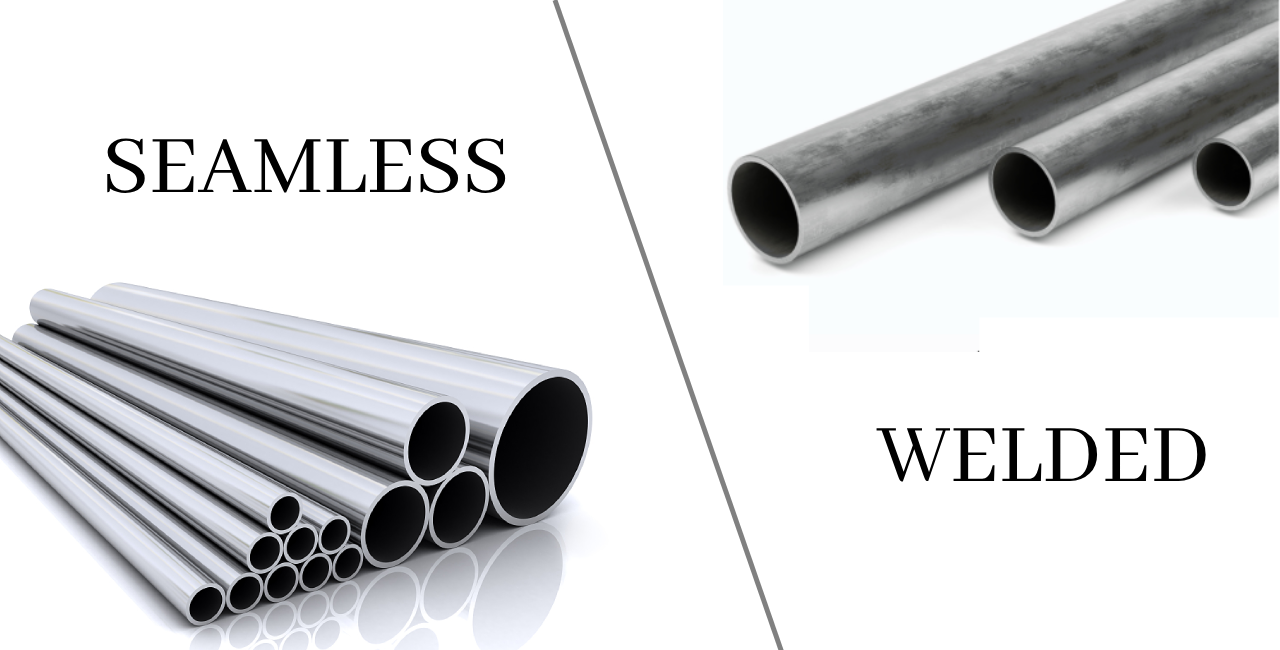
Seamless vs Welded Stainless Steel Pipes: Which Is More Reliable in 2025?

Seamless vs Welded Stainless Steel

Meta Description:Learn the key differences between seamless and welded stainless steel pipes. Discover which option is better for pressure, corrosion, and project reliability in modern industrial applications. Introduction When selecting stainless steel pipes for high-stakes projects—whether in oil & gas, chemical processing, or heat exchanger systems—one key decision is: Should I choose seamless or welded […]

Read More

Everything You Need to Know

What Are Inner Grooved Coil Tubes? Inner grooved coil tubes, also known as ribbed tubes or micro-fin tubes, are seamless or welded coil tubes with precisely formed helical grooves on the internal surface. These grooves increase turbulence in fluid flow, thereby enhancing the heat transfer coefficient. They are widely used in: Why Choose Inner Grooved Tubes?  30–50% better heat transfer than smooth tubes Enhanced […]

Read More
ASME SA213 TP316H Seamless Tube (19.05 × 2.0mm, up to 6000mm in length)

ASME SA213 TP316H Seamless Tube

Product Overview: ASME SA213 TP316H Seamless Tube ASME SA213 TP316H is a high-performance austenitic stainless steel seamless tube specifically designed for applications in high-temperature and highly corrosive environments. Widely used in critical industrial systems such as heat exchangers, boilers, condensers, and high-pressure fluid systems, this material meets the stringent standards set by ASTM A213 / […]

Read More
The Role of Heat Treatment in Stainless Steel Tube Manufacturing

The Role of Heat Treatment

Meta Description:Understand the critical role of heat treatment in the manufacturing of stainless steel tubes. Learn about solution annealing, stress relieving, grain size control, and how these affect tube performance and quality. Introduction Heat treatment is not just a step in the production of stainless steel tubes—it is a fundamental quality determinant that affects corrosion […]

Read More
Heat Exchanger Maintenance Checklist: How to Extend Equipment Life and Improve Performance

Heat Exchanger Maintenance Checklist: How

1. Introduction – Heat Exchanger Maintenance Checklist Following a structured heat exchanger maintenance checklist is the most effective way to keep your equipment running efficiently, avoid costly breakdowns, and extend service life. Whether you operate a shell and tube heat exchanger, a plate heat exchanger, or an air-cooled model, regular preventive maintenance ensures consistent heat […]

Read More
Meeting JIS G3459 Standards for Stainless Steel Seamless Pipes(JIS G3459規格に適合するステンレス無縫管)

Meeting JIS G3459 Standards for

1. Introduction JIS G3459 seamless pipe Japan is a widely recognized specification for stainless steel pipes used in chemical, food, marine, and high-temperature applications. For Japanese buyers, compliance with ステンレス無縫管 規格 (stainless seamless pipe standards) is not optional—it is the foundation of product acceptance. DLSS ensures every tube meets or exceeds the stringent requirements of […]

Read More
Why Duplex Stainless Steel Tubes Are Ideal for South America's Offshore Oil & Gas Projects

Why Duplex Stainless Steel Tubes

Meta Description:Explore how duplex stainless steel tubes meet the demands of South America’s offshore energy sector. Learn about corrosion resistance, mechanical strength, and NACE compliance in deep-sea environments. Introduction From Brazil’s pre-salt fields to Colombia’s coastal gas terminals, offshore exploration in South America is pushing engineering materials to the limit. The tubes used in these […]

Read More
Online Tube Dimension Measurement: Precision in Real-Time Manufacturing

Online Tube Dimension Measurement: Precision

In the modern manufacturing of precision tubing—especially stainless steel heat exchanger tubes—online tube dimension measurement has become an essential quality control tool. As customer requirements become stricter and global standards tighten, real-time monitoring of outer diameter (OD), wall thickness, ovality, and surface defects ensures that every tube leaving the production line meets exact specifications. In […]

Read More

Request A Quote

*We respect your confidentiality and all information are protected.