Seamless vs Welded Stainless Steel Pipes: Which Is More Reliable in 2025?

DLSS - Pipe&Tube - Seamless vs Welded Stainless Steel Pipes: Which Is More Reliable in 2025?

Introduction

When selecting stainless steel pipes for high-stakes projects—whether in oil & gas, chemical processing, or heat exchanger systems—one key decision is:

Should I choose seamless or welded pipe?

With evolving quality standards and application-specific demands, this comparison remains a hot topic in 2025.
In this article, we explore the structural, operational, and cost-related differences between the two and help you decide which is right for your system.


What Are Seamless Pipes?

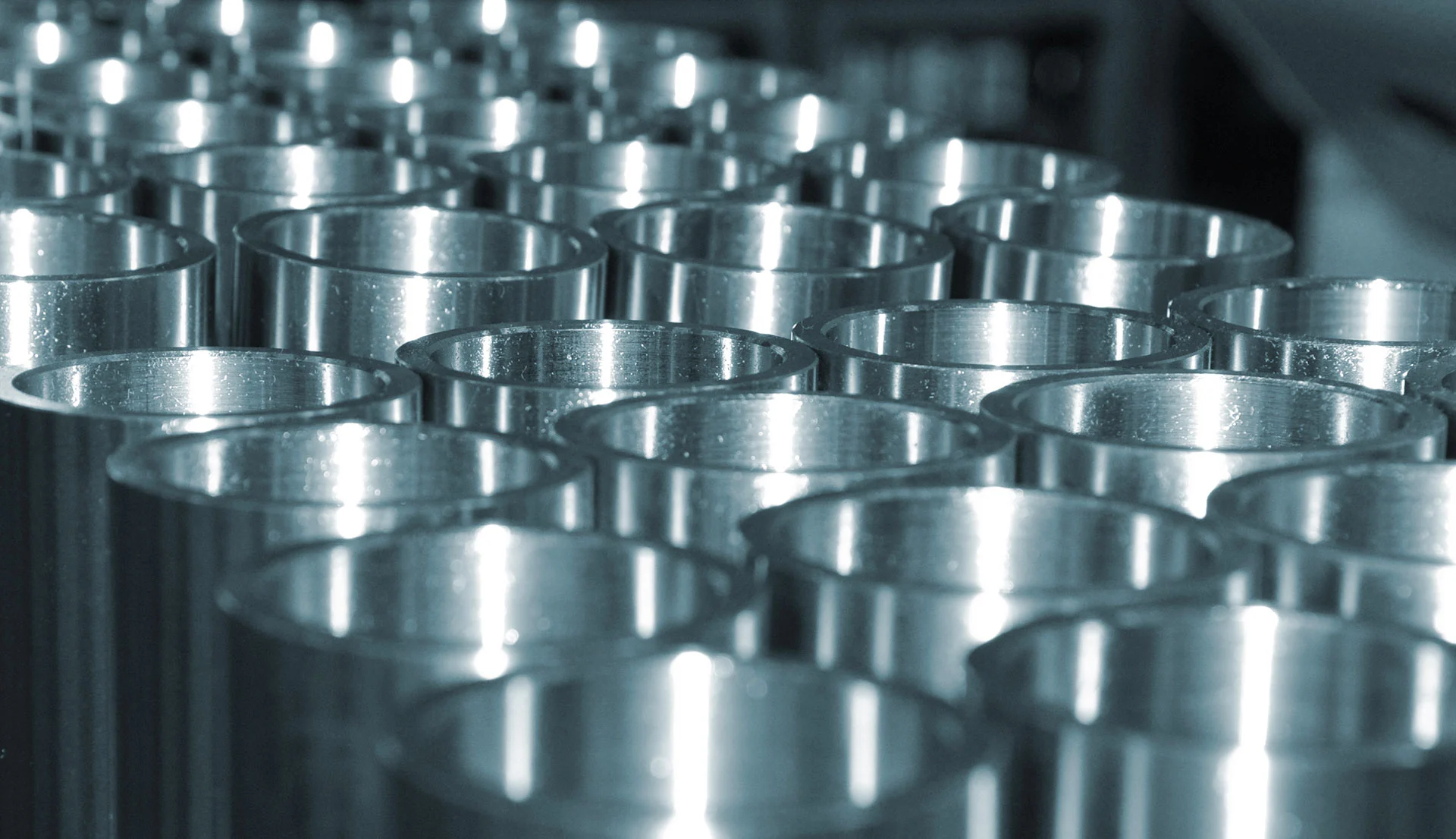
Seamless pipes are manufactured from a solid billet through hot extrusion or piercing, resulting in:

  • No weld seam
  • Uniform mechanical properties
  • Excellent pressure and temperature resistance

They are widely used in:

  • High-pressure boilers
  • Refineries and offshore rigs
  • Heat exchangers with U-bends
  • Critical sour gas applications

Standard: ASTM A213 – Seamless Stainless Tubes for Boilers and Heat Exchangers


What Are Welded Pipes?

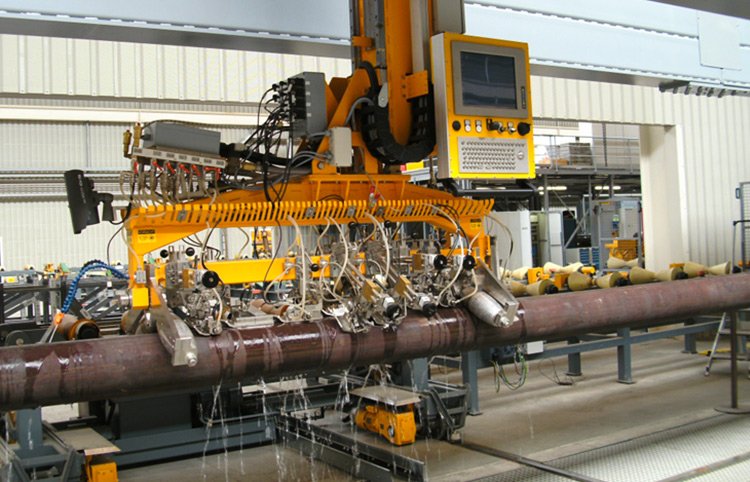
Welded pipes are formed by rolling and welding stainless steel plates or strips, then heat treated and surface finished. They are:

  • More economical
  • Available in longer lengths and larger diameters
  • Suitable for low- to medium-pressure applications

Typical use cases:

  • Sanitary piping (food & beverage)
  • Building infrastructure
  • Non-critical utility lines

Standard: ASTM A269 – Welded or Seamless Tubes for General Service


Technical Comparison

AttributeSeamless PipeWelded Pipe
Weld seamNoneYes (may be ground, annealed)
Pressure resistanceHigherLower (not suitable for severe cycles)
Corrosion resistanceBetter (no weld zones)Acceptable with proper welding and pickling
Dimensional controlSlightly lowerTighter tolerances
CostHigher (10–30%)Lower production cost
InspectionEC / UT / Hydro requiredWeld seam often requires X-ray or PT

Market Trend in 2025

As per Future Market Insights, over 65% of stainless steel pipe projects above Class 300 are now using seamless tubes due to increased emphasis on:

  • Lifecycle cost reduction
  • Risk mitigation in harsh environments
  • Standard compliance (NACE, EN 10204 3.2)

However, for cost-sensitive or sanitary systems, welded pipes still offer a reliable and hygienic option.


How DLSS Supports Both Solutions

DLSS manufactures and supplies both seamless and welded stainless pipes:

  • Seamless: TP316L, TP321, TP347H, Duplex, Incoloy
  • Welded: A269-grade sanitary and low-pressure tubes
  • Surface finishes: Pickled, Bright Annealed, Electropolished
  • Certifications: EN 10204 3.1 / 3.2, NACE MR0175, PMI, EC, Hydro
  • Third-party inspections: SGS, TÜV, BV on request

Frequently Asked Questions (FAQ)

Q1: Is seamless always better than welded?
Not always. Seamless is stronger under pressure, but welded tubes offer good reliability in low-stress and clean-service systems.

Q2: Which is better for heat exchanger U-bends?
Seamless is preferred due to uniform wall thickness and flexibility under bending stress.

Q3: Do welded pipes always need X-ray testing?
Not always, but X-ray or PT is common in Class 300+ systems to ensure seam integrity.

Q4: What’s the cost difference?
Welded pipes are generally 10–30% cheaper, depending on OD, wall thickness, and finish.


Conclusion

The best pipe for your project depends on application requirements, regulatory standards, and long-term reliability goals.

Choose seamless when dealing with:

  • High pressure or high temperature
  • Fatigue or thermal cycling
  • Critical corrosive fluids

Choose welded for:

  • Low-pressure sanitary lines
  • Architectural installations
  • Budget-sensitive applications

DLSS supports both options with standard-compliant products, detailed testing, and custom fabrication to match your project’s demands.


Contact DLSS
Email: info@dlsspipe.com
Website: www.dlsspipeline.com

Wonderful! Share This Case:

Austenitic Stainless Steel

Duplex Stainless Steel

Nickel Alloys

▪ Incoloy Family

▪ Inconel Family

▪ Monel Family

▪ Hastelloy Family

▪ Other Special Alloys

Cobalt Alloys

Related Posts

Titanium Tubes vs Stainless Steel Tubes: Which One is Right for Your Heat Exchanger?

Titanium vs Stainless

Titanium tubes and stainless steel tubes are both used as heat exchanger tubes in many industrial systems. But they are not used for the same working conditions. Titanium is often used in seawater, high chloride, desalination, and marine systems. Stainless steel is often used in general heat exchangers, boilers, power...

Read More
Advanced Pipe-Based Heat Exchanger Designs: U-Tube, Shell-and-Tube, and Coiled Tube Systems

Advanced Pipe-Based Heat

As industrial demands for thermal efficiency, space optimization, and corrosion resistance continue to grow, the design and selection of heat exchangers have become increasingly specialized. Beyond basic double tube systems, engineers often turn to more advanced pipe configurations to meet rigorous process requirements. In this article, we explore three widely...

Read More

ASME, EN, and

In global heat exchanger projects, engineers and procurement teams often face a critical question: Which material standard should we follow—ASME, EN, or JIS? Each of these standards governs stainless steel tube production but comes from different regions and technical philosophies. Understanding their differences helps avoid miscommunication, ensure regulatory compliance, and...

Read More
Selecting Stainless Steel Tubes for Seawater, Desalination, and Marine Applications (2025 Guide)

Selecting Stainless Steel

Why Seawater and Desalination Systems Require Specialized Tubing Seawater contains high concentrations of chlorides, which are extremely aggressive toward most conventional stainless steels. In marine environments or desalination plants, tubes are exposed to continuous flow of saline water, biofouling, crevice conditions, and temperature fluctuations. To ensure long service life and...

Read More
ASTM A789 S32750 Super Duplex Steel Seamless Tube 19*2.4MW Bright Annealed Type

ASTM A789 S32750

Product Overview: ASTM A789 S32750 Super Duplex Seamless Tube (19×2.4mm, BA Surface) ASTM A789 S32750 seamless tubes are manufactured from super duplex stainless steel, known for its exceptional strength and corrosion resistance. This material is designed to perform in aggressive environments where standard austenitic or duplex grades would fail — such...

Read More
ASTM Standards for Nickel and Titanium Pipes: A Complete Guide

ASTM Standards for

1. Introduction When sourcing nickel alloy and titanium pipes for chemical plants, desalination projects, or power plants, compliance with ASTM standards is a key requirement. ASTM (American Society for Testing and Materials) specifications define the chemical composition, mechanical properties, testing, and delivery conditions for these critical materials. This article provides...

Read More
Stainless Steel Tube Failures in Heat Exchangers: Root Causes and How to Prevent Them

Stainless Steel Tube

Introduction Heat exchangers are essential components in power plants, refineries, HVAC systems, and chemical processing. Yet, even with premium-grade stainless steel tubes, failures can occur—leading to leaks, shutdowns, and expensive repairs. DLSS has helped dozens of clients investigate and resolve stainless tube failures across the globe. In this article, we...

Read More
Green Energy and ESG: How Sustainability Is Reshaping the Stainless Steel Seamless Tube Market

Green Energy and

The stainless steel seamless tube industry is undergoing a quiet but profound transformation—not just driven by technical demands, but by Environmental, Social, and Governance (ESG) goals and the global energy transition. As governments, investors, and end-users demand cleaner, longer-lasting, and traceable materials, tube manufacturers are under growing pressure to reduce...

Read More

Request A Quote

*We respect your confidentiality and all information are protected.