Meeting JIS G3459 Standards for Stainless Steel Seamless Pipes(JIS G3459規格に適合するステンレス無縫管)

DLSS - Market Insights – Japan - Meeting JIS G3459 Standards for Stainless Steel Seamless Pipes(JIS G3459規格に適合するステンレス無縫管)

1. Introduction

JIS G3459 seamless pipe Japan is a widely recognized specification for stainless steel pipes used in chemical, food, marine, and high-temperature applications. For Japanese buyers, compliance with ステンレス無縫管 規格 (stainless seamless pipe standards) is not optional—it is the foundation of product acceptance. DLSS ensures every tube meets or exceeds the stringent requirements of JIS G3459.


2. Overview of JIS G3459 Standard

The JIS G3459 standard, issued by the Japanese Industrial Standards Committee, specifies seamless stainless steel pipes for corrosion-resistant service at elevated temperatures.

Key Requirements:

  • Grades: TP304, TP304L, TP316, TP316L, TP321, etc.
  • Size Range: Outer diameter 6–660 mm, wall thickness 1–50 mm
  • Tolerances: Tight control over OD, WT, and ovality
  • Testing: Tensile test, flattening test, hydrostatic or non-destructive examination

Reference: JIS G3459 Stainless Steel Pipes Standard


3. Applications in Japan

In Japan, JIS G3459 seamless stainless steel pipes are widely applied in:

  • 化学工場配管 (chemical plant piping)
  • 食品加工ライン (food processing lines)
  • 海水淡水化設備 (desalination plants)
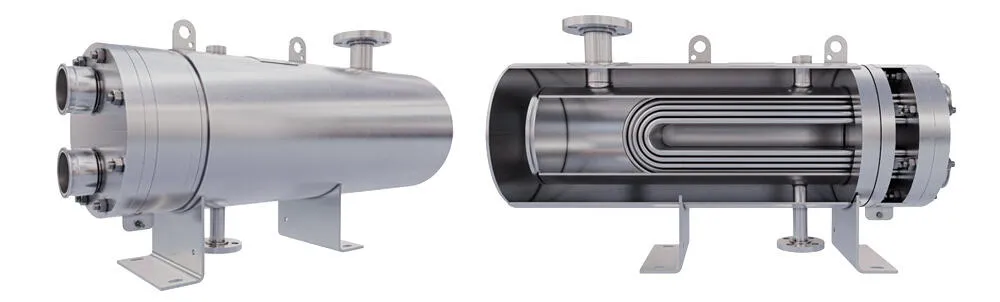
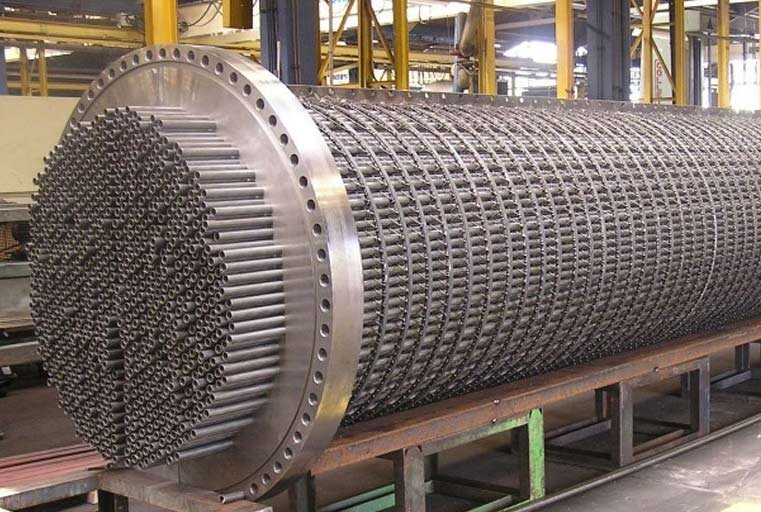
  • 発電所の熱交換器 (power plant heat exchangers)

The standard ensures that materials used in these industries maintain high corrosion resistance, mechanical strength, and reliability over long service periods.


4. DLSS Quality Assurance for JIS G3459

At DLSS, our production and inspection processes are designed to match the precision and consistency expected in the Japanese market:

  • Material Control: All raw materials sourced from qualified mills with full traceability
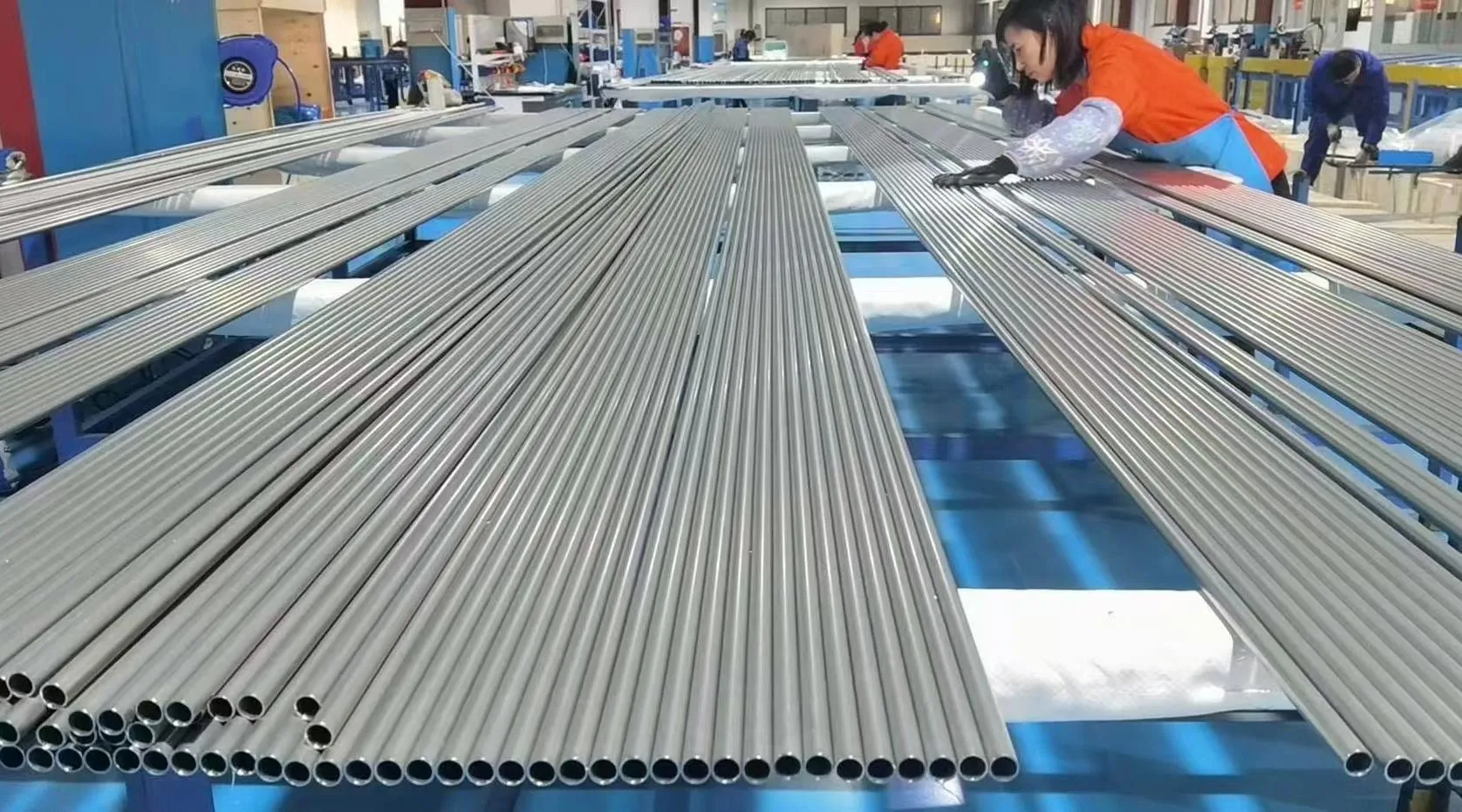
  • Dimensional Accuracy: OD and WT tolerances within JIS limits or tighter
  • Surface Quality: Zero scratches, dents, or weld defects (外観品質の管理)
  • Testing: Hydrostatic and eddy current testing, plus third-party inspections upon request
  • Documentation: Mill Test Certificates (MTC) indicating JIS G3459 compliance, chemical composition, and mechanical properties

5. Why Japanese Buyers Choose DLSS

  • Stable quality: Consistent production results in every shipment meeting JIS requirements
  • Fast delivery: 4–6 weeks for urgent orders, even with custom dimensions
  • Competitive pricing: Cost-effective solutions without compromising quality
  • Export expertise: Experience in shipping to Japan with protective seaworthy packaging

6. Conclusion & Call to Action

For Japanese companies seeking reliable JIS G3459 seamless pipe Japan, DLSS offers certified quality, precision manufacturing, and timely delivery. We combine the strict compliance standards expected in Japan with the flexibility to meet diverse project requirements.

info@dlsspipe.com | www.dlsspipeline.com
Wonderful! Share This Case:

Austenitic Stainless Steel

Duplex Stainless Steel

Nickel Alloys

▪ Incoloy Family

▪ Inconel Family

▪ Monel Family

▪ Hastelloy Family

▪ Other Special Alloys

Cobalt Alloys

Related Posts

TP304 vs TP316L:

Introduction TP304 and TP316L are the two most widely used austenitic stainless steel grades in industrial piping, particularly in heat exchangers, boiler systems, and chemical plants. While both belong to the same stainless steel family, they differ in corrosion resistance, mechanical properties, and application suitability. In this article, we compare TP304 and TP316L across 5 key aspects to help...

Read More

Seamless vs Welded

Introduction One of the most common engineering decisions in piping systems is: “Should we use seamless or welded stainless steel pipes?” While both types comply with international standards, they differ significantly in: This article compares seamless vs. welded pipes in detail to help engineers, EPC contractors, and project managers select...

Read More
Europe’s Stainless Steel Tube Market: Compliance-Driven Demand and Strategic Opportunities

Europe’s Stainless Steel

Europe is one of the most regulated and compliance-focused markets in the world for stainless steel seamless tubes—especially for heat exchangers, pharma-grade piping, and energy infrastructure. With stringent requirements for traceability, environmental certification, and dual material standards, suppliers must demonstrate not only high product quality but also full alignment with...

Read More
Copper Nickel ASTM B111 C70600(O61) Seamless Low Finned Tube for Oil Cooler Pipe

Copper Nickel ASTM

Product Overview – ASTM B111 C70600 (O61) Copper-Nickel Low Finned Tube The ASTM B111 C70600 (90/10 Cu-Ni) seamless low-finned tube, in O61 annealed temper, is designed for oil cooler systems, marine heat exchangers, and condenser units. With integrally formed spiral fins, it increases thermal transfer area—critical for high-performance systems in ship cooling, industrial chillers, and power generation plants. Technical...

Read More
Pickling vs Bright Annealing: Which Surface Treatment Is Best for Stainless Steel Tubes?

Pickling vs Bright

Introduction The performance of stainless steel tubes isn’t just about alloy grade or dimensional accuracy—surface finish plays a crucial role in corrosion resistance, cleanliness, and long-term durability. Two widely used surface treatments are: Each has distinct characteristics, advantages, and ideal applications. This article explores their differences and helps you decide...

Read More

ISO 2037 Sanitary

ISO 2037 sanitary tube is a common term in food, beverage and hygienic piping projects. Many old drawings, RFQs and equipment lists still mention ISO 2037. Buyers may also use this term when they need stainless steel sanitary tubes for dairy lines, beverage lines, food processing systems or clean process...

Read More
How to Accurately Measure Pipe Wall Thickness Using a Micrometer

How to Accurately

In the manufacturing and inspection of metal pipes—whether stainless steel, carbon steel, or alloy—the wall thickness is a key dimensional parameter. Precise wall thickness affects mechanical strength, pressure resistance, and long-term reliability, especially in critical applications such as heat exchangers, boilers, and petrochemical piping systems. One of the most accurate...

Read More
Nickel Alloy Steel Seamless Pipes and Tubes: Industrial Advantages and Applications

Alloy Steel Heat

Introduction In high-temperature environments such as boilers, power plants, and petrochemical heat exchangers, alloy steel tubes are indispensable. One common choice is ASTM A199 T11, a Cr-Mo alloy steel that provides excellent creep resistance, mechanical strength, and durability. Recently, a customer requirement for T11 cold drawn tubes offers a valuable...

Read More

Request A Quote

*We respect your confidentiality and all information are protected.