Choosing the Right Pipe Materials for the Oil & Gas Industry

DLSS - Oil & Gas Industry - Choosing the Right Pipe Materials for the Oil & Gas Industry

Meta Description:
The oil & gas industry demands corrosion-resistant, high-pressure-rated piping solutions. Learn how to select the best pipe materials for upstream, midstream, and downstream applications.


Introduction

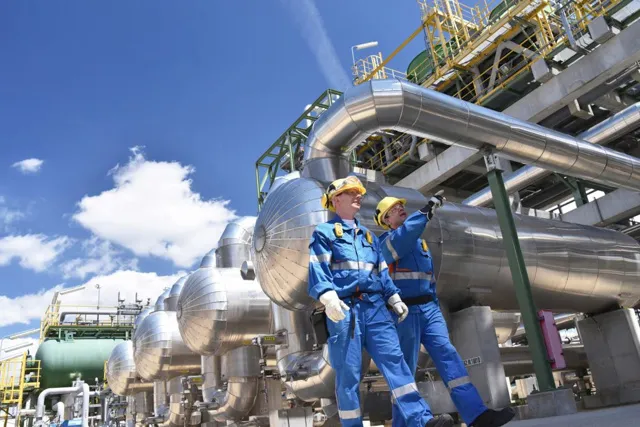
In the oil and gas sector, pipelines are more than just infrastructure—they are lifelines of the operation. From offshore rigs and sour gas fields to refineries and LNG terminals, the performance of pipe materials directly affects safety, uptime, and profitability.

This article dives into the most trusted pipe materials used across the industry, what standards guide their selection, and how suppliers like DLSS help ensure reliability in even the harshest environments.


What Makes Oil & Gas Applications So Demanding?

Pipeline systems in this industry face some of the toughest operating conditions:

  • High pressure & high temperature environments
  • Corrosive fluids, including hydrogen sulfide (H₂S), CO₂, chlorides
  • Sour service requirements with SSC (Sulfide Stress Cracking) concerns
  • Remote or subsea access, making failure extremely costly

To withstand this, engineers must balance mechanical strength, corrosion resistance, code compliance, and cost.


Key Material Standards in the Oil & Gas Sector

Before selecting materials, it’s important to understand the standards involved. The most common ones include:

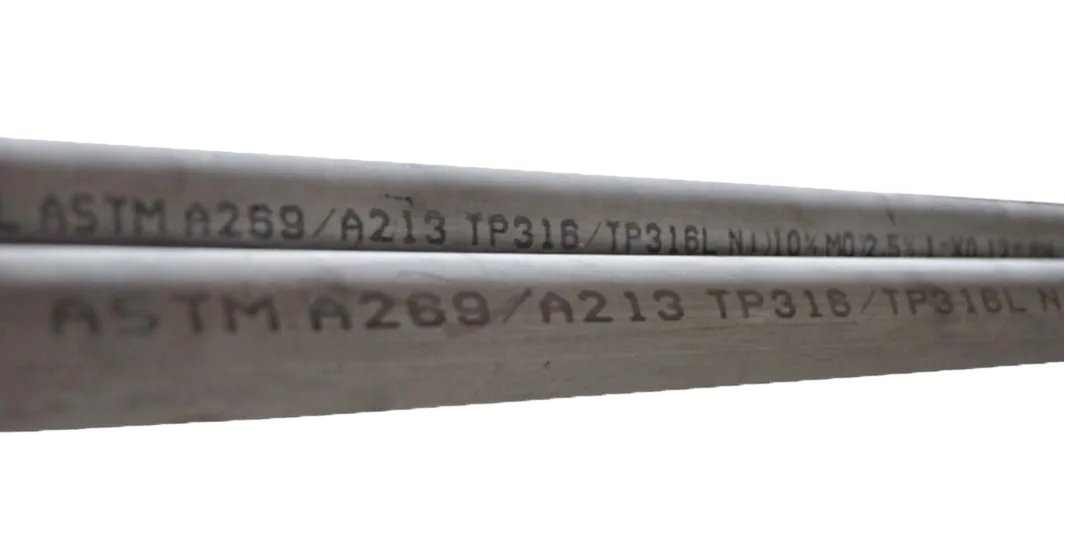
  • ASTM A213 / A312 – Seamless stainless tubes and pipes
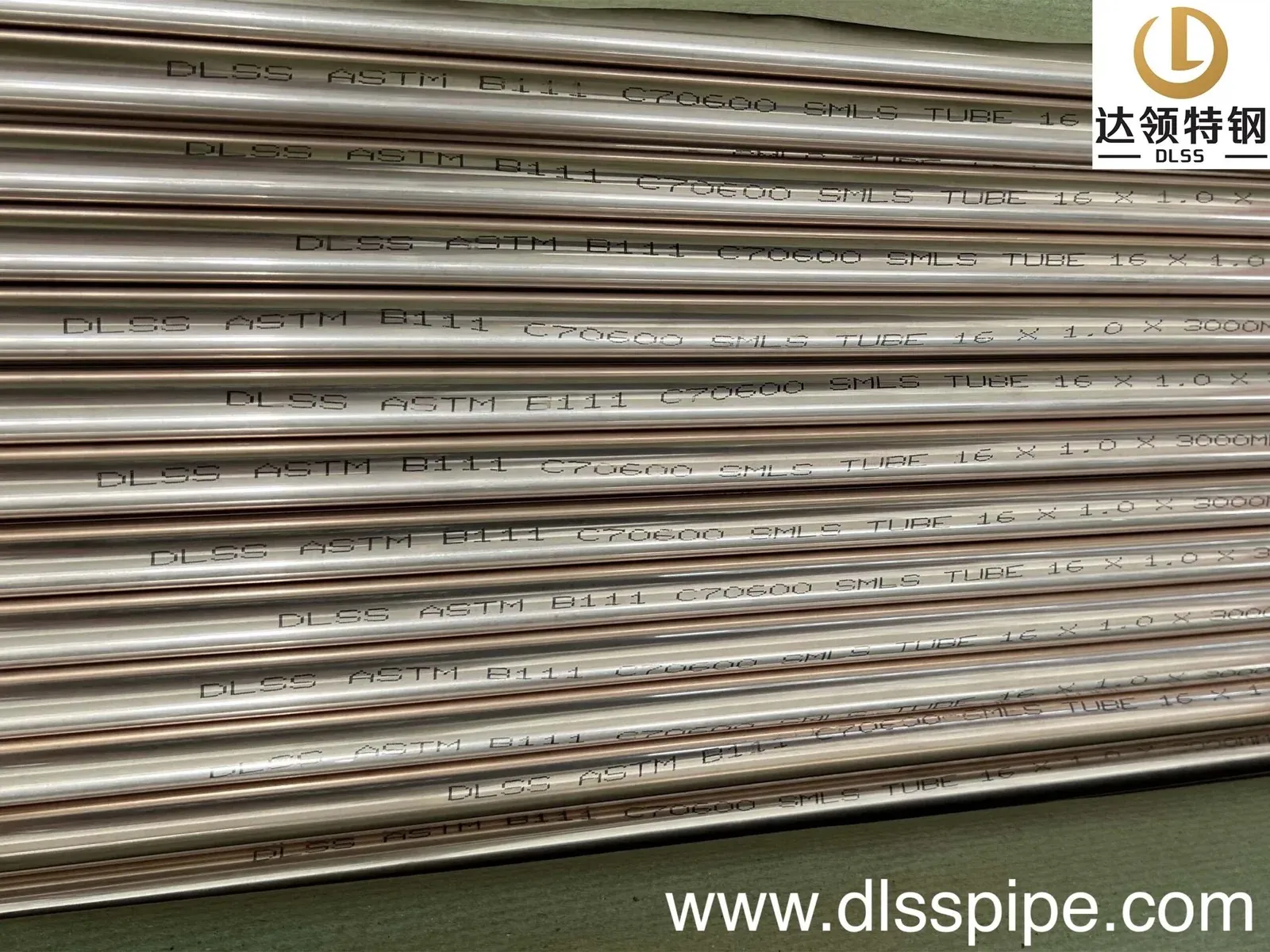
  • ASTM B111 / B423 – Non-ferrous alloy tubes (e.g. Admiralty Brass, Incoloy 825)
  • API 5L – Line pipes for transportation of oil, gas, water
  • ASME B31.3 – Process piping in refineries and gas plants
  • NACE MR0175 / ISO 15156 – Material requirements for H₂S-containing environments

Top Pipe Materials Used in Oil & Gas

Here’s a breakdown of the most popular and reliable pipe materials across oil & gas operations:

1. TP316L (UNS S31603)

  • Excellent general corrosion resistance
  • Widely used in offshore platforms, separators, process lines
  • Low carbon version reduces risk of weld decay

2. TP321 / TP347H

  • Stabilized grades for high-temperature service
  • Ideal for heater coils, reformer tubes, and thermal systems

3. Incoloy 825 (UNS N08825)

  • Superior resistance to acids and chlorides
  • Used in sour gas service, especially where H₂S and CO₂ are present
  • NACE MR0175 compliant

4. Duplex Stainless Steel (S31803 / S32750)

  • Double the yield strength of 316L
  • Resistant to chloride pitting and stress corrosion
  • Ideal for subsea, seawater injection, risers

5. Admiralty Brass (C44300)

  • Used in condensers and oil refinery cooling systems
  • Combines cost-effectiveness with corrosion resistance

Application Examples Across Oil & Gas Segments

SegmentApplicationMaterial Suggestion
UpstreamOffshore risers, separators, wellheadsS32750, Incoloy 825, TP316L
MidstreamGathering lines, compressor stationsAPI 5L X52, Duplex, A106 Gr B
DownstreamRefinery heaters, process pipingTP321, TP347H, Alloy 825
LNG TerminalsLow-temp cryogenic linesTP304L, A333 Gr 6, Inox alloys
Gas FieldsSour service pipelinesNACE-compliant Duplex, 825

How DLSS Supports the Oil & Gas Sector

DLSS provides full-range piping solutions that meet the exacting requirements of oil and gas projects:

  • Seamless stainless pipes from OD 6mm to 219mm
  • Grades include TP304L, TP316L, TP321, Duplex 2205, Incoloy 825
  • Pickled, BA, EP, and passivated surfaces
  • Third-party inspection available (SGS, BV, TUV)
  • Documentation: EN 10204 3.1 / 3.2, NACE certification, PMI test reports

Our project experience includes refinery upgrades in Turkey, offshore gas lines in Southeast Asia, and petrochemical plants in the Middle East.


Conclusion

The right pipe material isn’t just a technical choice—it’s a business-critical decision.

By choosing certified, tested, and appropriate piping materials, oil & gas operators can ensure system reliability, protect human safety, and extend the lifespan of critical infrastructure.

DLSS helps you meet these goals with global supply capability, strict quality standards, and a deep understanding of pipeline engineering.


Contact DLSS
Email: info@dlsspipe.com
Website: www.dlsspipeline.com

Wonderful! Share This Case:

Austenitic Stainless Steel

Duplex Stainless Steel

Nickel Alloys

▪ Incoloy Family

▪ Inconel Family

▪ Monel Family

▪ Hastelloy Family

▪ Other Special Alloys

Cobalt Alloys

Related Posts

U-Bent Stainless Steel Tubes for Heat Exchangers: Manufacturing, Standards, and Applications

U-Bent Stainless Steel Tubes for

U-bent tubes are critical components in various heat exchanger systems, especially where space-saving or directional flow change is required—such as in shell-and-tube heat exchangers, condensers, boilers, and superheaters. This article explains the manufacturing process, quality standards, and key applications of U-bent stainless steel tubes, along with how DLSS Pipeline ensures precision and reliability in every […]

Read More
offshore-oil-gas-corrosion-resistant-heat-exchanger-tubes

Corrosion-Resistant Heat Exchanger Solutions for

Offshore oil and gas platforms operate in some of the harshest environments on earth—intense humidity, salt spray, hydrogen sulfide, and high-pressure processes. These conditions make corrosion the #1 threat to heat exchanger systems and piping reliability. To reduce failures and maintenance costs, operators are turning to advanced stainless steel and duplex alloy tubes as the […]

Read More
Ultrasonic vs Eddy Current Testing: Which Is Best for Heat Exchanger Tube Inspection?

Ultrasonic vs Eddy Current Testing:

Meta Description:Understand the key differences between ultrasonic testing (UT) and eddy current testing (ECT) for stainless steel and alloy heat exchanger tubes. Learn which method is best for your application. Introduction Non-destructive testing (NDT) is essential in the manufacturing and inspection of stainless steel tubes used in critical heat exchanger systems. Among the most widely […]

Read More
Stainless steel seamless bright tube

Stainless Steel Ultra-pure Clean BA/EP

Stainless Steel Ultra-Pure Clean BA/EP Tubes for Semiconductor Applications In the high-tech world of semiconductor manufacturing, purity is everything. From the wafers to the equipment, every component must meet stringent cleanliness standards to ensure flawless performance. Among the most critical components are ultra-pure stainless steel tubes, especially those with BA (Bright Annealed) and EP (Electropolished) finishes. These tubes are widely […]

Read More
How to Accurately Measure Pipe Wall Thickness Using a Micrometer

How to Accurately Measure Pipe

In the manufacturing and inspection of metal pipes—whether stainless steel, carbon steel, or alloy—the wall thickness is a key dimensional parameter. Precise wall thickness affects mechanical strength, pressure resistance, and long-term reliability, especially in critical applications such as heat exchangers, boilers, and petrochemical piping systems. One of the most accurate methods for determining wall thickness […]

Read More
Why Duplex Stainless Steel Tubes Are Ideal for South America's Offshore Oil & Gas Projects

Why Duplex Stainless Steel Tubes

Meta Description:Explore how duplex stainless steel tubes meet the demands of South America’s offshore energy sector. Learn about corrosion resistance, mechanical strength, and NACE compliance in deep-sea environments. Introduction From Brazil’s pre-salt fields to Colombia’s coastal gas terminals, offshore exploration in South America is pushing engineering materials to the limit. The tubes used in these […]

Read More

Disadvantages of Copper Tubes in

Copper tubes have been widely used in heat exchangers for decades, thanks to their excellent thermal conductivity and workability. However, as industries evolve and system requirements become more demanding, copper tubes are facing several limitations in terms of performance, durability, and lifecycle cost. In this blog, we’ll explore the main disadvantages of copper tubes in heat exchangers—and […]

Read More
ASTM B163 Incoloy 825 (UNS N08825) Seamless Tube – 25.4 × 2.11 × 5555 mm, Bright Annealed Surface

ASTM A213/ASME SA213 TP321 (1.4541)

Product Overview: ASTM A213/ASME SA213 TP321 Seamless Tube (1.4541) The ASTM A213/ASME SA213 TP321 (1.4541) seamless tube is a high-performance, austenitic stainless steel tube designed for critical applications in heat exchangers and other high-temperature, high-stress systems. Known for its excellent corrosion resistance, especially against sulfuric and nitric acids, and its ability to withstand oxidation in continuous service […]

Read More

Request A Quote

*We respect your confidentiality and all information are protected.