TP321 Heat Exchanger Tubes for High-Temperature Japanese Applications – 日本高温用途向けTP321熱交換器チューブ

DLSS - Market Insights – Japan - TP321 Heat Exchanger Tubes for High-Temperature Japanese Applications – 日本高温用途向けTP321熱交換器チューブ

Introduction

Japanese industries such as power generation, petrochemicals, and marine engineering often require high-temperature-resistant stainless steel tubes. TP321 heat exchanger tubes from DLSS meet JIS G3463 – Stainless Steel Boiler and Heat Exchanger Tubes, providing exceptional stability against oxidation and creep at elevated temperatures.


1. Why TP321 for High-Temperature Applications(高温用途でTP321が選ばれる理由)

  • Titanium Stabilization – prevents carbide precipitation during prolonged heating
  • Superior Oxidation Resistance – withstands up to 870°C continuous service
  • Creep Strength – ideal for boilers, superheaters, and high-pressure heat exchangers

2. JIS-Compliant Manufacturing for Japan(日本規格準拠の製造)

DLSS produces JIS-certified TP321 tubes with:

  • Precise wall thickness control (±10%)
  • 100% non-destructive testing (NDT)
  • Mill Test Certificates showing chemical & mechanical compliance

3. Common Applications in Japan(日本での主な用途)

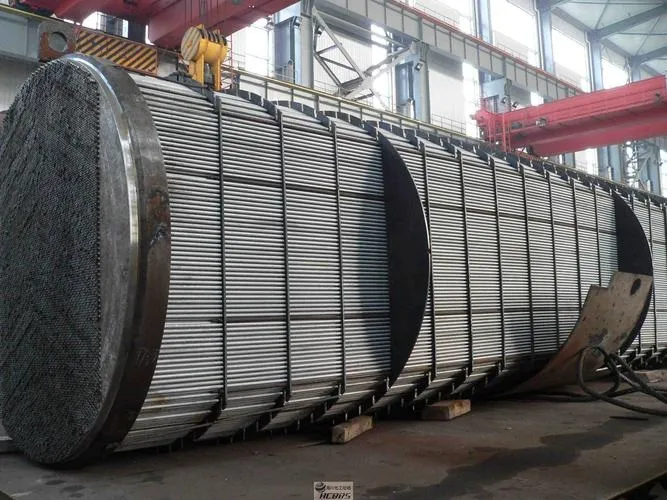
  • High-temperature heat exchangers in thermal power plants
  • Waste heat recovery systems
  • Petrochemical process heaters
  • Marine exhaust gas boilers

4. Packaging & Export(梱包と輸出)

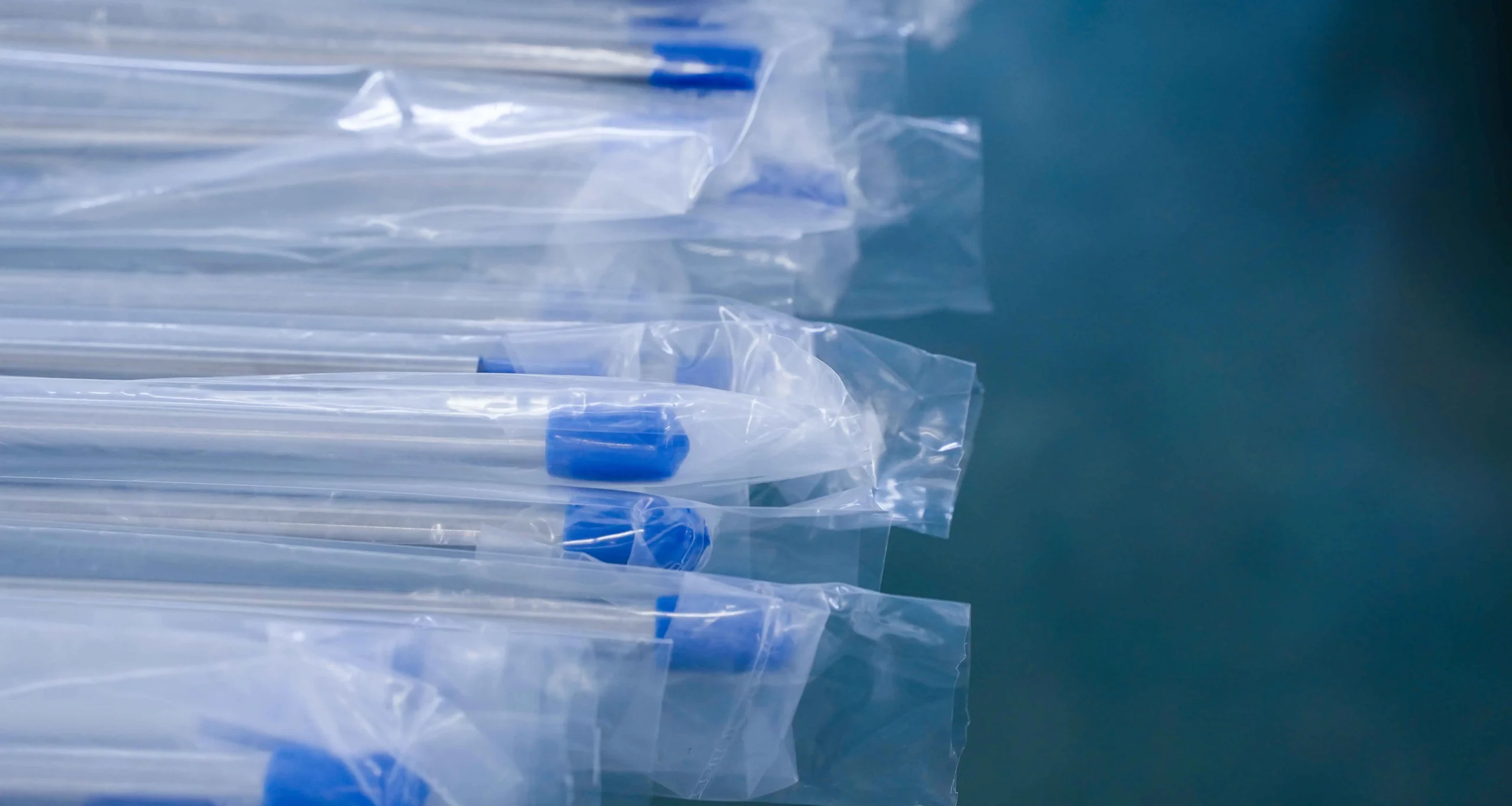
We ensure TP321 tubes arrive in perfect condition through:


5. DLSS Advantages for Japanese Clients(日本向けDLSSの強み)

  • Over 30 years of manufacturing expertise
  • Flexible production for small or large batch orders
  • Close cooperation with Japanese EPC contractors and plant owners

FAQ(よくある質問)

Q1: Which JIS standard applies to TP321 heat exchanger tubes?
A1: JIS G3463 – Stainless Steel Boiler and Heat Exchanger Tubes is the primary standard.

Q2: What’s the main difference between TP321 and TP304 for heat exchanger use?
A2: TP321 contains titanium, which enhances resistance to intergranular corrosion at high temperatures.

Q3: Can DLSS provide TP321 tubes with both JIS and ASTM A213 certification?
A3: Yes, we regularly supply dual-certified tubes for global project compatibility.

Q4: What is the maximum service temperature for TP321 tubes?
A4: Continuous service up to 870°C, intermittent service up to 925°C.

Q5: What is the typical delivery time for TP321 tubes to Japan?
A5: 40–50 days from order confirmation, depending on quantity and specifications.

Wonderful! Share This Case:

Austenitic Stainless Steel

Duplex Stainless Steel

Nickel Alloys

▪ Incoloy Family

▪ Inconel Family

▪ Monel Family

▪ Hastelloy Family

▪ Other Special Alloys

Cobalt Alloys

Related Posts

Asia-Pacific Leads the Global Stainless Steel Seamless Tube Market: Trends and Opportunities Ahead

Asia-Pacific Leads the Global Stainless

Asia-Pacific (APAC) is not just the largest stainless steel seamless tube market—it’s the fastest-growing. Fueled by industrialization, infrastructure investment, and regional manufacturing dominance, APAC accounts for over 40% of global market share and is projected to grow steadily at 7.3%+ CAGR through 2030. For manufacturers, EPC contractors, and material buyers, understanding this region’s growth dynamics […]

Read More
Material Selection for Seawater-Cooled Heat Exchangers: What Engineers Must Consider

Heat Exchanger Tube Demand to

The global heat exchanger market is heating up—literally and economically. With rising demand for energy efficiency, industrial process optimization, and sustainable thermal management, stainless steel heat exchanger tubes are becoming a critical infrastructure material across multiple industries. Recent industry research forecasts a compound annual growth rate (CAGR) of 9.5% through 2032 for the heat exchanger […]

Read More
How to Select the Right Stainless Steel Seamless Pipe for Projects in South America

Why High-Performance Grades Like 904L,

As industrial applications become more extreme—whether due to high chloride content, elevated temperatures, or corrosive media—the demand for high-alloy stainless steel seamless tubes is rising sharply. Materials such as 904L, 2205 duplex, and 2507 super duplex are seeing significant adoption across oil & gas, chemical processing, desalination, and offshore energy sectors. According to recent reports, […]

Read More
Nickel Alloy Steel Seamless Pipes and Tubes: Industrial Advantages and Applications

Nickel Alloy Steel Seamless Pipes

Introduction Nickel alloy steel seamless pipes and tubes are essential materials in demanding industries where components must withstand extreme temperatures, corrosive chemicals, and high pressure. Their seamless structure combined with the superior characteristics of nickel-based alloys makes them the material of choice for chemical processing, petrochemical, marine, power generation, and LNG applications. Nickel-based alloys are […]

Read More
Stainless Steel Tubes for Desalination Plants: What You Need to Know

Stainless Steel Tubes for Desalination

Meta Description:Explore why stainless steel tubes are essential in desalination plants. Understand material selection, corrosion resistance, and DLSS’s tubing solutions for seawater applications. Introduction As global freshwater demand surges, desalination—the process of turning seawater into potable water—is expanding rapidly. But desalination environments are among the most corrosive and challenging in industrial processing. To withstand high […]

Read More
ASTM B163 Incoloy 825 (UNS N08825) Seamless Tube – 25.4 × 2.11 × 5555 mm, Bright Annealed Surface

ASTM B163 Incoloy 825 (UNS

Product Details Chemical Composition of Incoloy 825 (UNS N08825) Element Composition (%) Nickel (Ni) 38.0 – 46.0 Chromium (Cr) 19.5 – 23.5 Iron (Fe) Balance Molybdenum (Mo) 2.5 – 3.5 Copper (Cu) 1.5 – 3.0 Titanium (Ti) 0.6 – 1.2 Carbon (C) ≤ 0.05 Incoloy 825 is a nickel-iron-chromium alloy with added molybdenum, copper, and titanium for enhanced corrosion […]

Read More
In‑Depth Guide to Finned Tubes: Why They’re Trending in 2025

In‑Depth Guide to Finned Tubes:

Meta Description:Explore why finned tubes are dominating the heat exchanger tubing market in 2025. Learn about materials, applications, design tips, and best practices for selecting high-efficiency finned tubing. Overview & Industry Outlook Finned tubes are rapidly gaining attention in 2025 due to their unmatched ability to enhance thermal transfer efficiency in compact spaces. According to […]

Read More
Why Japanese Heat Exchanger Manufacturers Prefer TP316L Tubes(日本の熱交換器メーカーがTP316Lチューブを選ぶ理由)

Why Japanese Heat Exchanger Manufacturers

1. Introduction TP316L heat exchanger tube Japan is the top choice for many 日本の熱交換器メーカー (Japanese heat exchanger manufacturers) that require exceptional corrosion resistance, precise dimensions, and long service life. Whether for 海水淡水化プラント (seawater desalination plants), chemical processing, or power generation, TP316L delivers consistent performance in Japan’s demanding industrial environments. 2. Material Properties of TP316L Stainless […]

Read More

Request A Quote

*We respect your confidentiality and all information are protected.