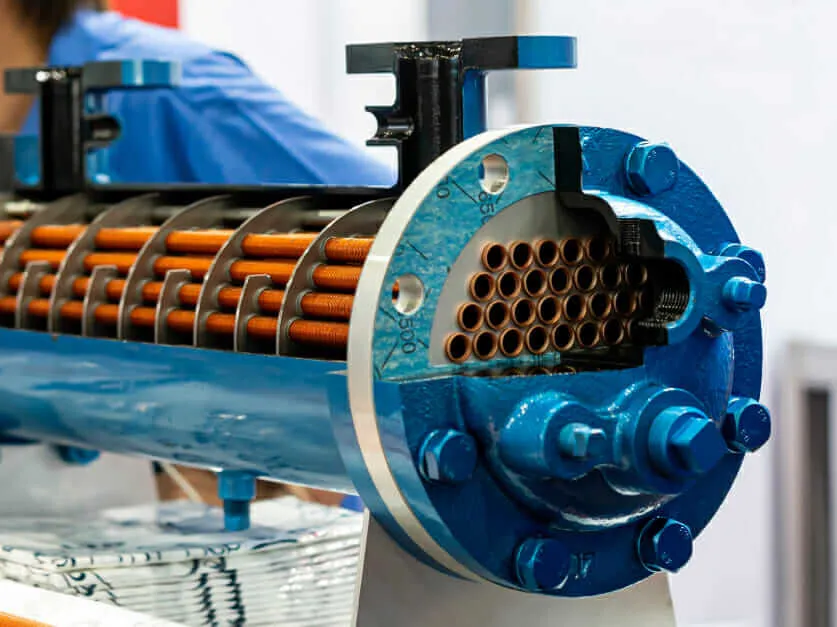
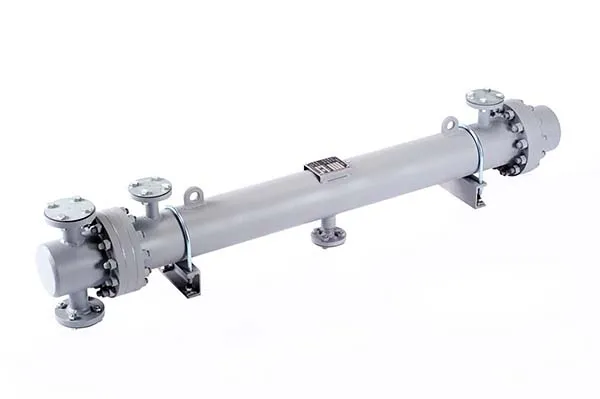
Understanding ASTM A213 – Seamless Tubes for Heat Exchangers and Boilers

DLSS - Pipe&Tube - Understanding ASTM A213 – Seamless Tubes for Heat Exchangers and Boilers

Meta Description:
Learn everything about ASTM A213: scope, material grades, dimensional tolerances, mechanical properties, and test methods. Ideal for engineers, buyers, and project managers working with heat exchanger and boiler tubing.


Introduction

ASTM A213 is one of the most critical international standards for seamless ferritic and austenitic alloy steel tubes, especially those used in boilers, superheaters, and heat exchangers. If your project involves high-temperature or high-pressure tubing, understanding this standard is essential.

This guide offers a detailed overview of ASTM A213, including its scope, covered grades, mechanical properties, testing requirements, and how DLSS ensures full compliance.


1. What Is ASTM A213?

ASTM A213 is a specification developed by ASTM International for seamless tubes intended for:

  • Heat exchangers
  • Superheaters
  • Boiler tubing

The standard covers both:

  • Ferritic grades (like T11, T22, T91)
  • Austenitic grades (like TP304, TP316, TP321, TP347)

Reference: ASTM Official A213 Document


2. Common Material Grades in ASTM A213

Austenitic Stainless Steel Grades

GradeUNS No.Key Properties
TP304S30400Good general corrosion resistance
TP304LS30403Low carbon for better weldability
TP316S31600Molybdenum for chloride resistance
TP316LS31603Low carbon variant of TP316
TP321S32100Stabilized with titanium
TP347S34700Stabilized with niobium
TP310SS31008High temp oxidation resistance

Ferritic Alloy Steel Grades

GradeUNS No.Key Use Case
T11K11597Power plant tubes
T22K21590High-temp, medium pressure systems
T91K91560Advanced high-temp steam applications

3. Key Requirements of ASTM A213

3.1. Chemical Composition

Each grade must meet strict limits on:

  • Cr, Ni, Mo, C, N, Ti, Nb
  • Ensures corrosion and oxidation resistance under high temperature

3.2. Mechanical Properties

Typical values for TP316L:

  • Tensile strength ≥ 485 MPa
  • Yield strength ≥ 170 MPa
  • Elongation ≥ 35%

3.3. Dimensional Tolerances

  • OD tolerance: ±0.79 mm (for OD ≤ 38.1 mm)
  • WT tolerance: ±10%
  • Lengths: Random, fixed, or cut-to-length as agreed

3.4. Surface Finish

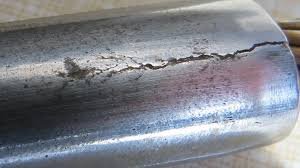
  • Must be free from scale, cracks, and other defects
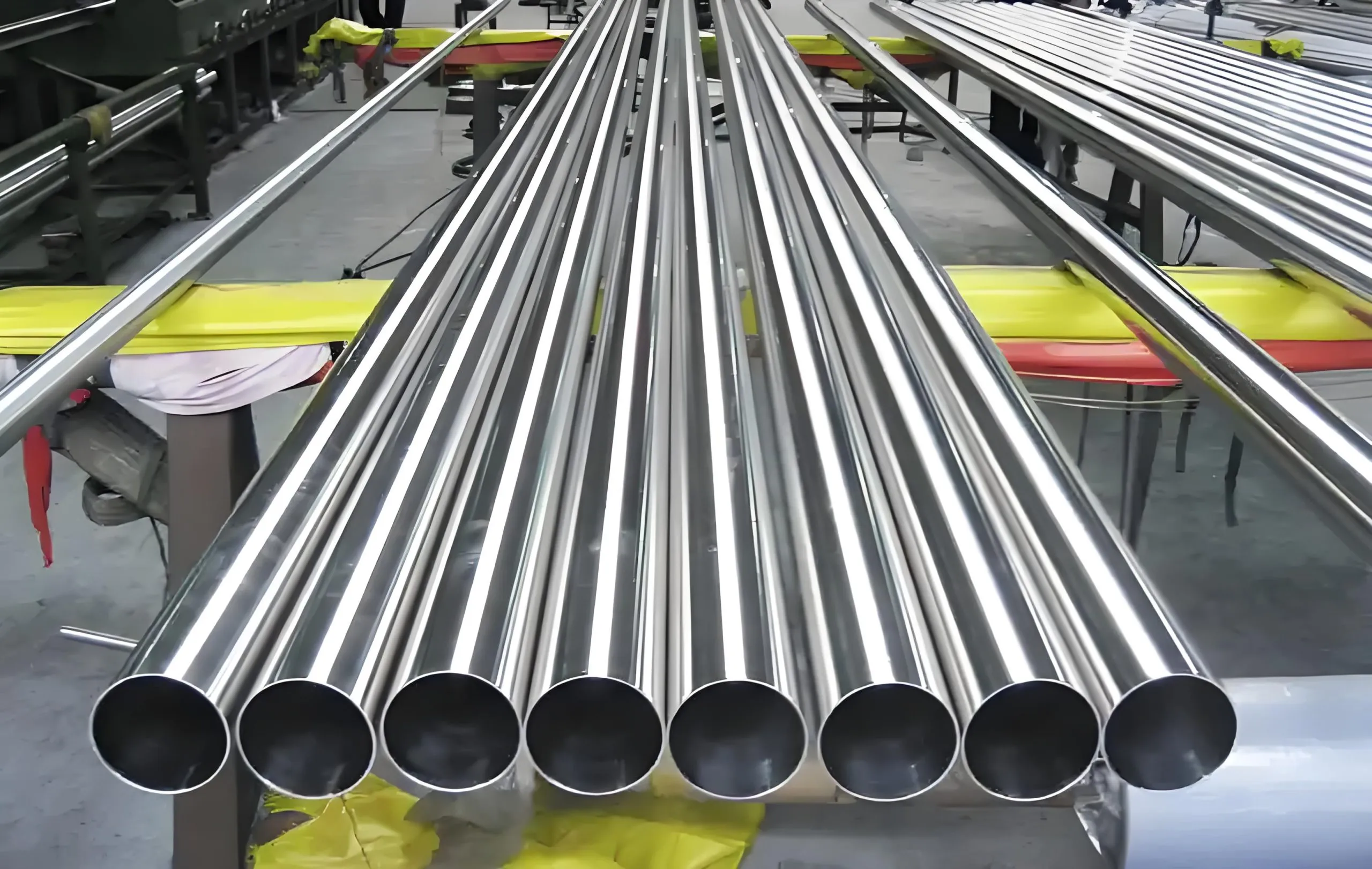
  • Pickled, bright annealed, or mechanically polished

4. Testing Methods

Required by ASTM A213:

Test NamePurpose
Flattening TestEvaluate ductility and weld seam strength
Hardness TestFor grades with specified limits (e.g. TP304L ≤ 90 HRB)
Hydrostatic TestEnsures no leakage under pressure
Nondestructive TestEddy current or ultrasonic (per E213, E426)
Grain Size TestAustenitic grades: ASTM No. 5 or finer
PMI (Optional)Confirms material composition

5. Marking and Certification

Tubes must be clearly marked with:

  • Grade (e.g., TP316L)
  • Heat number
  • Size and schedule
  • DLSS brand or client logo (optional)
  • Standard designation (ASTM A213)

Certifications:

  • EN 10204 3.1 / 3.2 MTCs
  • Additional test reports (IGC, Ra, PMI, NDT) upon request

6. DLSS Compliance & Capabilities

DLSS manufactures stainless steel tubes strictly to ASTM A213 using:

  • Controlled cold drawing and bright annealing
  • Full NDT, mechanical, and chemical testing
  • Tight dimensional control for heat exchanger bundle fitting
  • Tube sizes: OD 6–89 mm, WT 0.5–6 mm
  • Surface: BA, Pickled, Polished, EP

We also supply U-tubes and fin tubes made from ASTM A213-compliant material.


FAQs

Q1: Can ASTM A213 tubes be used for seawater applications?
Only certain grades like TP316L, TP904L, or duplex grades should be used due to chloride exposure.

Q2: Are the tubes pressure-rated?
Yes, hydro testing is mandatory unless otherwise specified.

Q3: Is surface Ra required for all ASTM A213 tubes?
Not required by default, but DLSS provides Ra test results for food, pharma, or EP tubes.

Q4: Can you provide tubes with U-bends?
Yes. DLSS supplies U-bent tubes per ASTM A213 + TEMA R / ASTM A556.


Conclusion

ASTM A213 is a comprehensive and demanding standard governing the production of seamless tubes for high-pressure, high-temperature applications. DLSS manufactures and certifies all products in full compliance with ASTM A213, offering high-quality solutions for heat exchangers, boilers, and industrial systems.


Contact DLSS
Email: info@dlsspipe.com
Website: www.dlsspipeline.com

Need ASTM A213-certified tubes for your next project? Contact us for instant support, mill test certificates, and competitive pricing.

Wonderful! Share This Case:

Austenitic Stainless Steel

Duplex Stainless Steel

Nickel Alloys

▪ Incoloy Family

▪ Inconel Family

▪ Monel Family

▪ Hastelloy Family

▪ Other Special Alloys

Cobalt Alloys

Related Posts

Electropolished vs Mechanically Polished Tubes: What’s Best for Hygienic Applications?

Electropolished vs Mechanically Polished Tubes:

Meta Description:Discover the key differences between electropolished (EP) and mechanically polished (MP) stainless steel tubes. Learn which surface finish is better for food, beverage, and pharmaceutical use in Latin America. Introduction In sanitary applications, cleanability is critical. Whether you’re building a milk pasteurizer in Brazil or a pharmaceutical system in Colombia, the inner surface of […]

Read More
Tuberías de Acero Inoxidable para Plantas de GNL en Perú y Colombia

Tuberías de Acero Inoxidable para

Meta descripción:Las plantas de GNL en Sudamérica exigen materiales con alta resistencia a presión, temperatura y corrosión. Descubra qué tuberías inoxidables son ideales para proyectos en Perú y Colombia. Introducción Perú y Colombia se están posicionando como centros estratégicos de exportación y distribución de GNL (Gas Natural Licuado).Con plantas como Melchorita LNG (Perú LNG) y […]

Read More
Stainless steel seamless bright tube

How DLSS Performs 100% Eddy

Meta Description:DLSS explains how 100% eddy current testing (ET) ensures the quality and reliability of seamless stainless steel tubes. Learn about standards, test principles, and defect detection. Introduction In critical industries like heat exchangers, petrochemicals, boilers, and nuclear power, the demand for defect-free stainless steel tubing is non-negotiable. One of the most reliable non-destructive testing […]

Read More
Inconel 625 Seamless Tubes: Ultimate Solution for Corrosion and High-Temperature Performance

Inconel 625 Seamless Tubes: Ultimate

Introduction Inconel 625 seamless tubes are high-performance nickel-chromium-molybdenum-niobium alloys known for their extraordinary strength, thermal stability, and corrosion resistance. These tubes are widely used in marine environments, offshore oil & gas platforms, nuclear systems, and chemical process plants, especially where chloride-induced pitting, stress corrosion cracking, or elevated temperatures are major concerns. See: Inconel – Wikipedia […]

Read More
Top 10 Applications of Stainless Steel Tubes in the Oil & Gas Industry

Top 10 Applications of Stainless

Meta Description:Explore the top 10 critical applications of stainless steel tubes in the oil & gas industry. Learn how DLSS tubes perform under high pressure, corrosion, and extreme conditions. Introduction The oil and gas industry operates under extreme conditions—high pressure, corrosive environments, and fluctuating temperatures. To ensure safety and durability, stainless steel tubes are essential […]

Read More

Welded vs. Seamless Tubes: Which

Choosing between welded and seamless tubes can impact your heat exchanger’s performance, durability, and cost. While both have their place, understanding their differences helps engineers and purchasers make informed decisions. In this blog, we compare these two types of stainless steel tubes and highlight where each one excels. 1. Manufacturing Process This difference affects the structural integrity and mechanical […]

Read More
Why Duplex Stainless Steel Tubes Are Ideal for South America's Offshore Oil & Gas Projects

Why Duplex Stainless Steel Tubes

Meta Description:Explore how duplex stainless steel tubes meet the demands of South America’s offshore energy sector. Learn about corrosion resistance, mechanical strength, and NACE compliance in deep-sea environments. Introduction From Brazil’s pre-salt fields to Colombia’s coastal gas terminals, offshore exploration in South America is pushing engineering materials to the limit. The tubes used in these […]

Read More
How to Interpret a Stainless Steel Mill Test Certificate (MTC)

How to Interpret a Stainless

Meta Description:Learn how to read and understand a stainless steel Mill Test Certificate (MTC). This guide explains MTC format, content, EN 10204 types, and what to verify before accepting a shipment. Introduction A Mill Test Certificate (MTC), also known as a Material Test Report (MTR), is a quality assurance document provided by the manufacturer. It […]

Read More

Request A Quote

*We respect your confidentiality and all information are protected.