How to Select the Right Stainless Steel Tube for Corrosive Environments – A Practical Guide

DLSS - Tubes For Heat Exchanger - How to Select the Right Stainless Steel Tube for Corrosive Environments – A Practical Guide

Meta Description:
Learn how to choose the best stainless steel tube for corrosive environments. Explore material selection, corrosion types, industry standards, and real-world applications.


Introduction

Corrosive environments are among the most demanding settings for stainless steel tubing. Choosing the wrong grade can lead to pitting, cracking, or total system failure—costing both time and money.

This practical guide from DLSS helps engineers and procurement specialists select the most appropriate stainless steel tube for various corrosive conditions, including chlorides, acids, marine atmospheres, and sour gas environments.


1. Identify the Type of Corrosion Risk

Corrosion TypeCharacteristicsCommon Environments
Pitting CorrosionLocalized holes due to chloridesSeawater, desalination, cleaning chemicals
Crevice CorrosionOccurs in tight gaps under low oxygenHeat exchanger joints, gaskets
Stress Corrosion Cracking (SCC)Cracks under tensile stress + corrosionSteam lines, high-temp chloride service
Intergranular CorrosionAlong grain boundaries after weldingImproperly stabilized grades
General CorrosionUniform attackAcid tanks, pickling lines

Related guide: Outokumpu Corrosion Handbook (PDF)


2. Compare Common Stainless Grades for Corrosion Resistance

GradeCorrosion StrengthKey Use Cases
304/304LModerate (non-chloride)Water lines, food-grade environments
316/316LGood (chlorides < 100 ppm)Marine, food processing, pharma
317LHigher chloride resistanceChemical tanks, coastal HVAC
904LExcellent in acids + chloridesAcid plants, pulp mills
Duplex 2205Superior strength + SCC resistanceOffshore, pressure vessels
Alloy 625Extreme acid/chloride resistanceChemical reactors, sour gas

Check composition reference: Atlas Steels Technical Handbook


3. Key Selection Criteria

a) Chloride Levels

  • <100 ppm: TP316L is sufficient
  • 100–500 ppm: TP317L, 904L, or Duplex 2205
  • 500 ppm: 254SMO, Alloy 625, or titanium alloys

b) Temperature

  • Elevated temperatures accelerate corrosion
  • TP321, TP347, and high-nickel alloys resist high-temp degradation

c) Weldability & Fabrication

  • L-grades reduce carbide precipitation during welding
  • Duplex requires controlled welding parameters to avoid phase imbalance

d) Design Life Expectations

  • Assess LCC (Life Cycle Cost) rather than just unit price
  • Better material upfront = lower maintenance, fewer shutdowns

4. DLSS Tube Offerings for Corrosive Conditions

MaterialTypical FormCertifications Available
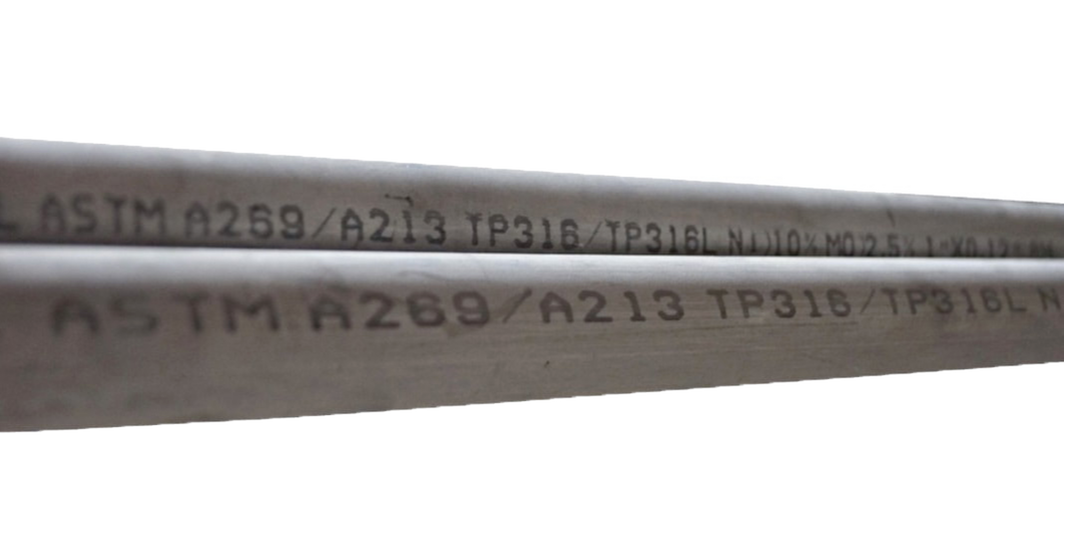
TP316L / TP317LSeamless / BA / U-bendASTM A213 / EN 10216-5 / PED
904L / 1.4539Seamless + Bright AnnealedNACE MR0175 / ISO 15156
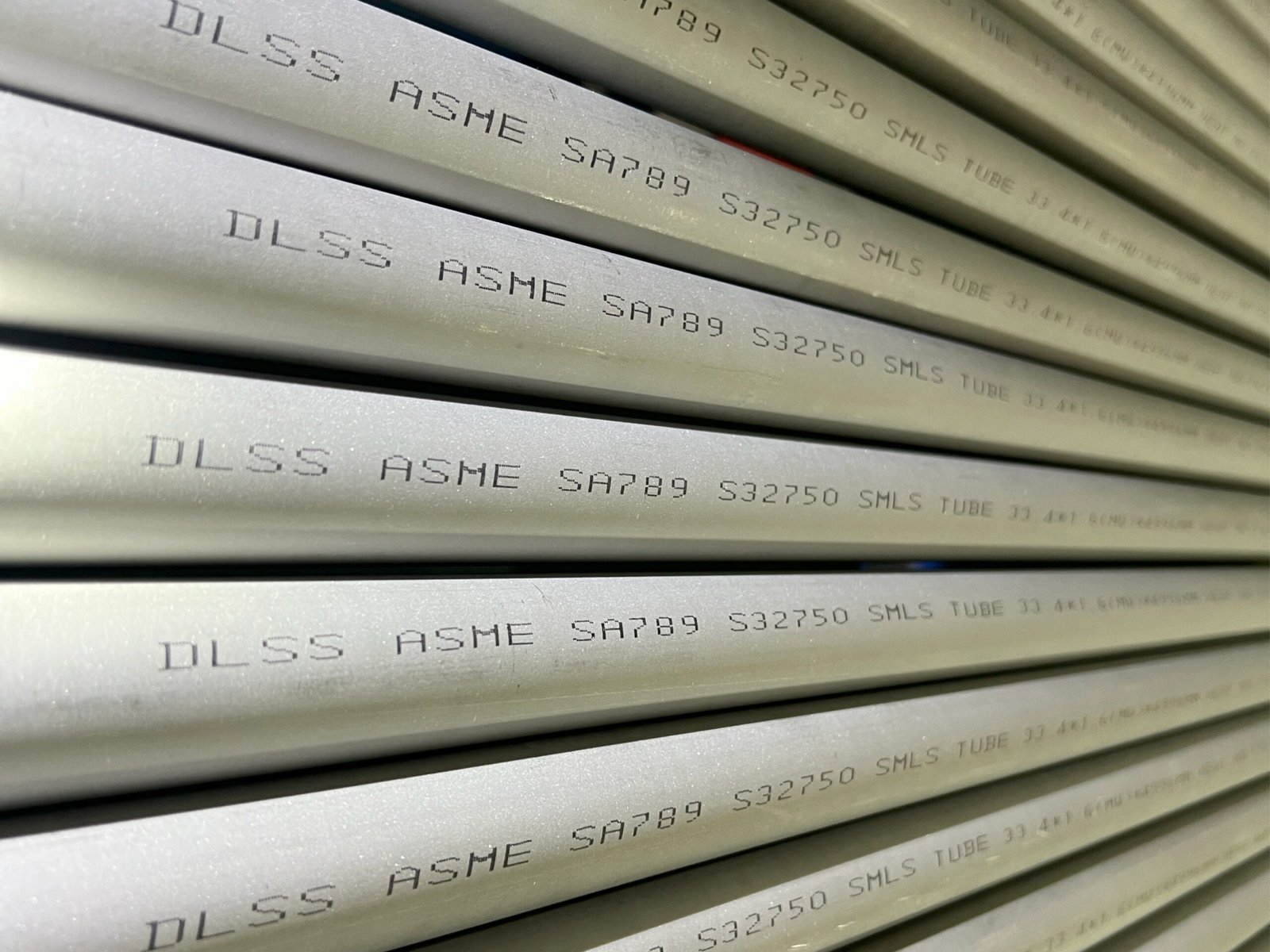
Duplex 2205 / 2507Annealed + pickledASME SA789 / 3.1 / 3.2 MTC
Alloy 625 / 825Seamless tube or coilASTM B444 / B163 / AD2000-W0

Full chemical and mechanical data sheets available at www.dlsspipeline.com


5. Real-World Examples

Marine Desalination Plant – Middle East

  • Grade: TP316L
  • Application: Seawater pre-treatment
  • Result: Replaced TP304 due to pitting, extended lifespan by 5+ years

Acid Storage Tank Lines – South America

  • Grade: 904L
  • Fluid: Diluted sulfuric acid
  • Result: 10-year corrosion-free operation, no major shutdowns

Offshore Platform – North Sea

  • Grade: Duplex 2205
  • Application: Oil/gas condensate lines
  • Result: Zero SCC over 7 years, withstands salt spray and vibration

FAQs: Corrosion-Resistant Tubing Selection

Q1: Is 316L always safe for chloride environments?
A: Not always. Above 100 ppm chloride or at high temps, 316L may pit. Consider 317L, 904L, or Duplex instead.

Q2: Which grades resist sulfuric acid best?
A: 904L, Alloy 20, and Alloy 625 are well-known for sulfuric acid resistance.

Q3: What testing is available for corrosion-sensitive tubes?
A: DLSS offers PMI, ET, IGC testing (per ASTM A262), and grain size testing for stabilized grades.

Q4: Can I get third-party certification?
A: Yes. We offer TÜV, SGS, or Lloyd’s certification on request for special projects.


Conclusion

Choosing the right stainless steel tube for a corrosive environment is a balance of material science, application conditions, and long-term value. DLSS supports clients with expert consultation, test-backed material quality, and global delivery of corrosion-resistant tubing.


Contact DLSS
Email: info@dlsspipe.com
Website: www.dlsspipeline.com

Still unsure which alloy fits your corrosive service? Contact DLSS for a corrosion risk evaluation, datasheet package, and quote.

Wonderful! Share This Case:

Austenitic Stainless Steel

Duplex Stainless Steel

Nickel Alloys

▪ Incoloy Family

▪ Inconel Family

▪ Monel Family

▪ Hastelloy Family

▪ Other Special Alloys

Cobalt Alloys

Related Posts

Heat Exchanger Maintenance Checklist: How to Extend Equipment Life and Improve Performance

Heat Exchanger Maintenance Checklist: How

1. Introduction – Heat Exchanger Maintenance Checklist Following a structured heat exchanger maintenance checklist is the most effective way to keep your equipment running efficiently, avoid costly breakdowns, and extend service life. Whether you operate a shell and tube heat exchanger, a plate heat exchanger, or an air-cooled model, regular preventive maintenance ensures consistent heat […]

Read More
How to Select the Right Stainless Steel Tubes for Heat Exchangers: A Complete Guide for Engineers

How to Select the Right

Choosing the right tubing material is crucial for designing a high-performance heat exchanger. Whether you work in oil & gas, petrochemicals, power generation, food processing, or marine applications, the stainless steel tube you select can significantly impact corrosion resistance, thermal conductivity, and lifecycle cost. In this guide, we explore how to choose the right stainless […]

Read More
Europe’s Stainless Steel Tube Market: Compliance-Driven Demand and Strategic Opportunities

Europe’s Stainless Steel Tube Market:

Europe is one of the most regulated and compliance-focused markets in the world for stainless steel seamless tubes—especially for heat exchangers, pharma-grade piping, and energy infrastructure. With stringent requirements for traceability, environmental certification, and dual material standards, suppliers must demonstrate not only high product quality but also full alignment with EU directives. In this blog, […]

Read More

5 Common Causes of Tube

Heat exchanger tube failure can lead to system shutdowns, costly repairs, and even safety risks. Understanding the causes can help prevent future problems. In this article, we’ll cover the 5 most common reasons tubes fail—and how choosing the right materials and surface treatment can make all the difference. 1. Pitting and Crevice Corrosion Often caused […]

Read More
Spiral Finned Tube vs Extruded Finned Tube: Which is Better for Your Project?

Spiral Finned Tube vs Extruded

When selecting spiral finned tube vs extruded finned tube for a heat exchanger, engineers must weigh performance, durability, and operating costs. Both fin types enhance heat transfer, but their differences can significantly affect long-term efficiency. If you’re new to finned tubes, start with What is a Finned Tube and How It Improves Heat Exchanger Efficiency. […]

Read More
europe-cbam-stainless-steel-export-guide

How Europe’s CBAM Is Changing

On October 1, 2023, the European Union launched its Carbon Border Adjustment Mechanism (CBAM) — a groundbreaking policy that requires importers to report the embedded carbon emissions of certain goods, including iron, steel, and stainless steel. For stainless steel pipe and heat exchanger tube exporters, this marks a new era. Quality and price are no […]

Read More
Top 5 Questions Buyers Ask About Duplex Stainless Steel Tubes

Top 5 Questions Buyers Ask

Meta Description:Explore the top five questions procurement teams and engineers ask when sourcing duplex stainless steel tubes, including corrosion resistance, welding, standards, and pricing. Introduction Duplex stainless steel tubes are widely used in offshore platforms, chemical processing, desalination plants, and heat exchanger systems, thanks to their excellent combination of mechanical strength and corrosion resistance. However, […]

Read More
How Stainless Steel Tubes Ensure Safety and Efficiency in South American Power Plants

How Stainless Steel Tubes Ensure

Meta Description:Discover how stainless steel tubes support thermal efficiency, corrosion resistance, and long-term reliability in South American power generation plants. Introduction South America’s growing energy demand is driving the expansion of both conventional and renewable power plants. Whether it’s a thermoelectric station in Brazil or a biomass facility in Chile, one common requirement persists: reliable, […]

Read More

Request A Quote

*We respect your confidentiality and all information are protected.