Understanding Electropolished (EP) Tubes – Surface Roughness, Applications, and Manufacturing

DLSS - Tubes For Heat Exchanger - Understanding Electropolished (EP) Tubes – Surface Roughness, Applications, and Manufacturing

Meta Description:
Explore what electropolished (EP) stainless steel tubes are, how they are manufactured, and why they are essential for ultra-clean applications such as pharmaceuticals, biotechnology, and semiconductors.


Introduction

In ultra-clean environments like pharmaceutical plants, biotech labs, and semiconductor fabs, the surface of a stainless steel tube must be as smooth and contamination-free as possible. This is where Electropolished (EP) tubes come in.

Electropolishing enhances the cleanability, corrosion resistance, and microbial control of stainless steel tubes—making them the standard for GMP-compliant and FDA-grade systems.


1. What is Electropolishing?

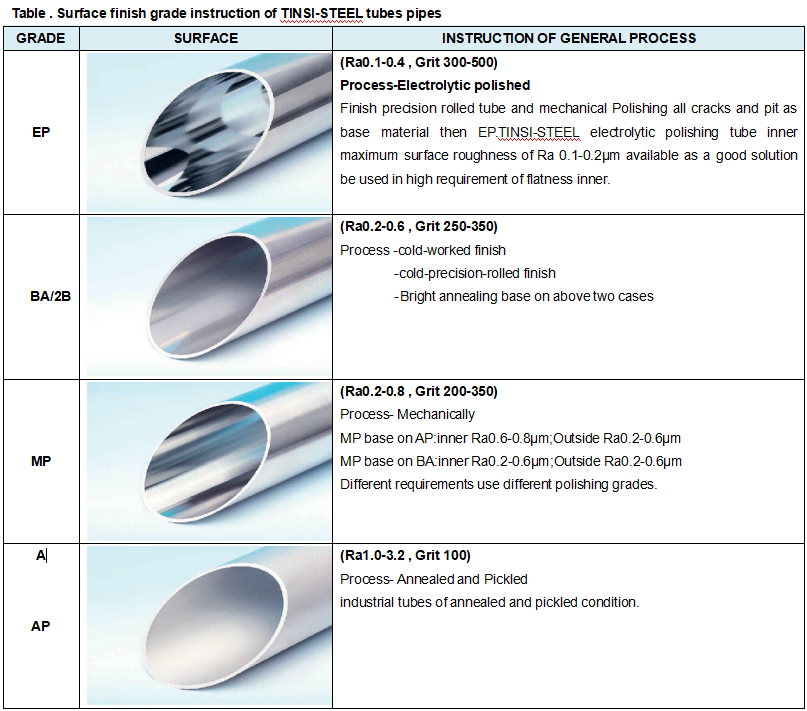
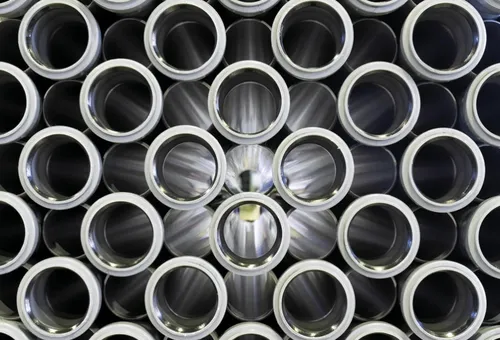
Electropolishing is an electrochemical process that removes a thin layer of material from the metal surface, resulting in a microscopically smooth, bright, and passive finish.

Key Features:

  • Ra (roughness average) can reach ≤ 0.25 µm or better
  • Eliminates micro-crevices and burrs
  • Enhances passivation and surface cleanliness
  • Reduces particle adhesion and microbial growth

Read more at: ASTM B912 – Standard Specification for Passivation by Electropolishing


2. EP Tube Manufacturing Process at DLSS

DLSS provides EP tubes through a controlled process:

  1. Tube Selection:
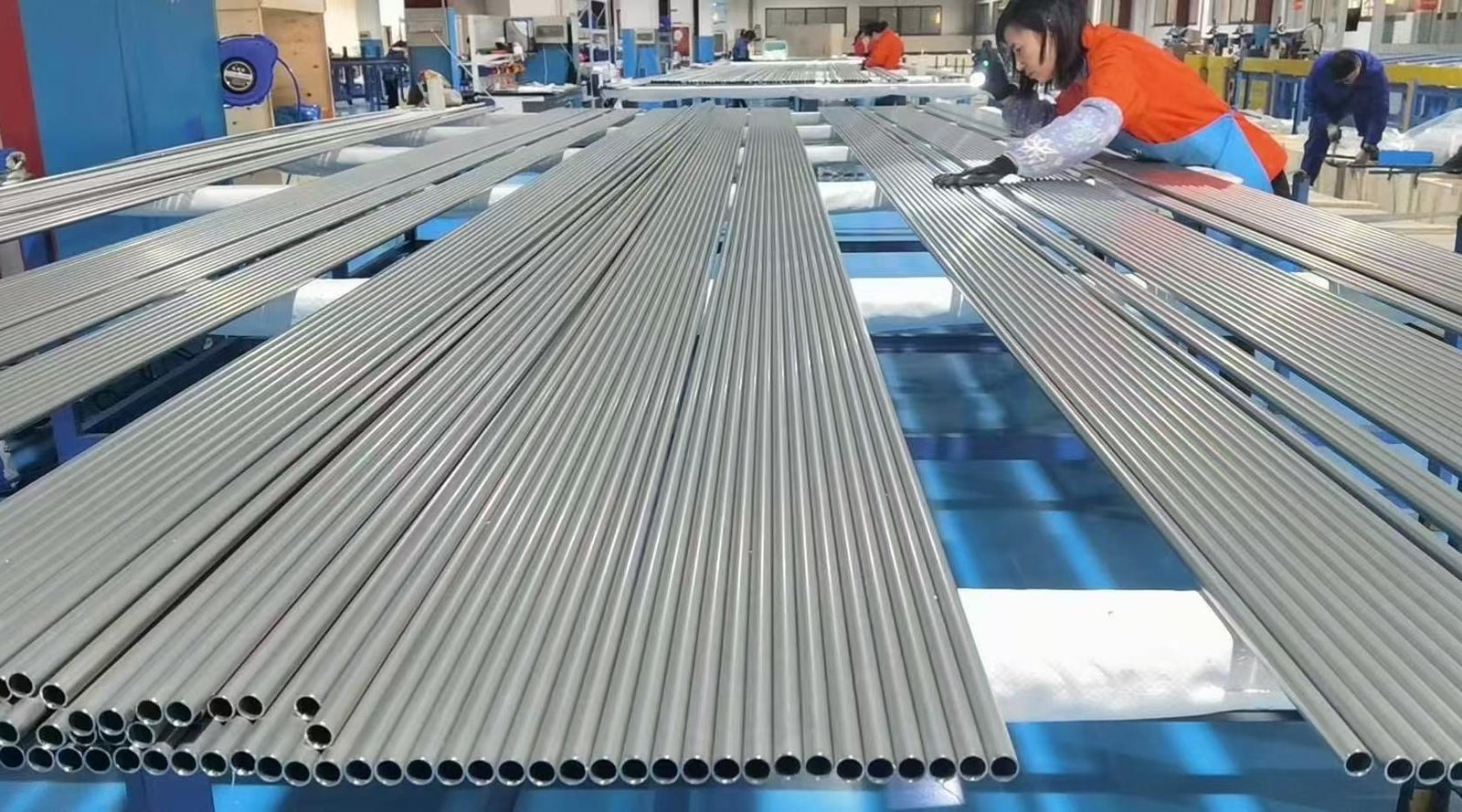
    Start with bright annealed (BA) seamless tubes made from TP316L, TP304L, or special alloys like TP316L UG, AL-6XN, or Hastelloy C-22.
  2. Surface Preparation:
    Tubes are degreased, rinsed, and inspected for surface defects.
  3. Electropolishing:
    Tubes are placed in an electrolyte bath, and a DC current is applied to dissolve surface high points.
  4. Neutralization and Passivation:
    Neutralize acid residue and create a uniform passive film using citric or nitric acid.
  5. Final Testing:
    Surface Ra inspection, visual inspection, borescope check, and optional SEM for high-purity projects.

3. Comparison: EP vs Other Finishes

FeatureElectropolished (EP)Bright Annealed (BA)Pickled
Surface Roughness (Ra)≤ 0.25 µm~0.2–0.5 µm≥ 0.5 µm
CleanabilityExcellentGoodModerate
Microbial ControlExcellentGoodLow
GMP / FDA ComplianceYesConditionalNo
AppearanceShiny, chrome-likeBright silverDull white

4. Applications of Electropolished Tubes

IndustryApplication Examples
PharmaceuticalWater for Injection (WFI), purified water loops
SemiconductorUltra-pure gas delivery systems
Food & BeverageCIP/SIP systems, sterile filling lines
BiotechnologyBioreactors, fermentation piping
Medical DevicesImplant manufacturing, cleanroom utilities

Related guide: ASME BPE Standard – Bioprocessing Equipment


5. DLSS EP Tube Capabilities

SpecificationRange / Value
Material GradesTP316L, 304L, AL-6XN, Hastelloy C-22
OD Range6 mm – 25.4 mm
Wall Thickness0.5 mm – 2 mm
Max LengthUp to 6,000 mm
Surface Roughness (Ra)≤ 0.25 µm
InspectionRa, borescope, PMI, chemical, IGC
CertificationEN 10204 3.1 / 3.2, ASTM B912, BPE

DLSS also supports custom electropolishing for U-bent tubes, EP + passivation combo, and clean packaging with nitrogen purge.


FAQs

Q1: Is EP tubing mandatory for pharmaceutical applications?
Yes, in most GMP and FDA-regulated environments. EP ensures minimal bacterial adhesion and easy sterilization.

Q2: Can DLSS certify EP tubes per ASME BPE?
Yes. Upon request, we follow BPE guidelines and provide full documentation, Ra charts, and weld qualification if needed.

Q3: What packaging is used for EP tubes?
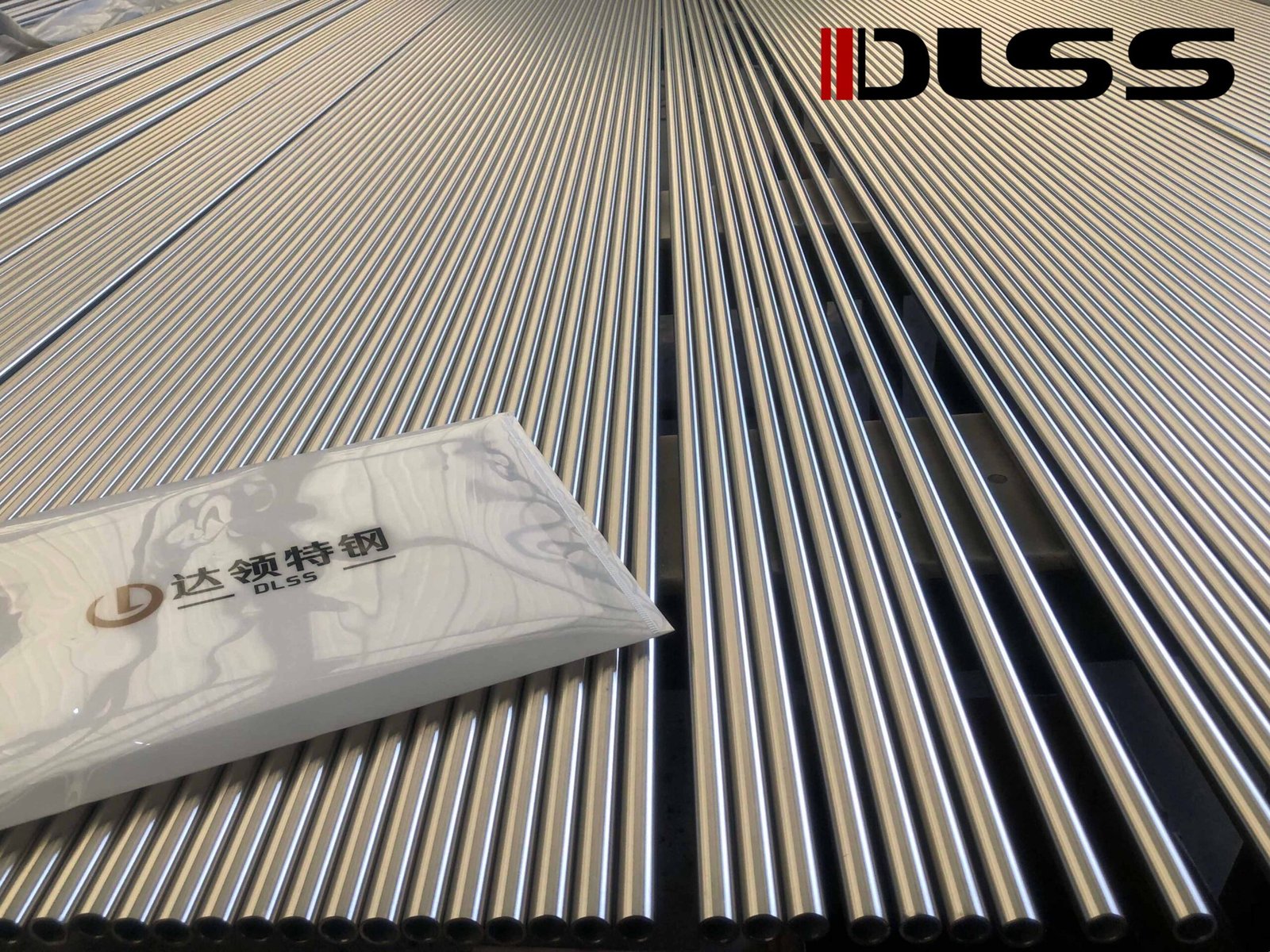
Each tube is individually packed in PE bag, end-capped, nitrogen-filled, and sealed in a clean environment.

Q4: How do you test EP quality?
DLSS tests each batch for surface roughness, performs borescope inspections, and supplies certificates and photos.


Conclusion

Electropolished tubes are essential for any system where cleanliness, corrosion resistance, and smooth internal surfaces are non-negotiable. DLSS delivers high-quality EP tubing with precision surface control, documentation, and compliance with global standards.


Contact DLSS
Email: info@dlsspipe.com
Website: www.dlsspipeline.com

Looking for pharmaceutical-grade electropolished stainless steel tubes? DLSS supports full traceability, testing, and export logistics worldwide.

Wonderful! Share This Case:

Austenitic Stainless Steel

Duplex Stainless Steel

Nickel Alloys

▪ Incoloy Family

▪ Inconel Family

▪ Monel Family

▪ Hastelloy Family

▪ Other Special Alloys

Cobalt Alloys

Related Posts

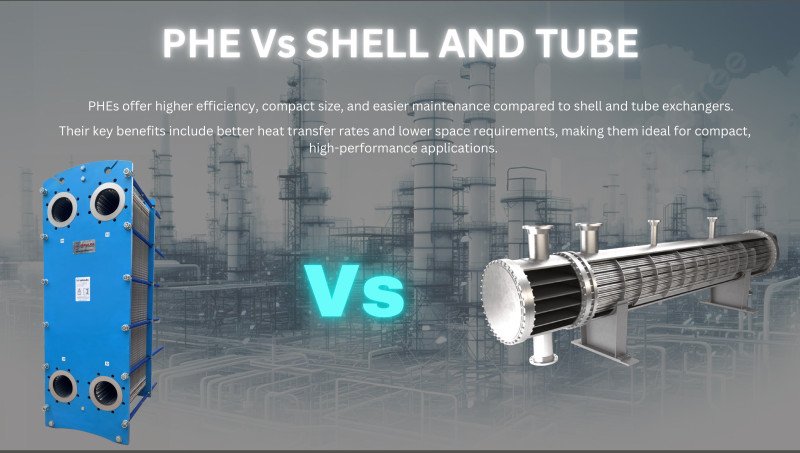
Shell and Tube Heat Exchangers vs. Plate Heat Exchangers: Which One Should You Choose?

Shell and Tube Heat Exchangers

When it comes to industrial heat transfer equipment, shell and tube heat exchangers (STHE) and plate heat exchangers (PHE) are two of the most widely used technologies. Each design offers specific advantages and limitations depending on the industry, media properties, and operational conditions. In this article, we’ll provide a professional comparison between STHE and PHE, […]

Read More

ASTM A789 S32750 Super Duplex

Meta Description: Explore how ASTM A789 S32750 Super Duplex stainless steel tubes are used in seawater condensers, offering unmatched resistance to corrosion, pitting, and stress cracking in marine environments. Introduction Seawater condenser systems operate in highly aggressive environments, constantly exposed to chloride ions and variable temperatures. Standard stainless steels like 304 or 316 often fail […]

Read More

Choosing Between 304L, 316L, and

Meta Description:Understand the differences between 304L, 316L, and 904L stainless steel tubes. Learn how to choose the right material based on corrosion resistance, cost, and application requirements. Introduction Stainless steel tube buyers often face the challenge of selecting the most suitable grade for their projects. Among the most widely specified austenitic stainless steels are: Each […]

Read More
Top Surface Finishes for Stainless Steel Tubes – BA, EP, Polished, and More

Top Surface Finishes for Stainless

Meta Description:Discover the most common surface finishes for stainless steel tubes—BA, EP, polished, pickled—and how each impacts corrosion resistance, cleanliness, and application suitability. Introduction Surface finish plays a critical role in determining the performance and aesthetics of stainless steel tubes, especially in industries like pharmaceuticals, food processing, heat exchangers, and instrumentation systems. Whether your project […]

Read More
Low-Fin vs Corrugated Tubes – Which Is Better for Heat Transfer Efficiency?

Low-Fin vs Corrugated Tubes –

Meta Description:Compare low-fin and corrugated stainless steel tubes for heat exchanger applications. Understand the advantages, design differences, and how to choose the most efficient option for your thermal system. Introduction When optimizing a heat exchanger’s performance, selecting the right tube geometry can dramatically impact thermal transfer efficiency, pressure drop, and equipment footprint. Among the most […]

Read More
Stainless steel seamless bright tube

How DLSS Performs 100% Eddy

Meta Description:DLSS explains how 100% eddy current testing (ET) ensures the quality and reliability of seamless stainless steel tubes. Learn about standards, test principles, and defect detection. Introduction In critical industries like heat exchangers, petrochemicals, boilers, and nuclear power, the demand for defect-free stainless steel tubing is non-negotiable. One of the most reliable non-destructive testing […]

Read More
How Long Do Stainless Steel Seamless Pipes Last? Lifespan, Factors, and Best Practices

How to Choose the Right

Why Material Selection Matters for Heat Exchanger Tubes In heat exchanger applications, the wrong material can lead to premature corrosion, low thermal efficiency, or even costly shutdowns. Whether you’re designing for a refinery, a desalination plant, or a food-grade chiller, choosing the right stainless steel tube is a crucial step in ensuring durability, reliability, and […]

Read More
Common Heat Exchanger Tube Failures and How to Prevent Them

Common Heat Exchanger Tube Failures

Meta Description:Heat exchanger tubes can fail due to corrosion, vibration, fouling, and material fatigue. Learn about the most common failure modes and how to prevent them in industrial systems. Introduction Heat exchanger tube failures can lead to: Understanding the most frequent failure mechanisms is key to designing, selecting, and maintaining reliable heat exchanger systems. In […]

Read More

Request A Quote

*We respect your confidentiality and all information are protected.