Bright Annealed vs Pickled Tubes – Which Finish Is Right for Your Application?

DLSS - Tubes For Heat Exchanger - Bright Annealed vs Pickled Tubes – Which Finish Is Right for Your Application?

Meta Description:
Explore the differences between bright annealed and pickled stainless steel tubes. Learn which finish is best for your application in terms of corrosion resistance, cleanliness, and industry standards.


Introduction

When selecting stainless steel tubes, the surface finish isn’t just cosmetic—it directly affects corrosion resistance, cleanability, and suitability for critical applications such as food processing, pharmaceuticals, or heat exchangers.

The two most commonly specified finishes are:

  • Bright Annealed (BA)
  • Pickled (Mill Finish or Dull White)

This article will compare these finishes in detail and help you choose the right one based on your industry, environment, and technical requirements.


1. What is Bright Annealed (BA) Finish?

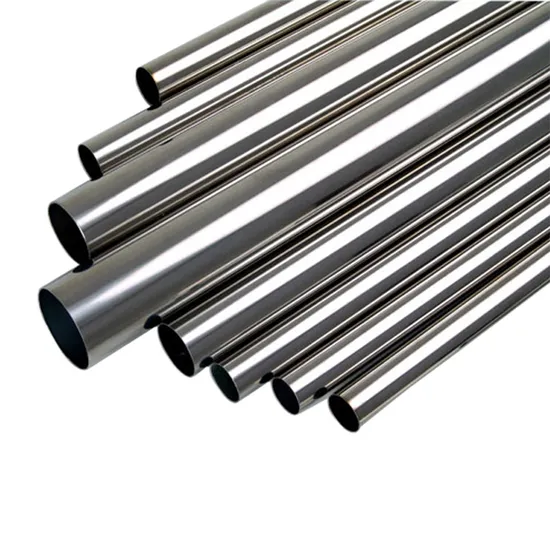
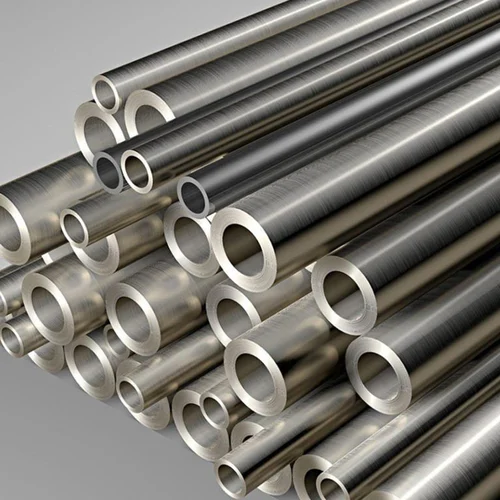
Bright annealed stainless steel tubes are annealed in a controlled, inert atmosphere (typically hydrogen or nitrogen) and then rapidly cooled to produce a mirror-like, reflective finish.

Key Features:

  • Smooth, clean surface
  • Ra ≤ 0.2 µm (depending on grade and OD)
  • Excellent corrosion resistance
  • No oxide scale or discoloration

Applications:

  • Food & beverage pipelines
  • High-purity pharmaceutical systems
  • Ultra-clean heat exchanger tubes
  • Decorative or architectural components

Reference: Outokumpu Surface Finishes for Stainless Steel Tubes


2. What is Pickled Finish?

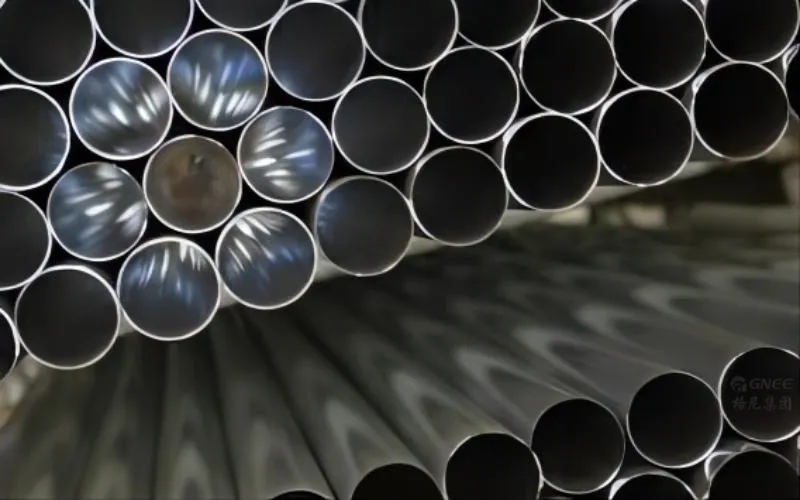
Pickled tubes are treated with acid solutions (HNO₃ + HF) to remove mill scale, weld discoloration, and surface oxides. The result is a matte, silver-white finish known for its uniformity and improved corrosion resistance compared to untreated surfaces.

Key Features:

  • Dull, clean finish
  • Slightly etched surface
  • Ra typically ≥ 0.5 µm
  • Excellent for general industrial use

Applications:

  • Boiler and condenser tubes
  • Chemical processing lines
  • Marine tubing
  • Structural applications

Related Standard: ASTM A380 – Cleaning and Descaling Stainless Steel Parts


3. Comparison Table: Bright Annealed vs Pickled

PropertyBright Annealed (BA)Pickled
AppearanceShiny, mirror-likeMatte, dull silver
Roughness (Ra)≤ 0.2 µm~0.5–1.0 µm
Corrosion ResistanceExcellent (no surface defects)Good, depends on pickling depth
CleanabilitySuperiorModerate
Surface ContaminationMinimalMay retain micro-etching marks
CostHigherLower
Standard ComplianceASTM A269 BAASTM A269 Pickled, A312

4. How to Choose the Right Finish

RequirementRecommended Finish
Hygienic or ultra-clean systemsBright Annealed
General industrial pipelinesPickled
Decorative or visible surfacesBright Annealed
Budget-sensitive applicationsPickled
High-corrosion environmentsBoth (depends on grade)

For electropolished finishes (EP), BA tubes are typically used as a base.


5. DLSS Surface Treatment Capabilities

Process TypeOD RangeCertification
Bright Annealing6 mm – 76 mmRa test, MTC
Pickling6 mm – 219 mmA380, photo record
Electropolishing6 mm – 25.4 mmOptional
PassivationOn requestASTM A967

DLSS also supports custom markings, surface validation (Ra/visual), and photo-documented QC reports with each order.


FAQs

Q1: Can I polish pickled tubes to look like BA tubes?
Not exactly. BA finishes are formed in a controlled atmosphere and are smoother at the microstructural level. Mechanical polishing can improve appearance but not replicate BA’s corrosion resistance.

Q2: Are BA tubes more expensive?
Yes. Bright annealing requires special furnaces and inert atmospheres, making them costlier than pickled tubes.

Q3: Can DLSS supply dual-surface tubes (BA inside, pickled outside)?
Yes. We offer mixed-surface finish options based on application—for example, internal BA for food safety and external pickled for cost savings.

Q4: What finish is best for welding?
Pickled tubes are often better for post-weld passivation and surface blending. However, BA tubes require careful weld zone treatment to maintain internal cleanliness.


Conclusion

Choosing between bright annealed and pickled stainless steel tubes depends on your application’s corrosion risk, hygiene level, and aesthetic needs. At DLSS, we offer both finishes with precision control and full certification, helping you meet project specs and compliance effortlessly.


Contact DLSS
Email: info@dlsspipe.com
Website: www.dlsspipeline.com

Not sure which surface finish is ideal for your application? Our technical team is ready to recommend the best-fit option—backed by international standards and factory expertise.

Wonderful! Share This Case:

Austenitic Stainless Steel

Duplex Stainless Steel

Nickel Alloys

▪ Incoloy Family

▪ Inconel Family

▪ Monel Family

▪ Hastelloy Family

▪ Other Special Alloys

Cobalt Alloys

Related Posts

Pickling vs Bright Annealing: Which Surface Treatment Is Best for Stainless Steel Tubes?

Top 5 Stainless Steel Tube

Meta Description:Discover the five most common causes of stainless steel tube failures. Learn how to detect, prevent, and solve issues in high-performance piping systems across industries. Introduction Stainless steel tubes are widely used in high-demand applications due to their corrosion resistance, strength, and cleanliness. However, tube failure—when it occurs—can lead to production shutdowns, safety hazards, […]

Read More
The Role of Stainless Steel Tubes in Renewable Energy Systems – Solar, Wind, and Hydrogen

The Role of Stainless Steel

Meta Description:Discover how stainless steel tubes power the transition to renewable energy. Explore their critical applications in solar thermal systems, wind turbine cooling, and hydrogen infrastructure. Introduction As the global push for carbon neutrality intensifies, renewable energy systems are expanding at an unprecedented rate. From solar thermal plants to hydrogen pipelines, the infrastructure behind green […]

Read More
Inconel 625 Seamless Tubes: Ultimate Solution for Corrosion and High-Temperature Performance

Inconel 625 Seamless Tubes: Ultimate

Introduction Inconel 625 seamless tubes are high-performance nickel-chromium-molybdenum-niobium alloys known for their extraordinary strength, thermal stability, and corrosion resistance. These tubes are widely used in marine environments, offshore oil & gas platforms, nuclear systems, and chemical process plants, especially where chloride-induced pitting, stress corrosion cracking, or elevated temperatures are major concerns. See: Inconel – Wikipedia […]

Read More
NACE MR0175 vs MR0103: What’s the Difference in Stainless Steel Tube Procurement?

NACE MR0175 vs MR0103: What’s

Meta Description:Discover the key differences between NACE MR0175 and MR0103. Learn how each applies to stainless steel tubes used in sour service and refinery environments. Introduction When sourcing stainless steel tubes for corrosive environments, especially those involving hydrogen sulfide (H₂S), two international standards are frequently cited: While both relate to sulfide stress cracking (SSC) resistance, […]

Read More
Stainless Steel Tubes for Desalination Plants: What You Need to Know

Stainless Steel Tubes for Desalination

Meta Description:Explore why stainless steel tubes are essential in desalination plants. Understand material selection, corrosion resistance, and DLSS’s tubing solutions for seawater applications. Introduction As global freshwater demand surges, desalination—the process of turning seawater into potable water—is expanding rapidly. But desalination environments are among the most corrosive and challenging in industrial processing. To withstand high […]

Read More
How to Size a Shell and Tube Heat Exchanger: Key Design Parameters

How to Size a Shell

1. Introduction – Shell and Tube Heat Exchanger Sizing Proper shell and tube heat exchanger sizing ensures optimal performance, energy efficiency, and long service life. Incorrect sizing can lead to excessive pressure drops, fouling, or insufficient heat transfer. This guide outlines the key design parameters to consider when sizing a shell and tube heat exchanger, […]

Read More
How to Select the Right Stainless Steel Seamless Pipe for Projects in South America

How to Select the Right

Meta Description:Need stainless steel seamless pipes for a refinery, LNG terminal, or food plant in South America? Learn how to choose the correct grade, certification, and finish based on local conditions and client requirements. Introduction South America is home to diverse industries—from refineries in Brazil to mining operations in Chile, and LNG terminals in Colombia. […]

Read More
Flange Sealing Techniques: How to Ensure a Leak-Proof Pipeline Connection

Flange Sealing Techniques: How to

Meta Description:Explore how proper flange sealing techniques, gasket selection, and installation methods impact pipeline integrity. Learn how to avoid flange leaks in industrial systems. Introduction If you’ve ever walked through an oil refinery or a chemical plant, you’ve probably seen a flange connection wrapped in insulation—maybe even dripping or steaming from a tiny leak. Flange […]

Read More

Request A Quote

*We respect your confidentiality and all information are protected.