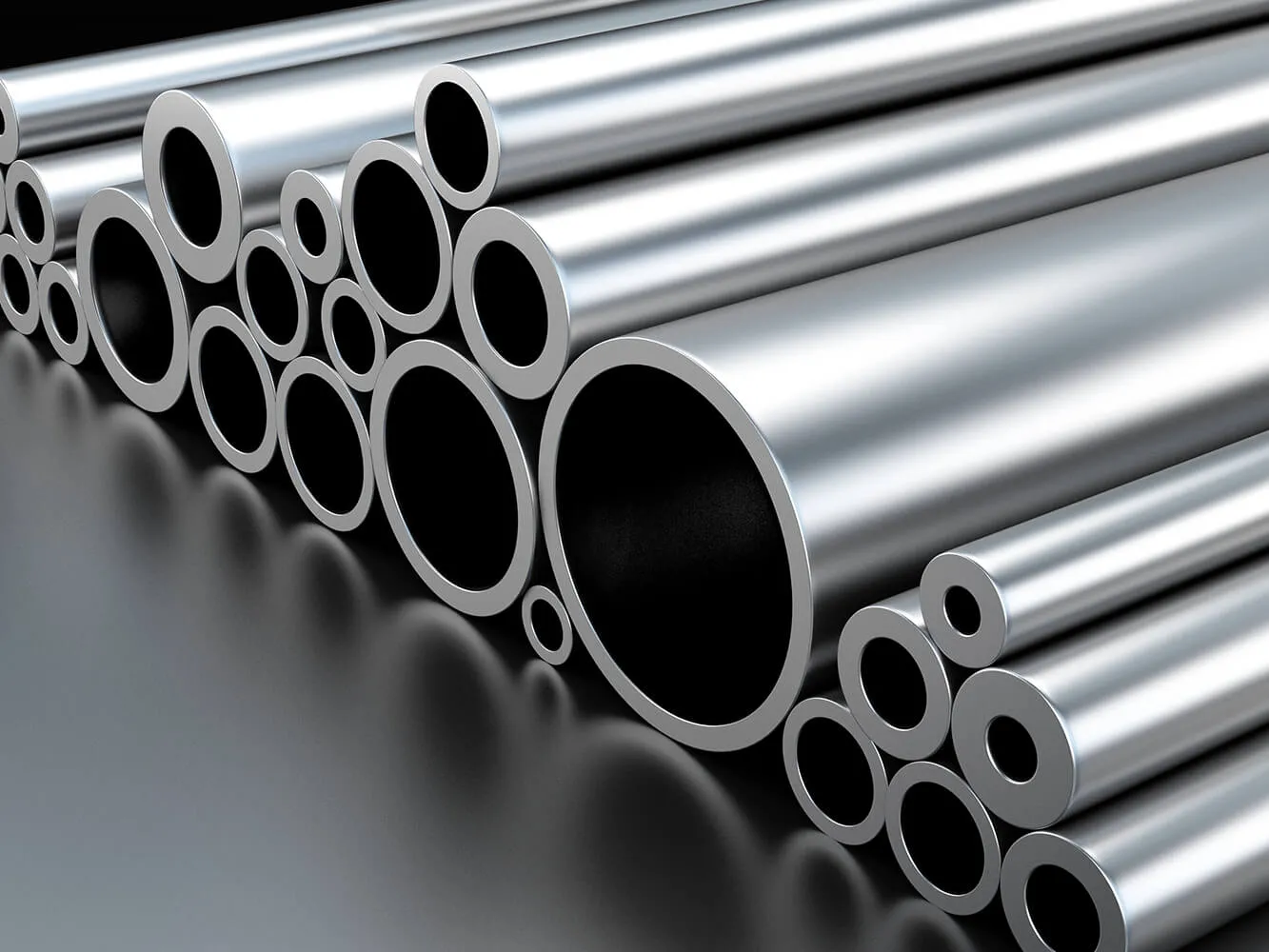
ASTM A789 S32750 Super Duplex Stainless Steel Tubes for Seawater Condensers

DLSS - Pipe&Tube - ASTM A789 S32750 Super Duplex Stainless Steel Tubes for Seawater Condensers

Meta Description:

Explore how ASTM A789 S32750 Super Duplex stainless steel tubes are used in seawater condensers, offering unmatched resistance to corrosion, pitting, and stress cracking in marine environments.

Introduction

Seawater condenser systems operate in highly aggressive environments, constantly exposed to chloride ions and variable temperatures. Standard stainless steels like 304 or 316 often fail due to pitting corrosion, crevice corrosion, and stress corrosion cracking (SCC).

To meet the demands of such harsh conditions, engineers turn to Super Duplex stainless steel, specifically ASTM A789 UNS S32750—a high-performance alloy known for superior strength and corrosion resistance.
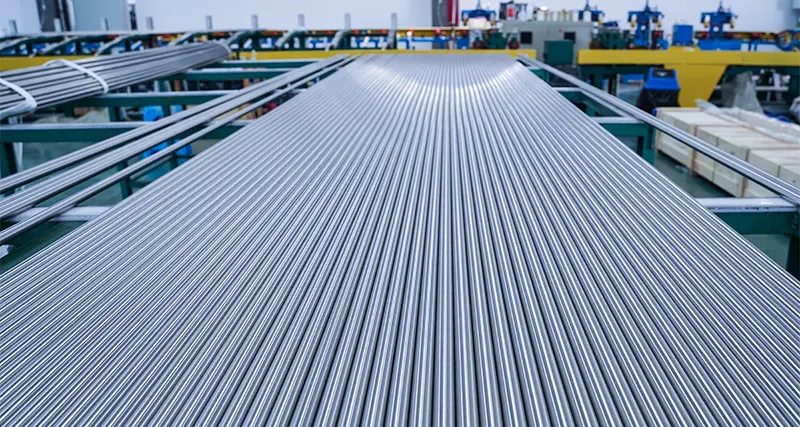
ASTM A789 S32750 Super Duplex Stainless Steel Tubes

What is ASTM A789 S32750?

ASTM A789 covers seamless and welded tubes made from ferritic/austenitic stainless steels (Duplex), including the Super Duplex grade S32750.

Chemical Composition of S32750 (%):

ElementMin – Max
Chromium (Cr)24.0 – 26.0
Nickel (Ni)6.0 – 8.0
Molybdenum (Mo)3.0 – 5.0
Nitrogen (N)0.24 – 0.32
Carbon (C)≤ 0.03
Iron (Fe)Balance

Key Features:

  • PREN > 40 (Pitting Resistance Equivalent Number)
  • Twice the yield strength of austenitic stainless steels
  • Resistant to chloride-induced stress corrosion cracking (SCC)
  • Excellent weldability with controlled ferrite-austenite phase balance
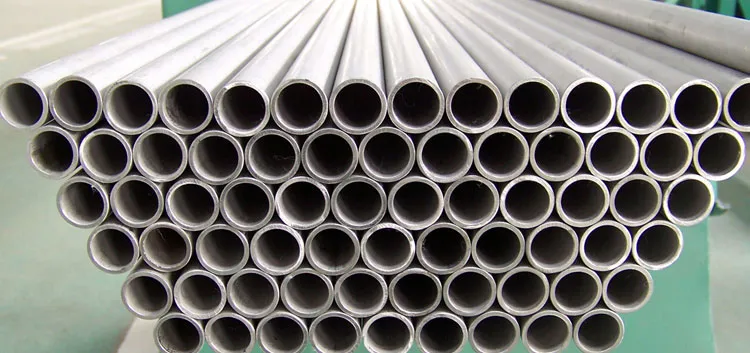
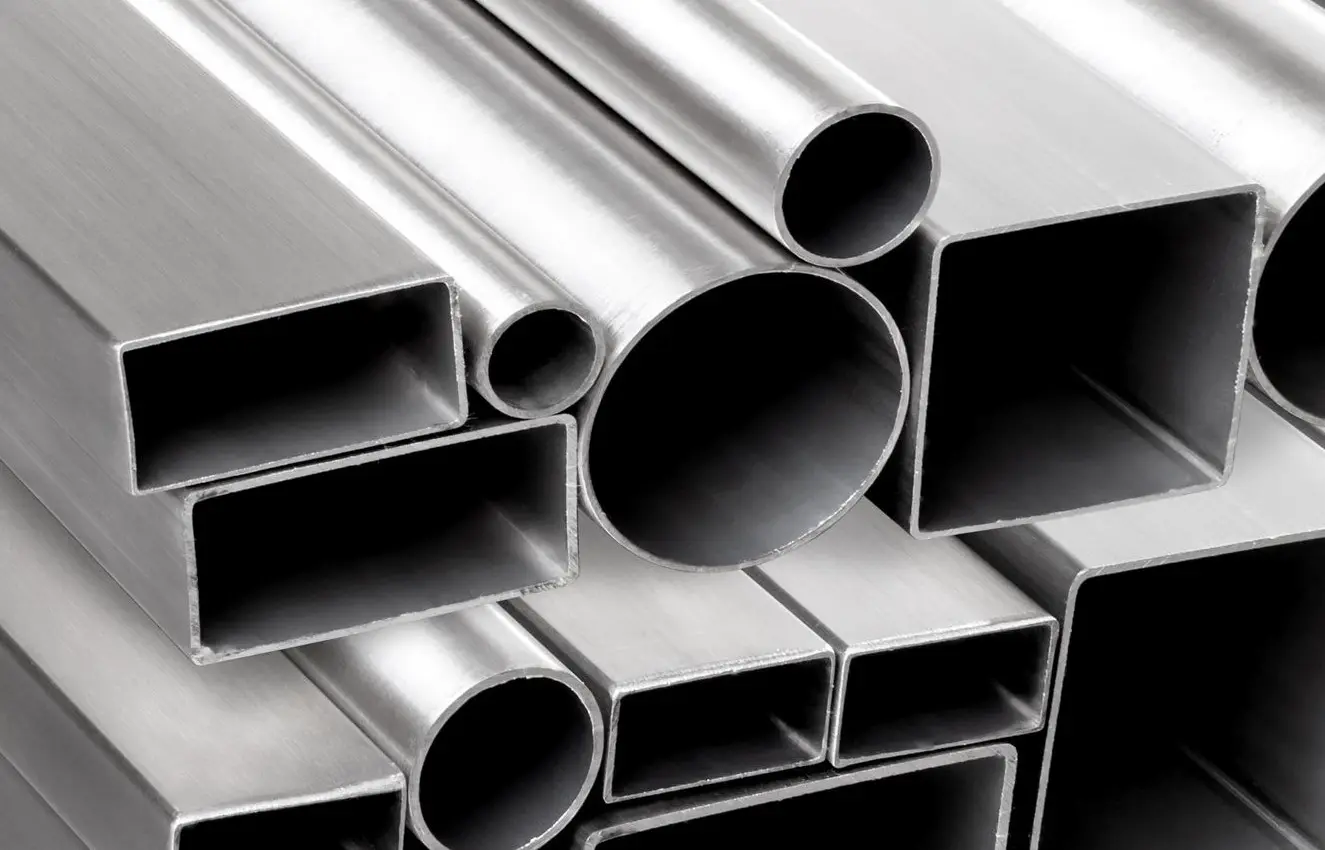
ASTM A789 S32750 Super Duplex Stainless Steel Tubes

Why Use S32750 for Seawater Condensers

Seawater cooling systems, especially in coastal power plants, offshore oil platforms, and desalination plants, require tubing that can:

  • Resist localized corrosion in high chloride environments
  • Withstand internal pressure and thermal cycling
  • Maintain mechanical integrity over long service life

S32750 excels in all these aspects, making it a preferred material for:

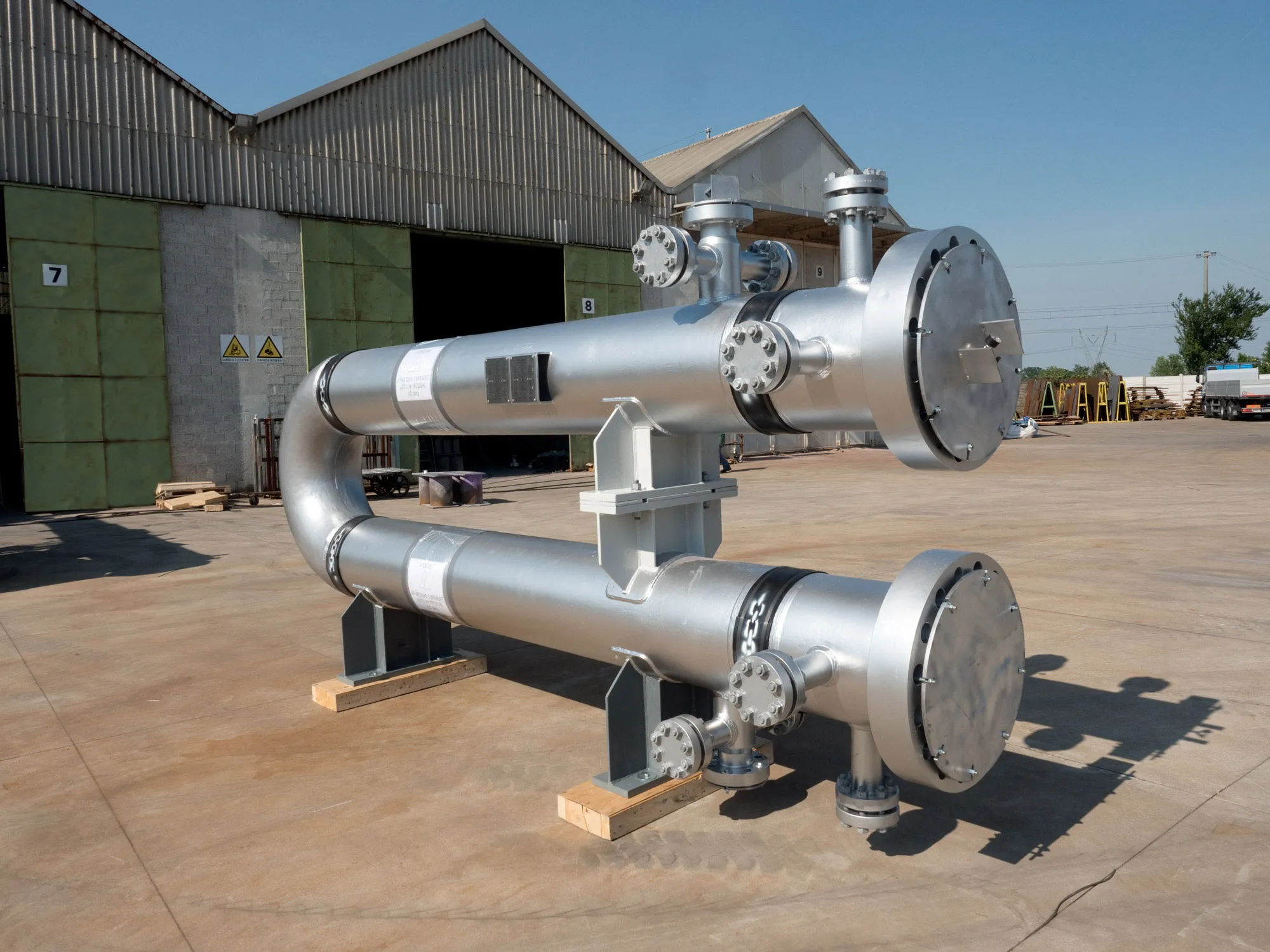
  • Shell & tube heat exchangers
  • Seawater-cooled condensers
  • Evaporator tubing
  • Cooling water intake lines

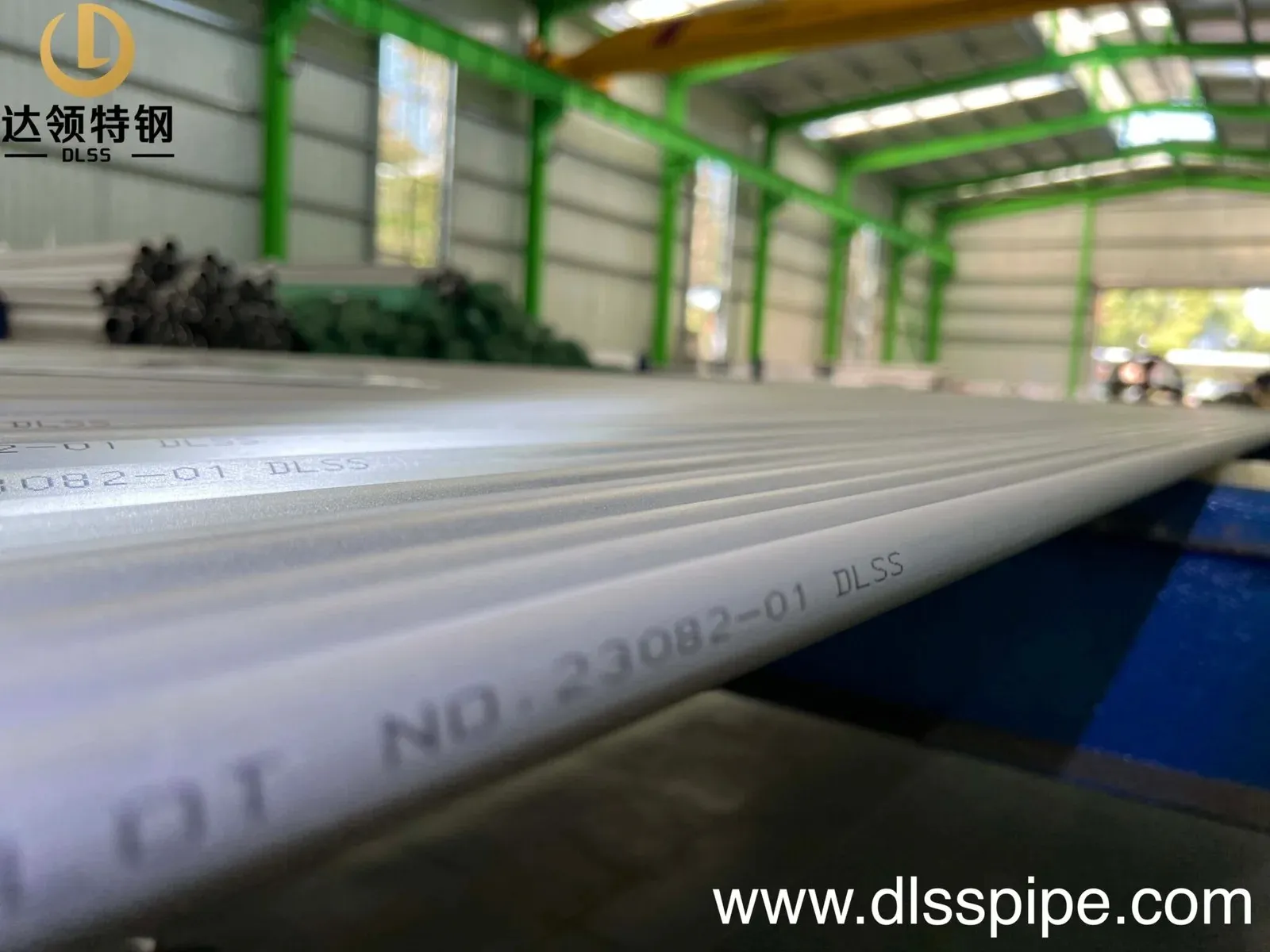
Typical Tube Specification from DLSS

  • Standard: ASTM A789
  • Grade: S32750 (UNS S32750 / 1.4410)
  • Tube Size: 19.05 mm OD × 1.65 mm WT × 6100 mm
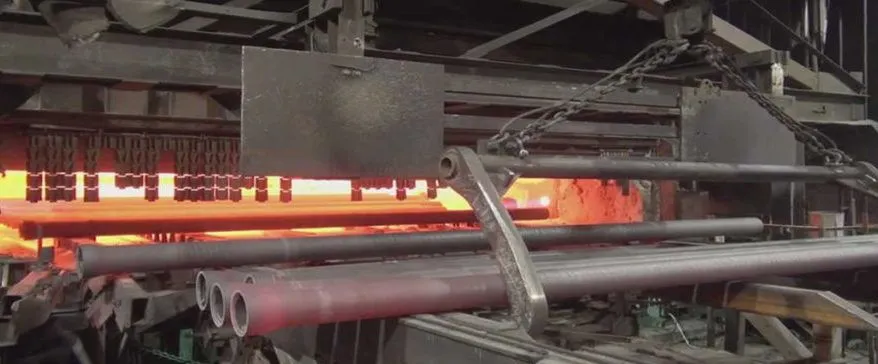
  • Type: Seamless, cold-drawn
  • Surface: Bright Annealed (BA) or Pickled & Passivated
  • Delivery Condition: Solution Annealed and tested
  • Inspection:
    • 100% Eddy Current Testing (per ASTM E426)
    • Hydrostatic Test
    • PMI (Positive Material Identification)
    • Intergranular Corrosion Test (per ASTM A262 Practice E)
    • Ferrite content control (20–35%)

Industry Applications

SectorApplication
Power GenerationSeawater-cooled steam condensers
DesalinationBrine heaters, condenser tubing
Marine & OffshoreCooling and heat recovery systems
Oil & GasPlatform-based seawater heat exchangers
Chemical PlantsChloride-rich cooling water circulation lines

DLSS Testing and Compliance

All S32750 tubes supplied by DLSS are certified and inspected according to:

  • ASTM A789 / ASTM A1016
  • EN 10204 3.1 / 3.2 Test Certificates
  • NACE MR0175 / MR0103 (upon request)
  • ASME Boiler & Pressure Vessel Code (for pressure applications)

SEO Keywords

  • ASTM A789 S32750 tube
  • super duplex stainless steel pipe
  • seawater condenser tubing
  • high corrosion resistant tube
  • S32750 vs 316L
  • duplex heat exchanger tube
  • super duplex for desalination plant
  • UNS S32750 seamless pipe
  • ASTM A789 super duplex tube supplier
  • marine-grade duplex stainless steel

Contact DLSS for Super Duplex Tubing Solutions

Need a reliable supplier of ASTM A789 S32750 seamless tubes?

We offer short lead times, competitive pricing, and full documentation for EPC, marine, and power plant projects.

Email: info@dlsspipe.com
Website: www.dlsspipeline.com

Let DLSS be your trusted pipeline solution partner for the harshest environments.

Wonderful! Share This Case:

Austenitic Stainless Steel

Duplex Stainless Steel

Nickel Alloys

▪ Incoloy Family

▪ Inconel Family

▪ Monel Family

▪ Hastelloy Family

▪ Other Special Alloys

Cobalt Alloys

Related Posts

EN vs ASTM Standards for Stainless Steel Tubes – What’s the Difference and How to Choose?

EN vs ASTM

Introduction Global industrial projects often involve suppliers and clients from different regions—especially Europe, America, and Asia. As a result, you may encounter both ASTM and EN standards when sourcing stainless steel seamless tubes. Understanding how these standards differ helps ensure proper specification alignment, regulatory compliance, and performance reliability. 1. Overview:...

Read More
Top 10 Applications of Stainless Steel Tubes in the Oil & Gas Industry

Top 10 Applications

Introduction The oil and gas industry operates under extreme conditions—high pressure, corrosive environments, and fluctuating temperatures. To ensure safety and durability, stainless steel tubes are essential components across upstream, midstream, and downstream operations. This article highlights the 10 most common applications of stainless steel tubes in the oil & gas...

Read More
How Stainless Steel Tubes Ensure Safety and Efficiency in South American Power Plants

How Stainless Steel

Introduction South America’s growing energy demand is driving the expansion of both conventional and renewable power plants. Whether it’s a thermoelectric station in Brazil or a biomass facility in Chile, one common requirement persists: reliable, long-lasting piping systems. Stainless steel seamless tubes are essential in these operations, especially in heat...

Read More

Stainless Steel Ship

Stainless steel ship piping is used in many marine and shipbuilding systems. Ships work in a hard environment. The piping may face salt air, seawater, vibration, pressure, heat and long service time. If the wrong pipe material is used, the system may face corrosion, leakage, high repair cost or shutdown...

Read More
Cost vs Performance: Are Titanium Pipes Worth It in Power Plant Condensers?

Cost vs Performance:

1. Introduction Power plants around the world rely on efficient condenser systems to maximize energy output and minimize downtime. Material choice for condenser tubes directly impacts operating costs and plant reliability. While stainless steel and copper alloys have traditionally been used, titanium pipes (Grade 2, ASTM B338) are increasingly recognized...

Read More
Top 10 Materials Used in Industrial Pipeline Engineering

Top 10 Materials

Introduction Choosing the right material is one of the most critical decisions in pipeline engineering. The material affects not only the strength, corrosion resistance, and temperature tolerance of the pipeline but also impacts cost, lifespan, and safety. Whether you’re designing for oil & gas, chemical processing, power plants, or marine...

Read More
How to Choose Between Seamless and Welded Stainless Steel Tubes

Seamless vs Welded

When buying stainless steel tubes, one common question is: should we choose seamless or welded tubes? There is no single answer for every project. Seamless stainless steel tubes are often preferred for high-pressure, high-temperature, U-bend, or critical corrosion service. Welded stainless steel tubes can also be a practical and cost-effective...

Read More
Stainless Steel Seamless Pipes for Mining and Metallurgy Projects in South America

Stainless Steel Seamless

Introduction South America is home to some of the world’s most significant mining and metallurgical hubs, particularly in Chile, Peru, and Brazil. With growing global demand for copper, lithium, iron ore, and rare earth elements, mining facilities are expanding—driving up the need for durable, corrosion-resistant piping systems. DLSS supports this...

Read More

Request A Quote

*We respect your confidentiality and all information are protected.