Disadvantages of Copper Tubes in Heat Exchangers (and Why More Industries Are Switching to Stainless Steel)

DLSS - Pipe&Tube - Disadvantages of Copper Tubes in Heat Exchangers (and Why More Industries Are Switching to Stainless Steel)

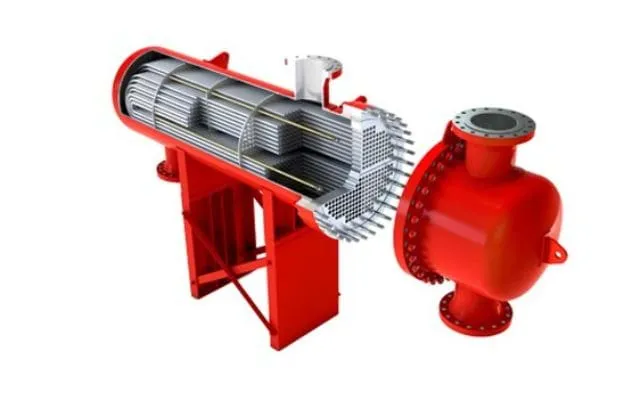
Copper tubes have been widely used in heat exchangers for decades, thanks to their excellent thermal conductivity and workability. However, as industries evolve and system requirements become more demanding, copper tubes are facing several limitations in terms of performance, durability, and lifecycle cost. In this blog, we’ll explore the main disadvantages of copper tubes in heat exchangers—and why many professionals are now turning to seamless stainless steel tubes as a more reliable alternative.

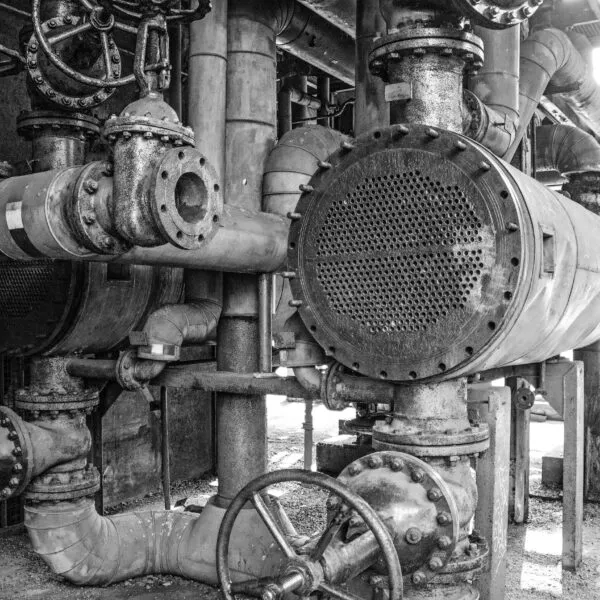
1. Limited Corrosion Resistance in Harsh Environments

While copper performs well in many indoor and freshwater systems, it is vulnerable to:

  • Chloride-induced corrosion (especially in seawater or coastal applications)
  • Ammonia-induced stress corrosion cracking
  • Erosion-corrosion in high-velocity flows

In contrast, stainless steel grades like TP316L or TP317L offer superior corrosion resistance in challenging environments, making them ideal for petrochemical, marine, and power plant applications.
2. Lower Mechanical Strength

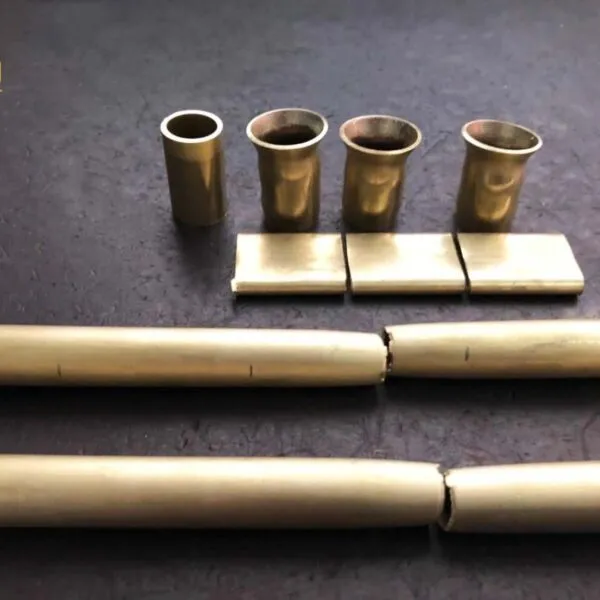
Copper is a relatively soft metal with limited mechanical strength. This can lead to:

  • Deformation under high pressure or mechanical stress
  • The need for thicker walls to meet performance criteria
  • Increased risk of damage during transport or installation

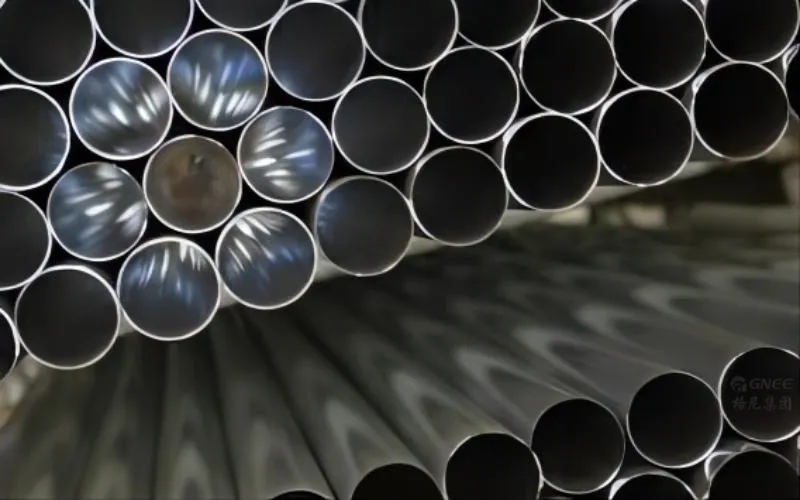
Seamless stainless steel tubes have higher yield and tensile strength, allowing for thinner walls without compromising pressure resistance.
3. Shorter Service Life in Industrial Conditions

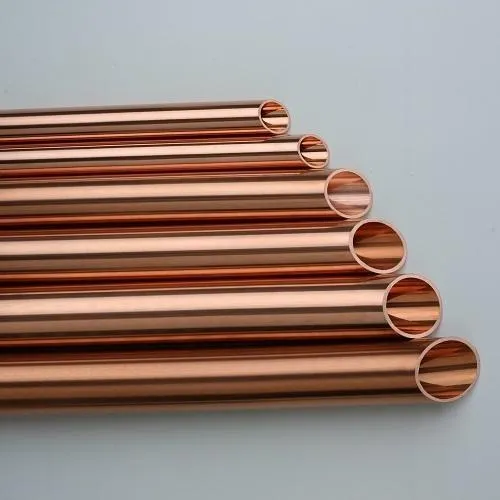
Copper tubes may experience:

  • Accelerated wear in acidic or alkaline environments
  • Faster thinning in high-temperature or turbulent systems
  • Frequent maintenance or early replacement

Stainless steel tubes, especially those with pickled and passivated surfaces, offer extended service life, helping reduce maintenance frequency and total lifecycle cost.
4. Less Suitable for High-Temperature Applications

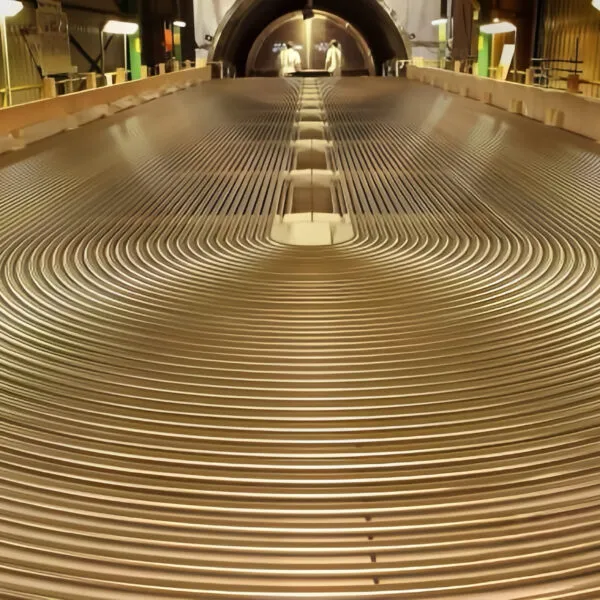
Copper loses strength at elevated temperatures and may suffer from:

  • Softening or sagging
  • Reduced structural integrity
  • Higher thermal expansion leading to leaks

Stainless steel retains its mechanical properties at high temperatures, making it ideal for boilers, superheaters, and chemical heat exchangers.
5. Environmental and Material Cost Considerations

Although copper is recyclable, its price can be volatile and higher than stainless steel on a per-performance basis. Also:

  • Theft risk in outdoor systems due to scrap value
  • Need for frequent replacements can increase material waste

Stainless steel offers a more stable and eco-friendly solution in many commercial and industrial applications.
Final Thoughts

Copper tubes will continue to have a place in specific HVAC and residential systems, but for demanding industrial conditions, seamless stainless steel tubes offer a safer, longer-lasting, and more cost-effective solution.

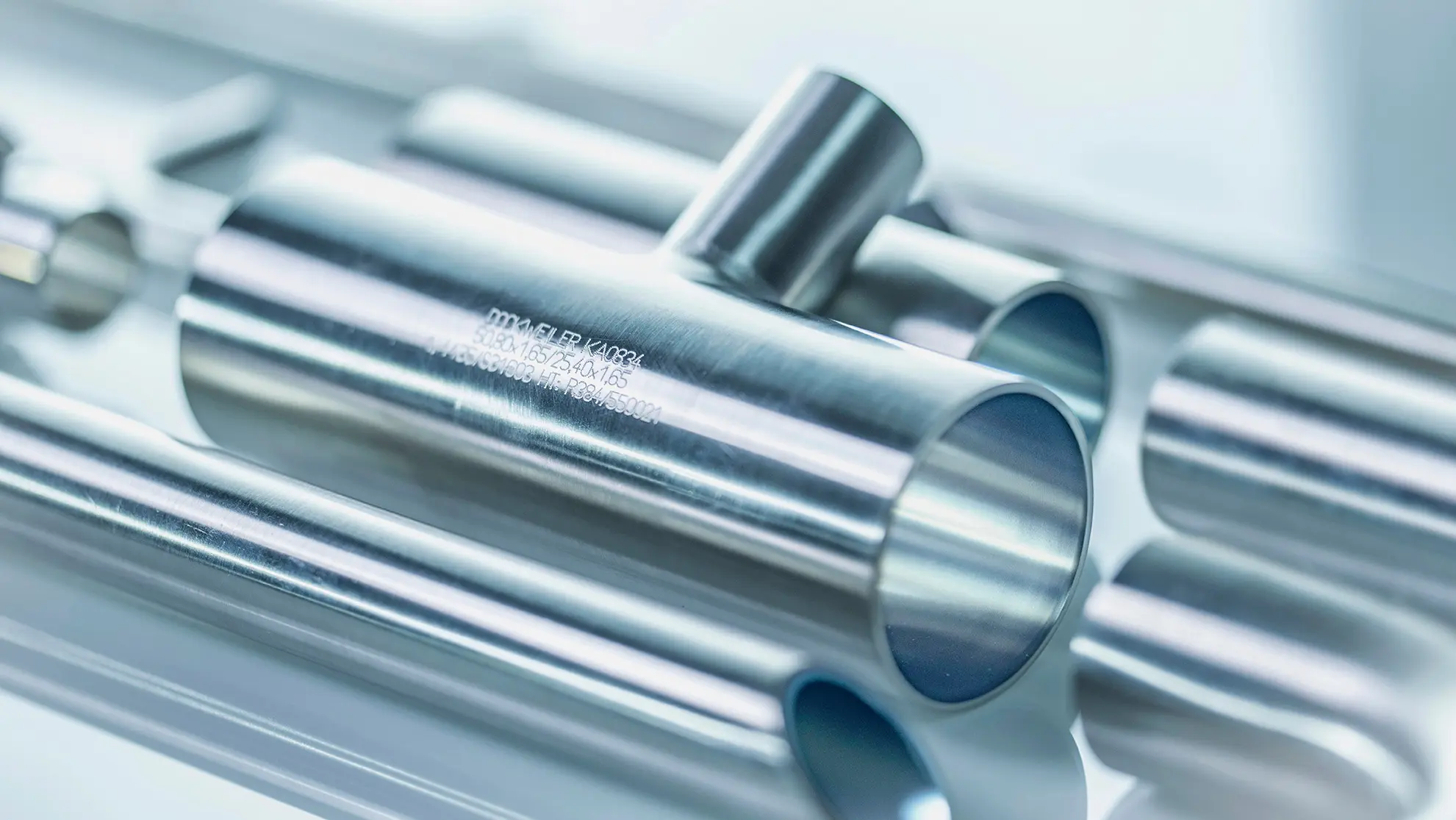
At DLSS, we manufacture high-precision stainless steel pipes tailored for heat exchanger use, delivering excellent corrosion resistance, surface cleanliness, and dimensional accuracy.

Why Choose DLSS as Your Stainless Steel Tube Partner?

With over 30 years of experience and exports to 40+ countries, DLSS offers:

  • Customized tube solutions for heat exchangers and condensers
  • Full compliance with ASTM/ASME standards
  • Third-party inspections and full quality reports
  • Precision production, fast delivery

Contact us today to get a free consultation or quote: info@dlsspipe.com

Wonderful! Share This Case:

Austenitic Stainless Steel

Duplex Stainless Steel

Nickel Alloys

▪ Incoloy Family

▪ Inconel Family

▪ Monel Family

▪ Hastelloy Family

▪ Other Special Alloys

Cobalt Alloys

Related Posts

How to Ensure Zero-Defect Delivery of High-Performance Alloy Pipes

How to Ensure Zero-Defect Delivery

1. Introduction For EPC contractors and end-users in desalination, LNG, chemical, and power projects, the reliability of piping systems depends on zero-defect delivery. High-performance alloys such as titanium tubes and nickel alloy pipes (Alloy 625, 825, C-276) are costly and used in critical applications where failure is not an option. This article outlines the key […]

Read More
wind-farm-heat-exchanger-finned-tube-market

Global Wind Farm Upgrades: A

With wind power accounting for over 25% of electricity in key global markets, operators are facing a new challenge: maintaining, upgrading, and replacing aging cooling and heat transfer systems, especially in offshore environments. As a result, demand for stainless steel finned tubes—used in turbine cooling, nacelle HVAC, and heat exchangers—is rapidly rising. For precision tube […]

Read More
Stainless Steel Tube Failure Modes – Cracks, Pitting, and How to Prevent Them

Stainless Steel Tube Failure Modes

Meta Description:Explore the most common failure modes of stainless steel tubes including cracking, pitting, and stress corrosion. Learn how to prevent these issues through material selection, surface treatment, and quality control. Introduction Even the highest-grade stainless steel tubes can fail under extreme or mismanaged conditions. Understanding the failure mechanisms helps design engineers, QA teams, and […]

Read More

Seamless vs Welded Stainless Steel

Meta Description:Seamless or welded pipe? Learn the structural, performance, and cost differences, and discover which option is better for your industrial application. Introduction One of the most common engineering decisions in piping systems is: “Should we use seamless or welded stainless steel pipes?” While both types comply with international standards, they differ significantly in: This […]

Read More
Inconel 625 Seamless Tubes: Ultimate Solution for Corrosion and High-Temperature Performance

Inconel 625 Seamless Tubes: Ultimate

Introduction Inconel 625 seamless tubes are high-performance nickel-chromium-molybdenum-niobium alloys known for their extraordinary strength, thermal stability, and corrosion resistance. These tubes are widely used in marine environments, offshore oil & gas platforms, nuclear systems, and chemical process plants, especially where chloride-induced pitting, stress corrosion cracking, or elevated temperatures are major concerns. See: Inconel – Wikipedia […]

Read More
ultrasonic testing tube inspection

5 Reasons Ultrasonic Testing Tube

Ultrasonic testing tube inspection is a critical non-destructive method used in the stainless steel tube industry to ensure product quality, safety, and compliance with international standards. Especially in industries such as heat exchangers, boilers, power plants, and oil & gas, even the smallest internal defect can lead to costly failures or system breakdowns. This article […]

Read More
Top 10 Factors That Affect Stainless Steel Tube Quality – A Manufacturer’s Checklist

Top 10 Factors That Affect

Meta Description:Discover the top 10 factors that determine the quality of stainless steel tubes, from raw material selection to surface finish and final inspection. Use this guide to evaluate your suppliers and avoid quality risks. Introduction When it comes to stainless steel tubing, not all products are created equal. Even if two tubes share the […]

Read More
Shell and Tube Heat Exchanger Design Considerations for Optimal Performance

Shell and Tube Heat Exchanger

1. Introduction – Shell and Tube Heat Exchanger Design A shell and tube heat exchanger is one of the most widely used heat exchanger types in industrial applications due to its versatility, durability, and ability to handle high pressures and temperatures. When planning a new installation or upgrading existing equipment, it is essential to consider […]

Read More

Request A Quote

*We respect your confidentiality and all information are protected.