Stainless Steel Tubing Solutions for South America’s Oil & Gas Industry

DLSS - Oil & Gas Industry - Stainless Steel Tubing Solutions for South America’s Oil & Gas Industry

Meta Description:
South America’s oil and gas industry faces complex environments—from offshore Brazil to Andean gas fields. Learn why stainless steel seamless tubes are the smart choice for long-term reliability.


Introduction

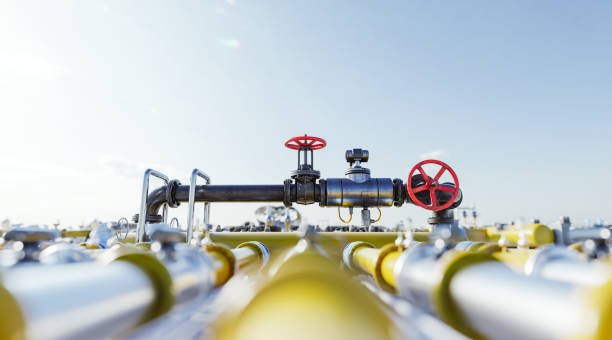
South America is rich in oil and gas reserves—from Brazil’s offshore pre-salt basins, to Argentina’s Vaca Muerta shale, and Colombia’s expanding gas fields. These resources fuel the region’s economy but also demand high-performance, corrosion-resistant piping solutions.

In this article, we explore how stainless steel seamless tubes meet the challenges of South American energy projects and why companies across the region trust DLSS to deliver durable, NACE-compliant products.


Key Challenges in South American Energy Projects

Operating conditions across South America can be severe and highly variable:

  • Offshore corrosion in Brazil’s Campos and Santos basins
  • Sour gas service in the Andean highlands
  • Remote midstream pipelines facing extreme temperature swings
  • Environmental regulation and local certification requirements

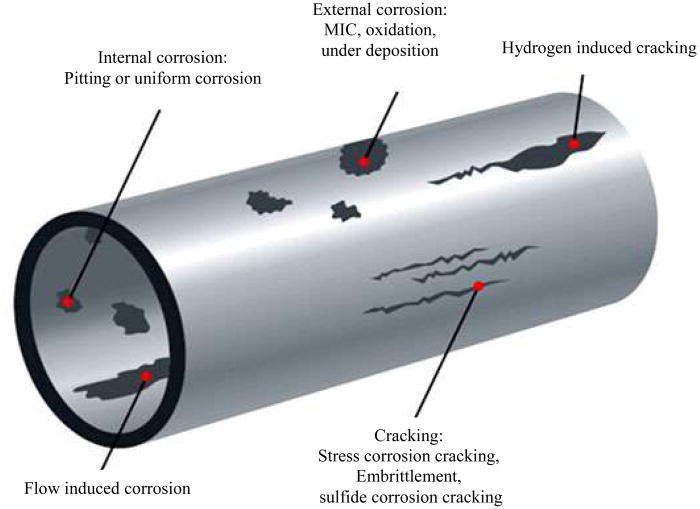
These challenges demand piping materials that resist H₂S-induced cracking, maintain strength at high temperatures, and minimize long-term maintenance costs.


Why Stainless Steel Seamless Tubes?

Unlike carbon steel or welded pipes, stainless steel seamless tubes offer a number of advantages for South American oil & gas projects:

  • Superior corrosion resistance in saline, acidic, and sour media
  • No weld seam, reducing risk of localized corrosion or weak spots
  • Smooth interior surface, enhancing flow and minimizing buildup
  • Compliance with NACE MR0175 / ISO 15156, essential for sour service

DLSS offers seamless tubing in OD 6mm to 219mm, lengths up to 12 meters, with pickled, BA, or EP surface finishes to suit specific field needs.


Popular Grades for South American Oil & Gas Applications

GradeTypical ApplicationWhy It’s Used
TP316LOffshore piping, platform systemsChloride resistance + weldability
TP321 / 347HHeat exchangers, thermal linesHigh temp stability with stabilized chemistry
Duplex S31803Subsea risers, injection linesDouble strength + pitting resistance
Incoloy 825Sour service with H₂S and CO₂NACE MR0175 certified, excellent corrosion block
Alloy 625High-pressure/high-H₂S environmentsOutstanding stress and fatigue resistance

DLSS Success in Latin America

DLSS has supported EPC contractors and refinery operators in:

  • Brazil: supplying TP316L seamless tubes for offshore skids and separators
  • Argentina: providing NACE-tested Incoloy 825 tubes for gas processing modules
  • Colombia: delivering pickled Duplex 2205 pipes for a new sour gas field
  • Peru: partnering with local fabricators for refinery boiler tubes

All products include EN 10204 3.1/3.2 MTC, optional third-party inspections (SGS/BV/TÜV), and customizable markings in Spanish or Portuguese as needed.


Standards and Compliance You Can Trust

All DLSS products comply with:


Conclusion

As South America continues to expand its oil and gas infrastructure, selecting the right pipe material is more important than ever.

Stainless steel seamless tubes offer long-term corrosion protection, low maintenance, and performance under pressure—making them the preferred choice for offshore, midstream, and refinery applications.

DLSS is proud to support South American energy projects with high-quality materials, expert logistics, and project-ready documentation.


Contact DLSS
Email: info@dlsspipe.com
Website: www.dlsspipeline.com

Wonderful! Share This Case:

Austenitic Stainless Steel

Duplex Stainless Steel

Nickel Alloys

▪ Incoloy Family

▪ Inconel Family

▪ Monel Family

▪ Hastelloy Family

▪ Other Special Alloys

Cobalt Alloys

Related Posts

Seamless vs Welded Stainless Steel Pipes: Which Is More Reliable in 2025?

Seamless vs Welded Stainless Steel

Meta Description:Learn the key differences between seamless and welded stainless steel pipes. Discover which option is better for pressure, corrosion, and project reliability in modern industrial applications. Introduction When selecting stainless steel pipes for high-stakes projects—whether in oil & gas, chemical processing, or heat exchanger systems—one key decision is: Should I choose seamless or welded […]

Read More
Selecting Stainless Steel Tubes for Chemical Processing Equipment (2025 Guide)

Selecting Stainless Steel Tubes for

Why Chemical Processing Requires Advanced Tubing Materials Chemical industries operate under some of the most corrosive and demanding environments. Stainless steel tubes used in reactors, acid circulation lines, scrubbers, and condensers are constantly exposed to aggressive chemicals like sulfuric acid, hydrochloric acid, chlorides, and high-pressure steam. Choosing the wrong material could lead to rapid corrosion, […]

Read More
global-heat-exchanger-market-trends-2025

Global Heat Exchanger Market Trends

As the world transitions toward cleaner energy and more efficient industrial processes, heat exchangers are becoming more critical than ever. Whether in hydrogen plants, data centers, electric vehicle battery cooling, or traditional oil refineries—thermal management systems are evolving rapidly. This change is driving demand for more durable, efficient, and customizable heat exchanger tubes, particularly in […]

Read More

Everything You Need to Know

What Are Inner Grooved Coil Tubes? Inner grooved coil tubes, also known as ribbed tubes or micro-fin tubes, are seamless or welded coil tubes with precisely formed helical grooves on the internal surface. These grooves increase turbulence in fluid flow, thereby enhancing the heat transfer coefficient. They are widely used in: Why Choose Inner Grooved Tubes?  30–50% better heat transfer than smooth tubes Enhanced […]

Read More
Nickel 200 and Nickel 201 Seamless Tubes: Properties, Applications, and Selection Guide

Nickel 200 and Nickel 201

Introduction Nickel 200 seamless tubes and Nickel 201 seamless tubes are widely used in industries requiring high-purity, corrosion-resistant, and thermally conductive materials. These nickel alloy seamless pipes offer exceptional performance in chemical processing, caustic environments, cryogenic systems, and electrolytic applications. According to Wikipedia, both Nickel 200 and 201 belong to the category of commercially pure […]

Read More
What is a Finned Tube and How It Improves Heat Exchanger Efficiency

What is a Finned Tube

Finned tubes are a specialized type of heat transfer component designed to increase the surface area available for heat exchange between fluids. By adding extended surfaces or “fins” to the tube’s exterior, these components can significantly improve the efficiency of heat exchangers, making them ideal for applications where space is limited, or higher heat transfer […]

Read More
Inconel 625 Seamless Tubes: Ultimate Solution for Corrosion and High-Temperature Performance

Inconel 625 Seamless Tubes: Ultimate

Introduction Inconel 625 seamless tubes are high-performance nickel-chromium-molybdenum-niobium alloys known for their extraordinary strength, thermal stability, and corrosion resistance. These tubes are widely used in marine environments, offshore oil & gas platforms, nuclear systems, and chemical process plants, especially where chloride-induced pitting, stress corrosion cracking, or elevated temperatures are major concerns. See: Inconel – Wikipedia […]

Read More
Shell and Tube Heat Exchanger Design Considerations for Optimal Performance

Shell and Tube Heat Exchanger

1. Introduction – Shell and Tube Heat Exchanger Design A shell and tube heat exchanger is one of the most widely used heat exchanger types in industrial applications due to its versatility, durability, and ability to handle high pressures and temperatures. When planning a new installation or upgrading existing equipment, it is essential to consider […]

Read More

Request A Quote

*We respect your confidentiality and all information are protected.