Introduction
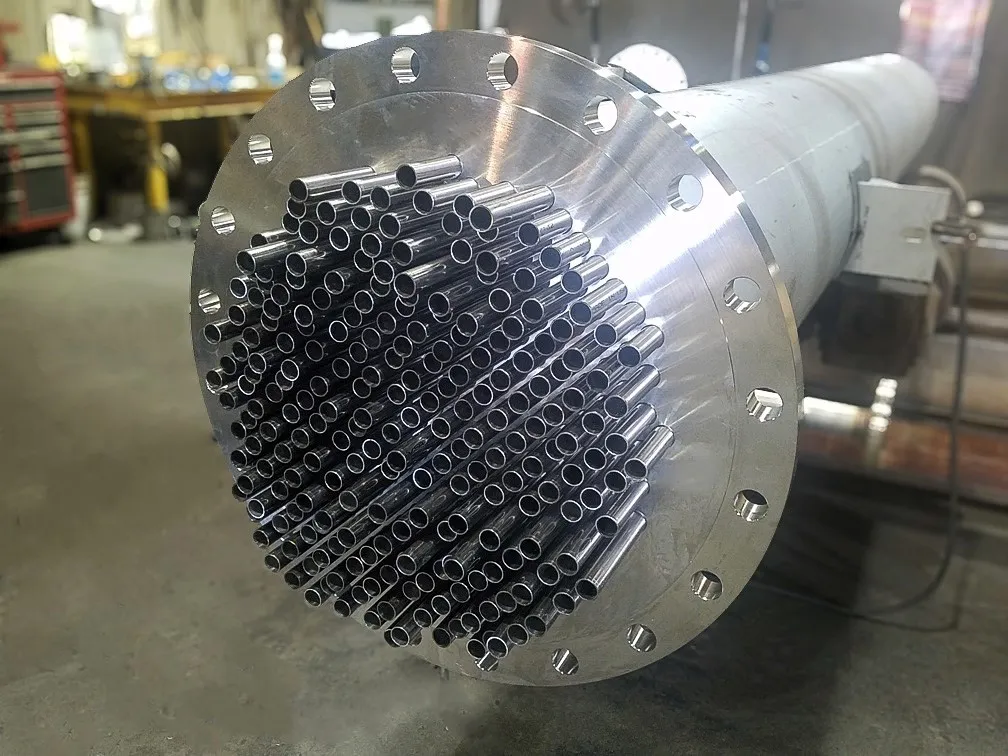
Heat exchangers are essential components in power plants, refineries, HVAC systems, and chemical processing. Yet, even with premium-grade stainless steel tubes, failures can occur—leading to leaks, shutdowns, and expensive repairs.
DLSS has helped dozens of clients investigate and resolve stainless tube failures across the globe. In this article, we highlight the 5 most common failure mechanisms, their root causes, and how to prevent them through smarter material selection and manufacturing controls.
1. Pitting Corrosion
Cause: Localized breakdown of passive film in chloride-rich or stagnant environments
Typical Conditions: Coastal plants, seawater cooling, brackish water loops
Risk: Deep pits forming on ID/OD, leading to leaks
Prevention:
- Use high-PREN grades like 904L, S32205, S32750
- Avoid stagnant zones with better flow design
- Ensure proper pickling + passivation post-fabrication
- Use seamless tubes with low surface roughness
2. Stress Corrosion Cracking (SCC)
Cause: Chlorides + tensile stress + temperature
Typical in: U-bend tubes, high-temp zones in condensers and reboilers
Result: Sudden brittle cracking, especially in TP304 and TP316 grades
Prevention:
- Switch to S32205 Duplex or TP316Ti / TP317L
- Apply post-bending annealing for U-bends
- Lower residual stresses through cold work control
- Monitor chloride levels in water sources
3. Erosion-Corrosion
Cause: High-velocity fluid causing wall thinning
Common in: Steam tubes, elbows, or sharp-radius bends
Visual: Grooved or “horseshoe” wear patterns on ID
Prevention:
- Use thicker wall tubes (Schedule 80 or customized WT)
- Choose TP321 / TP347 for better erosion strength
- Modify design to reduce velocity at vulnerable zones
- Regular wall thickness monitoring via UT
4. Intergranular Attack (IGA)
Cause: Sensitization (Cr-carbide precipitation at grain boundaries)
Where: Welded zones in older TP304L/316L tubing
Detection: ASTM A262 Practice E test
Prevention:
- Select stabilized grades (TP321, TP347)
- Conduct post-weld pickling & passivation
- Control annealing to avoid overheating
- Request grain size testing (ASTM E112)
5. Hydrogen-Induced Cracking (HIC)
Cause: Hydrogen diffusing into steel, forming pressure pockets
Risk areas: Sour gas heat exchangers, refineries
Linked to: Inclusions, poor steel cleanliness
Prevention:
- Choose NACE MR0175-compliant material (e.g., Alloy 825, S32750)
- Ensure low sulfur and clean melt practice
- Specify HIC/SSC testing (as per NACE TM0284)
- Perform macroetch and microstructure validation
Learn more: NACE – Hydrogen Damage in Heat Exchangers
DLSS Approach to Failure Prevention
| Quality Control Step | Purpose |
|---|---|
| 100% Eddy Current Testing (ET) | Detects surface/subsurface flaws |
| Pickling + Passivation | Restores corrosion resistance post-processing |
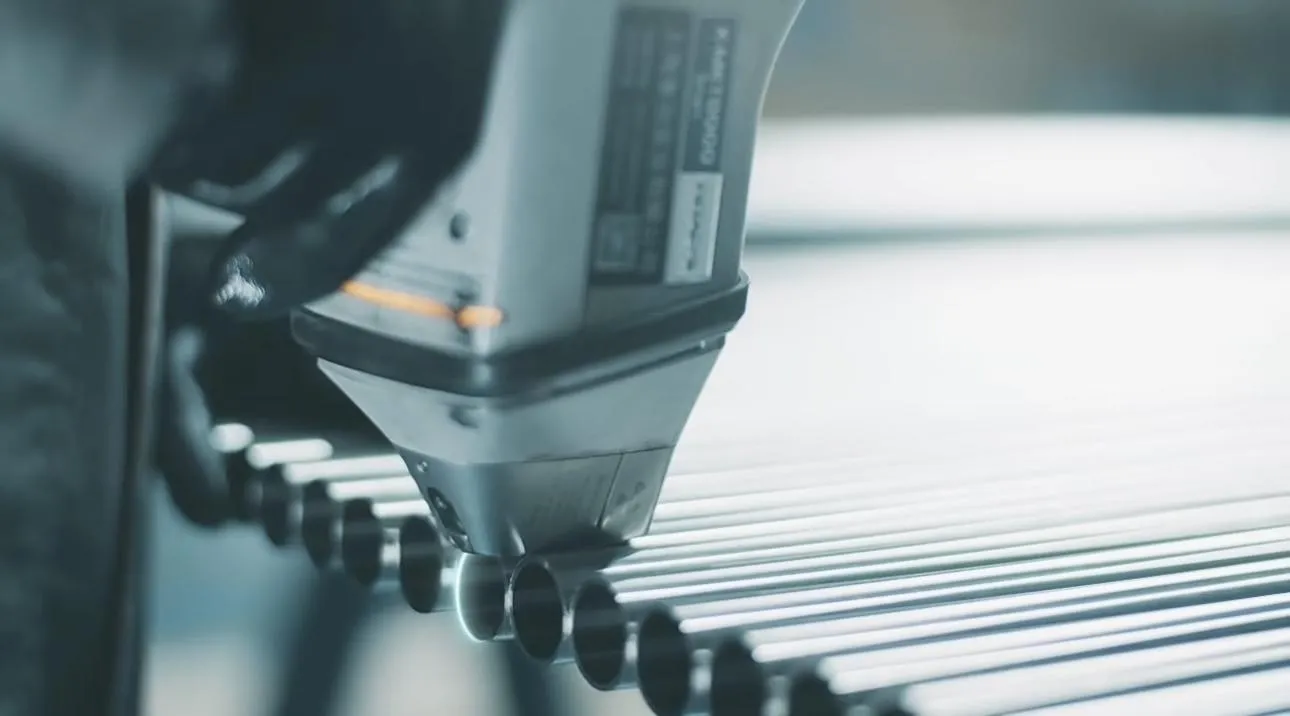
| PMI Testing | Confirms chemical composition |
| Hardness & Grain Size Testing | Ensures metallurgical stability |
| U-Bend Post-Annealing | Reduces SCC and residual stress |
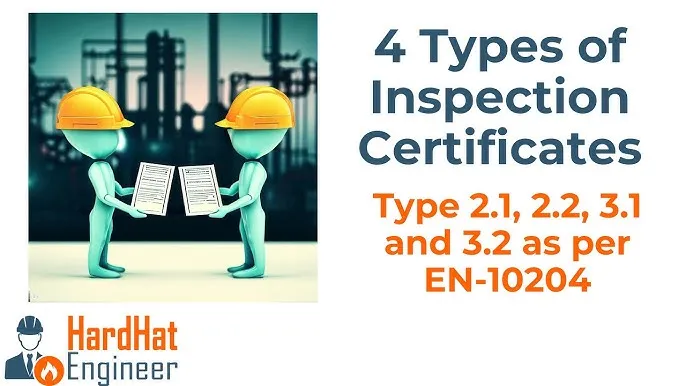
| 3.1/3.2 MTC and Third-Party Test | Compliance and traceability |
Case Study: TP316L Tube Cracking in a Food-Grade Heat Exchanger
Problem: Leaks detected after 6 months in condenser tubes
Findings: Stress corrosion cracks near U-bend welds
Solution:
- Switched to TP316Ti with post-bend annealing
- Added pickling and IGC test (ASTM A262)
- Redesign to reduce chloride buildup
Outcome: No failures in the 24 months since tube replacement. Client extended contract to 3 more heat exchanger units.
FAQ: Stainless Tube Failure in Heat Exchangers
Q1: What is the safest tube material for seawater-cooled heat exchangers?
A: Super duplex stainless (S32750) or 6Mo (UNS N08926) tubes offer excellent pitting and crevice corrosion resistance in high-chloride environments.
Q2: Can U-bends cause more failures than straight tubes?
A: Yes. Bending introduces stress and possible sensitization. DLSS performs post-bend annealing to restore corrosion resistance.
Q3: What testing methods can detect internal tube cracks?
A: Eddy Current Testing (ET), supplemented with Ultrasonic Testing (UT), can detect internal and external flaws in thin-walled tubes.
Q4: How do I know if my tube is sensitized?
A: ASTM A262 IGC test (Practice E) will confirm if your tube is vulnerable to intergranular corrosion due to chromium depletion.
Q5: What documentation should I ask for from tube suppliers?
A: Request MTCs per EN 10204 3.1/3.2, with test results for ET, PMI, hardness, grain size, and corrosion testing.
Conclusion
Understanding and preventing stainless steel tube failures in heat exchangers is not just about selecting a grade—it’s about quality control at every step: from melting, extrusion, and annealing to final inspection.
DLSS delivers stainless steel tubes that don’t just meet the standard—they prevent failures.
Contact DLSS
Email: info@dlsspipe.com
Website: www.dlsspipeline.com
Need a failure analysis consultation or pre-tested replacement tubing? Reach out to DLSS—we’re ready to deliver solutions, not just steel.