Hygienic-Grade Stainless Steel Tubes in the Food and Pharmaceutical Industries: Global Trends and Compliance

DLSS - Pipe&Tube - Hygienic-Grade Stainless Steel Tubes in the Food and Pharmaceutical Industries: Global Trends and Compliance

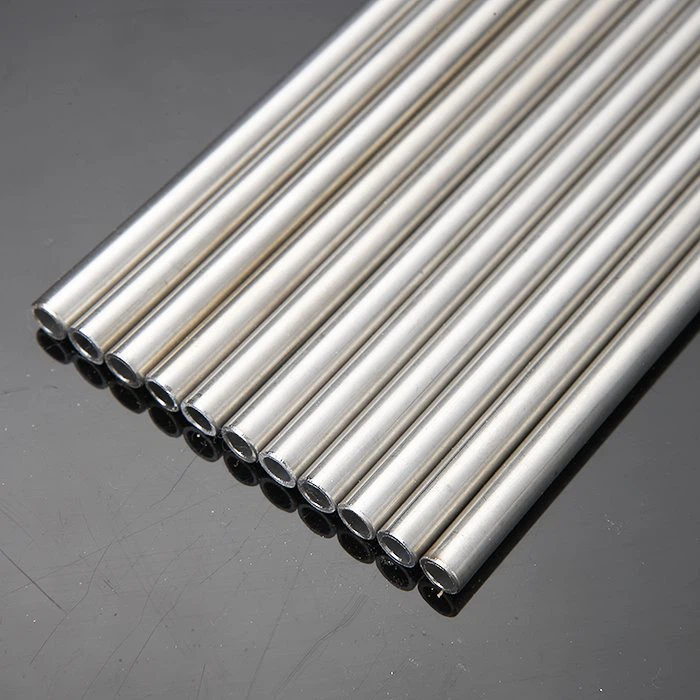
The demand for hygienic-grade stainless steel seamless tubes is rapidly expanding, particularly in the food & beverage (F&B) and pharmaceutical industries. These sectors require tubing with ultra-smooth surfaces, precise dimensional control, and strict compliance with international sanitary standards such as 3-A, ASME BPE, and ISO 2037.

In this article, we explore the latest market trends, hygiene and compliance requirements, and how DLSS Pipeline delivers seamless stainless tubing solutions designed for critical clean process applications.


1. Why Surface Quality and Cleanability Matter

In food and pharma processes, residue buildup or microbial contamination can lead to:

  • Product spoilage
  • Cross-contamination
  • Regulatory non-compliance
  • Risk to human health

To eliminate these risks, manufacturers demand tubing with:

  • Ra < 0.8 μm (or even Ra < 0.5 μm for critical zones)
  • Bright Annealed (BA) or electropolished (EP) internal surfaces
  • 100% traceability and clean weldability

2. Global Compliance and Standards

StandardRegion/IndustryKey Requirements
3-A SanitaryUS dairy and foodRa < 0.8 μm, clean-in-place (CIP) suitability
ASME BPEBiotech & pharma (USA)EP finish, sulfur content control, orbital welding
ISO 2037Global food & pharmaDimensional tolerances, surface roughness, welding ends
EN 10357EU hygienic applicationsSeamless/welded specs, pickled or polished finish

DLSS supports compliance with these through precision production and surface treatment control.


3. Where Are Hygienic Tubes Used?

  • Dairy processing systems
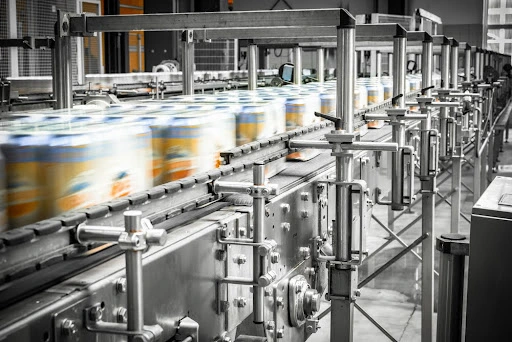
  • Beverage and brewery production lines
  • Pharmaceutical fluid transfer and filtration systems
  • Cosmetic and personal care manufacturing
  • Clean steam and WFI (water for injection) loops

4. DLSS Hygienic Tube Capabilities

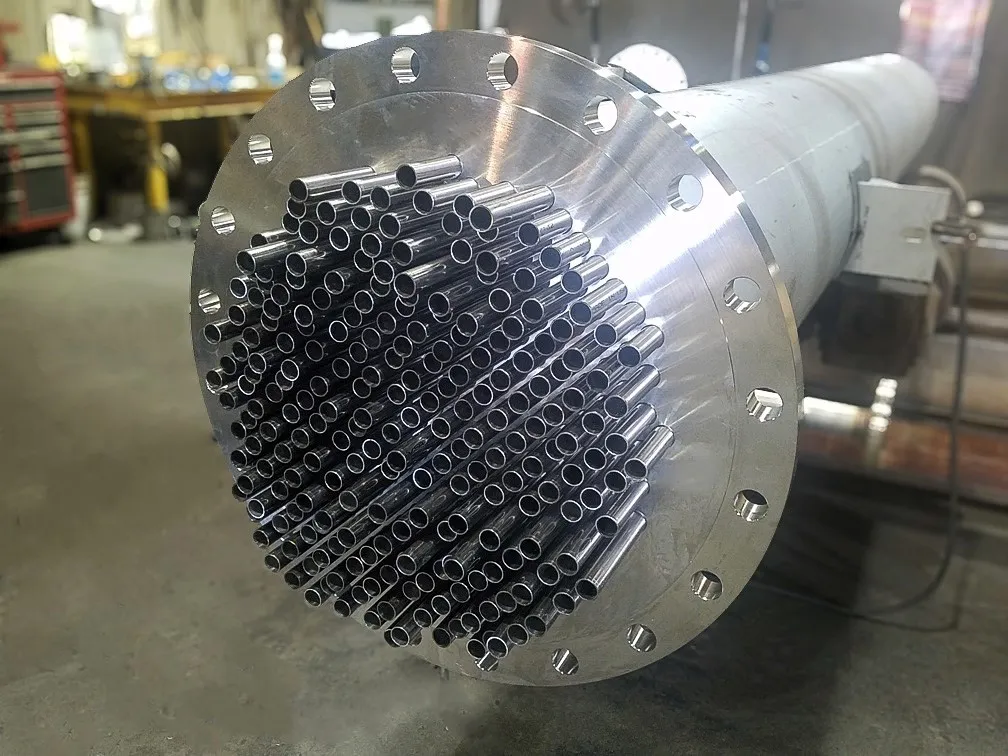
  • Tube types: Seamless, straight-cut, coil, U-bend
  • Finishes: BA, EP, AP, custom mechanical polish
  • Grades: TP316L, TP304L, TP317L, 904L for aggressive media
  • Ra options: 0.4 μm – 0.8 μm (verified with profilometer)
  • Certifications: EN 10204 3.1, 3-A, ISO, customized CoC
  • Packaging: PE film, end caps, sterile crate packing

See details: www.dlsspipeline.com


Frequently Asked Questions (FAQ)

Q1: What’s the difference between BA and EP finish?
BA is a bright mirror-like annealed surface, while EP is electrolytically polished for lower Ra and higher purity. EP is often required in biotech and pharma.

Q2: How can DLSS verify Ra values?
We perform internal surface roughness tests with certified profilometers. Digital reports and Ra photos can be provided upon request.

Q3: Can tubes be supplied with orbital weld prep?
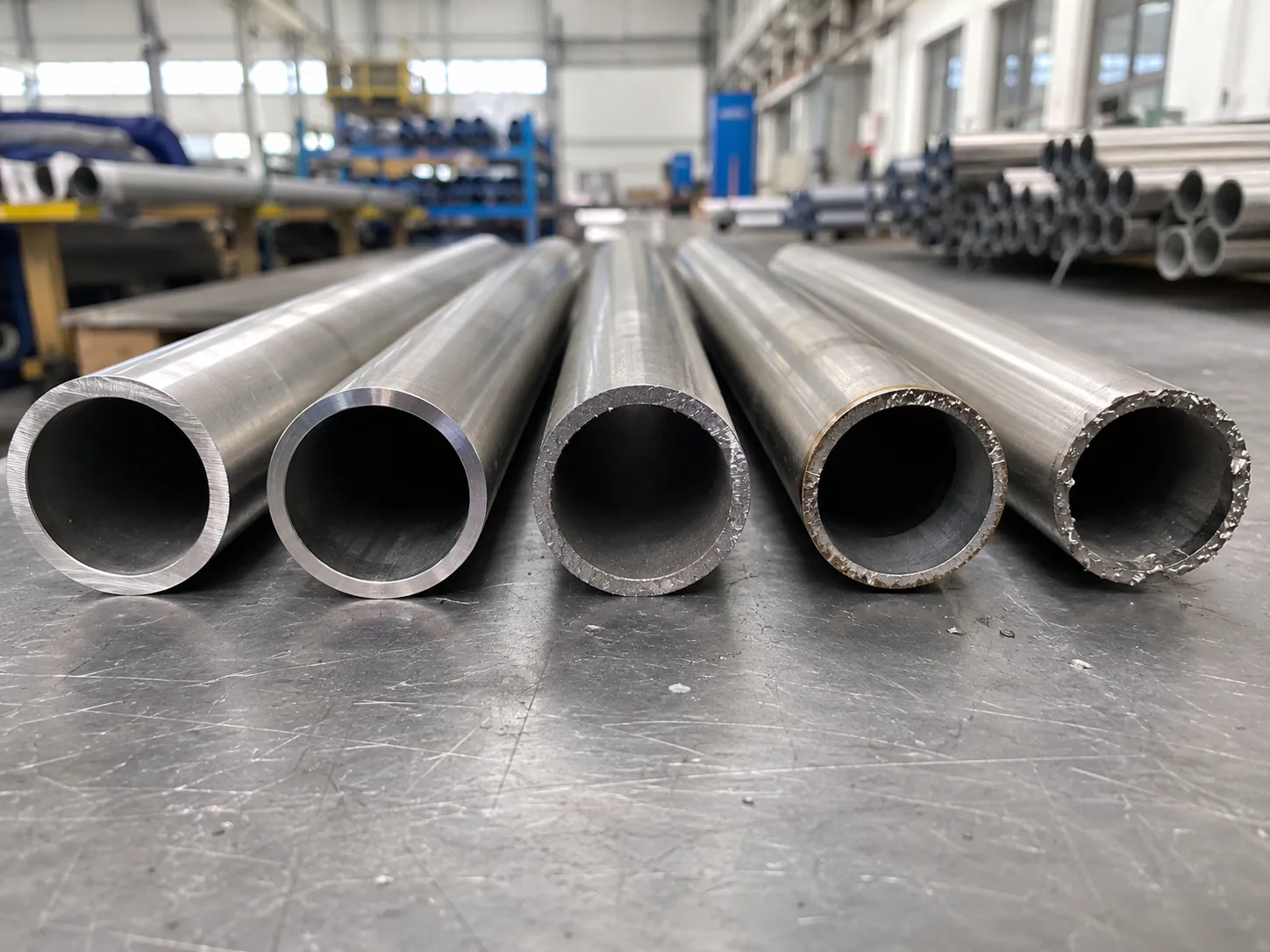
Yes. We offer beveled ends, square cut, or orbital-ready prep depending on the welding process.


Conclusion

The food and pharmaceutical sectors are governed by strict hygiene regulations—and tubing quality plays a vital role in product integrity and process efficiency. DLSS delivers seamless hygienic tubes tailored for cleanroom and sanitary environments, with full documentation and export support.

Let DLSS Pipeline help you meet sanitary tube compliance and performance in your next clean process project.

Wonderful! Share This Case:

Austenitic Stainless Steel

Duplex Stainless Steel

Nickel Alloys

▪ Incoloy Family

▪ Inconel Family

▪ Monel Family

▪ Hastelloy Family

▪ Other Special Alloys

Cobalt Alloys

Related Posts

How to Interpret a Stainless Steel Mill Test Certificate (MTC)

How to Interpret

Introduction A Mill Test Certificate (MTC), also known as a Material Test Report (MTR), is a quality assurance document provided by the manufacturer. It ensures the delivered stainless steel material—such as tubes, pipes, plates, or fittings—complies with the specified standards and purchase order. Understanding how to read an MTC is...

Read More
Finned Tube Material Selection Guide for Different Industrial Applications

Finned Tube Material

Selecting the right finned tube material is critical to achieving optimal performance, durability, and cost-effectiveness in heat exchanger systems. Different industries face different environmental and operational challenges, so your material choice should align with your application’s specific needs. If you are new to finned tube technology, start with Different Types...

Read More
Integrated Stainless Steel Piping Solutions for Industrial Projects

Integrated Stainless Steel

Introduction In large-scale industrial projects—such as oil refineries, power plants, food processing lines, and chemical facilities—procurement teams often face a key challenge: how to consolidate material supply while ensuring technical compliance and on-time delivery. DLSS offers a complete stainless steel piping solution, including seamless pipes, fittings, flanges, and documentation services...

Read More
Finned Tube Cleaning and Maintenance Best Practices – Keep Your Heat Exchanger at Peak Performance

Finned Tube Cleaning

Finned tube cleaning and maintenance are critical to ensuring optimal heat transfer performance and extending the service life of heat exchangers. Without proper care, fouling, corrosion, and fin damage can reduce efficiency and increase operating costs. For background on preventing fouling, read our article How to Prevent Corrosion and Fouling...

Read More
Electropolished Tubing: When and Why to Use It

Electropolished Tubing: When

Introduction In industries where surface purity, cleanliness, and corrosion resistance are paramount, electropolished (EP) tubing is no longer optional—it’s a necessity. Whether you’re building pharmaceutical cleanrooms, semiconductor cooling loops, or biotech reactors, EP tubing ensures the performance, sterility, and durability that standard stainless steel tubes can’t match. This article explains...

Read More
TP904L Stainless Pipes for Seawater Desalination in Japan – 日本海水淡水化向けTP904Lステンレス管

TP904L Stainless Pipes

Introduction Japan’s seawater desalination plants operate in highly corrosive environments due to the presence of chlorides and high salinity. TP904L stainless pipes from DLSS offer superior resistance to pitting and crevice corrosion, making them an ideal choice for JIS G3459 – Stainless Steel Pipes for Corrosion Resistance compliance in marine...

Read More
In‑Depth Guide to Finned Tubes: Why They’re Trending in 2025

In‑Depth Guide to

Overview & Industry Outlook Finned tubes are rapidly gaining attention in 2025 due to their unmatched ability to enhance thermal transfer efficiency in compact spaces. According to MarketWatch, the finned tube heat exchanger market is projected to reach USD 20+ billion globally, driven by the expanding needs of HVAC systems,...

Read More
How to Prevent Common Failures in Stainless Steel Tubes: 5 Case-Based Insights

How to Prevent

Introduction Even the best-grade stainless steel tubes can fail—if not properly selected, processed, or installed. From pitting corrosion in chloride-rich environments to stress corrosion cracking (SCC) in heat exchangers, these failures often lead to costly downtime, replacements, or even plant shutdowns. This article highlights 5 major failure types observed in...

Read More

Request A Quote

*We respect your confidentiality and all information are protected.