Global Market Outlook for Stainless Steel Seamless Pipes (2025–2030)

DLSS - Pipe&Tube - Global Market Outlook for Stainless Steel Seamless Pipes (2025–2030)

Introduction

The stainless steel seamless pipe industry is entering a new growth phase driven by infrastructure investments, energy transition, and decarbonization.
From oil & gas to clean energy, seamless pipes play a vital role in delivering strength, corrosion resistance, and reliability across mission-critical systems.

In this article, we provide an up-to-date view of global market trends, highlight regional insights, and discuss the top industries driving demand through 2030.
steel demand Global Market Outlook for Stainless Steel Seamless Pipes (2025–2030)

Global Market Size and Growth Forecast

According to GlobeNewswire, the global stainless steel seamless pipes market was valued at USD 3.9 billion in 2025 and is expected to reach USD 5.15 billion by 2030, growing at a CAGR of 5.6%.

Key growth drivers:

  • Increasing demand in refinery upgrades, petrochemical expansions, and gas transmission projects
  • Adoption of stainless steel in hydrogen and carbon capture infrastructure
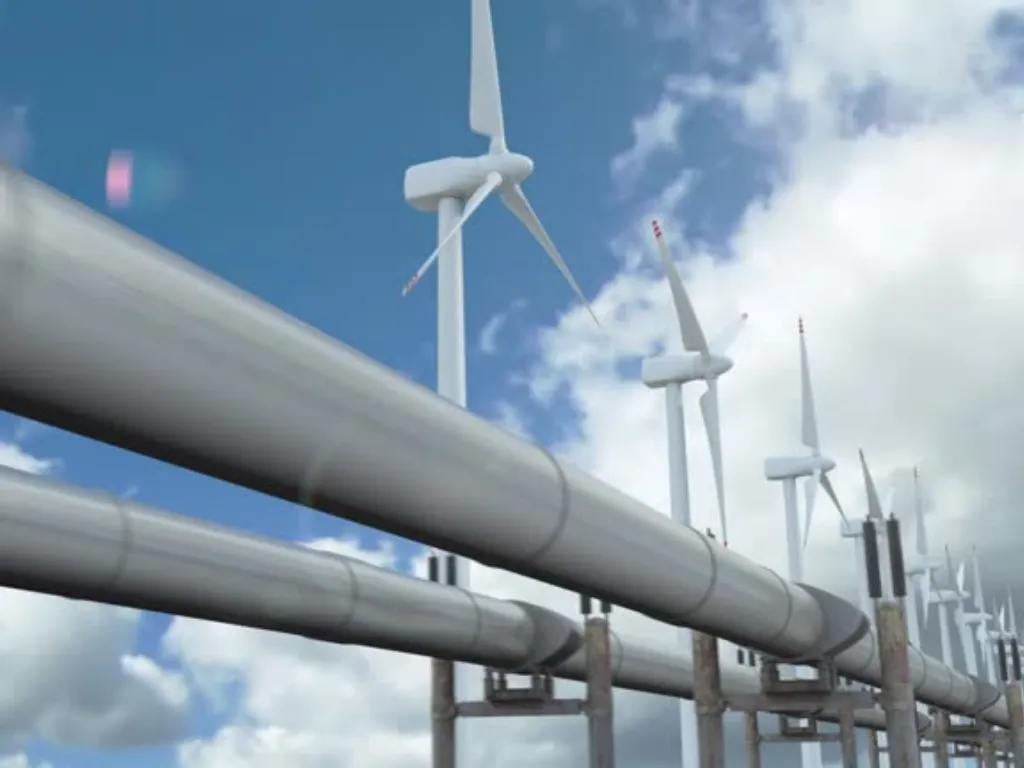
  • Expansion of offshore wind and geothermal systems
  • Focus on high-efficiency, low-maintenance industrial equipment

Leading Regions and Markets

Asia-Pacific

  • Dominated by China and India, which together account for over 50% of global consumption
  • Driven by mega projects in power generation, chemical processing, and urban infrastructure

Middle East

  • Significant demand from desalination plants, oil & gas EPC projects, and LNG export terminals
  • Clients often require NACE MR0175-certified tubes

Europe

  • Strong focus on renewables, especially green hydrogen, district heating, and waste-to-energy plants
  • Preference for tubes with EN 10204 3.2 certification, tested by TÜV, BV, or SGS
steel demand Global Market Outlook for Stainless Steel Seamless Pipes (2025–2030)

South America

  • Growing investments in biofuels, refining, and mining in Brazil, Argentina, and Chile
  • Demand for high-grade TP316L, TP347H, and Duplex 2205

Industry Segments Driving Demand

SectorKey Pipe Characteristics
Oil & GasSour gas resistance, NACE compliance, thick wall
PetrochemicalsTP316L/317L, high purity & pressure rated
Power GenerationSuperheater/boiler tubes, TP347H, Alloy 625
Renewable EnergyDuplex for seawater, Incoloy for high-temp HX
Pharma & FoodBA/EP tubes, ASTM A270-S2, ID polished

Technology and Quality Trends

  • Growing preference for pickled or electropolished seamless tubes
  • Increased use of automated testing (PMI, EC, UT)
  • Integration of digital MTC records and traceability systems
  • Demand for custom lengths and U-bend tubes for heat exchangers
steel demand Global Market Outlook for Stainless Steel Seamless Pipes (2025–2030)

Frequently Asked Questions (FAQ)

Q1: What is driving the stainless seamless pipe market in 2025?
Primarily growth in oil & gas, energy transition, and industrial modernization.

Q2: Which grades are in highest demand?
TP316L, TP347H, Duplex 2205, and special alloys like Incoloy 825 and Alloy 625.

Q3: Are 3.2 certified pipes becoming standard?
Yes, especially in Europe, South America, and government EPC projects.

Q4: How is DLSS supporting this growth?
DLSS supplies project-specific, standard-compliant seamless tubes across 40+ countries with flexible production and third-party inspections.
steel demand Global Market Outlook for Stainless Steel Seamless Pipes (2025–2030)

Conclusion

The stainless steel seamless pipe market is set to expand steadily over the next five years, fueled by energy investment, industrial upgrades, and global decarbonization goals.

By choosing a certified and experienced supplier like DLSS, project managers can secure reliable, traceable, and performance-driven pipe solutions ready for tomorrow’s demands.


Contact DLSS
Email: info@dlsspipe.com
Website: www.dlsspipeline.com

Wonderful! Share This Case:

Austenitic Stainless Steel

Duplex Stainless Steel

Nickel Alloys

▪ Incoloy Family

▪ Inconel Family

▪ Monel Family

▪ Hastelloy Family

▪ Other Special Alloys

Cobalt Alloys

Related Posts

Plate vs. Shell and Tube Heat Exchangers: A Complete Comparison Guide

Plate vs. Shell

Selecting the right heat exchanger is critical for ensuring operational efficiency, durability, and cost-effectiveness. Among the most commonly used designs are the plate heat exchanger (PHE) and the shell and tube heat exchanger (STHE)—each offering distinct performance advantages in specific industrial environments. This guide compares the two technologies in terms...

Read More
Electropolished Tubing: When and Why to Use It

Electropolished Tubing: When

Introduction In industries where surface purity, cleanliness, and corrosion resistance are paramount, electropolished (EP) tubing is no longer optional—it’s a necessity. Whether you’re building pharmaceutical cleanrooms, semiconductor cooling loops, or biotech reactors, EP tubing ensures the performance, sterility, and durability that standard stainless steel tubes can’t match. This article explains...

Read More
india-manufacturing-export-impact-stainless-steel-supply

Guía logística: Cómo

Meta descripción:¿Está planeando exportar tubos de acero inoxidable a Sudamérica? Esta guía explica cómo preparar documentación, embalaje e inspección para asegurar una entrega rápida y conforme a puertos de Brasil, Argentina, Chile, Colombia y más. 1. Introducción Sudamérica es una de las regiones de más rápido crecimiento en la demanda...

Read More
Why Stainless Steel Tube Grain Size Matters in Heat Exchanger Applications

Grain Size Requirements

For stainless steel heat exchanger tubes, grain size is not always the first item buyers mention in an RFQ. Most projects start with grade, outside diameter, wall thickness, length, heat treatment, surface finish, and testing requirements. However, in high-specification heat exchanger projects, grain size can become an important quality factor....

Read More
hygienic-food-pharma-heat-exchanger-stainless-steel

Hygienic Stainless Steel

In the food and pharmaceutical industries, cleanliness is not optional—it’s mandatory. Heat exchangers in these sectors are integral to pasteurization, sterilization, CIP (clean-in-place) loops, and product temperature control. That’s why the choice of tubing is critical. Sanitary-grade stainless steel tubes ensure both product safety and regulatory compliance, while also withstanding...

Read More
How to Improve Heat Exchanger Efficiency: Practical Tips for Better Heat Transfer Performance

How to Improve

Heat exchanger efficiency is important for chemical plants, refineries, power plants, marine systems, HVAC systems, food processing lines, and heat recovery projects. When a heat exchanger does not perform well, the result may be higher energy consumption, unstable outlet temperature, increased pressure drop, frequent cleaning, leakage, or unexpected downtime. Improving...

Read More
Understanding Duplex and Super Duplex Stainless Steel Tubes – Grades, Benefits, Applications

Understanding Duplex and

Introduction When stainless steel isn’t enough for aggressive environments—duplex and super duplex stainless steels step in. These high-performance materials combine the advantages of both austenitic and ferritic structures, offering exceptional strength and corrosion resistance, particularly in chloride-rich and offshore settings. At DLSS, we supply duplex and super duplex seamless tubes...

Read More
Comparing ASTM A213, A269, and A312 – Selecting the Right Stainless Steel Tube Standard

Comparing ASTM A213,

Introduction When sourcing stainless steel tubes, choosing the correct ASTM standard is critical for compliance, safety, and performance. Among the most commonly used specifications are: Each standard serves a specific purpose and comes with unique mechanical, dimensional, and testing requirements. This guide will help you understand the differences and select...

Read More

Request A Quote

*We respect your confidentiality and all information are protected.