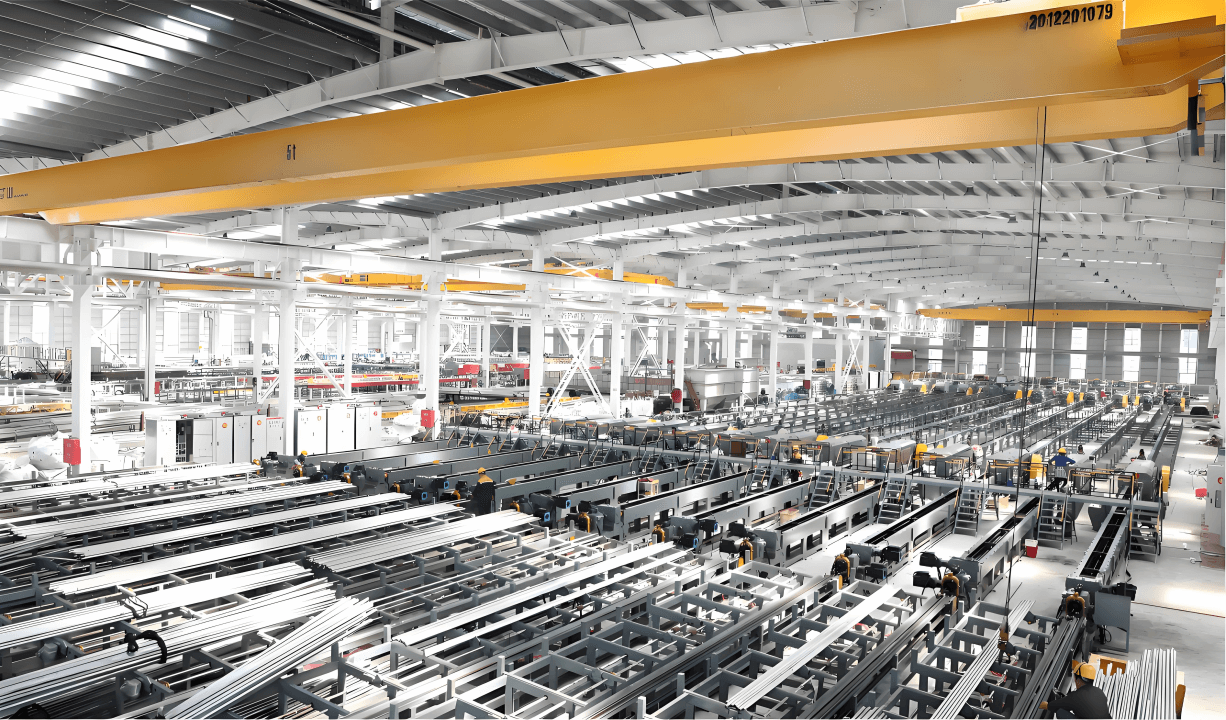
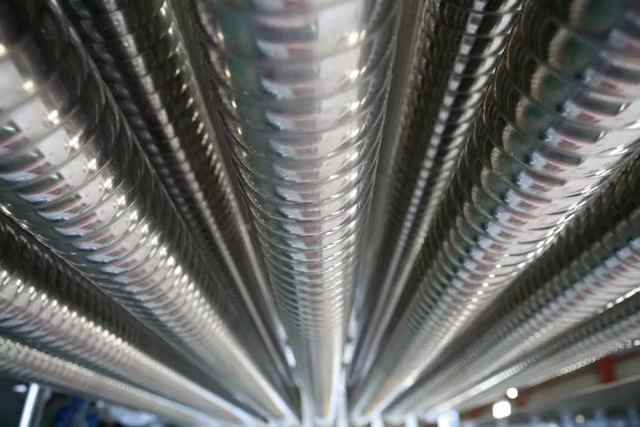
Heat exchangers are critical equipment in chemical plants, refineries, power plants, marine systems, HVAC systems, food processing, pharmaceutical utilities, and heat recovery projects. When a heat exchanger does not work properly, the problem may appear as poor heat transfer, high pressure drop, leakage, vibration, frequent fouling, unstable outlet temperature, or unexpected shutdown.
Troubleshooting should not start by replacing tubes immediately. A better approach is to check operating data, compare current performance with the original design, identify the root cause, and then decide whether cleaning, operation adjustment, material upgrade, tube plugging, tube replacement, or equipment repair is required.
This guide explains common heat exchanger problems, likely causes, practical checks, and possible solutions for industrial users and maintenance teams.
Quick Answer
Most heat exchanger problems come from five areas:
- Fouling, scaling, or blockage
- Incorrect flow rate or pressure drop
- Corrosion, erosion, or tube leakage
- Vibration or mechanical damage
- Wrong tube material or poor maintenance planning
A good troubleshooting process should check temperature, pressure drop, flow rate, fouling condition, tube condition, material compatibility, and inspection records before deciding the solution.
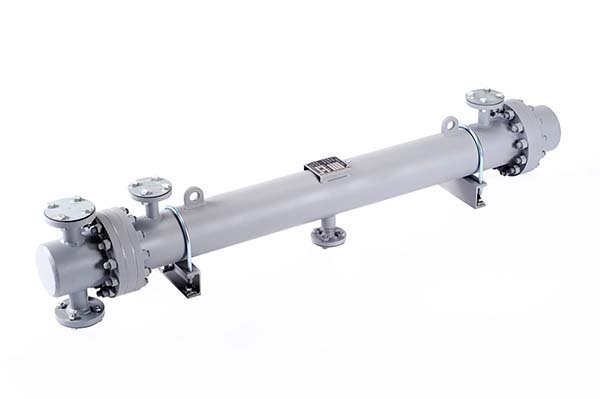
For shell and tube heat exchangers, tube material, wall thickness, surface finish, corrosion resistance, heat treatment, NDT, and MTC documents should also be reviewed when tube replacement is needed.
Common Heat Exchanger Problems and What They Mean
| Problem | Possible Meaning | First Check |
|---|---|---|
| Reduced heat transfer | Fouling, scaling, low flow, air pockets, wrong flow arrangement | Compare inlet and outlet temperatures |
| High pressure drop | Blockage, fouling, excessive flow, tube restriction | Check differential pressure trend |
| Tube leakage | Corrosion, erosion, vibration, thermal stress, material failure | Perform leak test and inspect failed tubes |
| Vibration or noise | Flow induced vibration, loose supports, pump issue, two phase flow | Check flow velocity and support condition |
| Frequent cleaning | Wrong material, poor water treatment, high fouling medium | Analyze fouling deposits and water quality |
| Short tube life | Corrosion, wrong grade, wrong surface finish, poor operation | Review medium, temperature, chloride and MTC |
The key is to avoid guessing. A single symptom may have several causes. For example, high pressure drop may come from fouling, but it may also come from excessive flow, blocked strainers, damaged baffles, or incorrect operation.
1. Reduced Heat Transfer Efficiency
Reduced heat transfer is one of the most common heat exchanger problems. The operator may notice that the outlet temperature cannot reach the target, energy consumption increases, or the process becomes unstable.
Possible Causes
- Fouling or scaling on tube surfaces
- Corrosion deposits
- Low flow rate
- Air or gas trapped in the system
- Incorrect flow arrangement
- Blocked tubes or channels
- Wrong tube material or surface condition
- Insufficient heat transfer area
- Poor cleaning interval
What to Check
Maintenance teams should compare current operating data with the design or clean condition:
- Hot side inlet and outlet temperature
- Cold side inlet and outlet temperature
- Tube side pressure drop
- Shell side pressure drop
- Flow rate
- Cleaning record
- Fouling history
- Water quality or process fluid condition
- Tube surface condition
If pressure drop increases while heat transfer decreases, fouling or blockage is likely. If pressure drop is normal but heat transfer is poor, the issue may be flow arrangement, trapped gas, wrong operating condition, or heat transfer area mismatch.
Possible Solutions
- Clean the tube side or shell side based on fouling type
- Improve filtration or water treatment
- Remove trapped air or gas
- Restore correct flow direction and flow rate
- Inspect for blocked tubes or damaged baffles
- Review whether the tube material is suitable for the medium
- Consider tube replacement or material upgrade if corrosion is found
2. High Pressure Drop
Pressure drop is a useful warning signal. If pressure drop rises over time, it often means the flow path is becoming restricted.
Possible Causes
- Fouling deposits
- Scaling
- Blocked tubes
- Debris in strainers or inlet nozzles
- Excessive flow velocity
- Damaged baffles
- Tube deformation
- Incorrect valve position
- Wrong operating condition
What to Check
- Differential pressure trend
- Flow rate
- Inlet strainer condition
- Tube side blockage
- Shell side blockage
- Fouling deposit type
- Recent process change
- Pump operation
- Control valve position
Possible Solutions
- Clean blocked tubes or plates
- Flush the system
- Check and clean strainers
- Reduce flow rate within design limits
- Inspect baffles and tube supports
- Review whether fouling control or filtration should be improved
Do not solve high pressure drop only by increasing pump power. This may create higher energy cost, erosion risk, vibration, or mechanical damage.
3. Tube Leakage
Tube leakage is a serious problem because it may cause fluid mixing, contamination, production shutdown, safety risk, or equipment damage.
Possible Causes
- Pitting corrosion
- Crevice corrosion
- Erosion corrosion
- Stress corrosion cracking
- Vibration fatigue
- Thermal stress
- Tube sheet joint failure
- Poor material selection
- Mechanical damage during cleaning
- Manufacturing defect or installation damage
What to Check
- Leak location
- Failed tube appearance
- Medium on both sides
- Chloride content
- Temperature and pressure
- Flow velocity
- Tube material grade
- Wall thickness
- Heat number and MTC
- Cleaning chemical history
- Previous repair or plugging record
If only one tube leaks, tube plugging may be possible depending on project rules. If multiple tubes leak or corrosion is widespread, tube replacement or material upgrade should be reviewed.
Possible Solutions
- Plug isolated leaking tubes if allowed
- Replace damaged tubes
- Upgrade tube material if corrosion is the root cause
- Review flow velocity to reduce erosion risk
- Improve water treatment or chemical control
- Check whether cleaning methods are damaging the tube surface
- Use suitable NDT for remaining tubes
For severe chloride or seawater service, standard stainless steel may not always be enough. Duplex, super duplex, titanium, copper nickel, 904L, or nickel alloy tubes may need to be considered depending on the medium and operating condition.
4. Vibration or Noise
Vibration and abnormal noise should not be ignored. In shell and tube heat exchangers, vibration can lead to tube wear, fatigue cracking, tube to baffle damage, and leakage.
Possible Causes
- Excessive flow velocity
- Flow induced vibration
- Loose tube supports
- Damaged baffles
- Two phase flow instability
- Pump cavitation
- Sudden flow changes
- Poor installation support
- Thermal expansion stress
What to Check
- Flow velocity
- Pump condition
- NPSH and cavitation signs
- Baffle condition
- Tube support condition
- Tube bundle movement
- Operating changes
- Start up and shutdown procedure
- Noise location
Possible Solutions
- Reduce flow velocity within design limits
- Inspect and repair baffles or supports
- Check pump operation
- Avoid sudden flow or temperature changes
- Review two phase flow condition
- Inspect tubes for wear marks near support points
- Consult design engineer if vibration repeats
If vibration has already caused tube wear, material replacement alone may not solve the problem. The root cause must be corrected.
5. Frequent Fouling or Scaling
If a heat exchanger needs cleaning too often, the problem may not be the cleaning method. It may be a system condition problem.
Possible Causes
- Poor water treatment
- High suspended solids
- Biological growth
- Mineral scaling
- Low flow velocity
- Dead zones
- Rough or damaged tube surface
- Wrong tube material
- Inadequate filtration
- Process fluid instability
What to Check
- Fouling deposit type
- Water quality
- Suspended solids
- pH value
- Hardness
- Chloride content
- Biological activity
- Flow velocity
- Cleaning interval
- Tube surface condition
Possible Solutions
- Improve filtration
- Adjust water treatment
- Maintain proper flow velocity
- Choose smoother tube surface if required
- Use suitable tube material
- Schedule cleaning based on performance data
- Analyze fouling deposits before selecting chemical cleaning
Do not use aggressive chemical cleaning without checking material compatibility. The wrong cleaning chemical may damage stainless steel, copper alloy, titanium, or nickel alloy tubes.
6. Corrosion or Short Tube Life
If tubes fail earlier than expected, material selection and operating conditions should be reviewed.
Possible Causes
- Wrong material grade
- High chloride content
- High temperature corrosion
- Low pH or aggressive chemicals
- Galvanic corrosion
- Under deposit corrosion
- Poor surface condition
- Incorrect cleaning chemical
- Flow velocity too high or too low
- Incomplete material documentation
What to Check
- Original material grade
- MTC and heat number
- Actual medium
- Temperature and pressure
- Chloride level
- pH value
- Flow velocity
- Fouling and deposit condition
- Cleaning history
- Failure appearance
- Service life compared with expectation
Possible Solutions
- Upgrade to a more suitable material
- Improve water or chemical treatment
- Adjust cleaning method
- Reduce stagnant zones
- Review surface finish requirement
- Check galvanic contact with other metals
- Use proper inspection and documentation for replacement tubes
Material upgrade should be based on failure analysis, not only on price or material availability.
Troubleshooting Checklist Before Tube Replacement
Before ordering replacement tubes, buyers should collect enough information for proper material review.
Prepare the following:
- Heat exchanger type
- Tube material grade
- Original standard
- OD, wall thickness, and length
- Straight tube or U tube
- Quantity
- Tube side medium
- Shell side medium
- Operating temperature
- Operating pressure
- Flow rate
- Failure symptom
- Fouling or corrosion photos
- Failed tube sample, if available
- MTC of original tubes, if available
- Cleaning history
- Inspection report
- Required delivery schedule
If the original tube failed early, do not simply copy the old material. The failure reason should be reviewed first.
What to Include in the RFQ for Replacement Tubes
A clear RFQ helps the supplier recommend the right tube material and avoid delays.
Buyers should provide:
- Material grade or request supplier recommendation
- Applicable standard
- OD, wall thickness, and length
- Straight tube or U tube
- Quantity
- Surface finish requirement
- Heat treatment requirement
- NDT requirement
- Hydrostatic test requirement
- PMI requirement
- MTC requirement
- Third party inspection requirement
- Packing requirement
- Delivery schedule
- Drawing or tube sheet layout, if available
If the buyer is not sure which material is suitable, the RFQ can state:
“Please review the attached heat exchanger operating condition, medium, temperature, pressure, fouling condition, corrosion history, failed tube photos, and inspection requirement. Please recommend a suitable replacement tube material and advise the technical risk before quotation.”
How DLSS Supports Heat Exchanger Troubleshooting Projects
DLSS supplies stainless steel and alloy tubes for shell and tube heat exchangers, condensers, boilers, evaporators, U tube bundles, marine systems, chemical plants, power plants, food processing, and industrial heat transfer equipment.
Our support includes:
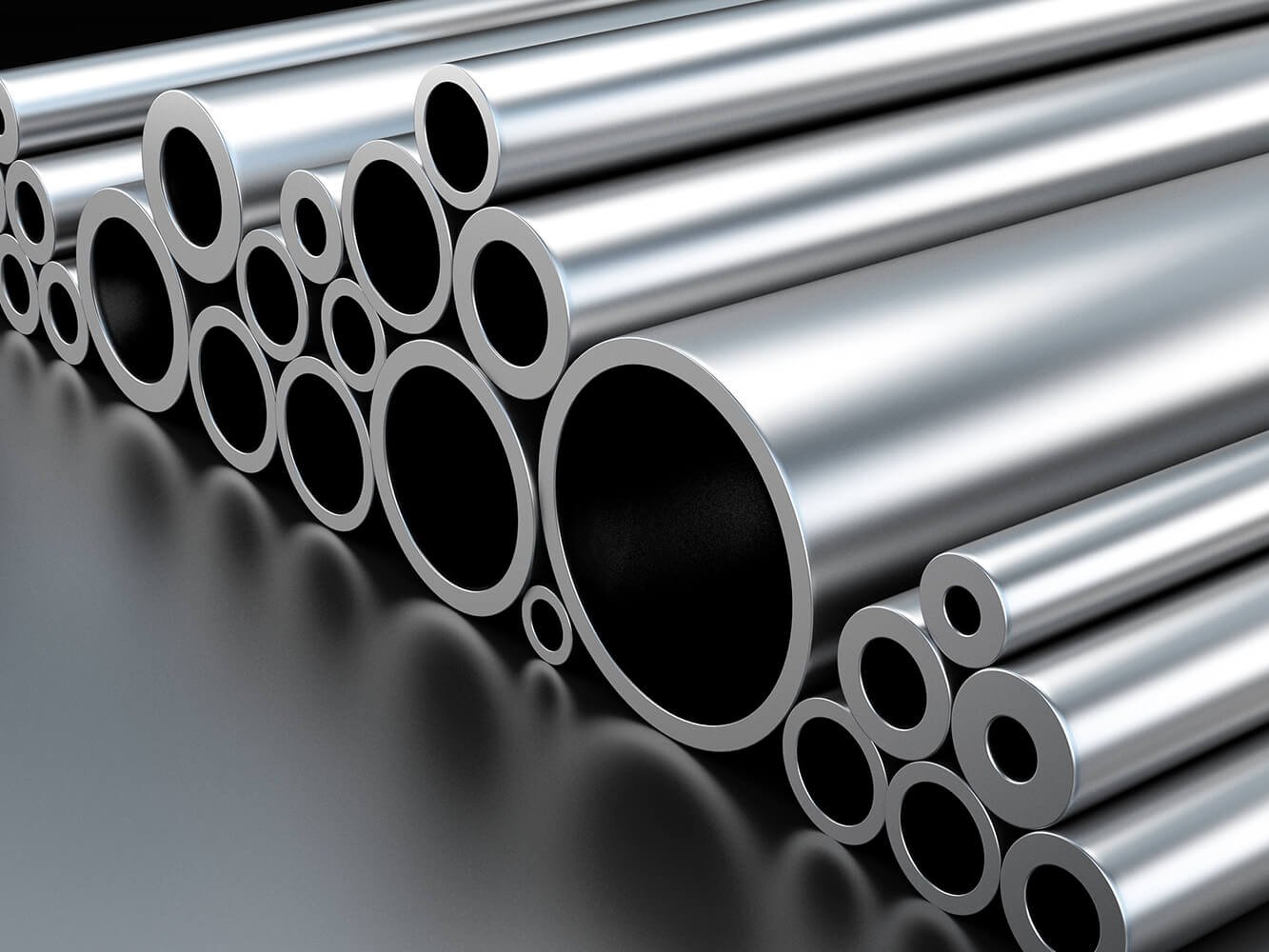
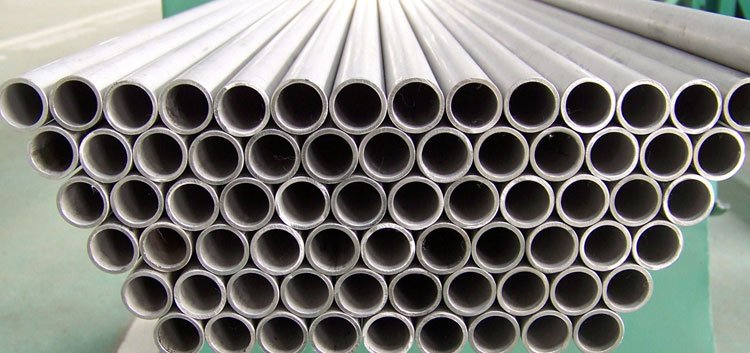
- Stainless steel heat exchanger tubes
- Seamless and welded stainless steel tubes
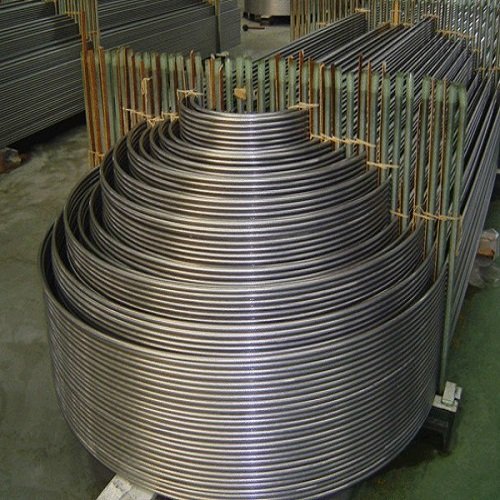
- U bent tubes
- Bright annealed tubes
- Pickled tubes
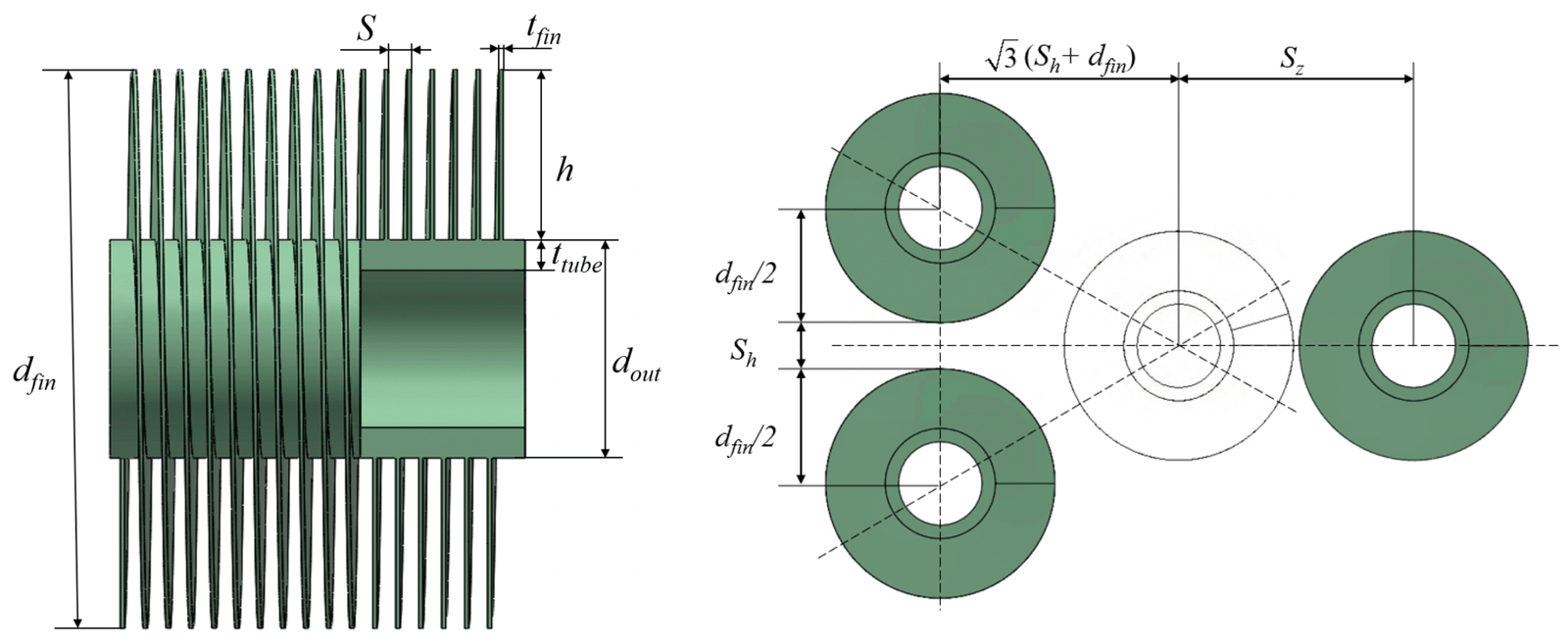
- Low finned tubes
- Duplex and super duplex tubes
- Titanium tubes
- Copper nickel condenser tubes
- Nickel alloy tubes
- MTC and heat number traceability
- PMI, ET, UT, hydrostatic test coordination
- Third party inspection support
- Export packing for long distance shipment
Before production, DLSS can help buyers review the medium, failure symptom, tube material, standard, inspection scope, MTC requirement, and delivery schedule. The goal is to reduce repeated failure risk and support stable heat exchanger operation.
Common Mistakes to Avoid
Mistake 1: Replacing Tubes Without Finding the Root Cause
If the original failure was caused by corrosion, vibration, poor water treatment, or wrong cleaning chemicals, replacing with the same material may lead to the same failure again.
Mistake 2: Treating Fouling Only as a Cleaning Problem
Frequent fouling may be caused by poor water quality, low flow velocity, rough surface, unsuitable material, or process instability.
Mistake 3: Ignoring Pressure Drop Trend
Pressure drop trend can help identify fouling, blockage, or flow restriction before the problem becomes serious.
Mistake 4: Choosing Material Only by Price
The cheapest replacement tube may not solve corrosion, leakage, or service life problems.
Mistake 5: Sending an Incomplete RFQ
Without medium, pressure, temperature, failure symptom, inspection requirement, and original tube details, the supplier cannot make a reliable recommendation.
FAQ
What is the most common heat exchanger problem?
Fouling is one of the most common problems. It reduces heat transfer, increases pressure drop, and may lead to higher energy cost and more frequent cleaning.
Why is my heat exchanger not transferring enough heat?
Possible reasons include fouling, scaling, low flow rate, air pockets, wrong flow arrangement, blocked tubes, or unsuitable tube material.
What causes high pressure drop in a heat exchanger?
High pressure drop may be caused by fouling, blockage, excessive flow velocity, damaged baffles, tube restriction, or incorrect valve position.
What causes heat exchanger tube leaks?
Tube leaks may be caused by corrosion, erosion, vibration fatigue, thermal stress, cleaning damage, poor material selection, or tube sheet joint problems.
Should I replace heat exchanger tubes with the same material?
Not always. If the old tubes failed early, the root cause should be reviewed before selecting the replacement material.
What information should I send to DLSS for troubleshooting support?
Please send tube material, size, standard, medium, temperature, pressure, failure symptom, photos, inspection report, original MTC, cleaning history, and required delivery schedule.
Conclusion
Heat exchanger troubleshooting should be based on symptoms, operating data, inspection results, and root cause analysis. Poor heat transfer, high pressure drop, leakage, vibration, and frequent fouling all require different checks and solutions.
For shell and tube heat exchangers, tube material selection is especially important. The right replacement tube should match the medium, temperature, pressure, corrosion condition, fouling tendency, inspection requirement, and expected service life.
DLSS supports heat exchanger troubleshooting and replacement projects with stainless steel, duplex, super duplex, titanium, copper nickel, nickel alloy, U bent, finned, seamless, and welded tubes. If your heat exchanger has repeated fouling, leakage, corrosion, or tube failure, our team can help review your specification and recommend a practical replacement tube solution.