Inconel 625 Seamless Tubes: Ultimate Solution for Corrosion and High-Temperature Performance

DLSS - Pipe&Tube - Inconel 625 Seamless Tubes: Ultimate Solution for Corrosion and High-Temperature Performance

Introduction

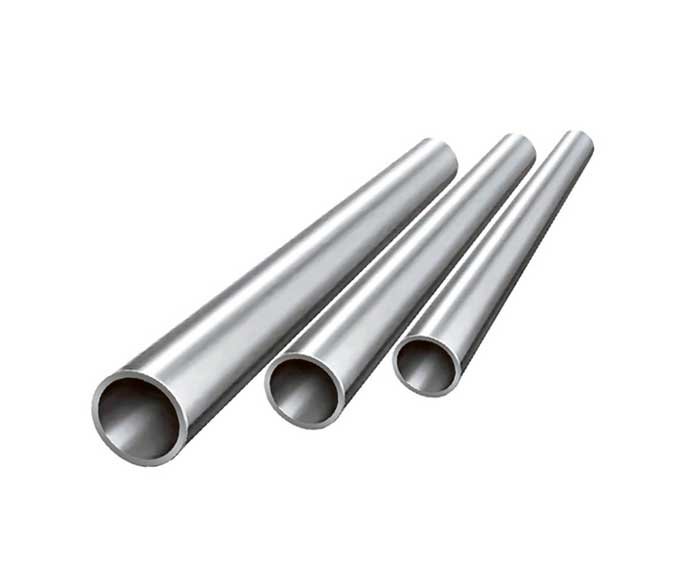
Inconel 625 seamless tubes are high-performance nickel-chromium-molybdenum-niobium alloys known for their extraordinary strength, thermal stability, and corrosion resistance. These tubes are widely used in marine environments, offshore oil & gas platforms, nuclear systems, and chemical process plants, especially where chloride-induced pitting, stress corrosion cracking, or elevated temperatures are major concerns.

See: Inconel – Wikipedia


What Is Inconel 625?

Inconel 625 (UNS N06625) is a solid solution strengthened alloy that contains:

  • Nickel (≥58%) – corrosion and oxidation resistance
  • Chromium (~21%) – enhances resistance to oxidizing agents
  • Molybdenum and Niobium – strengthen the alloy and improve resistance to pitting and crevice corrosion

This unique combination of elements makes Inconel 625 one of the most trusted materials in aggressive industrial environments.


Key Features of Inconel 625 Seamless Tubes

  • Excellent resistance to chloride-induced stress corrosion cracking
  • High strength without heat treatment due to niobium-based solid solution
  • Excellent weldability with minimal risk of cracking
  • Resistance to pitting, crevice corrosion, and oxidation
  • Stable performance up to 980°C (1800°F)
  • Non-magnetic, suitable for marine and defense applications

Keyword targets: Inconel 625 tube, UNS N06625 seamless pipe, high-temperature nickel alloy tube, chloride-resistant tubing


Mechanical Properties

PropertyTypical Value (Annealed)
Tensile Strength≥ 827 MPa
Yield Strength≥ 414 MPa
Elongation≥ 30%
Operating Temp. Range-196°C to 980°C

Reference standard: ASTM B444 – Inconel 625 Tubing


Applications of Inconel 625 Tubes

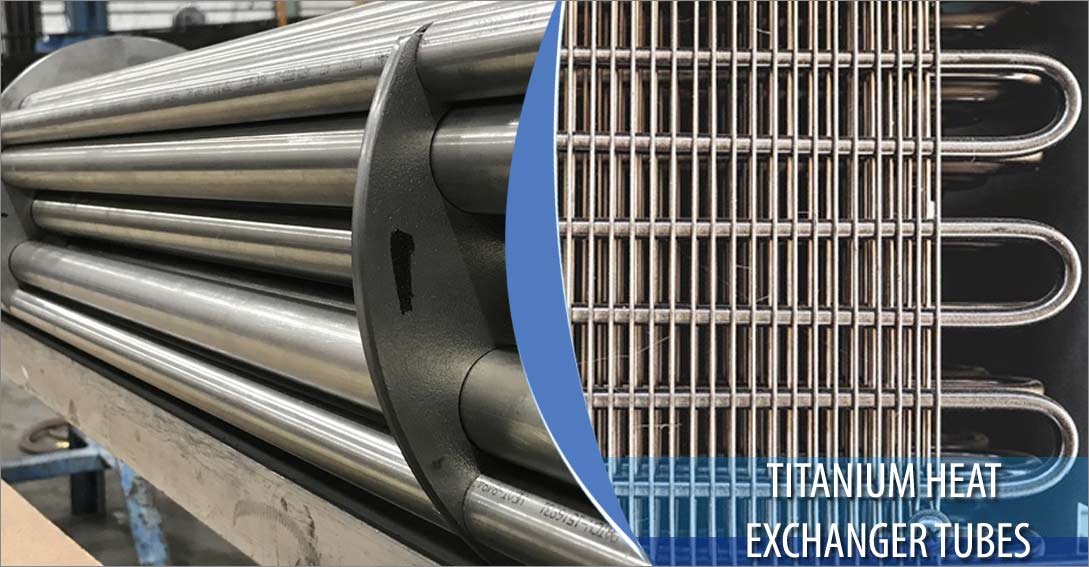
  • Seawater heat exchanger tubes
  • Subsea riser piping and umbilicals
  • Fertilizer plant scrubber tubes
  • Nuclear reactor control and fuel assemblies
  • Exhaust ducting in aerospace and turbine engines
  • Hydrogen chloride handling and flue gas scrubbers
  • Boiler feedwater and steam lines in power plants

More info: Heat exchanger – Wikipedia


Manufacturing Standards

  • ASTM B444 – Seamless, cold-worked, Inconel 625 pipe
  • ASME SB-444 – Pressure vessel application
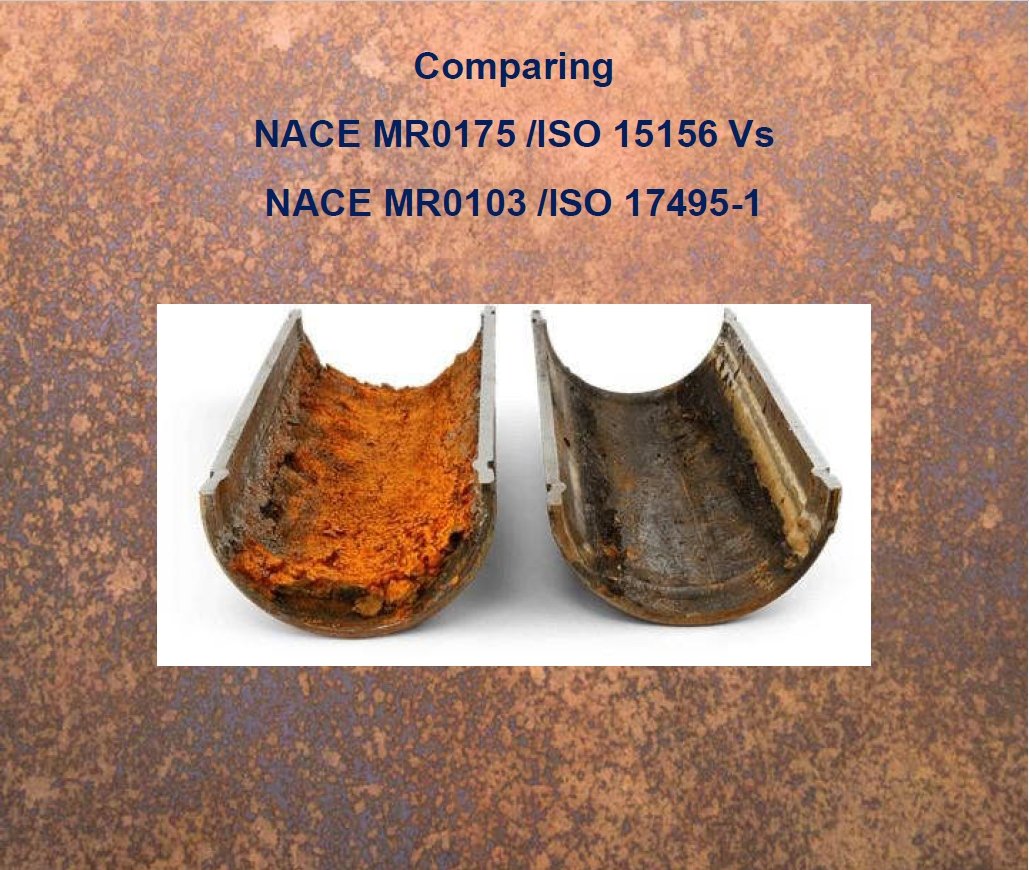
  • NACE MR0175 / ISO 15156 – Sour service compliance
  • Third-party inspection: SGS, TUV, BV
  • Certifications: EN10204 3.1 / 3.2, PMI, Hydrotest, NDT reports

Keyword targets: ASTM B444 tube, N06625 pipe supplier, NACE compliant nickel tube


Why Choose Inconel 625 Over 316L or Duplex?

PropertyInconel 625316L SSDuplex 2205
Max Temp Resistance~980°C~550°C~600°C
Pitting ResistanceExcellentModerateGood
Chloride SCC ResistanceExcellentLimitedBetter than 316L
WeldabilityExcellentGoodRequires care

If you are operating in seawater, acid gas, or high-pressure steam, Inconel 625 outperforms almost all common stainless steels.


DLSS – Your Inconel 625 Seamless Tube Supplier

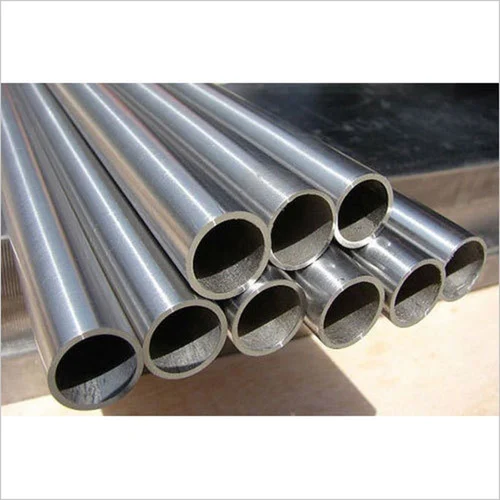
DLSS supplies cold-drawn and cold-rolled Inconel 625 seamless tubes for demanding industries. Product specifications include:

  • Outer Diameter: 6 mm to 60 mm
  • Wall Thickness: 0.7 mm to 6 mm
  • Surface Finish: Bright annealed or pickled
  • Form: Straight, U-bent, or coiled
  • Packing: Seaworthy plywood crates with plastic end caps

Website: www.dlsspipe.com
Email: info@dlsspipe.com


Frequently Asked Questions (FAQ)

Q1: What makes Inconel 625 ideal for seawater applications?
A: Its high molybdenum and chromium content provides superior pitting resistance in chloride-rich environments.

Q2: Can DLSS provide tubes with NACE MR0175 compliance?
A: Yes. Tubes for sour gas service are available with NACE and ISO 15156 documentation.

Q3: What is the minimum order quantity for Inconel 625 seamless tubes?
A: Typically 50–100 meters depending on size and specification.

Wonderful! Share This Case:

Austenitic Stainless Steel

Duplex Stainless Steel

Nickel Alloys

▪ Incoloy Family

▪ Inconel Family

▪ Monel Family

▪ Hastelloy Family

▪ Other Special Alloys

Cobalt Alloys

Related Posts

Energy-Saving Tips for Industrial Heat Exchangers

Energy-Saving Tips for Industrial Heat

1. Introduction – Energy Savings in Heat Exchangers Industrial facilities often spend a significant portion of their energy budget on heating and cooling processes. Optimizing heat exchanger performance not only lowers energy consumption but also extends equipment life and reduces maintenance costs. This guide shares proven strategies to maximize energy efficiency in shell and tube […]

Read More
316 vs 316L vs 316Ti stainless steel

316 vs 316L vs 316Ti

1. Overview In demanding industries such as heat exchangers, condensers, boilers, and pressure vessels, stainless steels of the 316 family are among the most widely used materials. However, choosing between 316, 316L, and 316Ti depends on factors like weldability, temperature stability, and corrosion resistance. At DLSS (Zhejiang Daling Special Steel Co., Ltd.), we supply all […]

Read More
Inconel 625 Seamless Tubes: Ultimate Solution for Corrosion and High-Temperature Performance

Inconel 625 Seamless Tubes: Ultimate

Introduction Inconel 625 seamless tubes are high-performance nickel-chromium-molybdenum-niobium alloys known for their extraordinary strength, thermal stability, and corrosion resistance. These tubes are widely used in marine environments, offshore oil & gas platforms, nuclear systems, and chemical process plants, especially where chloride-induced pitting, stress corrosion cracking, or elevated temperatures are major concerns. See: Inconel – Wikipedia […]

Read More
Seamless vs. Welded Pipes: Which Is Right for Your Industrial Pipeline?

Seamless vs. Welded Pipes: Which

Meta Description:Compare seamless and welded pipes in terms of cost, pressure capacity, corrosion resistance, and industrial use. Learn how to choose the right pipe for your project. Introduction In pipeline engineering, one of the most common questions from project engineers and procurement teams is:“Should we use seamless pipes or welded pipes?” Each option has distinct […]

Read More

Plate Heat Exchanger vs Shell

1. Introduction – Plate vs Shell and Tube Heat Exchanger When selecting a heat exchanger for your application, one of the most common decisions is between a plate heat exchanger (PHE) and a shell and tube heat exchanger (STHE). Both designs have unique advantages and limitations. This guide compares the two to help you choose […]

Read More
Flange Sealing Techniques: How to Ensure a Leak-Proof Pipeline Connection

Flange Sealing Techniques: How to

Meta Description:Explore how proper flange sealing techniques, gasket selection, and installation methods impact pipeline integrity. Learn how to avoid flange leaks in industrial systems. Introduction If you’ve ever walked through an oil refinery or a chemical plant, you’ve probably seen a flange connection wrapped in insulation—maybe even dripping or steaming from a tiny leak. Flange […]

Read More
Understanding Pickling and Passivation in Stainless Steel Tube Production

Understanding Pickling and Passivation in

Meta Description:Learn how pickling and passivation improve corrosion resistance in stainless steel tubes. Explore DLSS’s cleaning methods, ASTM standards, and industry-specific applications. Introduction Even the highest-grade stainless steel can suffer from surface contamination during tube forming, welding, or heat treatment. To restore the full corrosion resistance of stainless steel tubes, manufacturers must apply pickling and […]

Read More
TP316L Stainless Pipes for Japan’s Chemical Processing Plants – 日本化学プラント向けTP316Lステンレス管

TP316L Stainless Pipes for Japan’s

Introduction Japan’s chemical industry demands high-performance stainless steel pipes capable of withstanding aggressive media and high temperatures. TP316L stainless pipes by DLSS meet JIS G3459 – Stainless Steel Pipes for Corrosion Resistance, ensuring durability, weldability, and excellent resistance to chloride-induced corrosion common in Japanese chemical processing plants. 1. Why TP316L for Japan’s Chemical Industry(日本化学産業でTP316Lが選ばれる理由) 2. […]

Read More

Request A Quote

*We respect your confidentiality and all information are protected.