Inconel 625 Seamless Tubes: Ultimate Solution for Corrosion and High-Temperature Performance

DLSS - Pipe&Tube - Inconel 625 Seamless Tubes: Ultimate Solution for Corrosion and High-Temperature Performance

Introduction

Inconel 625 seamless tubes are high-performance nickel-chromium-molybdenum-niobium alloys known for their extraordinary strength, thermal stability, and corrosion resistance. These tubes are widely used in marine environments, offshore oil & gas platforms, nuclear systems, and chemical process plants, especially where chloride-induced pitting, stress corrosion cracking, or elevated temperatures are major concerns.

See: Inconel – Wikipedia


What Is Inconel 625?

Inconel 625 (UNS N06625) is a solid solution strengthened alloy that contains:

  • Nickel (≥58%) – corrosion and oxidation resistance
  • Chromium (~21%) – enhances resistance to oxidizing agents
  • Molybdenum and Niobium – strengthen the alloy and improve resistance to pitting and crevice corrosion

This unique combination of elements makes Inconel 625 one of the most trusted materials in aggressive industrial environments.


Key Features of Inconel 625 Seamless Tubes

  • Excellent resistance to chloride-induced stress corrosion cracking
  • High strength without heat treatment due to niobium-based solid solution
  • Excellent weldability with minimal risk of cracking
  • Resistance to pitting, crevice corrosion, and oxidation
  • Stable performance up to 980°C (1800°F)
  • Non-magnetic, suitable for marine and defense applications

Keyword targets: Inconel 625 tube, UNS N06625 seamless pipe, high-temperature nickel alloy tube, chloride-resistant tubing


Mechanical Properties

PropertyTypical Value (Annealed)
Tensile Strength≥ 827 MPa
Yield Strength≥ 414 MPa
Elongation≥ 30%
Operating Temp. Range-196°C to 980°C

Reference standard: ASTM B444 – Inconel 625 Tubing


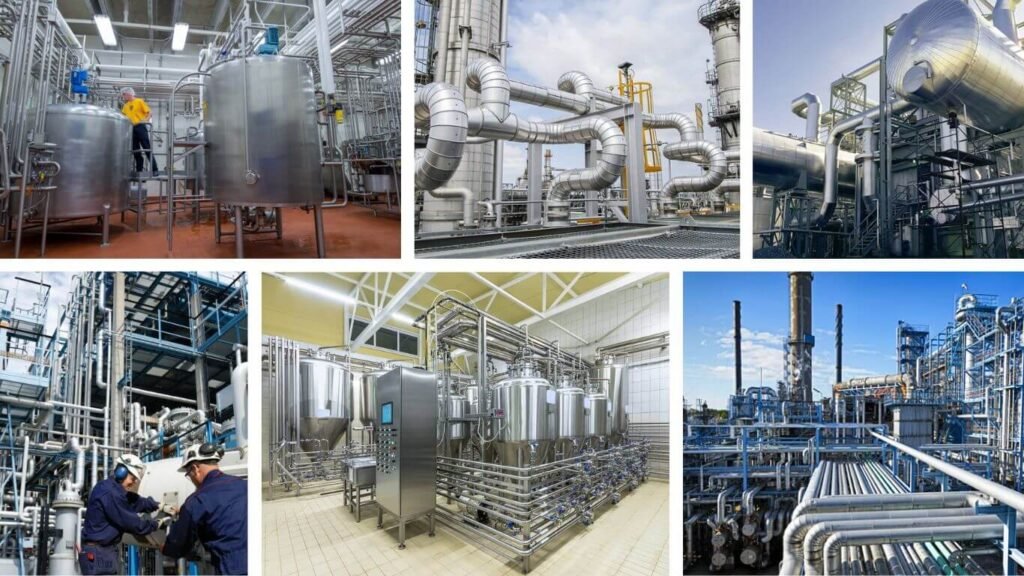
Applications of Inconel 625 Tubes

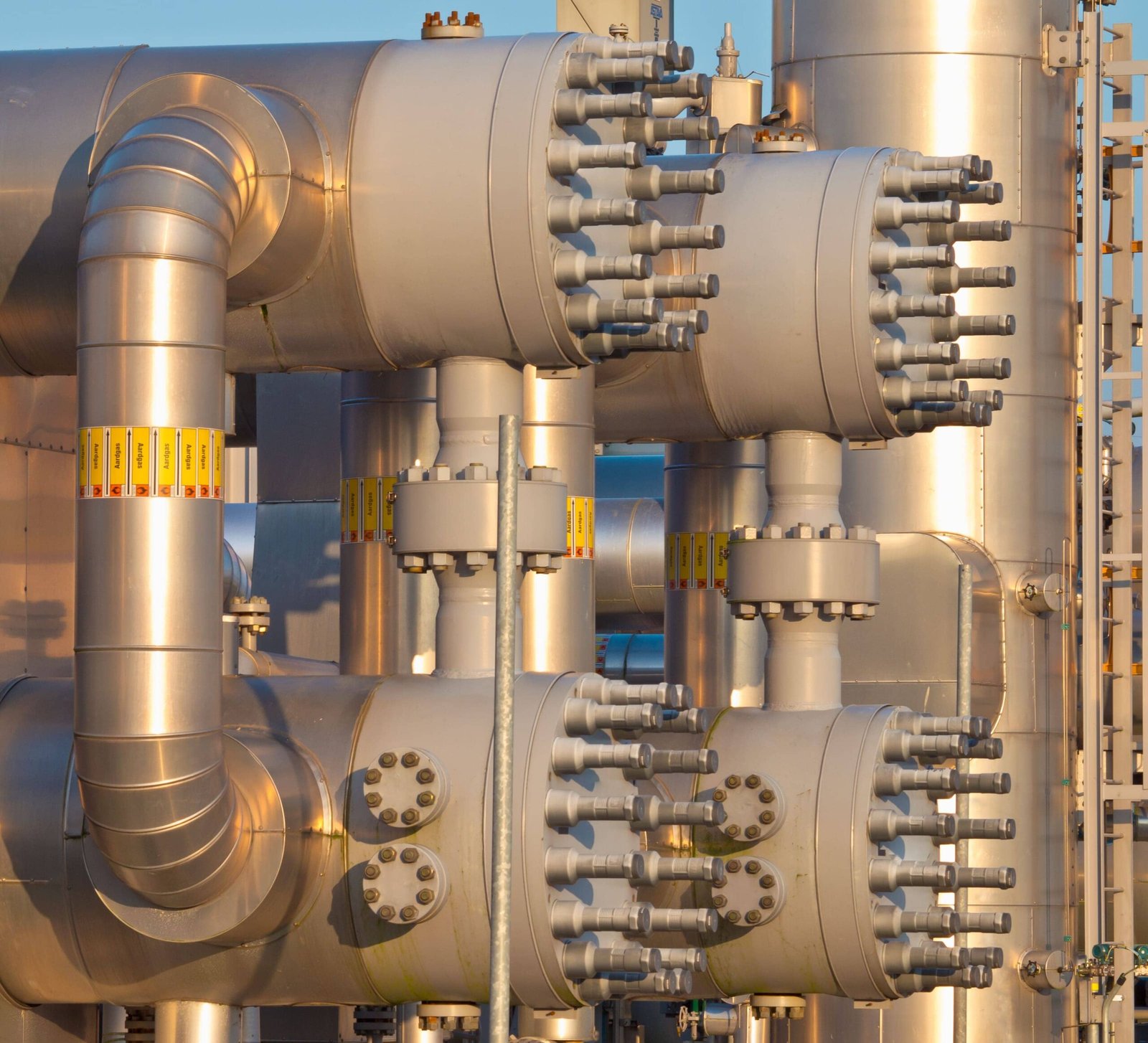
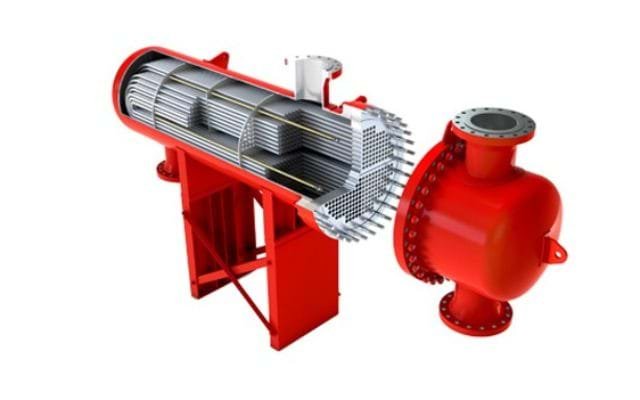
  • Seawater heat exchanger tubes
  • Subsea riser piping and umbilicals
  • Fertilizer plant scrubber tubes
  • Nuclear reactor control and fuel assemblies
  • Exhaust ducting in aerospace and turbine engines
  • Hydrogen chloride handling and flue gas scrubbers
  • Boiler feedwater and steam lines in power plants

More info: Heat exchanger – Wikipedia


Manufacturing Standards

  • ASTM B444 – Seamless, cold-worked, Inconel 625 pipe
  • ASME SB-444 – Pressure vessel application
  • NACE MR0175 / ISO 15156 – Sour service compliance
  • Third-party inspection: SGS, TUV, BV
  • Certifications: EN10204 3.1 / 3.2, PMI, Hydrotest, NDT reports

Keyword targets: ASTM B444 tube, N06625 pipe supplier, NACE compliant nickel tube


Why Choose Inconel 625 Over 316L or Duplex?

PropertyInconel 625316L SSDuplex 2205
Max Temp Resistance~980°C~550°C~600°C
Pitting ResistanceExcellentModerateGood
Chloride SCC ResistanceExcellentLimitedBetter than 316L
WeldabilityExcellentGoodRequires care

If you are operating in seawater, acid gas, or high-pressure steam, Inconel 625 outperforms almost all common stainless steels.


DLSS – Your Inconel 625 Seamless Tube Supplier

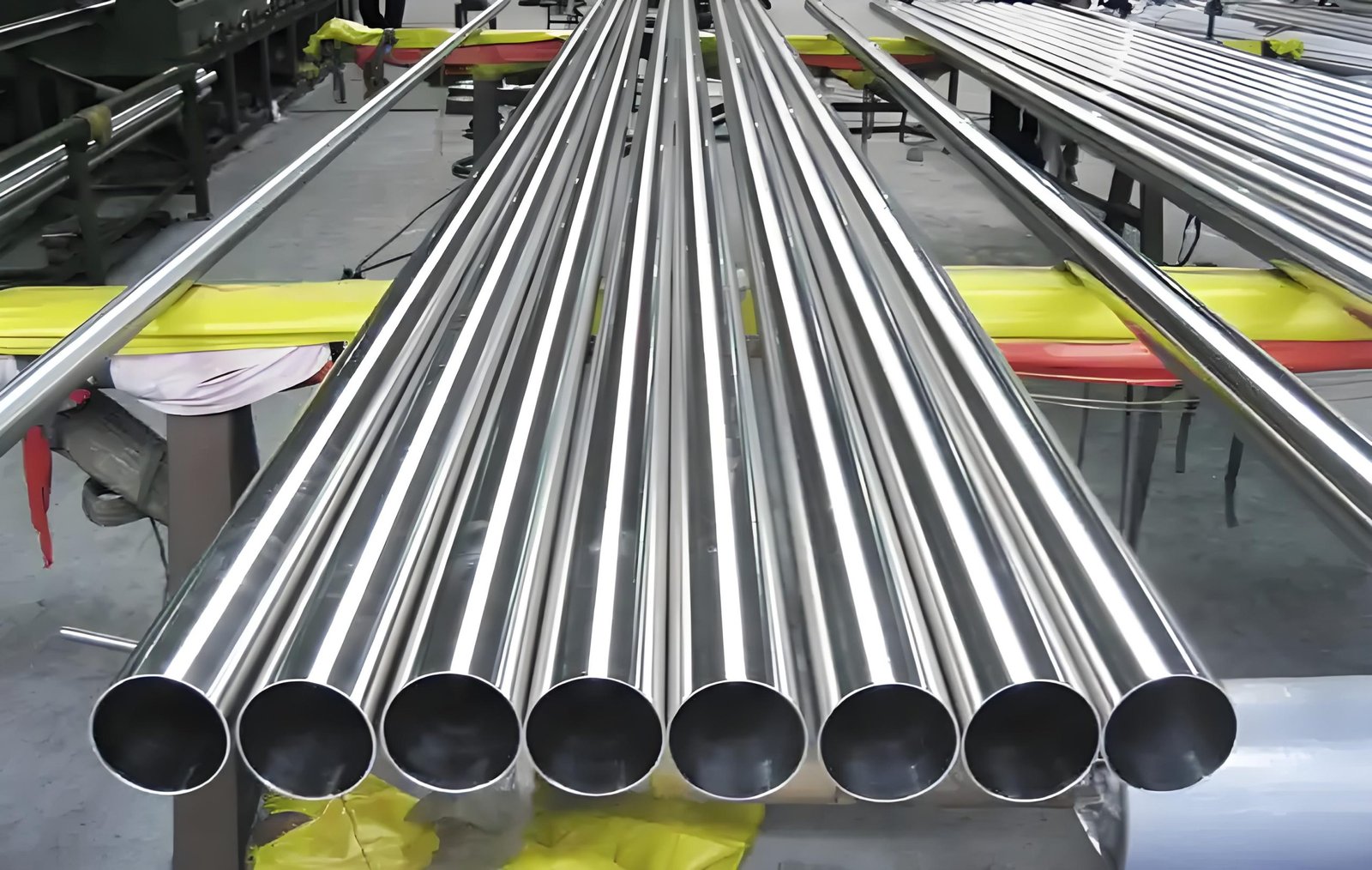
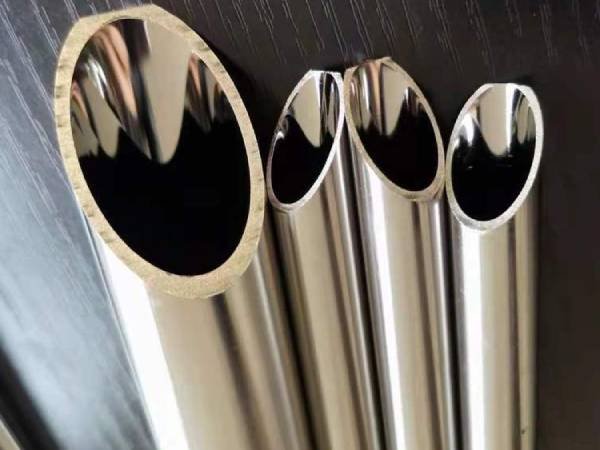
DLSS supplies cold-drawn and cold-rolled Inconel 625 seamless tubes for demanding industries. Product specifications include:

  • Outer Diameter: 6 mm to 60 mm
  • Wall Thickness: 0.7 mm to 6 mm
  • Surface Finish: Bright annealed or pickled
  • Form: Straight, U-bent, or coiled
  • Packing: Seaworthy plywood crates with plastic end caps

Website: www.dlsspipe.com
Email: info@dlsspipe.com


Frequently Asked Questions (FAQ)

Q1: What makes Inconel 625 ideal for seawater applications?
A: Its high molybdenum and chromium content provides superior pitting resistance in chloride-rich environments.

Q2: Can DLSS provide tubes with NACE MR0175 compliance?
A: Yes. Tubes for sour gas service are available with NACE and ISO 15156 documentation.

Q3: What is the minimum order quantity for Inconel 625 seamless tubes?
A: Typically 50–100 meters depending on size and specification.

Wonderful! Share This Case:

Austenitic Stainless Steel

Duplex Stainless Steel

Nickel Alloys

▪ Incoloy Family

▪ Inconel Family

▪ Monel Family

▪ Hastelloy Family

▪ Other Special Alloys

Cobalt Alloys

Related Posts

Choosing Between 304L, 316L, and 317L Stainless Steel Tubes – What’s Right for Your Application?

Choosing Between 304L,

Introduction When selecting stainless steel tubes for industrial use, choosing the right grade can significantly affect corrosion resistance, mechanical performance, and cost efficiency. Among the most widely used austenitic stainless steels are 304L, 316L, and 317L. Though they may appear similar, their chemical makeup and performance differ greatly in environments...

Read More
Why Alloy C-276 Pipes are Essential for Acid Processing Industries

Why Alloy C-276

1. Introduction Industries handling aggressive chemicals such as sulfuric acid, hydrochloric acid, and phosphoric acid face constant challenges in piping material selection. Hastelloy C-276 (Alloy C-276) pipes are one of the most reliable choices for these corrosive environments. With outstanding resistance to strong oxidizers, reducing agents, and mixed chemical streams,...

Read More
ASTM A270 vs ASME BPE: Understanding the Difference in Sanitary Tubing Standards

ASTM A270 vs

Introduction When sourcing sanitary stainless steel tubes for use in food, beverage, or pharmaceutical industries in Latin America, two standards dominate global procurement: At first glance, both appear to specify hygienic tubing. But choosing the correct one depends on your application, surface requirements, and regulatory environment—especially for exports to the...

Read More
How Stainless Steel Tubes Ensure Safety and Efficiency in South American Power Plants

How Stainless Steel

Introduction South America’s growing energy demand is driving the expansion of both conventional and renewable power plants. Whether it’s a thermoelectric station in Brazil or a biomass facility in Chile, one common requirement persists: reliable, long-lasting piping systems. Stainless steel seamless tubes are essential in these operations, especially in heat...

Read More
Top 7 Types of Finned Tubes and Their Applications Across Industries

Top 7 Types

Finned tubes are used in heat exchangers, boilers, economizers, air coolers, condensers, evaporators, chillers, heat recovery systems, and industrial heating equipment. Their main purpose is to increase heat transfer area or improve heat transfer performance in a limited space. However, not all finned tubes work in the same way. Some...

Read More
Advanced Pipe-Based Heat Exchanger Designs: U-Tube, Shell-and-Tube, and Coiled Tube Systems

Advanced Pipe-Based Heat

As industrial demands for thermal efficiency, space optimization, and corrosion resistance continue to grow, the design and selection of heat exchangers have become increasingly specialized. Beyond basic double tube systems, engineers often turn to more advanced pipe configurations to meet rigorous process requirements. In this article, we explore three widely...

Read More
Common Condenser Coil Problems and How to Prevent Them (Ultimate HVAC Maintenance Guide)

Common Condenser Coil

What Is a Condenser Coil in an Air Conditioner? The condenser coil is the heart of your outdoor HVAC system. It’s responsible for releasing the heat collected indoors by your refrigerant. When the coil fails—due to dirt, leaks, or damage—your air conditioner stops cooling, your energy bills rise, and long-term system damage becomes inevitable. Keyword Targets: condenser...

Read More
Top 5 Causes of Heat Exchanger Tube Failures — and How to Prevent Them

Top 5 Causes

Introduction Heat exchanger tubes are critical components in industries ranging from petrochemical and power generation to pharmaceutical and food processing. Yet, even with high-quality stainless or alloy tubes, failures still occur—often resulting in costly downtime, environmental risk, and unplanned shutdowns. This article identifies the top five root causes of tube...

Read More

Request A Quote

*We respect your confidentiality and all information are protected.