In industries such as oil and gas, power generation, chemical processing, and HVAC, heat exchangers play a critical role in transferring energy efficiently. Whether you’re designing a new system or optimizing an existing one, understanding the fundamentals of heat exchanger design is vital for thermal engineers.
This article introduces three essential technical guides that every engineer should know—paired with trusted Wikipedia references and practical solutions from DLSS Pipeline, a global supplier of stainless steel tubes for heat exchangers.
1. Fundamentals of Heat Exchanger Design
Before diving into complex systems, engineers must understand the basic thermal design principles. Two of the most common methods are:
Log Mean Temperature Difference (LMTD)
- Used when both inlet and outlet temperatures are known.
- Calculates the effective driving force for heat transfer.
- Learn more: LMTD – Wikipedia
Number of Transfer Units (NTU)
- Suitable when the heat duty and flow rate are known.
- Helps estimate heat exchanger size when outlet temperatures are unknown.
- Learn more: NTU – Wikipedia
Overall Heat Transfer Coefficient
- Measures how well heat is transferred between fluids through the exchanger wall.
- A higher coefficient indicates better thermal performance.
- Learn more: Heat Transfer Coefficient – Wikipedia
Common Heat Exchanger Types
- Shell-and-tube, plate, air-cooled, and finned tube designs.
- Each has its own advantages depending on flow, space, and thermal load.
- Learn more: Heat Exchanger – Wikipedia
Related Product Support
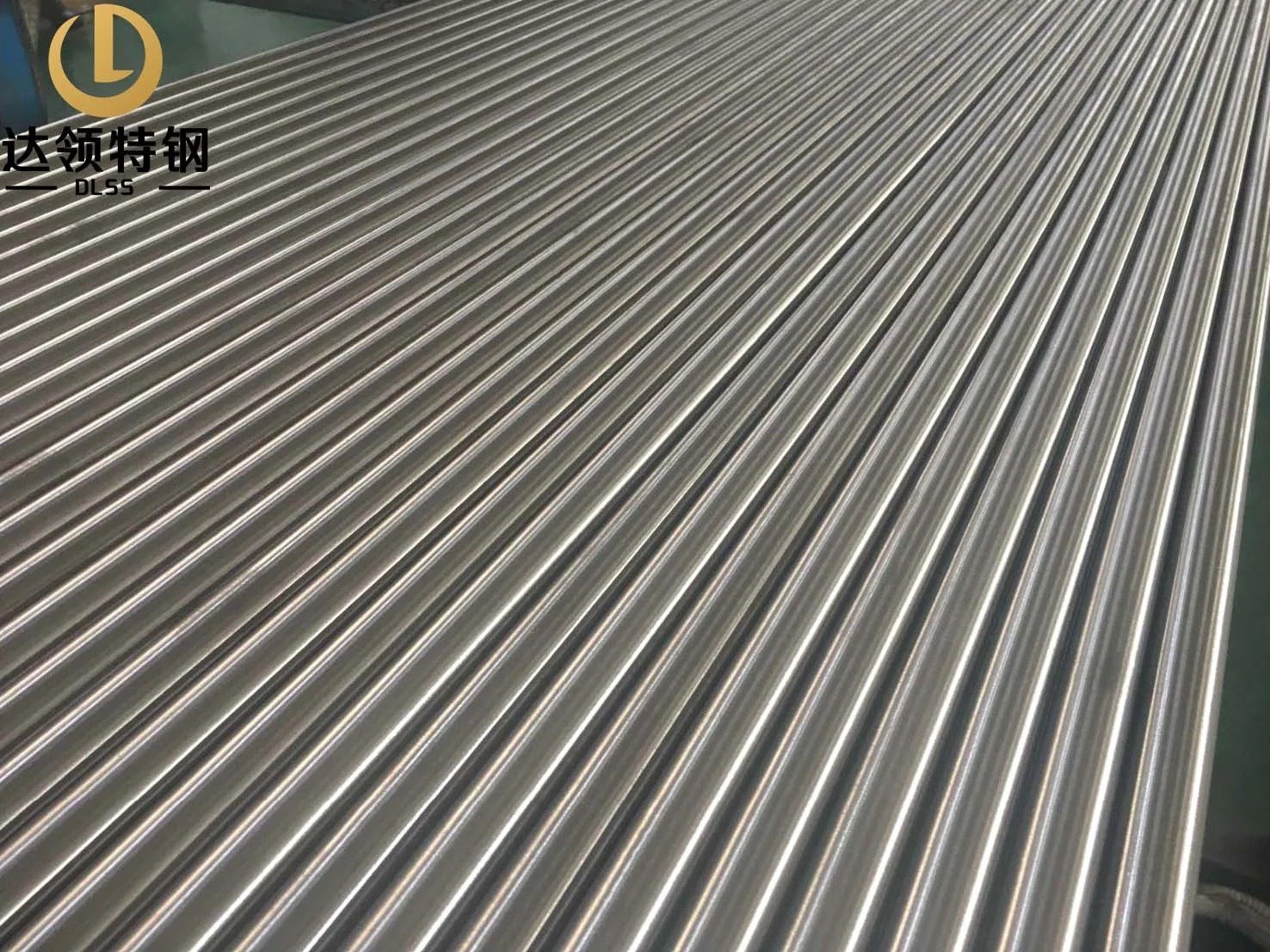
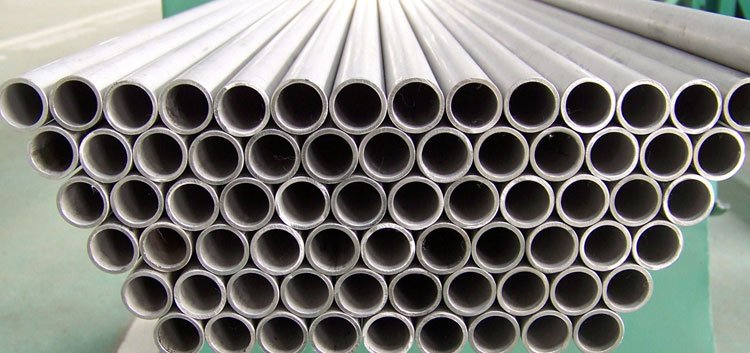
DLSS provides stainless steel tube solutions for all major heat exchanger designs. Learn more at www.dlsspipeline.com
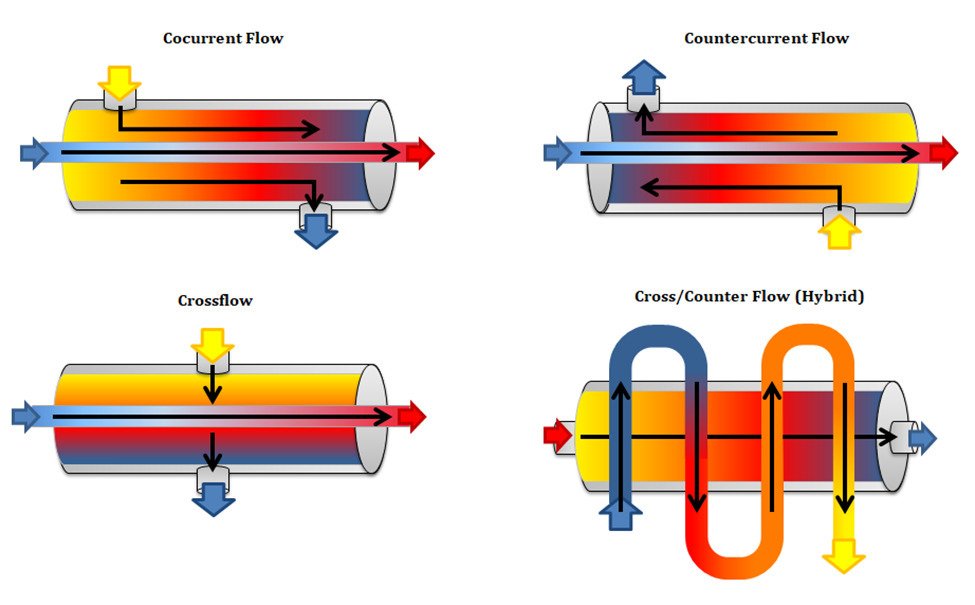
2. Shell-and-Tube and Air-Cooled Exchangers
Two of the most widely used designs in industrial thermal systems are shell-and-tube and air-cooled heat exchangers.
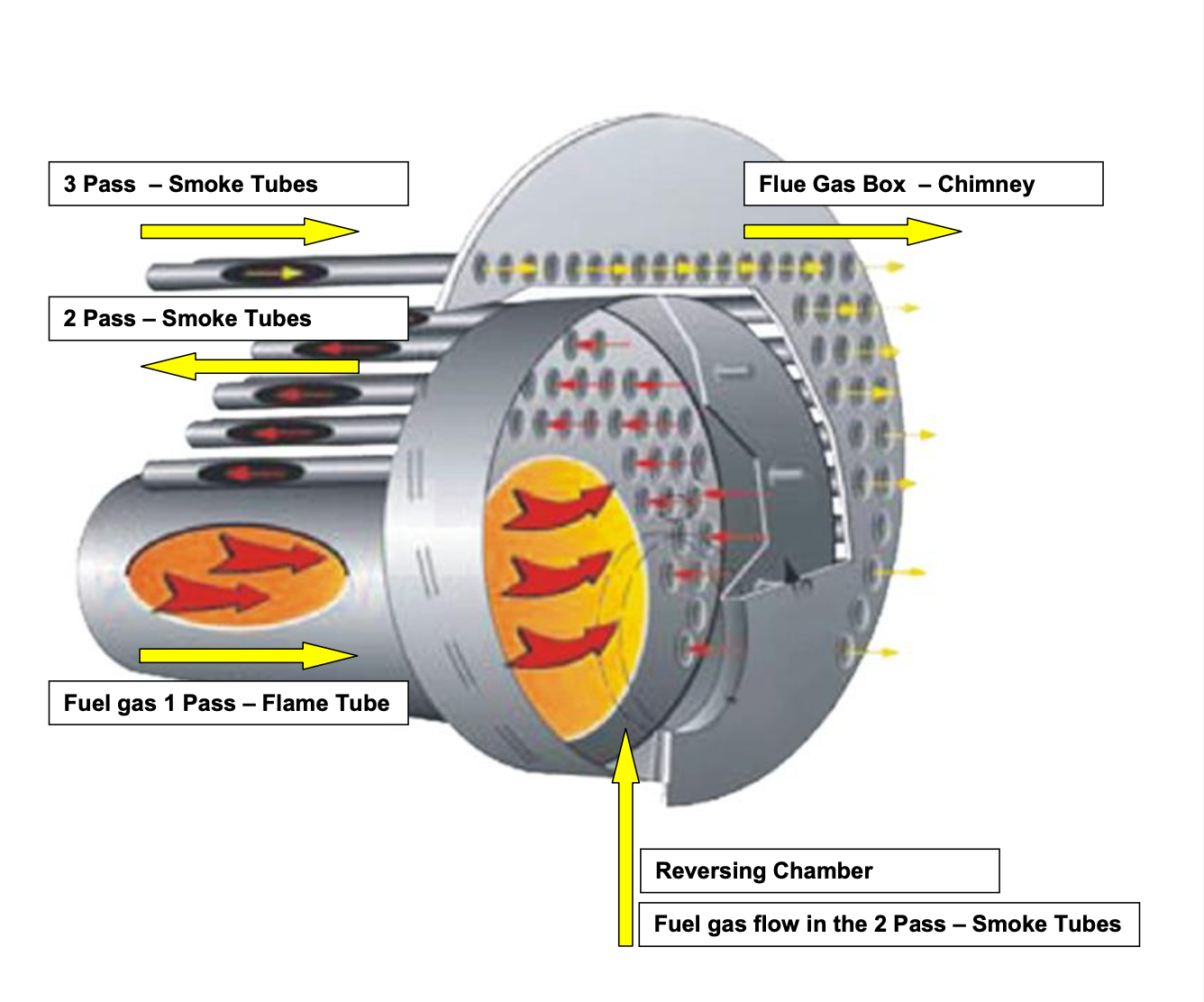
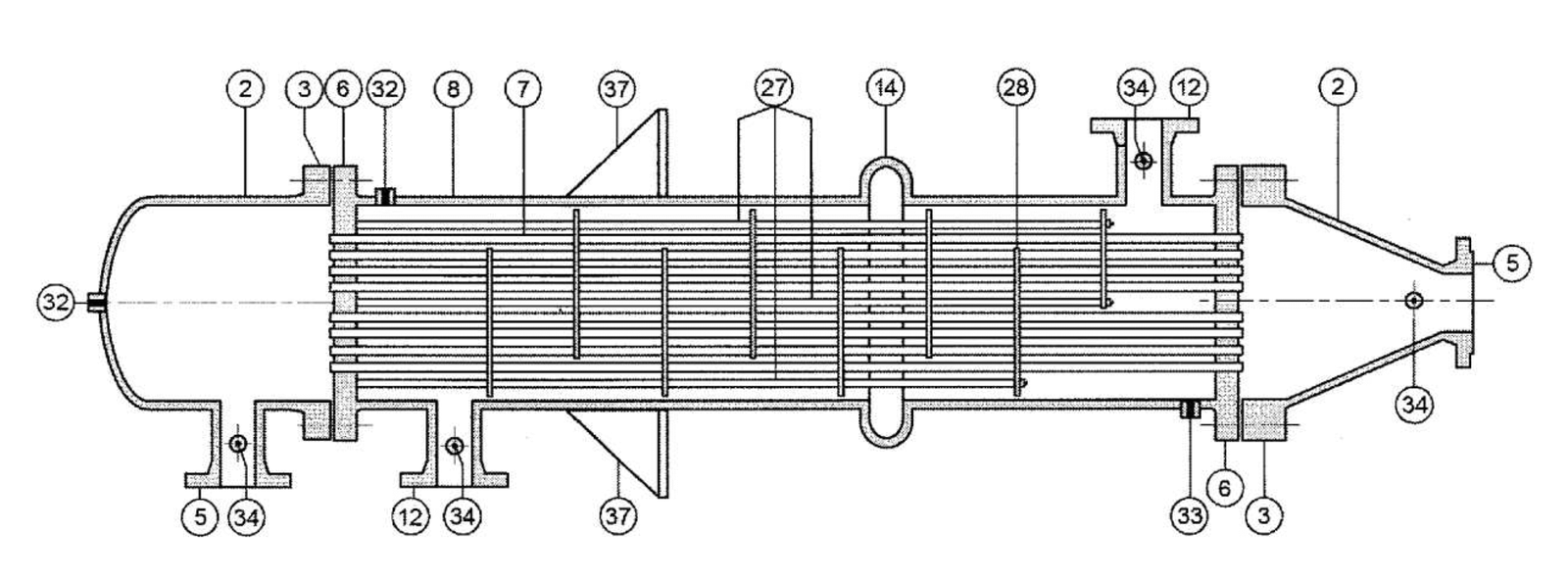
Shell-and-Tube Heat Exchanger
- Ideal for high-pressure and high-temperature applications.
- Used in petrochemical plants, power stations, and boiler systems.
- Provides flexibility in tube arrangements and maintenance access.
- Learn more: Shell-and-Tube Exchanger – Wikipedia
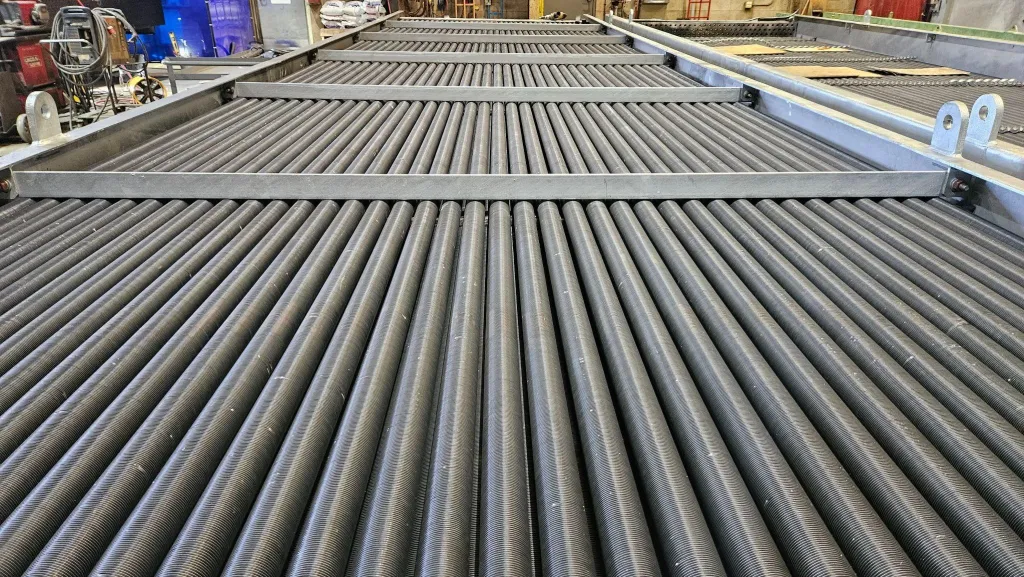
Air-Cooled Heat Exchanger (ACE)
- Used where water is limited or unavailable.
- Relies on ambient air and fans to remove heat.
- Important for desert regions, offshore platforms, or remote operations.
- Learn more: Air-Cooled Exchanger – Wikipedia
Tube Supply for Industrial Use
DLSS supports global EPCs and OEMs with high-quality stainless steel tubing for these applications. Visit www.dlsspipeline.com to explore our capabilities.
3. Advanced Applications and Simulation Tools
Modern heat exchanger applications often require advanced materials and specialized designs, especially in industries with difficult fluids or strict hygiene requirements.
Dynamic Scraped Surface Heat Exchangers (DSSHE)
- Used for high-viscosity or fouling-prone fluids like sauces, creams, or slurries.
- Features a rotating scraper mechanism to keep the heat surface clean and efficient.
- Popular in food, pharmaceutical, and specialty chemical sectors.
- Learn more: DSSHE – Wikipedia
Simulation Tools and Software
- CFD tools like ANSYS Fluent and COMSOL Multiphysics simulate fluid flow, temperature profiles, and fouling patterns.
- Aspen HYSYS and HTRI software help size and evaluate exchanger performance under varying conditions.
- These tools help engineers test designs before fabrication, improving reliability and efficiency.
Support from DLSS
DLSS delivers high-precision stainless steel tubing for customized and demanding heat exchanger projects. Learn more at www.dlsspipeline.com
Frequently Asked Questions (FAQ)
Q1: When should I use LMTD vs. NTU?
LMTD is best when temperature data is available. NTU is ideal when performance is known but temperatures are not yet defined.
Q2: What makes shell-and-tube exchangers so reliable?
They offer modularity, high pressure resistance, and ease of maintenance. They’re widely used in process industries and energy systems.
Q3: How does DLSS help heat exchanger manufacturers?
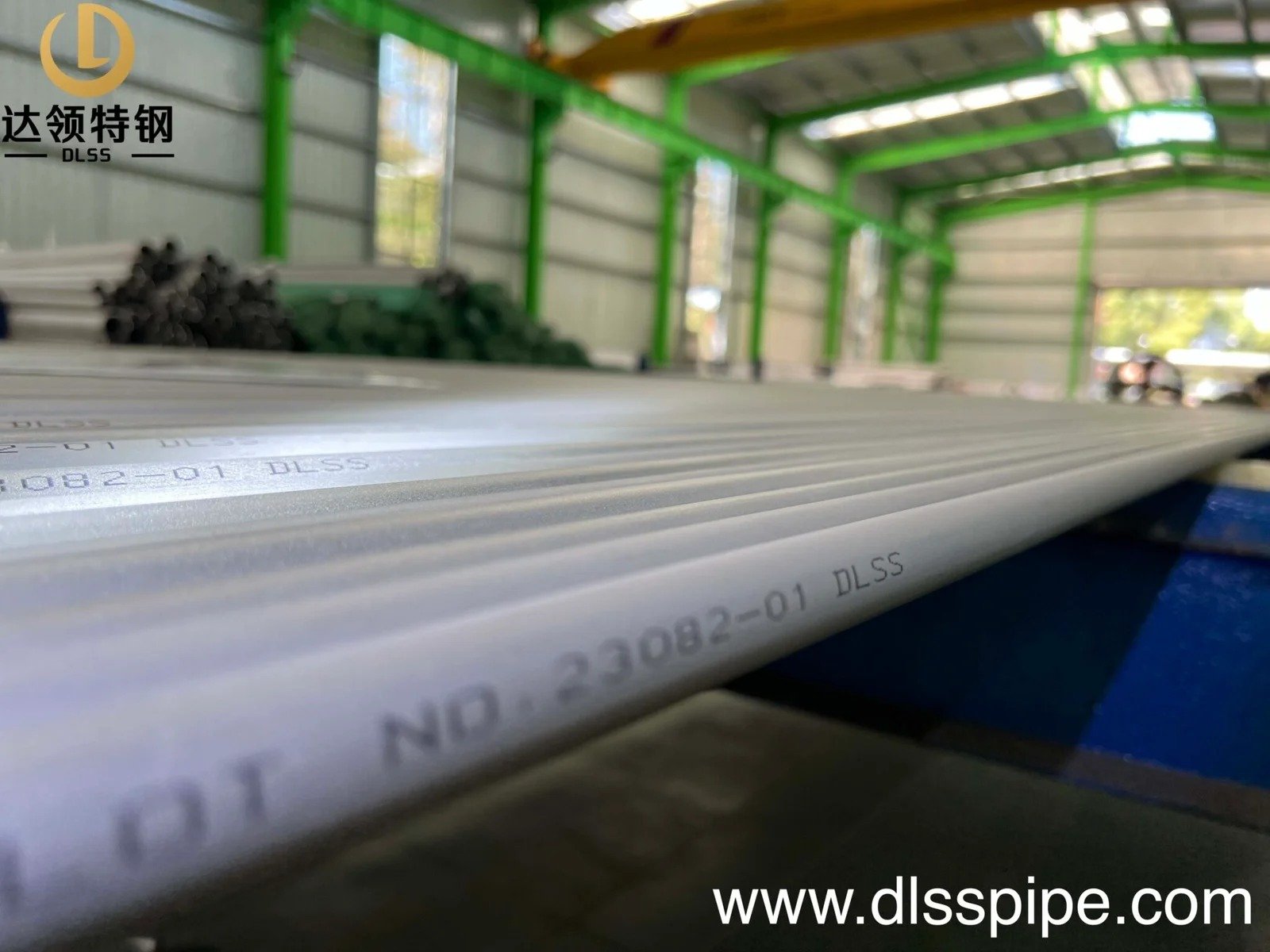
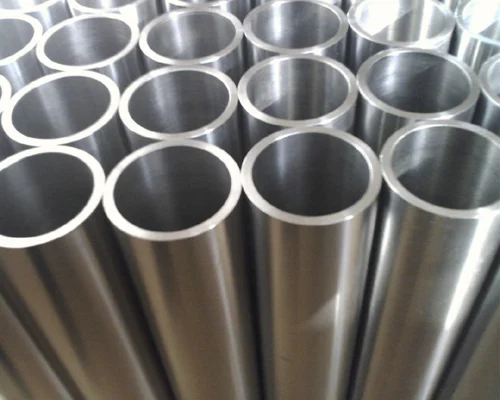
We provide stainless steel tubes with consistent mechanical properties, clean internal surfaces, and precision cutting for optimized heat transfer. More at www.dlsspipeline.com
Conclusion
Whether you’re building a simple cooling system or a high-performance petrochemical heat exchanger, these three design guides provide essential insight for engineers. When paired with reliable manufacturing partners like DLSS Pipeline, you can deliver thermal systems that meet efficiency, durability, and cost targets.