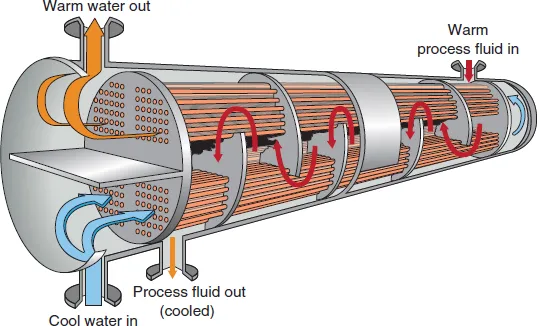
What Is a Double Pipe Heat Exchanger? Design, Benefits, and Industrial Applications

DLSS - Tubes For Heat Exchanger - What Is a Double Pipe Heat Exchanger? Design, Benefits, and Industrial Applications

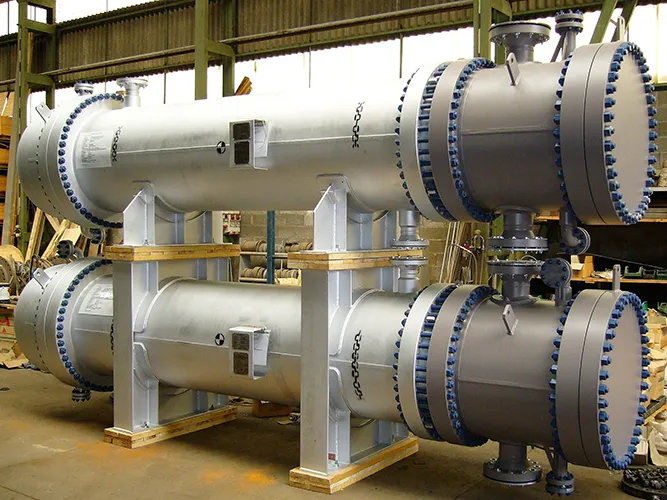
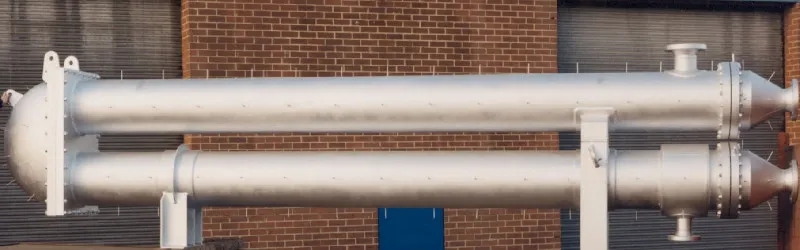
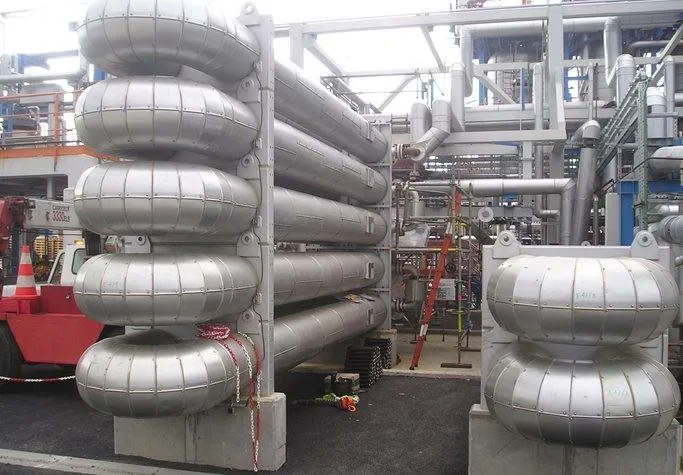
A Double Pipe Heat Exchanger, also known as a double tube heat exchanger, is one of the simplest yet most effective types of heat exchangers for small to medium heat transfer needs. It consists of two concentric pipes—one inside the other—allowing two fluids to exchange heat without mixing.

This blog will explore the design, working principle, advantages, limitations, and applications of double pipe heat exchangers, while also helping you decide when it’s the best option for your system.


What Is a Double Pipe Heat Exchanger?

A double pipe heat exchanger features two pipes:

  • The inner pipe carries one fluid.
  • The annular space between the outer and inner pipes carries a second fluid.

Heat is transferred from the hotter fluid to the cooler one through the wall of the inner pipe.

Types of Flow:

  • Counterflow (preferred): Fluids flow in opposite directions, maximizing heat transfer efficiency.
  • Parallel flow: Both fluids move in the same direction, simpler but less efficient.
What Is a Double Pipe Heat Exchanger? Design, Benefits, and Industrial Applications

Design Features

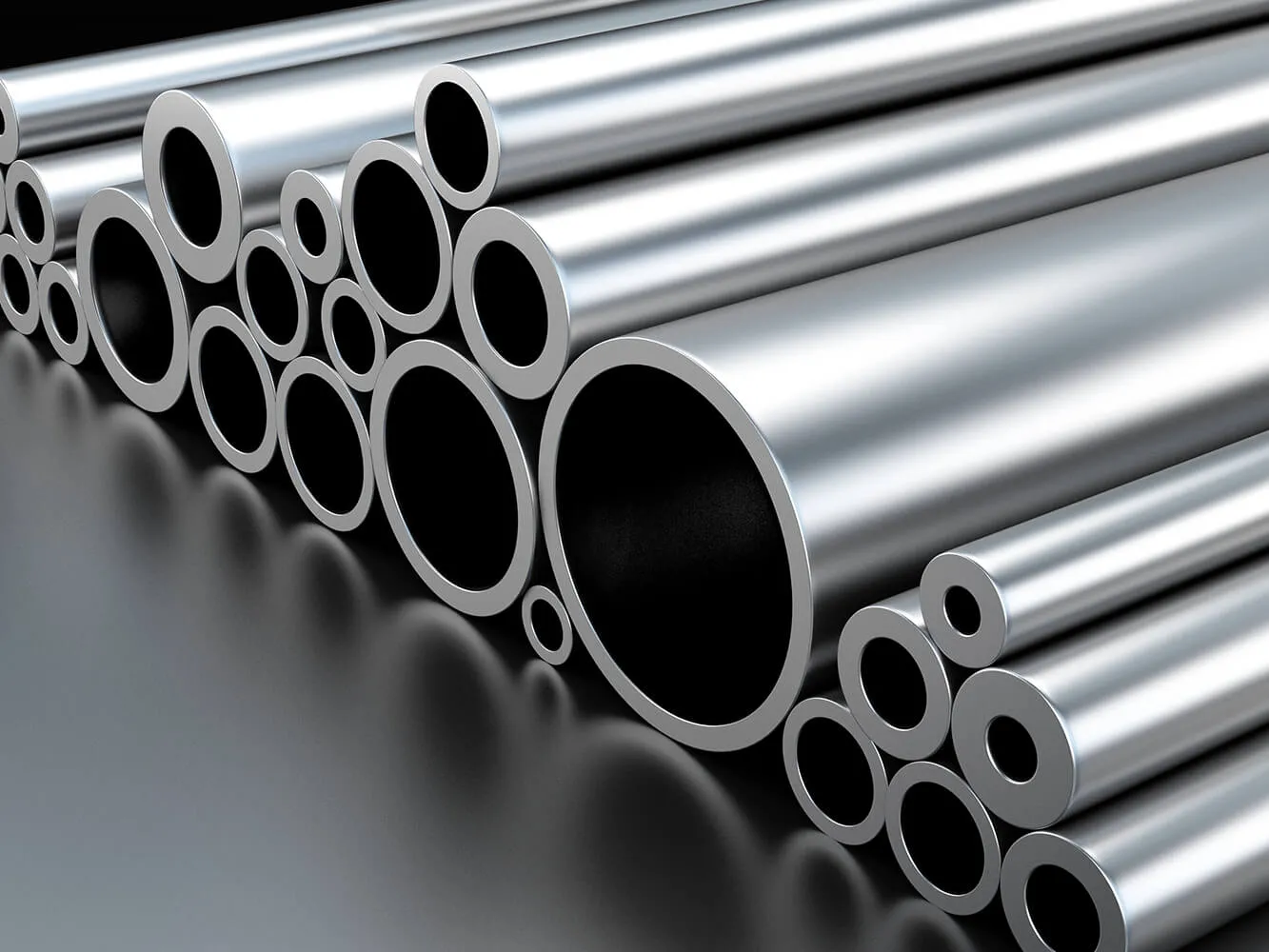
  • Materials: Commonly made from stainless steel, carbon steel, or copper. DLSS provides seamless stainless steel tubes for industrial-grade heat exchangers.
  • Length: Modular design allows easy expansion by connecting multiple sections.
  • Pressure Rating: Suited for low to moderate pressures.
  • Cleaning: Easy to disassemble and maintain.

Advantages of Double Pipe Heat Exchangers

  • Simple design and easy installation
  • Effective for small flow rates and large temperature differences
  • Low initial investment
  • Ideal for pilot plants or batch operations
  • Flexible for custom lengths and layouts

For industries that require small-capacity but highly controllable thermal systems, a double pipe heat exchanger is often the most cost-effective solution.


Limitations to Consider

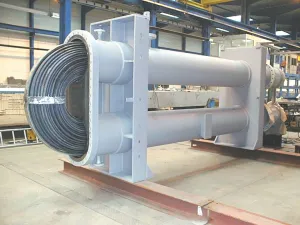
  • Larger footprint per unit of heat transfer area compared to shell-and-tube
  • Not ideal for large-scale or high-flow applications
  • Less efficient in parallel flow configuration
What Is a Double Pipe Heat Exchanger? Design, Benefits, and Industrial Applications

Industrial Applications

Double pipe heat exchangers are commonly used in:

  • Oil and gas skids
  • Small-scale chemical reactors
  • Pharmaceutical production units
  • Food processing systems
  • Water-to-water or steam-to-liquid heating systems

They are often selected when precise thermal control is needed with a limited volume of fluid.


Why Choose DLSS Double Pipe Heat Exchanger Tubes?

At DLSS, we manufacture high-quality seamless stainless steel tubes specifically designed for heat exchanger applications, including:

  • TP304, TP316L, 2205 Duplex
  • Smooth inner bore for efficient heat transfer
  • Oil-coated or pickled finish for corrosion resistance
  • Custom lengths and tight dimensional tolerances

We offer materials that meet ASTM A213, A269, and EN 10216-5 standards, ensuring consistent quality and performance.
What Is a Double Pipe Heat Exchanger? Design, Benefits, and Industrial Applications

Explore our heat exchanger tubing solutions:
www.dlsspipeline.com
info@dlsspipe.com


Frequently Asked Questions (FAQ)

Q1: When should I choose a double pipe heat exchanger over shell-and-tube?
A: When your application involves small flow rates, high temperature differences, and needs simple maintenance.

Q2: What is the typical pressure rating of a double pipe exchanger?
A: It varies by design, but most operate under 10–30 bar. Contact DLSS for custom configurations.

Q3: Can double pipe exchangers handle corrosive fluids?
A: Yes, with the right materials. DLSS offers duplex and 316L stainless steel options for corrosive environments.


Conclusion

The Double Pipe Heat Exchanger remains a trusted solution for industries requiring compact, reliable, and easy-to-maintain thermal systems. Its straightforward design, paired with high-performance tubing from DLSS, ensures durability and efficiency.

Looking for stainless steel tubes for your next double pipe heat exchanger project?
Visit www.dlsspipeline.com or reach out to info@dlsspipe.com to request a quote today.

Wonderful! Share This Case:

Austenitic Stainless Steel

Duplex Stainless Steel

Nickel Alloys

▪ Incoloy Family

▪ Inconel Family

▪ Monel Family

▪ Hastelloy Family

▪ Other Special Alloys

Cobalt Alloys

Related Posts

Applications of Stainless Steel Seamless Pipes in the Oil & Gas Industry

Applications of Stainless Steel Seamless

Meta Description:Explore how stainless steel seamless pipes are critical in oil & gas—covering upstream, midstream, downstream, offshore, pipelines and more—with practical insights and sourcing tips. Introduction In the global steel market, stainless steel seamless pipes are projected to grow from USD 3.88 B in 2025 to USD 5.15 B by 2030, driven largely by demand in the oil and […]

Read More
ASTM A312 vs ASTM A789: Which Stainless Steel Tube Standard Is Right for Oil & Gas Applications?

ASTM A312 vs ASTM A789:

Meta Description:Understand the key differences between ASTM A312 and ASTM A789 for stainless steel seamless tubes used in the oil & gas industry. Compare materials, applications, and testing requirements. Introduction In the oil and gas sector, selecting the right stainless steel tube standard is essential for long-term system performance. Among the most referenced specifications are: […]

Read More
What is Pickling and Passivation? Surface Treatment for Stainless Steel Tubes Explained

What is Pickling and Passivation?

Meta Description:Learn the difference between pickling and passivation for stainless steel tubes. Understand how these surface treatments improve corrosion resistance and comply with industry standards like ASTM A380 and A967. Introduction Stainless steel may be known for its corrosion resistance, but improper surface conditions can compromise performance. To ensure maximum durability, two essential surface treatments […]

Read More

How to Ensure NACE MR0175

Meta Description:Discover how to meet NACE MR0175/ISO 15156 compliance when sourcing stainless steel seamless tubes for sour service. Learn about materials, testing, certifications, and supplier selection. Introduction Sour gas environments—containing hydrogen sulfide (H₂S)—pose one of the greatest challenges for stainless steel tubes in the oil and gas industry. The presence of H₂S increases the risk […]

Read More
Top 10 Materials Used in Industrial Pipeline Engineering

Top 10 Materials Used in

Meta Description:Explore the 10 most common materials used in pipeline engineering, from stainless steel and carbon steel to exotic alloys. Understand their pros, cons, and applications across industries. Introduction Choosing the right material is one of the most critical decisions in pipeline engineering. The material affects not only the strength, corrosion resistance, and temperature tolerance […]

Read More

Disadvantages of Copper Tubes in

Copper tubes have been widely used in heat exchangers for decades, thanks to their excellent thermal conductivity and workability. However, as industries evolve and system requirements become more demanding, copper tubes are facing several limitations in terms of performance, durability, and lifecycle cost. In this blog, we’ll explore the main disadvantages of copper tubes in heat exchangers—and […]

Read More
heat exchanger tubes

Heat Exchanger Tubes: Standards, Materials,

Heat exchanger tubes are the backbone of many critical industries, including oil & gas, power generation, petrochemicals, shipbuilding, and desalination. Choosing the right tube material and ensuring compliance with international standards are essential to guarantee safety, efficiency, and long-term performance. In this article, we provide a detailed overview of standards, materials, manufacturing processes, and applications […]

Read More
Heat Exchanger Tube Types Explained – U-Bend, Straight, Corrugated, and Low-Fin

Heat Exchanger Tube Types Explained

Meta Description:Explore the differences between U-bend, straight, corrugated, and low-fin stainless steel heat exchanger tubes. Learn how to select the right type for your application and improve thermal efficiency. Introduction In the world of thermal systems, heat exchanger tubes are essential to transferring energy efficiently and reliably. From chemical processing to HVAC systems, selecting the […]

Read More

Request A Quote

*We respect your confidentiality and all information are protected.