Sour service is a serious topic for sour service stainless steel tubes in oil and gas projects.
When a system contains hydrogen sulfide, also called H₂S, the material can face cracking risk.
This risk can lead to:
- Leakage
- Tube failure
- Safety risk
- Project delay
- Shutdown
- Material rejection
This is why many oil and gas projects ask for NACE MR0175 / ISO 15156 compliance.
For stainless steel tubes, buyers should not only ask for “NACE material.”
They should check the real service condition, material grade, hardness, heat treatment, testing, MTC, and inspection documents.
This guide explains what NACE MR0175 / ISO 15156 means for stainless steel tubes and what buyers should confirm before ordering.
What Is Sour Service?
Sour service means the working environment contains H₂S.
H₂S may appear in:
- Sour gas wells
- Oil field pipelines
- Gas gathering lines
- Injection lines
- Offshore systems
- Subsea systems
- Pressure equipment
- Refinery systems
- Chemical process lines
In sour service, steel may absorb hydrogen.
This can cause cracking.
Common cracking risks include:
- Sulfide Stress Cracking, also called SSC
- Hydrogen-Induced Cracking, also called HIC
- Stress corrosion cracking
- Hydrogen embrittlement
- Stepwise cracking
These cracks may not be easy to see at first.
But they can create serious safety problems later.
What Is NACE MR0175 / ISO 15156?
NACE MR0175 / ISO 15156 is a standard used for materials in H₂S-containing oil and gas production environments.
It helps engineers choose materials that can resist cracking in sour service.
This standard is often used in:
- Upstream oil and gas
- Sour gas production
- Well fluid systems
- Gas gathering systems
- Offshore oil and gas projects
- H₂S-containing production systems
NACE MR0175 / ISO 15156 is not only about the material name.
It also considers:
- Service environment
- H₂S level
- Temperature
- Chloride content
- pH value
- Material condition
- Hardness
- Heat treatment
- Welding condition
- Testing requirement
So, buyers should not say “NACE compliant” without checking the full project condition.
NACE MR0175 vs NACE MR0103
NACE MR0175 and NACE MR0103 are not the same.
They are used for different service areas.
| Item | NACE MR0175 / ISO 15156 | NACE MR0103 / ISO 17945 |
|---|---|---|
| Main Area | Oil and gas production | Petroleum refining |
| Main Risk | H₂S cracking in production environments | SSC in sour refinery environments |
| Typical Use | Sour gas, wells, production systems, gathering lines | Refineries, heat exchangers, piping, pressure equipment |
| Main Focus | Material selection for H₂S-containing oil and gas production | Materials resistant to SSC in sour refinery service |
| Buyer Action | Confirm if oil and gas sour service applies | Confirm if refinery sour service applies |
For upstream oil and gas, NACE MR0175 / ISO 15156 is often used.
For refinery sour service, NACE MR0103 / ISO 17945 may be more suitable.
The correct standard should follow the project specification.
Why Stainless Steel Tubes Need Sour Service Review
Stainless steel tubes are often used in oil and gas, chemical, and refinery projects.
But not every stainless steel grade is suitable for sour service.
A material may have good corrosion resistance in normal service.
But it may still need review in H₂S service.
Buyers should check:
- Material grade
- Hardness
- Heat treatment
- Welding condition
- Chloride level
- Temperature
- H₂S partial pressure
- pH value
- Project standard
- End-user requirement
A stainless steel tube should be selected based on the real service condition.
Common Materials for Sour Service
The table below gives a general material direction.
The final choice must follow the project standard and end-user approval.
| Material | Possible Use | Notes |
| 316L | Lower-risk sour service | Needs project review |
| 317L | Better pitting resistance than 316L | Useful when higher Mo content is needed |
| 904L | Acidic or chloride service | Stronger corrosion resistance |
| Duplex 2205 | Chloride and strength needs | Welding and hardness control are important |
| Super Duplex 2507 | Severe chloride service | Needs strict fabrication control |
| Alloy 825 | Sour, acidic, and chloride service | Common nickel alloy option |
| Alloy 625 | Severe sour or corrosion service | Higher cost, strong performance |
| C276 | Very aggressive chemical service | Used for special severe conditions |
Do not choose the material only by grade name.
The full service condition must be checked.
Is 304 / 304L Suitable for Sour Service?
304 and 304L are common stainless steel grades.
But they are usually not the first choice for sour service.
Their final acceptability depends on:
- ISO 15156 limits
- H₂S level
- Chloride content
- Temperature
- pH value
- Hardness
- Heat treatment
- Project specification
- End-user approval
For most sour service projects, buyers should review 316L, 317L, 904L, duplex, super duplex, or nickel alloy materials instead.
Hardness Control
Hardness control is one of the most important checks in sour service.
High hardness can increase cracking risk.
Many project specifications use hardness limits such as 22 HRC.
But this should not be treated as one simple rule for every material.
The final hardness limit depends on:
- Material type
- Product form
- Heat treatment
- Welding condition
- Project standard
- End-user requirement
Buyers should check hardness for:
- Base material
- Weld area
- Heat-affected zone, also called HAZ
- Cold-worked areas
- Formed parts
For sour service, hardness testing should be confirmed before production.
Heat Treatment and Welding Control
Heat treatment can affect sour service performance.
For stainless steel tubes, solution annealing is often important.
It helps improve corrosion resistance and material stability.
Welding also needs control.
The weld and HAZ may become risk areas if the welding process is not suitable.
For welded parts or fabricated systems, buyers should check:
- Welding procedure
- Heat input
- Filler material
- Hardness after welding
- PWHT requirement, if any
- Weld inspection
- NACE or ISO requirement
Even if the tube body is suitable, the weld area may still need review.
HIC and SSC Testing
HIC and SSC testing may be required for sour service projects.
HIC means Hydrogen-Induced Cracking.
SSC means Sulfide Stress Cracking.
These tests are often used when the project specification asks for them.
Common test standards include:
| Test | Common Standard | Purpose |
| HIC Test | NACE TM0284 | Checks resistance to hydrogen-induced cracking |
| SSC Test | NACE TM0177 | Checks resistance to sulfide stress cracking |
| Hardness Test | ASTM E18 or project standard | Checks hardness control |
| PMI Test | Project requirement | Confirms material grade |
Not every sour service project needs both HIC and SSC tests.
The requirement should follow the project specification.
Testing and Documents Buyers Should Check
For NACE or sour service tube projects, buyers should check both material and documents.
| Check Item | Why It Matters |
| Sour service condition | Confirms whether NACE / ISO applies |
| H₂S content | Main sour service risk factor |
| pH value | Affects cracking risk |
| Chloride content | Affects corrosion and material limits |
| Temperature | Affects material suitability |
| Material grade | Must match the project standard |
| Hardness | Key risk control point |
| Heat treatment | Affects corrosion and cracking resistance |
| Welding condition | Weld and HAZ may be risk areas |
| MTC | Confirms chemical and mechanical properties |
| EN 10204 3.1 / 3.2 | Confirms inspection document level |
| HIC / SSC testing | Needed when project requires it |
| Third-party inspection | Often needed for critical projects |
Clear documents help buyers reduce rejection risk.
For critical projects, buyers should also confirm whether an EN 10204 3.1 or 3.2 certificate is required before production.
What Should Be Included in the MTC?
For sour service tube orders, the stainless steel Mill Test Certificate should be checked carefully.
Buyers may need to confirm:
- Material grade
- Heat number
- Product standard
- Size
- Quantity
- Chemical composition
- Mechanical properties
- Hardness result
- Heat treatment condition
- Test results
- MTC type
- EN 10204 3.1 or 3.2 requirement
- Third-party inspection stamp, if required
The heat number on the MTC should match the tube marking.
This is important for traceability.
Buyer Checklist Before Ordering
Before placing an order, buyers should prepare clear information.
NACE / Sour Service Tube Inquiry Checklist
- Material grade
- Product standard
- OD
- Wall thickness
- Length
- Quantity
- Seamless or welded requirement
- Sour service requirement
- NACE MR0175 / ISO 15156 requirement
- NACE MR0103 / ISO 17945 requirement, if refinery service
- H₂S content
- H₂S partial pressure, if available
- pH value
- Chloride content
- Working temperature
- Working pressure
- Heat treatment requirement
- Hardness limit
- HIC test requirement
- SSC test requirement
- PMI requirement
- MTC requirement
- EN 10204 3.1 or 3.2 requirement
- Third-party inspection requirement
- Destination country or port
- Required delivery time
A clear inquiry helps the supplier review the material faster.
It also helps avoid wrong material selection.
Example Scenario: Sour Gas Injection Line
A sour gas injection line may require stainless steel or nickel alloy tubes with NACE review.
The buyer may request:
- NACE MR0175 / ISO 15156 review
- Material grade confirmation
- Hardness control
- Solution annealing record
- PMI test
- Hydrostatic test
- HIC / SSC testing, if required
- MTC
- EN 10204 3.1 or 3.2 certificate
- Third-party inspection before shipment
This kind of requirement should be confirmed before production.
If testing or 3.2 inspection is requested too late, it may cause delay and extra cost.
How DLSS Supports NACE / Sour Service Tube Projects
DLSS supplies stainless steel, duplex, super duplex, and nickel alloy tubes for oil and gas, refinery, offshore, and chemical projects.
For sour service projects, the DLSS quality control process can help buyers check material grade, hardness, testing, documents, marking, and packing before shipment.
- Material grade review
- NACE requirement review
- Sour service condition review
- MTC review
- Heat number traceability
- Hardness testing
- PMI testing
- Hydrostatic testing
- Eddy current testing
- Ultrasonic testing
- HIC test coordination, if required
- SSC test coordination, if required
- EN 10204 3.1 documents
- EN 10204 3.2 inspection support
- Third-party inspection support
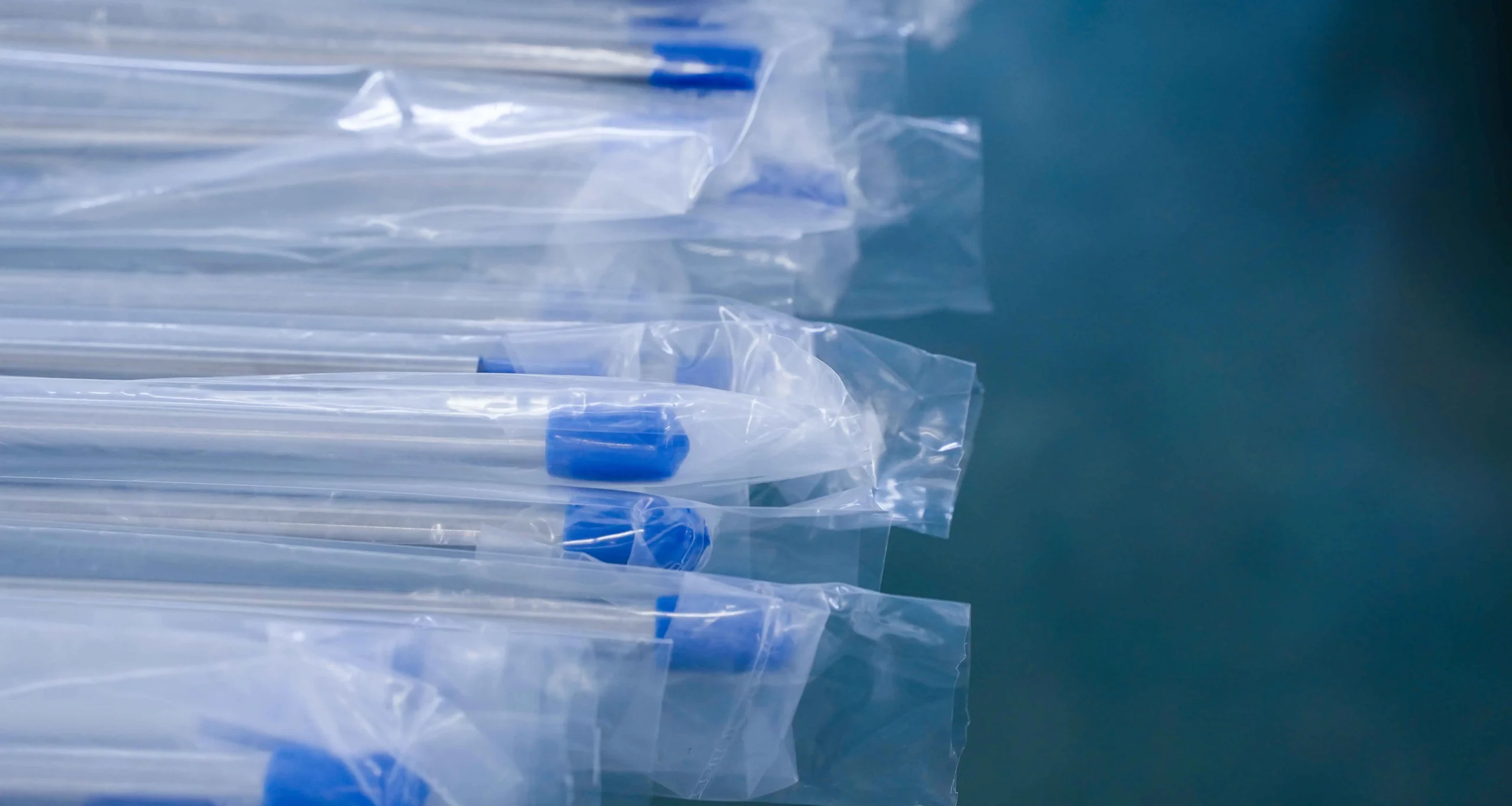
- Export packing and marking
DLSS can work with third-party inspection companies when required by the project.
These may include BV, SGS, TUV, LR, ABS, DNV, or other project-approved inspection companies.
For critical sour service projects, DLSS can also provide third-party inspection support before shipment.
Common Mistakes to Avoid
Buyers should avoid these mistakes:
- Asking only for “NACE material” without service details
- Not confirming whether MR0175 or MR0103 applies
- Ignoring H₂S content
- Ignoring chloride content
- Ignoring pH value
- Ignoring temperature
- Not checking hardness
- Not checking heat treatment
- Not checking MTC
- Not confirming 3.1 or 3.2 certificate before order
- Adding HIC / SSC testing after production
- Choosing material only by price
Most problems can be reduced when the technical details are confirmed before order.
FAQ
What is NACE MR0175 / ISO 15156?
NACE MR0175 / ISO 15156 is a standard for materials used in H₂S-containing oil and gas production environments. It helps reduce cracking risk in sour service.
What is sour service?
Sour service means the system contains H₂S. H₂S can cause cracking risks such as SSC and HIC in metal materials.
Is NACE MR0175 the same as MR0103?
No. NACE MR0175 / ISO 15156 is mainly used for oil and gas production. NACE MR0103 / ISO 17945 is mainly used for sour petroleum refining environments.
Can 304L be used in sour service?
304L is usually not the first choice for sour service. Final acceptability depends on the service condition, ISO 15156 limits, hardness, chloride level, temperature, and project specification.
Is 316L NACE compliant?
316L may be used in some sour service conditions, but it must be reviewed according to the project standard, service condition, hardness, heat treatment, and documentation requirements.
Is duplex stainless steel suitable for sour service?
Duplex stainless steel may be used in selected sour service conditions. But welding, hardness, temperature, chloride level, and project limits must be checked carefully.
Does every NACE project need HIC and SSC testing?
No. HIC and SSC testing depend on the project specification, material, service condition, and end-user requirement.
Can DLSS support EN 10204 3.2 inspection?
Yes. DLSS can support EN 10204 3.2 inspection coordination when the requirement is confirmed before production.
Conclusion
NACE MR0175 / ISO 15156 compliance is important for stainless steel tubes used in sour service.
It is not only about choosing a material grade.
Buyers should check the full service condition, including H₂S, pH, chloride, temperature, pressure, hardness, heat treatment, welding, testing, MTC, and inspection documents.
NACE MR0175 / ISO 15156 is mainly used for oil and gas production environments.
For refinery sour service, NACE MR0103 / ISO 17945 may be more suitable.
Before ordering, buyers should confirm whether NACE applies, which standard is required, which material is acceptable, and what tests and documents are needed.
DLSS supports sour service tube projects with material review, MTC, hardness testing, PMI, HIC / SSC test coordination, EN 10204 3.1 / 3.2 documents, third-party inspection support, and export packing.
If you need stainless steel, duplex, super duplex, or nickel alloy tubes for sour service, send us your material grade, standard, size, quantity, H₂S condition, and inspection requirements. Our team will help review your inquiry before quotation.