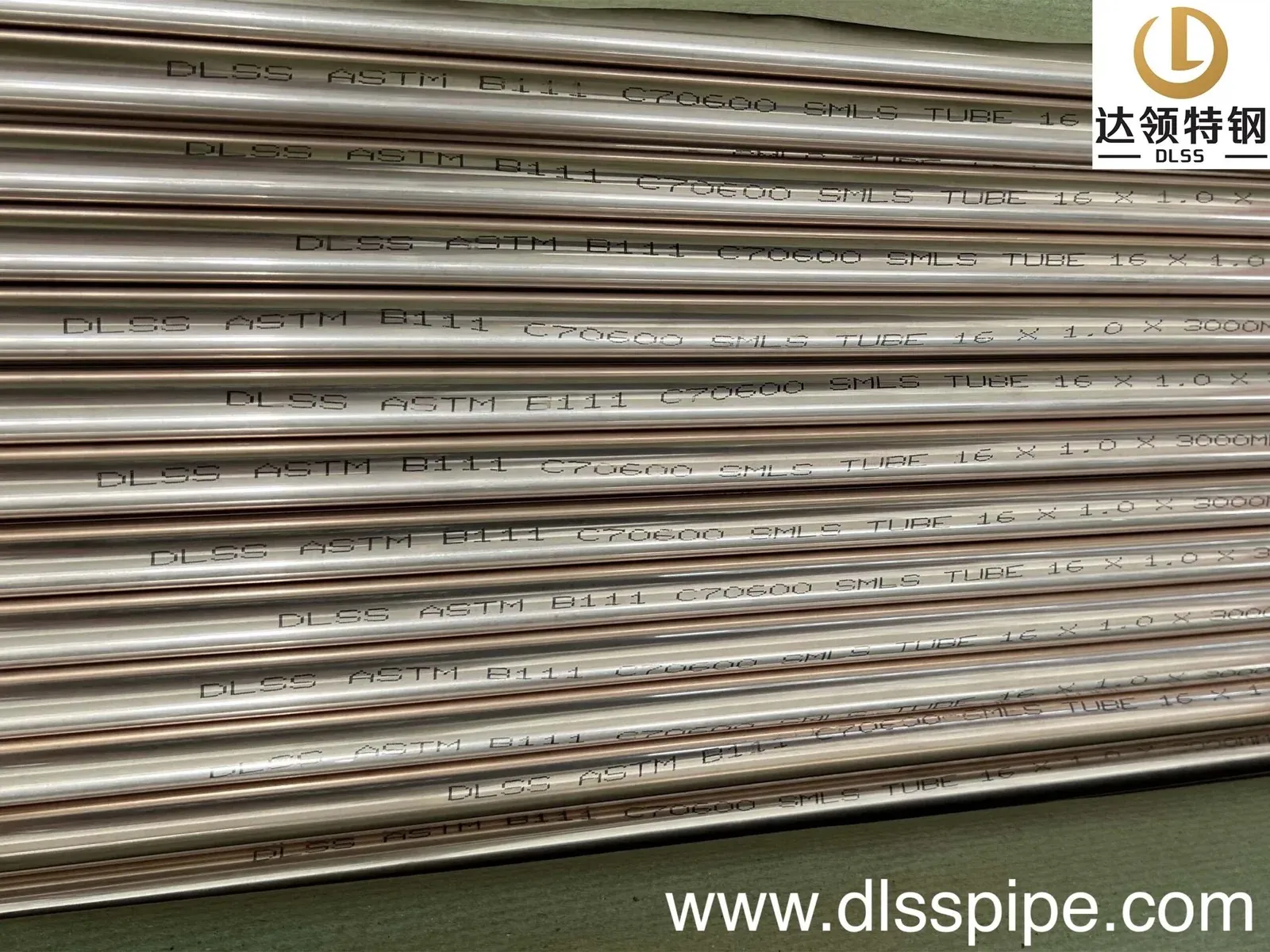
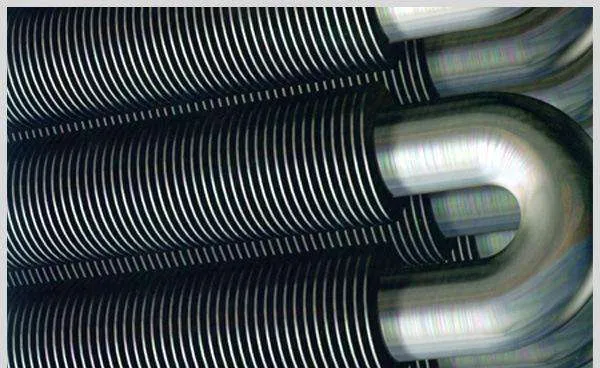
Corrosion-Resistant Heat Exchanger Tubes: When to Choose Titanium and Nickel Alloys

DLSS - Tubes For Heat Exchanger - Corrosion-Resistant Heat Exchanger Tubes: When to Choose Titanium and Nickel Alloys

In highly corrosive environments—such as seawater cooling, chemical processing, and offshore oil and gas—traditional stainless steel may not offer sufficient durability. Selecting the right material for heat exchanger tubes in these conditions is crucial for ensuring long service life, process safety, and reduced maintenance costs.

This article explores two high-performance materials: Titanium and Nickel Alloy tubes, and when they are best suited for corrosion-resistant heat exchanger applications.


1. Titanium Heat Exchanger Tubes: Lightweight and Ocean-Ready

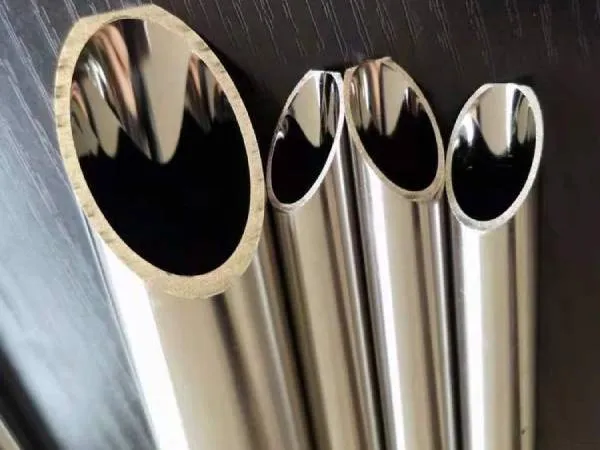
Titanium tubes are widely used in seawater-cooled heat exchangers due to their outstanding corrosion resistance, particularly against chloride ions and biofouling.

Key Benefits:

  • Excellent resistance to saltwater, acids, and oxidizing environments
  • Low density and high strength-to-weight ratio
  • Long service life with minimal maintenance

Applications:

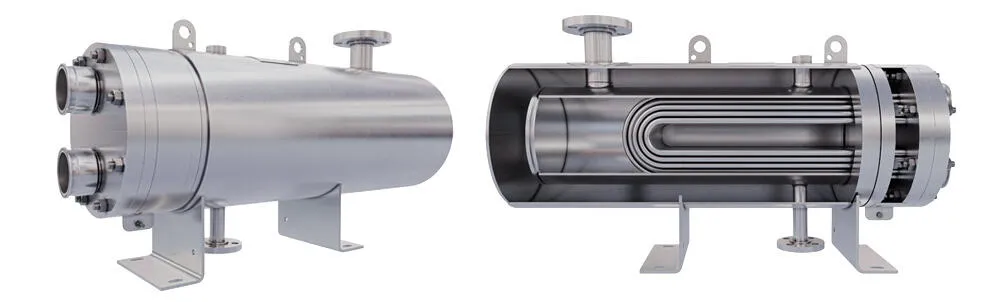
  • Seawater-cooled condensers
  • Desalination plants
  • Marine heat exchangers
  • Offshore platforms

Titanium Grade 2 and Grade 5 are commonly used. DLSS can supply titanium tubes as per ASTM B338 or ASME SB-338 standards upon request.


2. Nickel Alloy Heat Exchanger Tubes: Engineered for Extreme Conditions

Nickel-based alloys, such as Inconel (e.g., UNS N06625), Monel (e.g., UNS N04400), and Hastelloy (e.g., C-276), offer superior resistance to:

  • High temperatures
  • Oxidizing and reducing agents
  • Sulfuric, hydrochloric, and nitric acids

These alloys are ideal for:

  • Chemical processing
  • Power plant condensers
  • Acid regeneration units
  • Heat recovery systems in petrochemical plants

At DLSS, we supply nickel alloy heat exchanger tubes with strict quality control, supported by mill test certificates and third-party inspections.


3. Why Corrosion Resistance Matters

When exposed to corrosive fluids or harsh environments, carbon steel or even standard stainless steel tubes may experience:

  • Pitting or crevice corrosion
  • Stress corrosion cracking
  • Early wall thinning and leakage

Investing in titanium or nickel alloy tubes significantly reduces lifecycle costs, especially in continuous process industries where downtime is expensive.


4. DLSS Solutions for Harsh Environments

As an experienced manufacturer of industrial tubing, DLSS offers a range of corrosion-resistant solutions tailored for heat exchanger applications:

  • Nickel alloys: Inconel 625, Monel 400, Hastelloy C276
  • Titanium Grades 1, 2, and 5
  • Duplex and Super Duplex (2205, 2507)
  • Seamless tubes with customized lengths and surface finishes
  • Compliance with ASTM, ASME, EN, and NORSOK standards

We also support special packaging, seaworthy protection, and third-party inspection services upon request.

Explore our corrosion-resistant tube solutions at www.dlsspipeline.com
Email us directly: info@dlsspipe.com

Wonderful! Share This Case:

Austenitic Stainless Steel

Duplex Stainless Steel

Nickel Alloys

▪ Incoloy Family

▪ Inconel Family

▪ Monel Family

▪ Hastelloy Family

▪ Other Special Alloys

Cobalt Alloys

Related Posts

Middle East Market Insight: Stainless Steel Seamless Tube Demand in Refining and Desalination Projects

Middle East Market Insight: Stainless

The Middle East remains one of the world’s largest consumers of stainless steel seamless tubes—driven by oil & gas refining, petrochemical facilities, and mega-scale desalination and water treatment plants. As Gulf countries shift toward more technologically advanced, environmentally compliant, and cost-efficient infrastructure, the demand for U-bent heat exchanger tubes, duplex/super duplex grades, and ASME/PED-certified seamless […]

Read More
Global Outlook: Growth Trajectory of Stainless Steel Seamless Tube Market (2025–2030)

Global Outlook: Growth Trajectory of

The global stainless steel seamless tube market is entering a phase of steady, diversified, and value-driven expansion. As industries demand higher performance under increasingly harsh conditions, seamless tubes are gaining preference over welded ones—especially in heat exchanger, petrochemical, power, and clean energy applications. According to recent market reports, the stainless steel seamless tube market is […]

Read More
How to Pass PMI, ET, and IGC Tests – Quality Control for Stainless Steel Tubes

How to Pass PMI, ET,

Meta Description:Learn how stainless steel tubes are tested with PMI, Eddy Current (ET), and Intergranular Corrosion (IGC) methods. Discover how DLSS ensures compliance and quality with international standards for critical applications. Introduction In high-performance industries—such as oil & gas, power generation, and pharmaceuticals—stainless steel tubes must pass rigorous testing to ensure reliability and safety. At […]

Read More
A Guide to Bright Annealed Stainless Steel Tubes – Benefits, Production, Applications

A Guide to Bright Annealed

Meta Description:Discover what bright annealed stainless steel tubes are, how they’re produced, and why they are essential in hygienic and high-purity applications such as pharmaceuticals, food processing, and semiconductors. Introduction In industries where surface finish, corrosion resistance, and cleanliness are critical, Bright Annealed (BA) stainless steel tubes are the preferred solution. With a mirror-like internal […]

Read More
hardness testing MTC stainless steel tubes

Hardness Testing in Mill Test

Introduction Mill Test Certificates (MTCs) are essential documents for stainless steel tubes, certifying that products comply with ASTM, ASME, EN, and JIS standards. Among the critical mechanical properties included, hardness values (Brinell, Rockwell, Vickers) are especially important for ensuring suitability in demanding applications like boilers and heat exchangers. 1. Hardness in MTCs 2. Why Hardness […]

Read More
Heat Exchanger Tube Types Explained – U-Bend, Straight, Corrugated, and Low-Fin

Heat Exchanger Tube Types Explained

Meta Description:Explore the differences between U-bend, straight, corrugated, and low-fin stainless steel heat exchanger tubes. Learn how to select the right type for your application and improve thermal efficiency. Introduction In the world of thermal systems, heat exchanger tubes are essential to transferring energy efficiently and reliably. From chemical processing to HVAC systems, selecting the […]

Read More

Understanding NACE MR0175 / ISO

Meta Description:Learn the essential requirements of NACE MR0175 / ISO 15156 for stainless steel tubing. Discover how to ensure compliance in sour gas environments and avoid material failure. Introduction In the oil and gas industry, hydrogen sulfide (H₂S) poses one of the greatest threats to material performance. It causes Sulfide Stress Cracking (SSC) and Hydrogen-Induced […]

Read More
Will Stainless Steel Seamless Pipes Rust? The Truth Behind the Name

Will Stainless Steel Seamless Pipes

Meta Description:Do stainless steel seamless pipes really resist rust? Understand the science of corrosion, what causes rusting in stainless steel, and how to prevent failures in critical systems. Introduction A common question among engineers and procurement teams is: “If it’s called stainless, can it rust?” The name “stainless steel” suggests perfect rust resistance—but in reality, […]

Read More

Request A Quote

*We respect your confidentiality and all information are protected.