Advanced Pipe-Based Heat Exchanger Designs: U-Tube, Shell-and-Tube, and Coiled Tube Systems

DLSS - Tubes For Heat Exchanger - Advanced Pipe-Based Heat Exchanger Designs: U-Tube, Shell-and-Tube, and Coiled Tube Systems

As industrial demands for thermal efficiency, space optimization, and corrosion resistance continue to grow, the design and selection of heat exchangers have become increasingly specialized. Beyond basic double tube systems, engineers often turn to more advanced pipe configurations to meet rigorous process requirements.

In this article, we explore three widely used and performance-driven heat exchanger types: the U-Tube Heat Exchanger, Shell and Tube Heat Exchanger, and Coiled Tube Heat Exchanger.


1. U-Tube Heat Exchanger: Space-Saving and Flexible

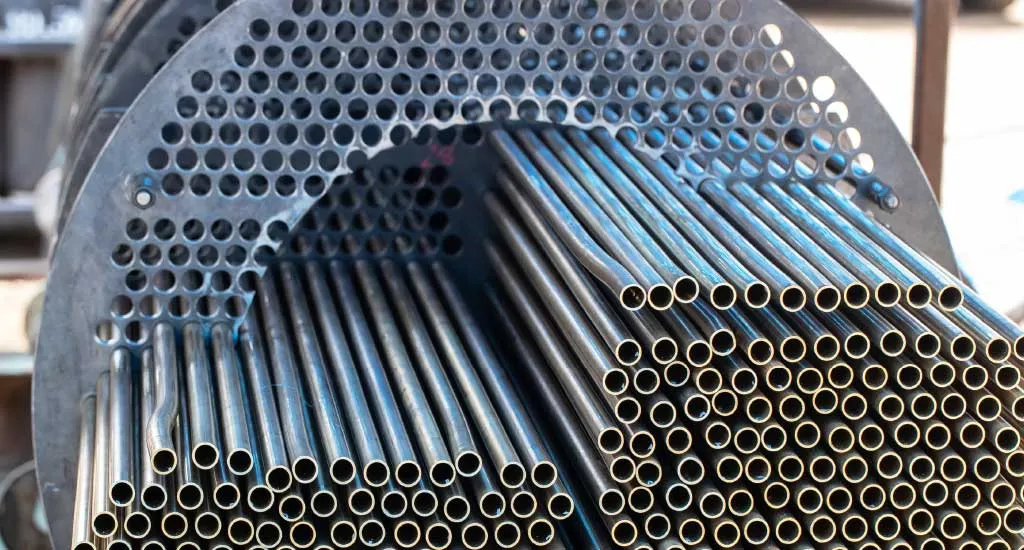
The U-tube heat exchanger features a bundle of U-shaped tubes housed within a shell. One fluid flows through the U-tubes, while another circulates around them inside the shell.

Advantages:

  • Compact footprint
  • Accommodates thermal expansion due to tube flexibility
  • Cost-effective for high-pressure applications

Common Applications:

  • Steam-to-liquid or liquid-to-liquid heat transfer
  • Power generation
  • Refineries and chemical plants

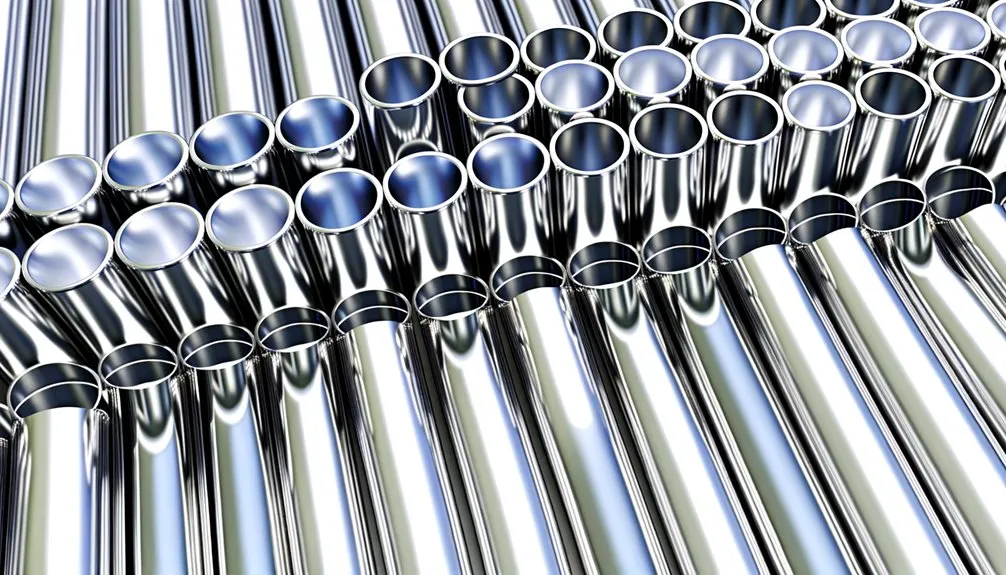
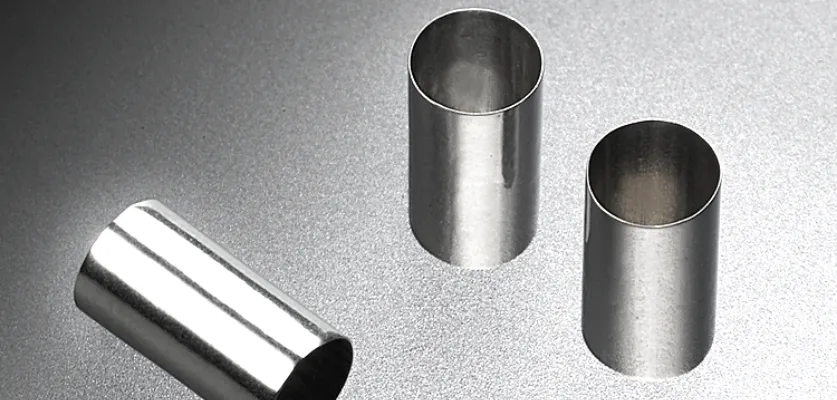
DLSS provides thin-walled U-bend stainless steel tubes with tight radius control, ideal for precision U-tube bundle manufacturing.


2. Shell and Tube Heat Exchanger: Industrial Standard

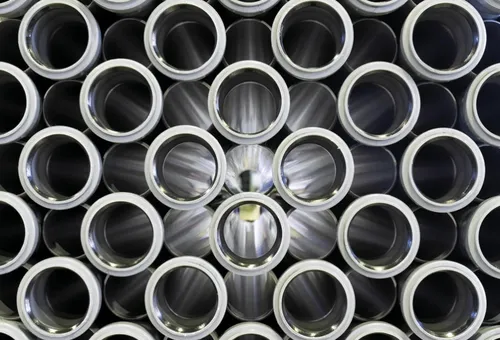
The shell and tube heat exchanger is the most widely used design in industries requiring high heat transfer capacity. It consists of multiple straight tubes enclosed in a cylindrical shell. Baffles may be added to direct fluid flow and increase turbulence for better thermal performance.

Key Benefits:

  • Handles high pressure and high-temperature environments
  • Easily scalable for large systems
  • Facilitates multiple flow configurations (crossflow, counterflow, multipass)

Applications:

  • Oil refining and petrochemical processes
  • Boiler feedwater preheating
  • Cooling tower loops

DLSS offers stainless steel and duplex alloy tubes that meet ASME, ASTM, and EN standards, making them suitable for shell-and-tube heat exchanger manufacturing worldwide.


3. Coiled Tube Heat Exchanger: High Efficiency in Compact Designs

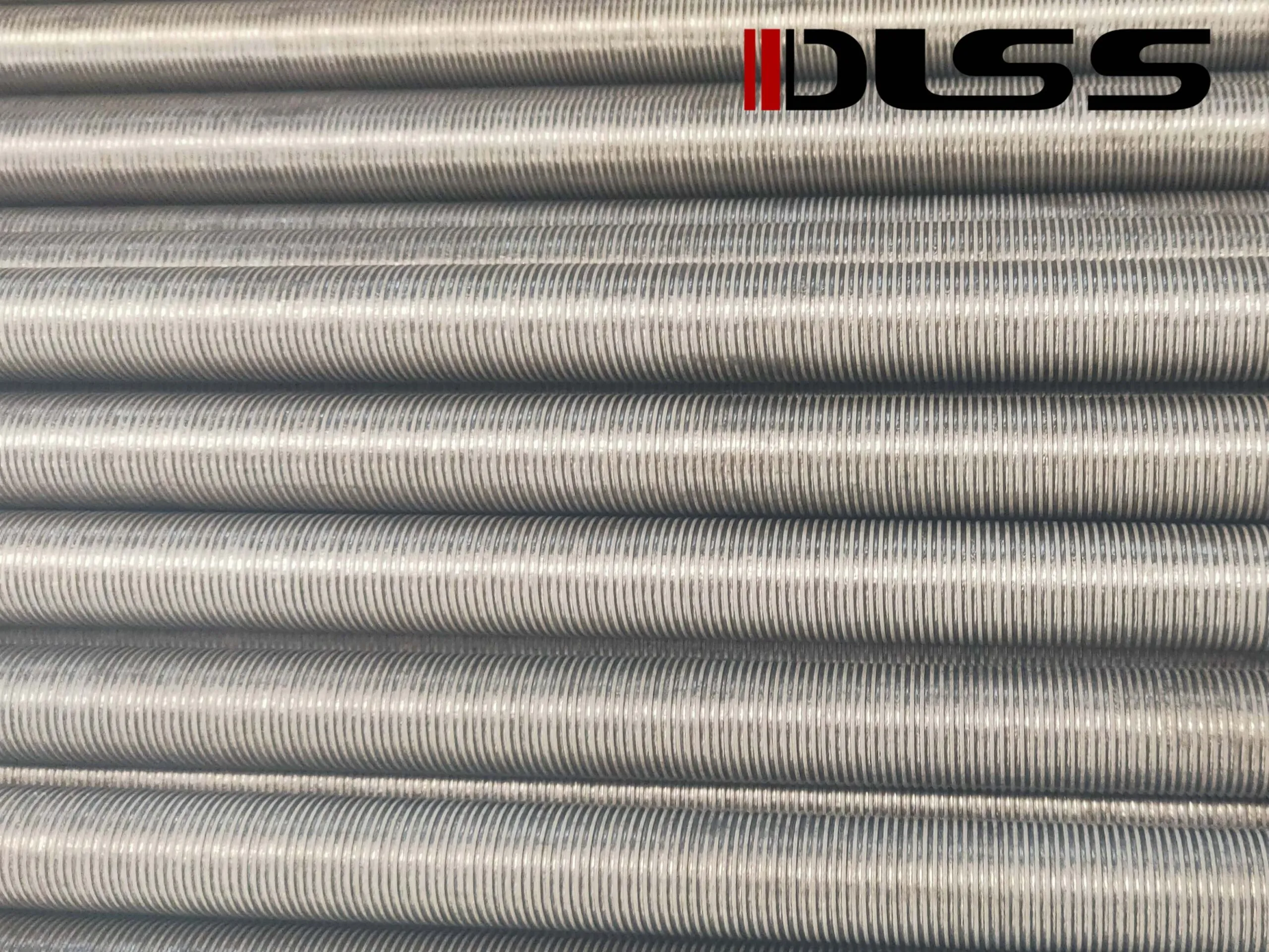
Coiled tube heat exchangers use helically coiled or spiral tubes, often enclosed in a tank or shell. Their compact shape allows for a large surface area in a small volume, making them ideal for space-constrained systems.

Features:

  • Enhanced heat transfer due to secondary flow patterns (Dean vortices)
  • Low fouling design
  • High mechanical strength under vibration

Use Cases:

  • Solar thermal systems
  • Chemical reactors
  • Small-scale heat recovery units

Our seamless coiled stainless steel tubing ensures minimal leakage risk and excellent corrosion resistance, even under cyclic temperature conditions.

Why DLSS Tubing Fits These Designs

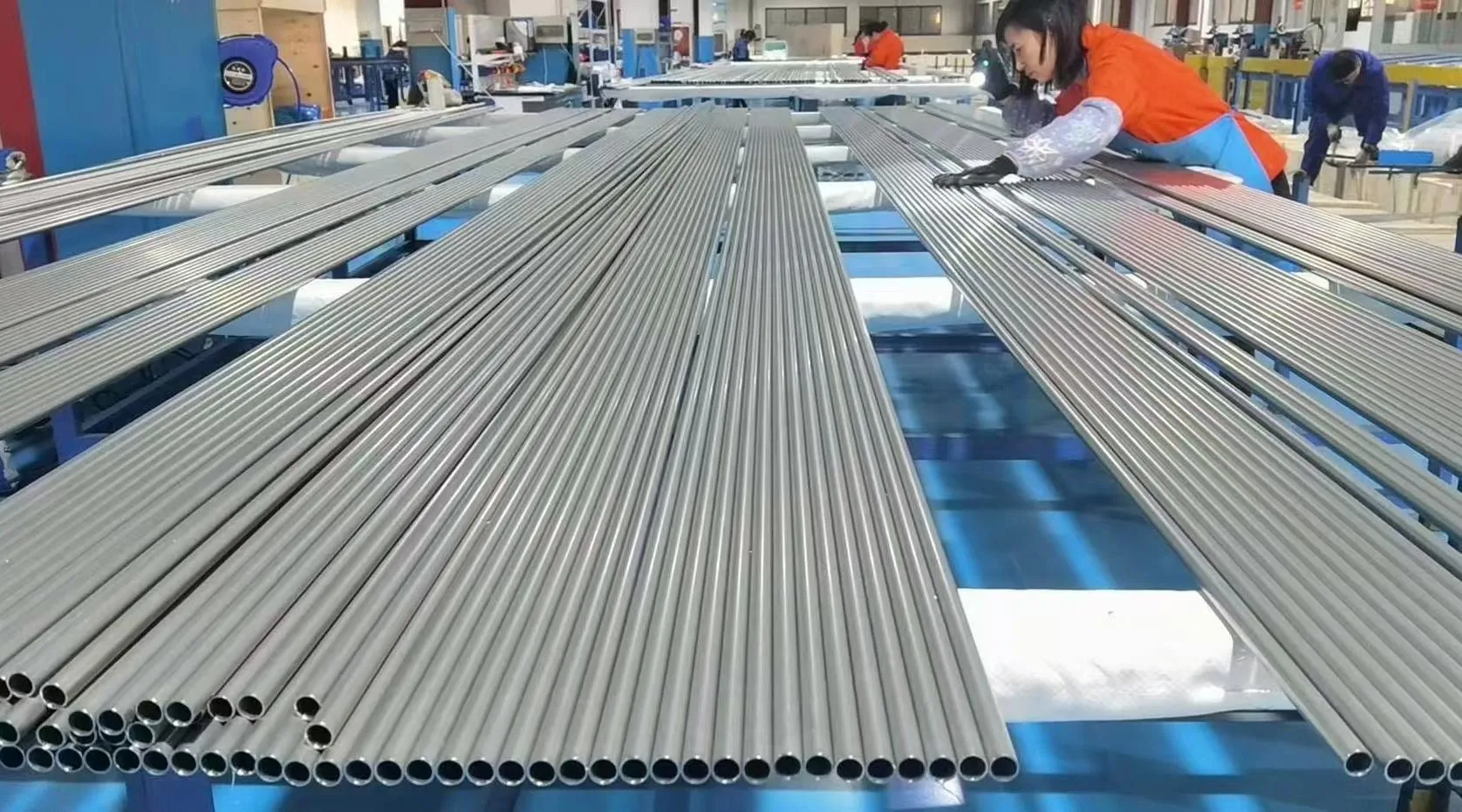
At DLSS, we specialize in precision stainless steel seamless tubes, offering key advantages for advanced heat exchanger applications:

  • Tight tolerances and smooth inner surfaces for optimal flow
  • Custom lengths, U-bends, and coiled configurations available
  • Materials include TP304, TP316L, 2205, 2507, and nickel alloys
  • Compliance with ASTM A213 / A269 / EN 10216-5 / JIS G3463 standards

Explore our manufacturing capabilities at www.dlsspipeline.com
Inquiries: info@dlsspipe.com

Wonderful! Share This Case:

Austenitic Stainless Steel

Duplex Stainless Steel

Nickel Alloys

▪ Incoloy Family

▪ Inconel Family

▪ Monel Family

▪ Hastelloy Family

▪ Other Special Alloys

Cobalt Alloys

Related Posts

Understanding NACE MR0175 / ISO

Meta Description:Learn the essential requirements of NACE MR0175 / ISO 15156 for stainless steel tubing. Discover how to ensure compliance in sour gas environments and avoid material failure. Introduction In the oil and gas industry, hydrogen sulfide (H₂S) poses one of the greatest threats to material performance. It causes Sulfide Stress Cracking (SSC) and Hydrogen-Induced […]

Read More
Understanding Electropolished (EP) Tubes – Surface Roughness, Applications, and Manufacturing

Understanding Electropolished (EP) Tubes –

Meta Description:Explore what electropolished (EP) stainless steel tubes are, how they are manufactured, and why they are essential for ultra-clean applications such as pharmaceuticals, biotechnology, and semiconductors. Introduction In ultra-clean environments like pharmaceutical plants, biotech labs, and semiconductor fabs, the surface of a stainless steel tube must be as smooth and contamination-free as possible. This […]

Read More
Heat Exchanger Tube Manufacturing for Japan’s Power Industry(日本の発電産業向け熱交換器チューブ製造)

Heat Exchanger Tube Manufacturing for

1. Introduction Japan’s power sector—including 火力発電所 (thermal power plants), 原子力発電所 (nuclear power plants), and 再生可能エネルギー施設 (renewable energy facilities)—demands high-performance heat exchanger tube Japan that can withstand high pressure, high temperature, and corrosive environments. DLSS provides stainless steel and special alloy tubes that meet JIS G3463 and ASTM standards, ensuring long service life and stable performance. […]

Read More
How to Improve Heat Exchanger Efficiency: Practical Tips for Better Heat Transfer Performance

5 Proven Ways: How to

1. Introduction – How to Improve Heat Exchanger Efficiency How to improve heat exchanger efficiency is a key question for operators who want lower energy bills, stable output, and longer asset life. Whether you run a shell and tube heat exchanger, a plate heat exchanger, or an air-cooled design, optimizing heat transfer performance delivers a […]

Read More
Ultrasonic vs Eddy Current Testing: Which Is Best for Heat Exchanger Tube Inspection?

Ultrasonic vs Eddy Current Testing:

Meta Description:Understand the key differences between ultrasonic testing (UT) and eddy current testing (ECT) for stainless steel and alloy heat exchanger tubes. Learn which method is best for your application. Introduction Non-destructive testing (NDT) is essential in the manufacturing and inspection of stainless steel tubes used in critical heat exchanger systems. Among the most widely […]

Read More
Inconel 625 Seamless Tubes: Ultimate Solution for Corrosion and High-Temperature Performance

Inconel 625 Seamless Tubes: Ultimate

Introduction Inconel 625 seamless tubes are high-performance nickel-chromium-molybdenum-niobium alloys known for their extraordinary strength, thermal stability, and corrosion resistance. These tubes are widely used in marine environments, offshore oil & gas platforms, nuclear systems, and chemical process plants, especially where chloride-induced pitting, stress corrosion cracking, or elevated temperatures are major concerns. See: Inconel – Wikipedia […]

Read More
Top Surface Finishes for Stainless Steel Tubes – BA, EP, Polished, and More

Top Surface Finishes for Stainless

Meta Description:Discover the most common surface finishes for stainless steel tubes—BA, EP, polished, pickled—and how each impacts corrosion resistance, cleanliness, and application suitability. Introduction Surface finish plays a critical role in determining the performance and aesthetics of stainless steel tubes, especially in industries like pharmaceuticals, food processing, heat exchangers, and instrumentation systems. Whether your project […]

Read More
NACE MR0175 vs MR0103: What’s the Difference in Stainless Steel Tube Procurement?

NACE MR0175 vs MR0103: What’s

Meta Description:Discover the key differences between NACE MR0175 and MR0103. Learn how each applies to stainless steel tubes used in sour service and refinery environments. Introduction When sourcing stainless steel tubes for corrosive environments, especially those involving hydrogen sulfide (H₂S), two international standards are frequently cited: While both relate to sulfide stress cracking (SSC) resistance, […]

Read More

Request A Quote

*We respect your confidentiality and all information are protected.