Heat exchanger fouling is one of the most common reasons for reduced heat transfer, higher pressure drop, increased energy consumption, frequent cleaning, and unexpected downtime.
Fouling occurs when unwanted deposits build up on heat transfer surfaces. These deposits may come from minerals, suspended solids, biological growth, corrosion products, oil, organic matter, or chemical reactions.
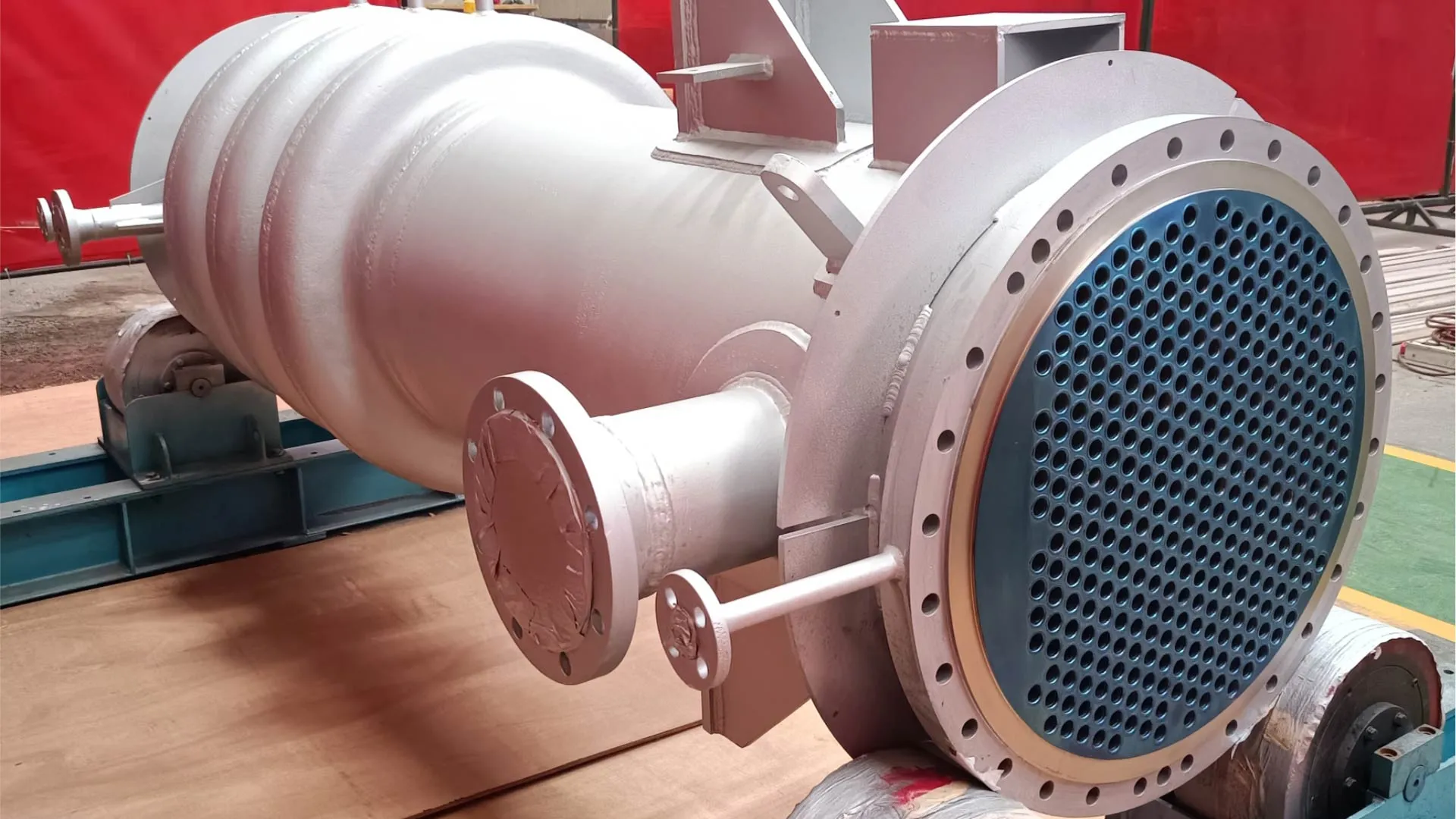
For shell and tube heat exchangers, fouling often appears on the tube side, shell side, or both. Once deposits build up, heat transfer becomes less efficient and the system needs more energy to achieve the same operating result.
Preventing fouling is usually more cost-effective than cleaning after severe performance loss. This guide explains practical ways to reduce fouling risk and helps buyers choose suitable heat exchanger tubes for long-term operation.
Quick Answer
To prevent heat exchanger fouling, focus on seven areas:
- Understand the fouling type
- Select the right tube material
- Maintain proper flow velocity
- Control water quality and process conditions
- Use filtration or pretreatment
- Design for cleaning and inspection access
- Monitor temperature, pressure drop, and performance trends
The goal is not to eliminate fouling completely in every system. In many industrial applications, fouling cannot be fully avoided. The practical goal is to slow down fouling, keep performance stable, reduce cleaning frequency, and extend tube service life.
What Is Heat Exchanger Fouling?
Heat exchanger fouling is the accumulation of deposits on heat transfer surfaces. These deposits create an additional thermal resistance between the hot and cold fluids.
As fouling increases, the heat exchanger may show:
- Lower heat transfer efficiency
- Higher pressure drop
- Higher pumping energy
- Unstable outlet temperature
- More frequent cleaning
- Corrosion under deposits
- Shorter tube life
- Higher maintenance cost
In many plants, fouling is not noticed immediately. Operators may first see a small change in outlet temperature or pressure drop. If the trend is ignored, the exchanger may eventually require shutdown and cleaning.
Common Types of Heat Exchanger Fouling
Different fouling types need different prevention methods. Before choosing a cleaning or material solution, buyers and operators should understand the actual fouling mechanism.
1. Scaling
Scaling happens when minerals precipitate from water and form hard deposits on tube surfaces. Calcium carbonate and other mineral deposits are common in cooling water systems.
Scaling risk increases when water chemistry, temperature, hardness, and flow conditions are not controlled.
2. Particulate Fouling
Particulate fouling occurs when suspended solids, dust, sand, rust, or process particles settle on heat transfer surfaces.
This is common in dirty water, process fluids, seawater systems, and systems with poor filtration.
3. Biological Fouling
Biological fouling is caused by microorganisms, algae, bacteria, biofilm, shells, or marine growth. It is common in seawater cooling systems and untreated water systems.
Biofouling can reduce heat transfer and restrict flow paths.
4. Corrosion Product Fouling
Corrosion product fouling happens when rust, oxides, or corrosion particles from upstream equipment deposit inside the heat exchanger.
This type of fouling may indicate a wider system corrosion problem, not only a heat exchanger problem.
5. Chemical Reaction Fouling
Chemical fouling occurs when process fluids react, polymerize, decompose, or form sticky deposits under certain temperature and flow conditions.
This is common in some chemical, refinery, oil, and process systems.
1. Select the Right Tube Material
Tube material selection is one of the most important ways to reduce fouling-related problems.
The right material should match the medium, temperature, pressure, corrosion risk, cleaning method, and expected service life.
Common heat exchanger tube materials include:
- TP304 / TP304L stainless steel
- TP316 / TP316L stainless steel
- TP321 / TP347 stainless steel
- Duplex 2205
- Super duplex 2507
- 904L
- Titanium Grade 2
- Copper nickel C70600 / C71500
- Nickel alloys such as Alloy 625, Alloy 825, and C-276
A material with poor corrosion resistance may generate corrosion products, rough surfaces, pitting, leakage, and more deposits. In chloride-containing water, seawater, chemical media, or high-fouling systems, material selection should be reviewed carefully.
For example:
- TP316L may be suitable for many general industrial and mildly corrosive applications.
- Duplex or super duplex may be considered for stronger chloride resistance.
- Titanium may be considered for seawater heat exchangers or highly corrosive cooling water.
- Copper nickel may be used in selected marine condenser applications.
- Nickel alloys may be required for aggressive chemical or high-temperature corrosive service.
The cheapest tube material may not be the best long-term choice if it causes frequent cleaning or early tube failure.
2. Maintain Proper Flow Velocity
Flow velocity affects fouling behavior.
If velocity is too low, suspended solids may settle more easily and form deposits. Low velocity can also create stagnant zones where biological growth or scaling becomes worse.
If velocity is too high, heat transfer may improve, but pressure drop, erosion, vibration, and tube wear can increase.
A good design should balance:
- Heat transfer
- Fouling control
- Pressure drop
- Pumping energy
- Erosion risk
- Vibration risk
- Tube service life
Operators should not solve fouling only by increasing flow rate. The correct velocity should follow the heat exchanger design and service condition.
3. Control Water Quality and Process Conditions
Water quality is a major factor in cooling water and seawater systems.
Important items to monitor include:
- pH value
- Hardness
- Chloride content
- Suspended solids
- Dissolved oxygen
- Biological activity
- Conductivity
- Temperature
- Chemical treatment level
For cooling water systems, poor water treatment can lead to scaling, biological fouling, corrosion, and under-deposit corrosion.
For process fluids, temperature control and chemical stability are also important. Some fluids may form deposits only when temperature rises above a certain range or when flow becomes unstable.
A good fouling prevention plan should include regular water or process fluid testing.
4. Use Filtration and Pretreatment
Filtration can reduce particulate fouling by removing suspended solids before they enter the heat exchanger.
Depending on the system, pretreatment may include:
- Strainers
- Filters
- Side-stream filtration
- Sedimentation
- Chemical dosing
- Water softening
- Biocide treatment
- Deaeration
- Magnetic or mechanical separation, if suitable
For seawater or dirty water systems, inlet filtration is especially important. Sand, shells, rust, and biological matter can block tubes and increase pressure drop.
Filtration should be maintained regularly. A blocked filter can reduce flow and create another operating problem.
5. Choose Suitable Surface Finish and Tube Cleanliness
Surface condition can affect fouling tendency, cleaning difficulty, and corrosion behavior.
Depending on the application, buyers may request:
- Pickled surface
- Bright annealed surface
- Polished surface
- Electropolished surface
- Cleaned and capped tubes
- Oil-free or special cleaning requirement
A smoother and cleaner surface may help reduce deposit adhesion in some applications, but surface finish alone cannot solve all fouling problems.
The surface finish should match the medium, cleanliness requirement, corrosion risk, and cleaning method.
For high-cleanliness systems such as food, pharmaceutical, semiconductor, or precision fluid systems, tube cleanliness and packing protection should be confirmed before production.
6. Design for Easy Cleaning and Inspection
Some fouling is unavoidable. That is why the heat exchanger should be designed for cleaning and inspection.
For shell and tube heat exchangers, buyers and engineers should consider:
- Removable tube bundle design
- Tube access for mechanical cleaning
- Cleaning chemical compatibility
- Drain and vent positions
- Inspection access
- Tube sheet design
- Baffle arrangement
- Fouling allowance
- Tube material and wall thickness
- Plugging and replacement possibility
If the system is expected to handle dirty, scaling, or fouling fluids, cleanability should be considered at the design stage.
A heat exchanger with poor cleaning access may have lower initial cost but higher downtime and maintenance cost later.
7. Monitor Performance Trends
Fouling develops over time. Continuous or regular monitoring helps identify early signs before serious performance loss.
Operators should monitor:
- Hot side inlet and outlet temperature
- Cold side inlet and outlet temperature
- Tube side pressure drop
- Shell side pressure drop
- Flow rate
- Pumping energy
- Outlet temperature stability
- Cleaning interval
- Inspection records
Pressure drop is a useful signal. When fouling deposits restrict the flow path, pressure drop may increase. If heat transfer decreases and pressure drop increases at the same time, fouling or blockage is likely.
Monitoring should focus on trends, not only one-time readings. Comparing current data with clean-condition data helps determine when cleaning is needed.
What Buyers Should Include in the RFQ
If the project involves fouling risk, the RFQ should provide enough information for material and tube selection.
Buyers should provide:
- Heat exchanger type
- Tube material grade
- Applicable standard
- OD, wall thickness, and length
- Straight tube or U-tube
- Quantity
- Tube-side medium
- Shell-side medium
- Operating temperature
- Operating pressure
- Flow rate
- Fouling condition
- Chloride content or water quality data, if available
- Cleaning method
- Surface finish requirement
- Heat treatment requirement
- NDT requirement
- Hydrostatic test requirement
- PMI requirement
- MTC requirement
- Third-party inspection requirement
- Packing requirement
- Drawing or tube sheet layout, if available
If the buyer is not sure which material is suitable, the RFQ can state:
“Please recommend a suitable heat exchanger tube material based on the attached medium, temperature, pressure, fouling condition, water quality, cleaning method, inspection requirement, and expected service life. Please advise the technical risk and cost difference between available options.”
How DLSS Supports Fouling-Resistant Heat Exchanger Tube Projects
DLSS supplies stainless steel and alloy tubes for heat exchangers, condensers, boilers, evaporators, U-tube bundles, marine systems, chemical plants, power plants, food processing, and industrial heat transfer equipment.
Our support includes:
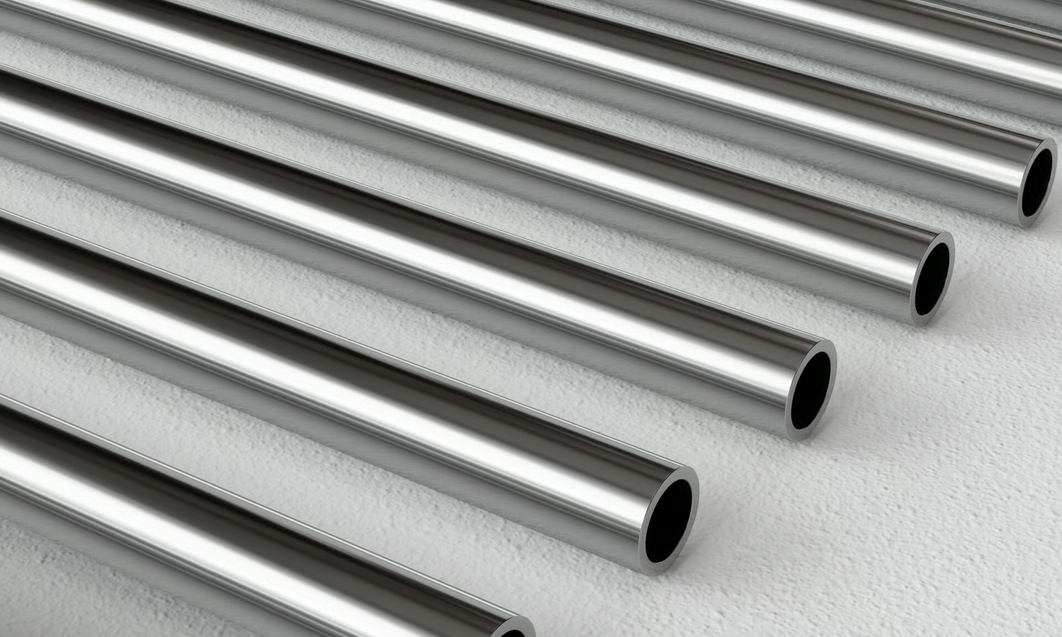
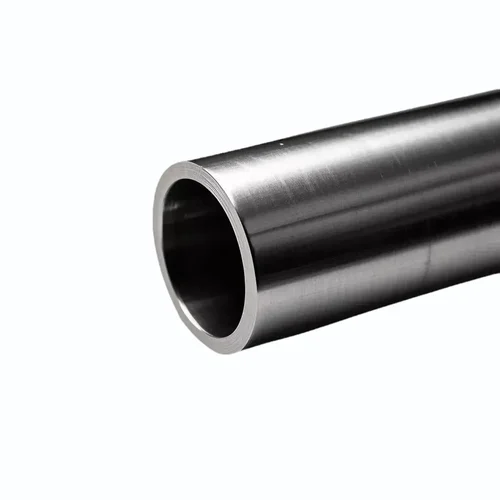
- Stainless steel heat exchanger tubes
- Seamless and welded stainless steel tubes
- U-bent tubes
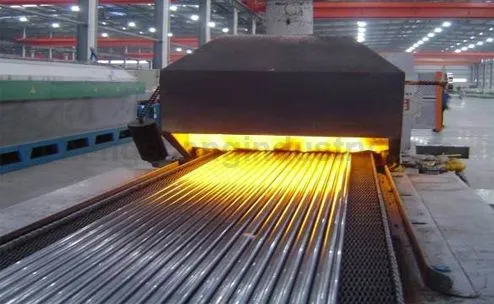
- Bright annealed tubes
- Pickled tubes
- Polished tubes
- Low finned tubes
- Duplex and super duplex tubes
- Titanium tubes
- Copper nickel condenser tubes
- Nickel alloy tubes
- MTC and heat number traceability
- PMI, ET, UT, and hydrostatic test coordination
- Third-party inspection support
- Export packing for long-distance shipment
Before production, DLSS can help buyers review the medium, fouling risk, corrosion condition, tube material, surface finish, inspection scope, MTC requirement, and delivery schedule.
The goal is to help buyers reduce fouling-related risk, avoid repeated tube failure, and support long-term heat exchanger performance.
Common Mistakes Buyers Should Avoid
Mistake 1: Treating Fouling Only as a Cleaning Problem
Frequent fouling may be caused by poor water quality, low flow velocity, wrong material, rough surface, corrosion deposits, or poor system design.
Mistake 2: Choosing Tube Material Only by Price
A cheaper tube material may lead to corrosion, deposits, frequent cleaning, leakage, and shorter service life.
Mistake 3: Ignoring Pressure Drop Trends
Pressure drop increase can be an early warning sign of fouling or blockage. Operators should monitor trends before performance drops seriously.
Mistake 4: Using Aggressive Cleaning Without Material Review
Cleaning chemicals should be compatible with the tube material. The wrong cleaning method may damage stainless steel, copper nickel, titanium, or nickel alloy tubes.
Mistake 5: Sending an Incomplete RFQ
Without medium, temperature, pressure, fouling condition, water quality, and cleaning method, the supplier cannot make a reliable material recommendation.
FAQ
What causes heat exchanger fouling?
Common causes include scaling, suspended solids, biological growth, corrosion products, oil deposits, organic matter, and chemical reactions. The exact cause depends on the medium and operating condition.
How does fouling affect heat exchanger performance?
Fouling adds thermal resistance to heat transfer surfaces. It reduces heat transfer efficiency and may increase pressure drop, pumping energy, cleaning frequency, and downtime.
Can fouling be completely prevented?
In many industrial systems, fouling cannot be completely prevented. The practical goal is to reduce fouling rate, monitor performance, clean at the right time, and select suitable tube materials.
Does better tube material reduce fouling?
Better tube material can help reduce corrosion-related deposits and support longer service life. However, material selection must be combined with water treatment, flow control, filtration, cleaning, and monitoring.
What is the best tube material for fouling service?
There is no single best material. The right choice depends on medium, temperature, pressure, chloride content, fouling type, cleaning method, and service life requirement.
What should I send to DLSS for a fouling-related tube recommendation?
Please send the medium, temperature, pressure, water quality, fouling type, cleaning method, tube size, material requirement, inspection requirement, MTC requirement, and photos or inspection reports if available.
Conclusion
Preventing heat exchanger fouling requires more than regular cleaning. It requires the right combination of tube material, flow control, water treatment, filtration, surface condition, cleaning access, and performance monitoring.
For shell and tube heat exchangers, tube selection is especially important. The right material and surface condition can help reduce corrosion deposits, improve cleanability, and extend service life.
DLSS supports heat exchanger tube projects with stainless steel, duplex, super duplex, titanium, copper nickel, nickel alloy, U-bent, finned, seamless, and welded tubes. If your heat exchanger has repeated fouling, scaling, corrosion deposits, or short tube life, our team can help review your specification and recommend a practical tube solution before production.