Seamless vs Welded Stainless Steel Pipes: Which is More Reliable?

DLSS - Pipe&Tube - Seamless vs Welded Stainless Steel Pipes: Which is More Reliable?

Meta Description:
Seamless or welded pipe? Learn the structural, performance, and cost differences, and discover which option is better for your industrial application.


Introduction

One of the most common engineering decisions in piping systems is:

“Should we use seamless or welded stainless steel pipes?”

While both types comply with international standards, they differ significantly in:

  • Strength under pressure
  • Dimensional tolerances
  • Cost
  • Corrosion resistance
  • Application suitability

This article compares seamless vs. welded pipes in detail to help engineers, EPC contractors, and project managers select the best option for their system.


How Are They Made?

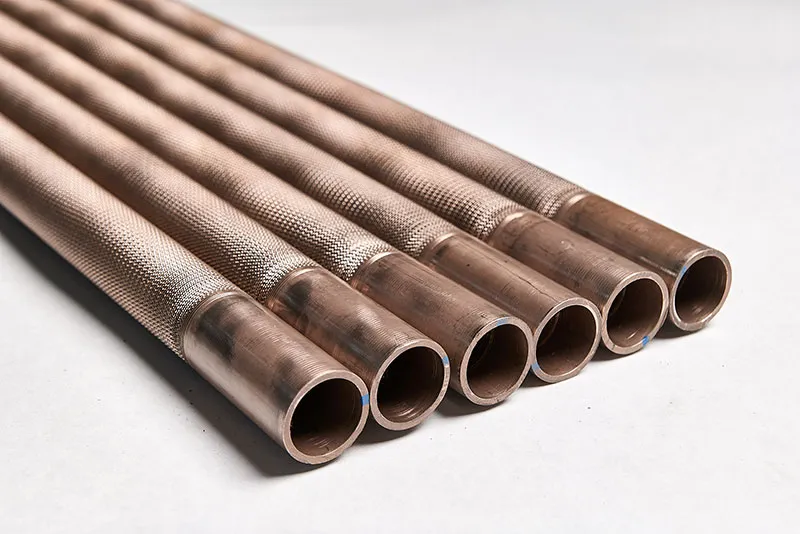
Seamless Pipes

Manufactured by piercing a solid billet and rolling it into a tube shape.
No weld seam.
Compliant with ASTM A213 and ASTM A312.

Advantages:

  • Uniform structure
  • Better pressure and temperature resistance
  • No seam to act as a corrosion initiation point

Welded Pipes

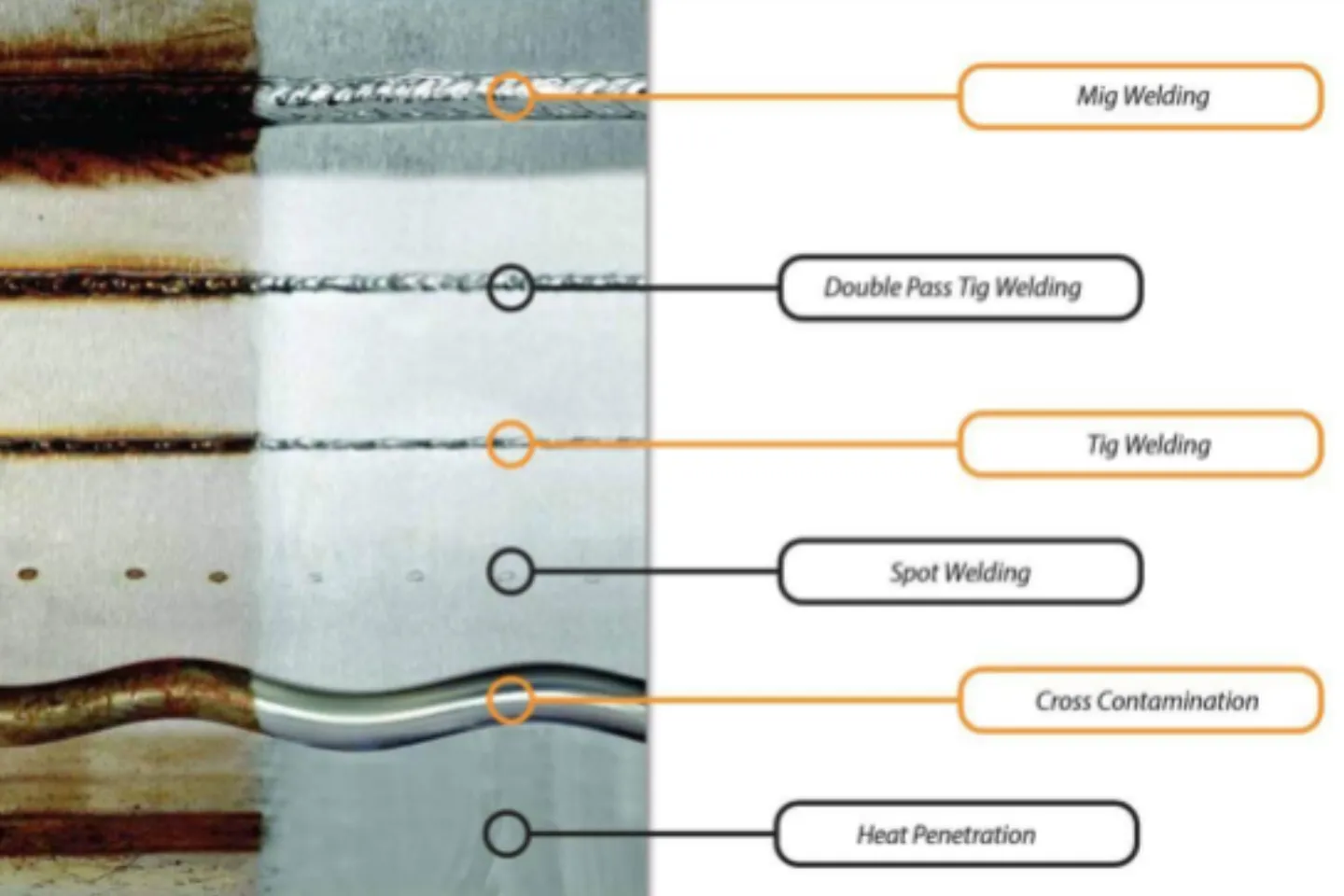
Made by cold forming stainless steel strip and welding the seam (either by TIG or HFIW).
Usually finished with a weld bead removed and heat treated.

Compliant with ASTM A249 or A269.

Advantages:

  • Lower cost
  • Shorter lead time
  • Wider range of available sizes and finishes

Comparison Table

PropertySeamless PipeWelded Pipe
Weld seamNoneYes (may be ground and heat-treated)
Pressure resistanceHigherLower in high-pressure or critical zones
Surface finishPickled / BA / EPBA / EP / Annealed
CostHigher15–30% lower (depending on size)
Corrosion riskLower (no seam)Higher if seam is poorly finished
Typical useBoilers, heat exchangers, offshoreFood lines, water supply, non-critical

Which Is More Reliable?

Seamless pipes are considered more reliable in:

  • High-pressure applications (e.g., boiler tubes, pressure vessels)
  • Corrosive environments (e.g., offshore, chemical processing)
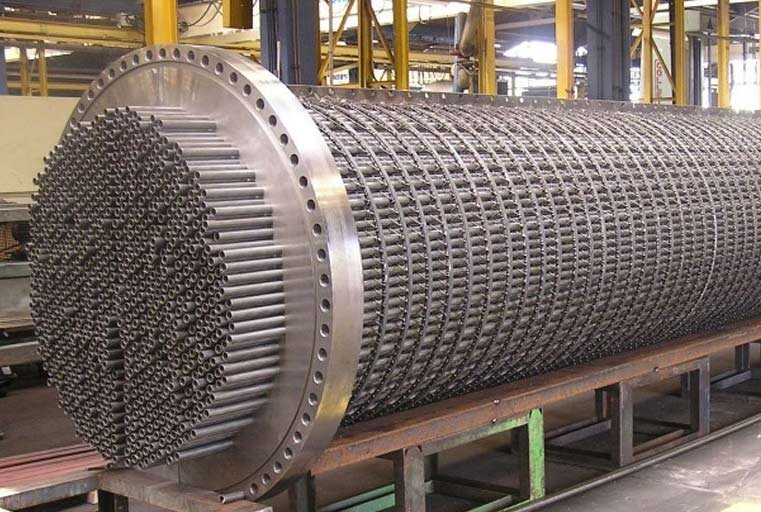
  • Critical heat exchanger tubing
  • NACE MR0175-compliant sour gas lines

However, welded pipes are excellent for:

  • Low-pressure systems
  • Food & beverage lines with electropolishing
  • Architectural and decorative piping
  • Large diameter systems (DN > 400 mm)

For projects with moderate service conditions and cost sensitivity, welded pipes provide great value when sourced from reputable suppliers.


Cost Considerations

Seamless pipes cost 15–30% more than welded in most markets, especially for large OD and thicker walls.

However, when reliability is critical, the long-term savings from avoiding leaks or downtime often outweigh the upfront cost difference.


Frequently Asked Questions (FAQ)

Q1: Are seamless pipes stronger than welded?
Yes. Seamless pipes have no weld zone, which improves mechanical and corrosion performance under high stress.

Q2: Is a welded pipe suitable for heat exchangers?
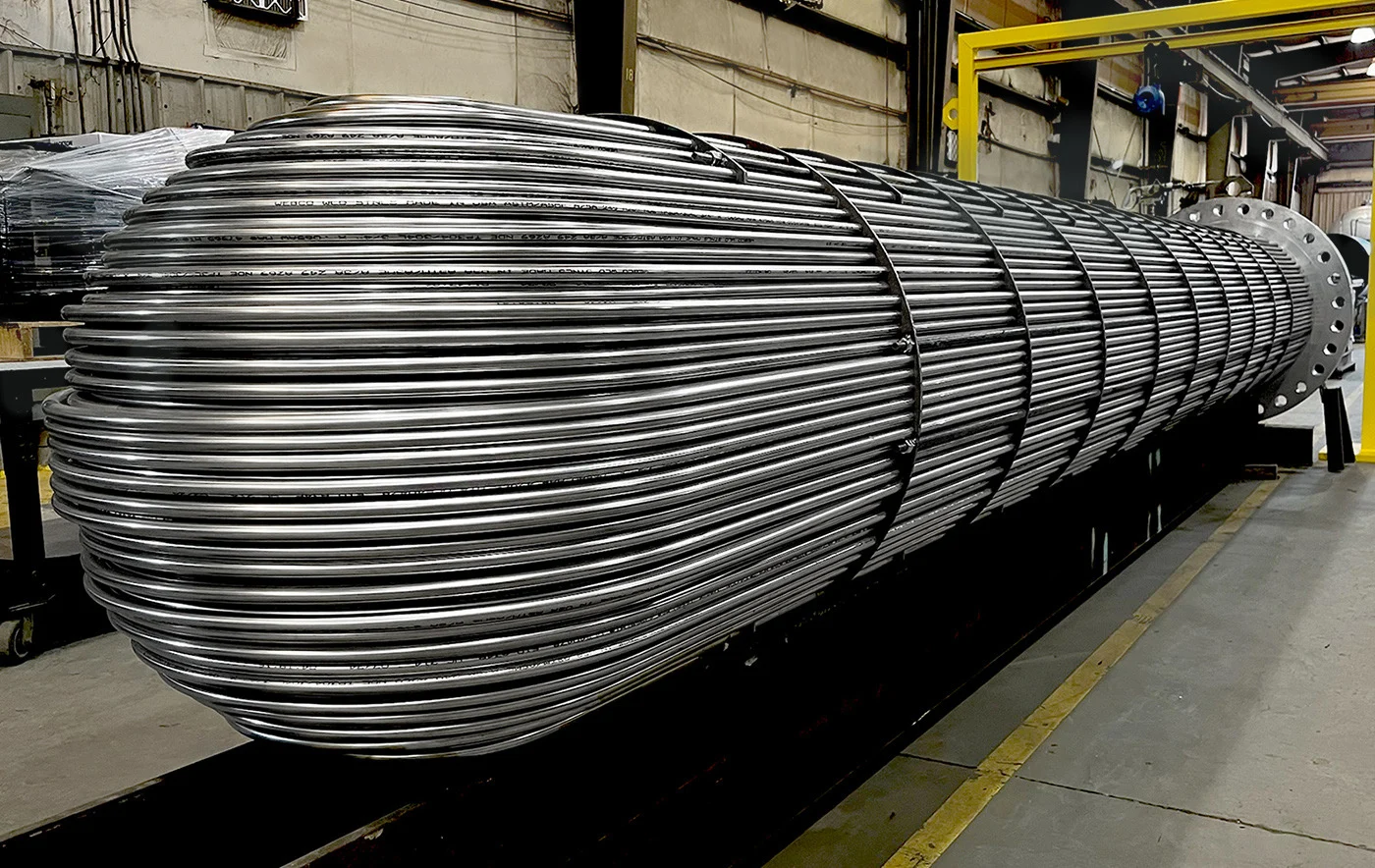
Only if the welds are fully inspected and corrosion is not severe. Seamless is preferred for U-bends and high-pressure zones.

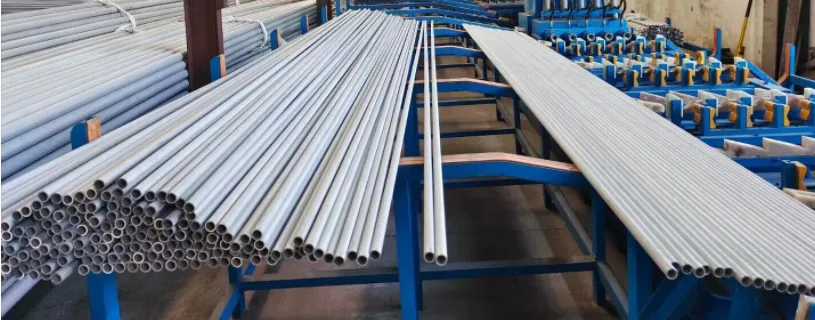
Q3: How to identify a welded pipe visually?
Most welded pipes have a faint weld line on the ID or OD unless polished. Seamless has a smooth, uniform finish throughout.

Q4: What standards cover both types?

Q5: Does DLSS supply both types?
Yes. DLSS offers both seamless and welded stainless steel pipes, with testing (UT, EC, PMI), certificates (EN 10204 3.1/3.2), and custom surface finishes.


Conclusion

The choice between seamless and welded pipes depends on your project’s operating conditions, cost targets, and reliability goals.

When failure is not an option, seamless stainless steel pipes from DLSS provide the structural and chemical assurance you need.
For less demanding systems, our welded solutions offer quality, compliance, and cost-effectiveness.


Contact DLSS
Email: info@dlsspipe.com
Website: www.dlsspipeline.com

Wonderful! Share This Case:

Austenitic Stainless Steel

Duplex Stainless Steel

Nickel Alloys

▪ Incoloy Family

▪ Inconel Family

▪ Monel Family

▪ Hastelloy Family

▪ Other Special Alloys

Cobalt Alloys

Related Posts

ASME SA213 TP316H Seamless Tube (19.05 × 2.0mm, up to 6000mm in length)

ASME SA213 TP316H Seamless Tube

Product Overview: ASME SA213 TP316H Seamless Tube ASME SA213 TP316H is a high-performance austenitic stainless steel seamless tube specifically designed for applications in high-temperature and highly corrosive environments. Widely used in critical industrial systems such as heat exchangers, boilers, condensers, and high-pressure fluid systems, this material meets the stringent standards set by ASTM A213 / […]

Read More
Stainless Steel Tubing for Food & Beverage Applications – Sanitary Requirements Explained

Stainless Steel Tubing for Food

Meta Description:Discover the sanitary tubing requirements for food and beverage processing. Learn how stainless steel tubes ensure hygiene, corrosion resistance, and compliance with global standards. Introduction In the food and beverage industry, maintaining product purity, hygiene, and corrosion resistance is non-negotiable. Stainless steel tubing plays a critical role in transporting liquids and gases—from dairy to […]

Read More

Plate Heat Exchanger vs Shell

1. Introduction – Plate vs Shell and Tube Heat Exchanger When selecting a heat exchanger for your application, one of the most common decisions is between a plate heat exchanger (PHE) and a shell and tube heat exchanger (STHE). Both designs have unique advantages and limitations. This guide compares the two to help you choose […]

Read More
How to Interpret a Stainless Steel Mill Test Certificate (MTC)

How to Interpret a Stainless

When importing stainless steel pipes and tubes, one of the most important documents is the Mill Test Certificate (MTC). This document provides traceability and guarantees that the materials meet international standards. However, many buyers are not fully familiar with how to read and interpret an MTC correctly. In this article, we provide a detailed guide […]

Read More
Top 10 Applications of Stainless Steel Tubes in the Oil & Gas Industry

Top 10 Applications of Stainless

Meta Description:Explore the top 10 critical applications of stainless steel tubes in the oil & gas industry. Learn how DLSS tubes perform under high pressure, corrosion, and extreme conditions. Introduction The oil and gas industry operates under extreme conditions—high pressure, corrosive environments, and fluctuating temperatures. To ensure safety and durability, stainless steel tubes are essential […]

Read More
Understanding EN 10204 3.1 vs 3.2: Certification Types for Stainless Steel Tubes

Understanding EN 10204 3.1 vs

Meta Description:Learn the key differences between EN 10204 3.1 and 3.2 material certificates for stainless steel tubes. Understand which certificate your project needs and how DLSS ensures compliance. Introduction Material certification is essential for traceability and quality assurance in the supply of stainless steel tubes, especially in industries like oil & gas, power generation, and […]

Read More
Plate vs. Shell and Tube Heat Exchangers: A Complete Comparison Guide

Plate vs. Shell and Tube

Selecting the right heat exchanger is critical for ensuring operational efficiency, durability, and cost-effectiveness. Among the most commonly used designs are the plate heat exchanger (PHE) and the shell and tube heat exchanger (STHE)—each offering distinct performance advantages in specific industrial environments. This guide compares the two technologies in terms of structure, thermal performance, maintenance, […]

Read More
Meeting JIS G3459 Standards for Stainless Steel Seamless Pipes(JIS G3459規格に適合するステンレス無縫管)

Meeting JIS G3459 Standards for

1. Introduction JIS G3459 seamless pipe Japan is a widely recognized specification for stainless steel pipes used in chemical, food, marine, and high-temperature applications. For Japanese buyers, compliance with ステンレス無縫管 規格 (stainless seamless pipe standards) is not optional—it is the foundation of product acceptance. DLSS ensures every tube meets or exceeds the stringent requirements of […]

Read More

Request A Quote

*We respect your confidentiality and all information are protected.