Aleaciones Especiales para Tuberías en Plataformas Offshore en Brasil

DLSS - Oil & Gas Industry - Aleaciones Especiales para Tuberías en Plataformas Offshore en Brasil

Meta descripción:
Las plataformas marinas brasileñas enfrentan desafíos extremos: alta salinidad, presión y exposición constante a H₂S. Conozca qué aleaciones inoxidables ofrecen mayor seguridad y vida útil en ambientes offshore.


Introducción

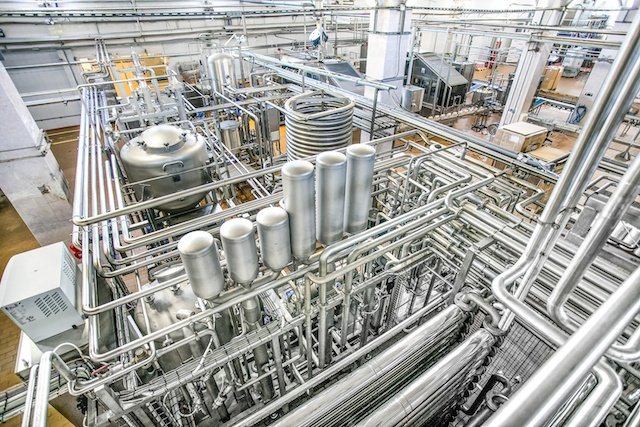
Brasil es líder en producción de petróleo en aguas profundas gracias a regiones como Campos, Santos y Pre-Sal. Estas plataformas offshore requieren sistemas de tuberías que soporten:

  • Alta salinidad y agua marina
  • Presión extrema y temperatura variable
  • Ambientes con sulfuro de hidrógeno (H₂S)
  • Difíciles condiciones de mantenimiento

Las fallas en línea pueden provocar paradas millonarias o accidentes ambientales. Por eso, la selección correcta de aleaciones es fundamental para asegurar la operación continua.


Retos Técnicos en el Entorno Offshore

  • Corrosión por cloruros en bridas, tubos y conexiones
  • Fisuración inducida por tensión (SSC)
  • Condiciones cíclicas por oleaje y cambios térmicos
  • Soldadura en espacios reducidos con atmósfera marina

Aleaciones de Alta Resistencia Recomendadas

AleaciónAplicación OffshoreBeneficios Clave
Alloy 625Líneas de producción y inyecciónAlta resistencia mecánica, a H₂S y cloruros
Incoloy 825Intercambiadores y separadoresCompatible con NACE, excelente frente a ácidos
Duplex 2205Tuberías estructurales y procesosDoble resistencia, bajo peso, buena soldabilidad
Super Duplex 2507Sistemas críticos de agua de marMáxima protección contra picaduras y fatiga
TP316LLíneas auxiliares, menos críticasEconómica, adecuada para servicio general

DLSS ofrece todos estos materiales en formatos de tubo sin costura, bridas y accesorios soldados o forjados.


Normas Aplicables

  • ASTM B444, B423, A790, A928, B466
  • ASME B31.3 / B31.4 / B31.8 Offshore Edition
  • NACE MR0175 / ISO 15156
  • DNV Offshore Rules & ABS Specifications (on request)

Casos en Brasil

DLSS ha participado en:

  • FPSO Cidade de Ilhabela: suministro de Incoloy 825 y Duplex para líneas de transferencia
  • Plataformas Pre-Sal: tubos Alloy 625 con certificado 3.2, inspección por BV
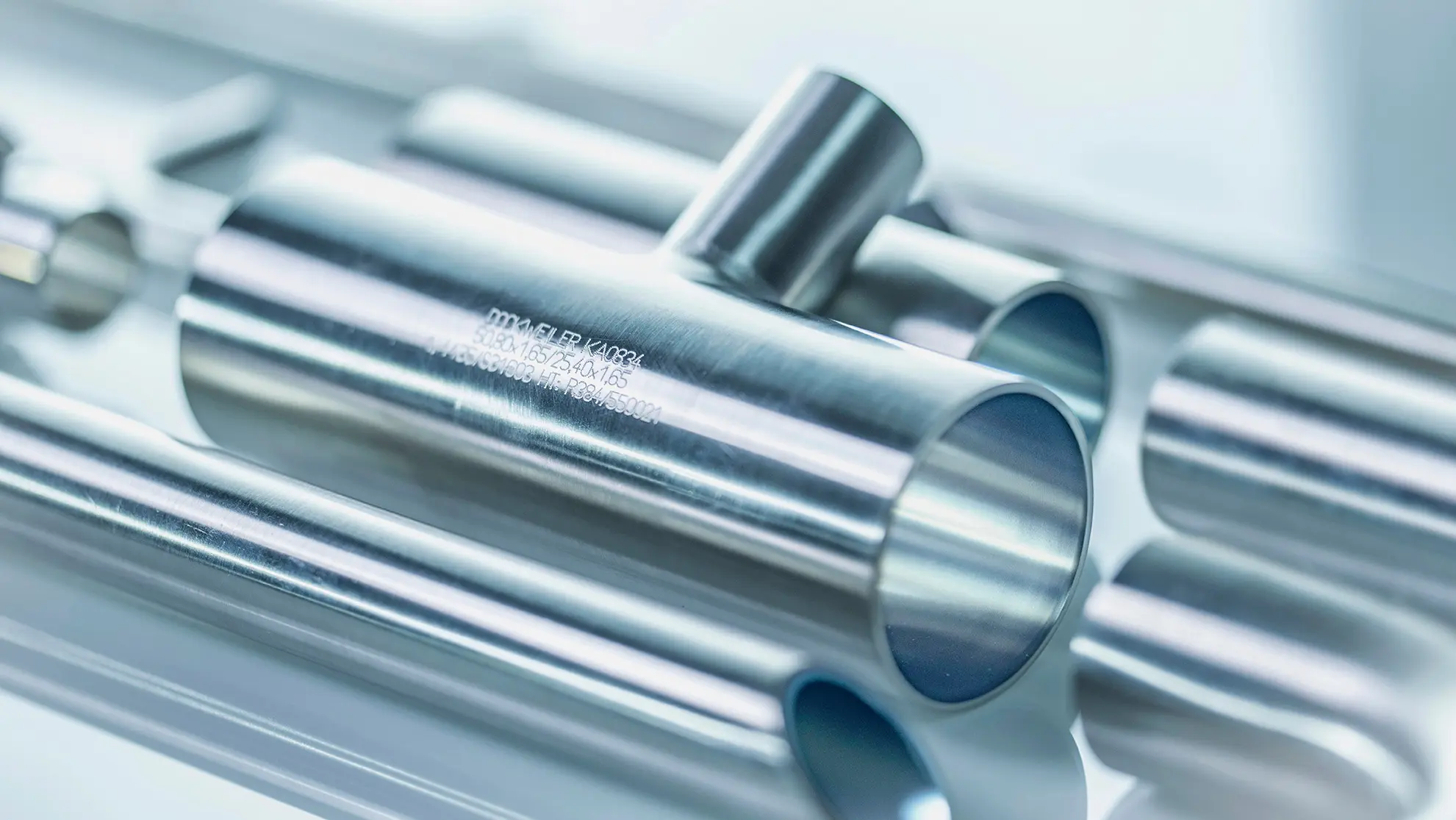
  • Estaciones submarinas: conexiones especiales en Super Duplex con marcado láser y trazabilidad completa

Servicios Complementarios

  • Ingeniería de soldadura y recomendaciones de WPS
  • Limpieza interna ID y purga con nitrógeno
  • Longitudes personalizadas de hasta 12 m
  • Protección con tapas, film, bolsas secas (Dry Pack)
  • Documentación en portugués, español o inglés según cliente

Conclusión

En el entorno offshore, donde el error no es una opción, las aleaciones especiales aseguran la integridad, reducen el mantenimiento y prolongan la vida útil de las instalaciones.

DLSS se compromete con la calidad, el cumplimiento de normas internacionales y el soporte técnico multilingüe para cada proyecto en el litoral brasileño.


Contáctenos
Correo: info@dlsspipe.com
Sitio web: www.dlsspipeline.com

Wonderful! Share This Case:

Austenitic Stainless Steel

Duplex Stainless Steel

Nickel Alloys

▪ Incoloy Family

▪ Inconel Family

▪ Monel Family

▪ Hastelloy Family

▪ Other Special Alloys

Cobalt Alloys

Related Posts

global-heat-exchanger-market-trends-2025

Global Heat Exchanger Market Trends

As the world transitions toward cleaner energy and more efficient industrial processes, heat exchangers are becoming more critical than ever. Whether in hydrogen plants, data centers, electric vehicle battery cooling, or traditional oil refineries—thermal management systems are evolving rapidly. This change is driving demand for more durable, efficient, and customizable heat exchanger tubes, particularly in […]

Read More
Top Stainless Steel Industry Trends in 2025: Sustainability, Advanced Alloys, and Smart Manufacturing

Top Stainless Steel Industry Trends

Meta Description:Explore the top 6 stainless steel industry trends in 2025, including green steel initiatives, duplex and super duplex stainless steels, nickel alloy pipes, and intelligent tube manufacturing. 1. Sustainable Stainless Steel Production With the global push toward decarbonization, the stainless steel industry is rapidly transitioning to green steel production. In 2025: Key Keywords: green […]

Read More
ASTM B163 Incoloy 825 (UNS N08825) Seamless Tube – 25.4 × 2.11 × 5555 mm, Bright Annealed Surface

ASTM B163 Incoloy 825 (UNS

Product Details Chemical Composition of Incoloy 825 (UNS N08825) Element Composition (%) Nickel (Ni) 38.0 – 46.0 Chromium (Cr) 19.5 – 23.5 Iron (Fe) Balance Molybdenum (Mo) 2.5 – 3.5 Copper (Cu) 1.5 – 3.0 Titanium (Ti) 0.6 – 1.2 Carbon (C) ≤ 0.05 Incoloy 825 is a nickel-iron-chromium alloy with added molybdenum, copper, and titanium for enhanced corrosion […]

Read More
How to Choose the Right Pipe Material for Your Industrial Project

How to Choose the Right

Meta Description:Choosing pipe material can make or break your project. Learn how engineers weigh cost, corrosion, pressure, and long-term reliability when selecting stainless steel and alloy pipes. Introduction If you’ve ever been responsible for building or maintaining an industrial pipeline—whether it’s for steam, chemical transfer, or even chilled water—you know one thing: Choosing the right […]

Read More
Top 5 Causes of Heat Exchanger Tube Failures — and How to Prevent Them

Top 5 Causes of Heat

Meta Description:Learn the five most common causes of heat exchanger tube failure, including corrosion, fouling, and thermal fatigue. Find out how to prevent costly shutdowns through material selection and design. Introduction Heat exchanger tubes are critical components in industries ranging from petrochemical and power generation to pharmaceutical and food processing. Yet, even with high-quality stainless […]

Read More
Stainless Steel Tubes for Heat Exchangers: Grades, Benefits, and Industrial Applications

Stainless Steel Tubes for Heat

Stainless steel has become the material of choice for heat exchanger tubes across a wide range of industries. Its combination of corrosion resistance, mechanical strength, and cleanability makes it ideal for applications requiring durability and thermal efficiency. Choosing the right stainless steel grade is essential to maximizing performance and minimizing lifecycle costs. This article explores […]

Read More
NACE MR0175 vs MR0103: What’s the Difference in Stainless Steel Tube Procurement?

NACE MR0175 vs MR0103: What’s

Meta Description:Discover the key differences between NACE MR0175 and MR0103. Learn how each applies to stainless steel tubes used in sour service and refinery environments. Introduction When sourcing stainless steel tubes for corrosive environments, especially those involving hydrogen sulfide (H₂S), two international standards are frequently cited: While both relate to sulfide stress cracking (SSC) resistance, […]

Read More
Energy-Saving Tips for Industrial Heat Exchangers

Energy-Saving Tips for Industrial Heat

1. Introduction – Energy Savings in Heat Exchangers Industrial facilities often spend a significant portion of their energy budget on heating and cooling processes. Optimizing heat exchanger performance not only lowers energy consumption but also extends equipment life and reduces maintenance costs. This guide shares proven strategies to maximize energy efficiency in shell and tube […]

Read More

Request A Quote

*We respect your confidentiality and all information are protected.