Latin America’s Energy Boom: Opportunities and Challenges for Stainless Steel Tube Suppliers

DLSS - Pipe&Tube - Latin America’s Energy Boom: Opportunities and Challenges for Stainless Steel Tube Suppliers

In recent years, Latin America has emerged as a hotbed of industrial investment. From deepwater oil fields in Brazil to lithium mines in Argentina and sugar mills in Colombia, the region is investing heavily in infrastructure and energy.

For suppliers of stainless steel tubes, heat exchanger coils, and industrial piping systems, this presents both a massive opportunity and a new set of challenges.


1. Where the Projects Are Coming From

Latin America is seeing diverse industrial growth across oil & gas, renewables, and heavy industry. Here are just a few highlights:

CountryKey ProjectsMaterials Needed
BrazilPetrobras offshore oil platforms, FPSOsDuplex tubes, clad pipes, seawater-cooled heat exchangers
ArgentinaVaca Muerta shale development, lithium processingSeamless pipes, high-pressure boiler tubes
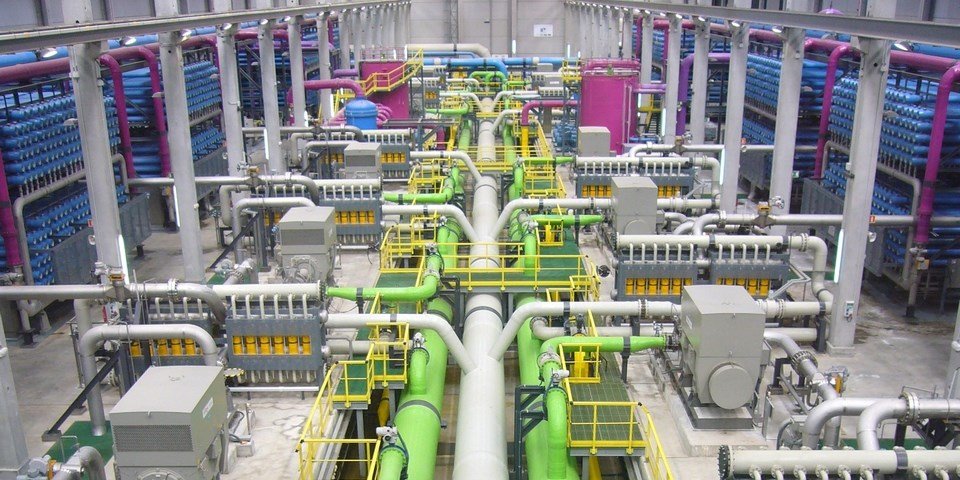
ChileCopper & lithium mining, desalination plantsCorrosion-resistant process tubing, pickled pipes
ColombiaSugar & ethanol plant expansionASTM A249/A269 tubes for condensers, evaporators
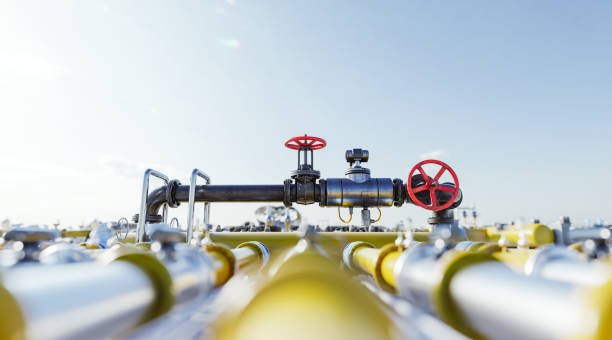
MexicoRefinery modernization (Pemex), natural gas pipelinesLarge OD piping, elbows, flanges, ASTM A312 tubes

Demand is particularly strong for ASME-certified, corrosion-resistant stainless steel tubing with tight tolerances and export-grade packaging.
latin-america-energy-projects-stainless-steel-opportunities

2. What Latin American Buyers Expect

Buyers in the region—EPC contractors, plant owners, and industrial end users—have become more technical and selective. Price matters, but so do:

  • Clear material documentation in English & Spanish (EN 10204 3.1/3.2)
  • Compliance with standards like ASME SA213, SA789, ASTM A312, A269
  • Export readiness (fumigated wooden crates, markings, country-of-origin)
  • Short lead times for shutdowns or brownfield upgrades
  • Technical support, especially for custom U-tubes, finned tubes, or drawing specs
latin-america-energy-projects-stainless-steel-opportunities

3. Challenges for Suppliers

Despite the opportunity, challenges include:

  • Port delays in Brazil and Argentina → suppliers must offer early shipments or flexible Incoterms
  • Import regulations and tariffs → accurate HS codes, certificates, and support from freight forwarders are key
  • Language barrier → bilingual support or Spanish packaging list / invoices help win trust
  • Payment terms & risk management → many buyers request net terms or part-payment after delivery; experience with trade insurance or LC is valuable

Suppliers who fail to meet compliance or documentation standards may face rejected shipments or long customs holds.
latin-america-energy-projects-stainless-steel-opportunities

4. Success Factors: What Makes a Reliable Tube Supplier?

FactorWhy It Matters
Product RangeFrom bright annealed tubes to heavy-wall duplex pipe—buyers want one-stop solutions
CertificationsASME, ISO 9001, PED, and region-specific documents
Reference ProjectsEspecially for refineries, sugar plants, or mines
Flexible MOQSupport for urgent or small-batch procurement
Pre-shipment inspection supportMany buyers require third-party checks before loading

Frequently Asked Questions (FAQ)

Q1: What standards are most requested by Latin American EPCs?
A: ASME SA213/SA312, ASTM A269/A249, and EN10216-5 are commonly required. Most projects also request 3.1 MTC and export-ready packaging.

Q2: Are polished or pickled tubes preferred in the sugar & ethanol industry?
A: For heat exchangers and evaporators in sugar mills, ASTM A249 pickled tubes are common due to cost-effectiveness and corrosion resistance.

Q3: What types of pipes are used in lithium or copper mines?
A: Austenitic stainless steel (TP316L), or sometimes duplex grades, are preferred in corrosive brine or chemical environments. Pipes must withstand pressure, scaling, and corrosion.

Q4: How can a Chinese supplier stand out in Latin America?
A: Bilingual communication, flexible lead times, complete documentation, and reliable project case studies help build trust.
latin-america-energy-projects-stainless-steel-opportunities

Conclusion: Local Mindset, Global Standards

Latin America may not have the same purchasing volume as the Middle East or Southeast Asia, but its project diversity, infrastructure investments, and growing technical sophistication make it a valuable market for stainless steel tube and pipe suppliers.

Manufacturers who combine certified products, logistical know-how, and customer-focused service are the ones best positioned to ride the next wave of industrial growth in the region.

Wonderful! Share This Case:

Austenitic Stainless Steel

Duplex Stainless Steel

Nickel Alloys

▪ Incoloy Family

▪ Inconel Family

▪ Monel Family

▪ Hastelloy Family

▪ Other Special Alloys

Cobalt Alloys

Related Posts

Finned Tube Cleaning and Maintenance Best Practices – Keep Your Heat Exchanger at Peak Performance

Finned Tube Cleaning

Finned tube cleaning and maintenance are critical to ensuring optimal heat transfer performance and extending the service life of heat exchangers. Without proper care, fouling, corrosion, and fin damage can reduce efficiency and increase operating costs. For background on preventing fouling, read our article How to Prevent Corrosion and Fouling...

Read More
hygienic-food-pharma-heat-exchanger-stainless-steel

Hygienic Stainless Steel

In the food and pharmaceutical industries, cleanliness is not optional—it’s mandatory. Heat exchangers in these sectors are integral to pasteurization, sterilization, CIP (clean-in-place) loops, and product temperature control. That’s why the choice of tubing is critical. Sanitary-grade stainless steel tubes ensure both product safety and regulatory compliance, while also withstanding...

Read More
Hygienic Stainless Steel Seamless Tubes for Food and Pharmaceutical Industries in South America

Hygienic Stainless Steel

Hygienic stainless steel tubes are used in clean process systems. They are common in food, beverage, dairy, cosmetics, biotechnology, and pharmaceutical plants. These systems need clean inner surfaces, good corrosion resistance, and safe material traceability. For buyers, tube selection is not only about size and price. The key question is:...

Read More

Welded vs. Seamless

Choosing between welded and seamless tubes can impact your heat exchanger’s performance, durability, and cost. While both have their place, understanding their differences helps engineers and purchasers make informed decisions. In this blog, we compare these two types of stainless steel tubes and highlight where each one excels. 1. Manufacturing Process This difference affects...

Read More
Why Japanese Heat Exchanger Manufacturers Prefer TP316L Tubes(日本の熱交換器メーカーがTP316Lチューブを選ぶ理由)

Why Japanese Heat

1. Introduction TP316L heat exchanger tube Japan is the top choice for many 日本の熱交換器メーカー (Japanese heat exchanger manufacturers) that require exceptional corrosion resistance, precise dimensions, and long service life. Whether for 海水淡水化プラント (seawater desalination plants), chemical processing, or power generation, TP316L delivers consistent performance in Japan’s demanding industrial environments. 2....

Read More

Choosing Between 304L,

Introduction Stainless steel tube buyers often face the challenge of selecting the most suitable grade for their projects. Among the most widely specified austenitic stainless steels are: Each material offers unique strengths, costs, and applications. In this blog, we break down the chemical, mechanical, and practical differences to help engineers...

Read More
ASTM A789 S32750 Super Duplex Steel Seamless Tube 19*2.4MW Bright Annealed Type

Global Heat Exchanger

Introduction In the international heat exchanger industry, buyers and engineers frequently encounter various regional and international standards. The most commonly used include: Understanding the similarities and differences between these standards is essential when sourcing or specifying stainless steel seamless tubes, particularly for high-pressure, thermal, or corrosive environments. This article provides...

Read More
Nickel Alloy 625 vs 825: Choosing the Right Pipe for Chemical and Offshore Projects

Nickel Alloy 625

1. Introduction When it comes to critical piping systems in chemical plants, refineries, and offshore projects, material selection plays a decisive role in long-term reliability. Two of the most widely specified options are Nickel Alloy 625 pipes and Incoloy 825 tubes. Although both are high-performance alloys with excellent corrosion resistance,...

Read More

Request A Quote

*We respect your confidentiality and all information are protected.