Automation and Advanced Inspection: How Technology Is Reshaping Stainless Steel Seamless Tube Manufacturing

DLSS - Pipe&Tube - Automation and Advanced Inspection: How Technology Is Reshaping Stainless Steel Seamless Tube Manufacturing

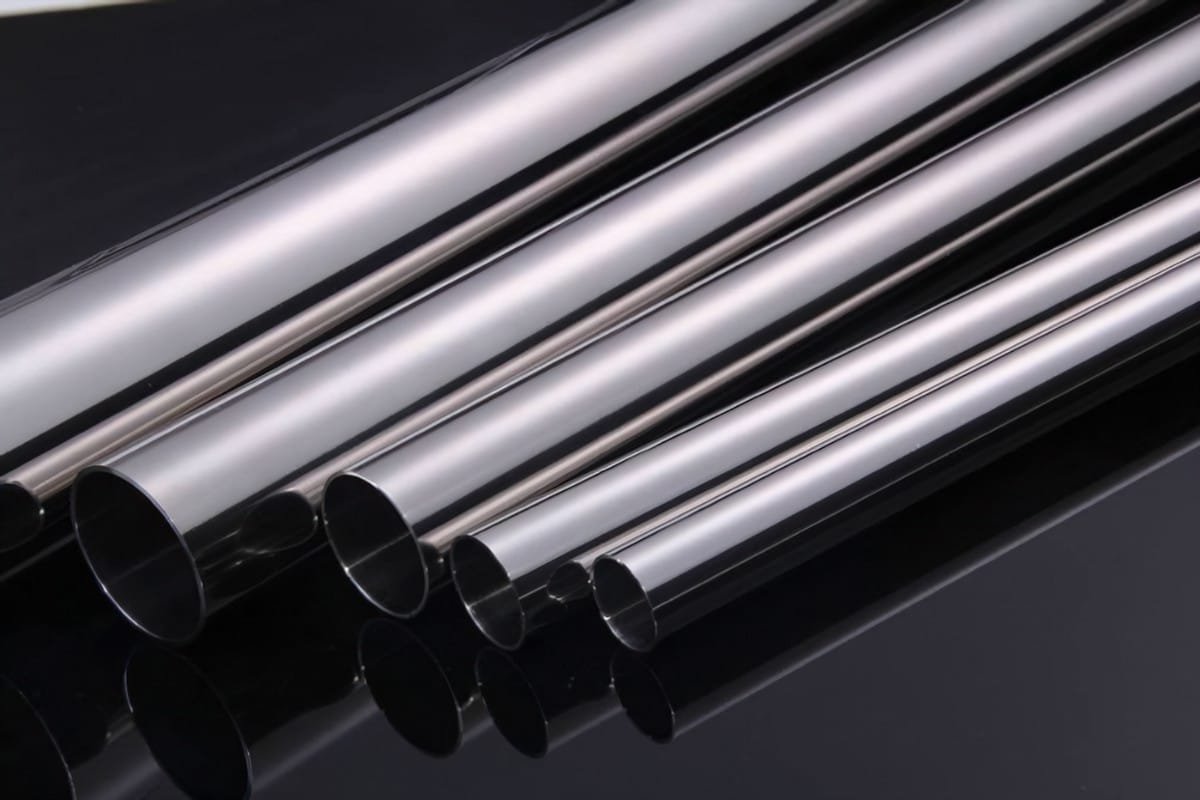
In the race to produce high-precision, high-reliability stainless steel seamless tubes for critical applications like heat exchangers, power plants, and offshore platforms, automation and quality control technologies are becoming true differentiators.

Modern tube manufacturers are no longer just metal processors—they are tech-enabled precision producers. At DLSS Pipeline, we’ve embraced this transformation to deliver consistent, export-ready stainless steel tubes that meet ASME, EN, and PED standards for global projects.

This article explores how automation, inline inspection, and data-driven quality control are revolutionizing stainless steel seamless tube production.


1. Why Manufacturing Needs More Than Just Steel

Customers today demand tubes that are:

  • Dimensionally precise
  • Surface-finished to specification (e.g., BA or AP)
  • Free from micro-cracks, thinning, or inclusions
  • Certified for international projects with full traceability

These quality standards cannot be consistently met without modernized equipment and inspection systems.


2. Key Automation Technologies in Tube Production

A. Cold Drawing Automation

  • Servo-controlled drawing benches ensure uniform elongation
  • Sensors monitor drawing force and deformation limits
  • Enables consistent mechanical properties throughout the batch

B. Bright Annealing Furnaces with Atmosphere Control

  • Uses hydrogen or nitrogen to avoid oxidation
  • Fully enclosed to deliver clean, shiny, mirror-like finishes
  • Programmable temperature and speed profiles minimize grain growth

C. Online Laser Measurement

  • Real-time OD and WT monitoring
  • +/-0.05 mm tolerance control or better
  • Alerts operators of deviations instantly

D. Automatic Cutting and Chamfering

  • Precision-cut tube ends, smooth edges, and burr-free finishes
  • Improves weldability and fit-up for heat exchanger assembly

3. NDT and Final Inspection Technologies

Eddy Current Testing (ECT)

  • 100% inline detection of surface cracks, voids, laminations
  • Essential for boiler, condenser, and offshore tube applications

Ultrasonic Testing (UT)

  • Evaluates wall thickness and detects internal defects
  • Required for thicker duplex and super duplex tubes

Visual + Endoscopic Inspection

  • Internal borescope checks for BA or polished tubes
  • Verifies weld integrity (if applicable) and surface cleanliness

Surface Roughness Test (Ra)

  • Ensures hygienic tubes meet Ra < 0.5 µm (for food/pharma)
  • DLSS offers polishing or electropolishing per request

4. Digital Traceability and Smart QC

  • Barcode and heat number tracking throughout production
  • EN 10204 3.1 / 3.2 certificates generated with matching test data
  • Support for third-party inspection (SGS, BV, TÜV, customer reps)

DLSS integrates digital batch logs, heat treatment records, and inspection snapshots into your documentation pack.


Frequently Asked Questions (FAQ)

Q1: Is all this automation really necessary for stainless steel tubes?
Yes—especially for export-grade tubing where tolerance, weldability, and appearance are critical.

Q2: Does DLSS offer test videos or digital inspection files?
Yes, we provide digital photos, NDT scan summaries, and even packing videos for customer review.

Q3: Can I request automatic sorting or bundling by length/diameter?
Absolutely. Our cutting and packaging lines support smart sorting for job-site-ready delivery.


Conclusion

In today’s global market, precision = trust. Stainless steel seamless tubes must not only meet dimensional standards, but also prove their performance through real-time inspection and verifiable quality control.

At DLSS Pipeline, we invest in automated production, certified NDT, and export documentation systems—so your project starts with tubes that are right the first time.

Wonderful! Share This Case:

Austenitic Stainless Steel

Duplex Stainless Steel

Nickel Alloys

▪ Incoloy Family

▪ Inconel Family

▪ Monel Family

▪ Hastelloy Family

▪ Other Special Alloys

Cobalt Alloys

Related Posts

The Role of Stainless Steel Tubes in Renewable Energy Systems – Solar, Wind, and Hydrogen

The Role of Stainless Steel

Meta Description:Discover how stainless steel tubes power the transition to renewable energy. Explore their critical applications in solar thermal systems, wind turbine cooling, and hydrogen infrastructure. Introduction As the global push for carbon neutrality intensifies, renewable energy systems are expanding at an unprecedented rate. From solar thermal plants to hydrogen pipelines, the infrastructure behind green […]

Read More
How Long Do Stainless Steel Seamless Pipes Last? Lifespan, Factors, and Best Practices

How to Choose the Right

Why Material Selection Matters for Heat Exchanger Tubes In heat exchanger applications, the wrong material can lead to premature corrosion, low thermal efficiency, or even costly shutdowns. Whether you’re designing for a refinery, a desalination plant, or a food-grade chiller, choosing the right stainless steel tube is a crucial step in ensuring durability, reliability, and […]

Read More
Sanitary Stainless Steel Tubes for Food and Beverage Applications in Latin America

Sanitary Stainless Steel Tubes for

Meta Description:Learn how stainless steel sanitary tubes support food and beverage production in Latin America. Discover suitable grades, surface finishes, and hygiene standards for long-term performance. Introduction The food and beverage industry in Latin America is growing rapidly, driven by both exports and domestic demand. From Brazil’s massive dairy processing sector to Colombia’s coffee production […]

Read More
Titanium GR2 Condenser Tubes for Seawater Desalination Plants

Titanium GR2 Condenser Tubes for

1. Introduction Seawater desalination projects are expanding rapidly across the Middle East, North Africa, and Asia, with a market size of over 25 billion USD. One of the most critical components in desalination plants is the condenser and heat exchanger tubing, where Titanium Grade 2 (GR2) tubes are the preferred material. With unmatched corrosion resistance […]

Read More
Titanium Tubes vs Stainless Steel Tubes: Which One is Right for Your Heat Exchanger?

Titanium Tubes vs Stainless Steel

Meta Description:Compare titanium tubes and stainless steel tubes in terms of corrosion resistance, mechanical strength, cost, and applications. Find out which is the better material for your heat exchanger or industrial system. Introduction In corrosive or high-performance environments—such as desalination, chemical processing, or marine applications—material selection is crucial. Two common choices for heat exchanger tubing […]

Read More
Finned Tube Heat Transfer Coefficient: Key Factors and Optimization Strategies

Finned Tube Heat Transfer Coefficient:

The heat transfer coefficient is one of the most important performance indicators of a finned tube. It determines how efficiently heat can be transferred between the tube-side and the air-side or shell-side medium. By understanding and optimizing the key factors that influence this coefficient, engineers can significantly improve overall heat exchanger efficiency. For an overview […]

Read More

15-Day Delivery of ASTM A182

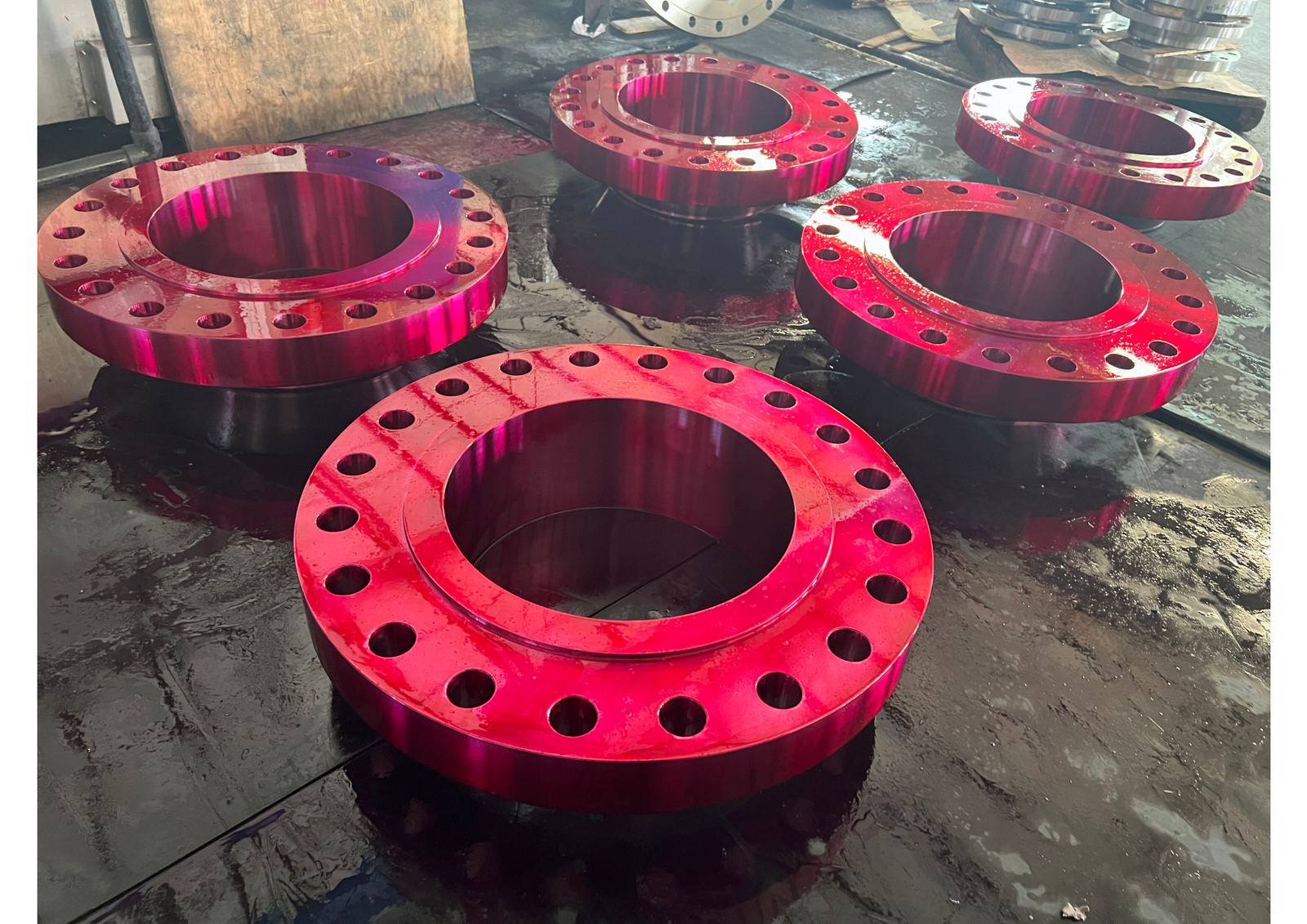
DLSS recently fulfilled an urgent order for a Dubai-based equipment manufacturer, delivering five 16″ STD CL600 Weld Neck Raised Face (WNRF) flanges made from ASTM A182 F53 (UNS S32750) super duplex stainless steel. Operating in a high-chloride, highly corrosive seawater environment, the client required ASME B16.5 compliance with an exceptionally fast 15-day lead time. Project […]

Read More
Choosing Between 304L, 316L, and 317L Stainless Steel Tubes – What’s Right for Your Application?

Choosing Between 304L, 316L, and

Meta Description:Compare 304L, 316L, and 317L stainless steel seamless tubes. Understand chemical composition, corrosion resistance, mechanical properties, and ideal applications with DLSS’s expert insights. Introduction When selecting stainless steel tubes for industrial use, choosing the right grade can significantly affect corrosion resistance, mechanical performance, and cost efficiency. Among the most widely used austenitic stainless steels […]

Read More

Request A Quote

*We respect your confidentiality and all information are protected.