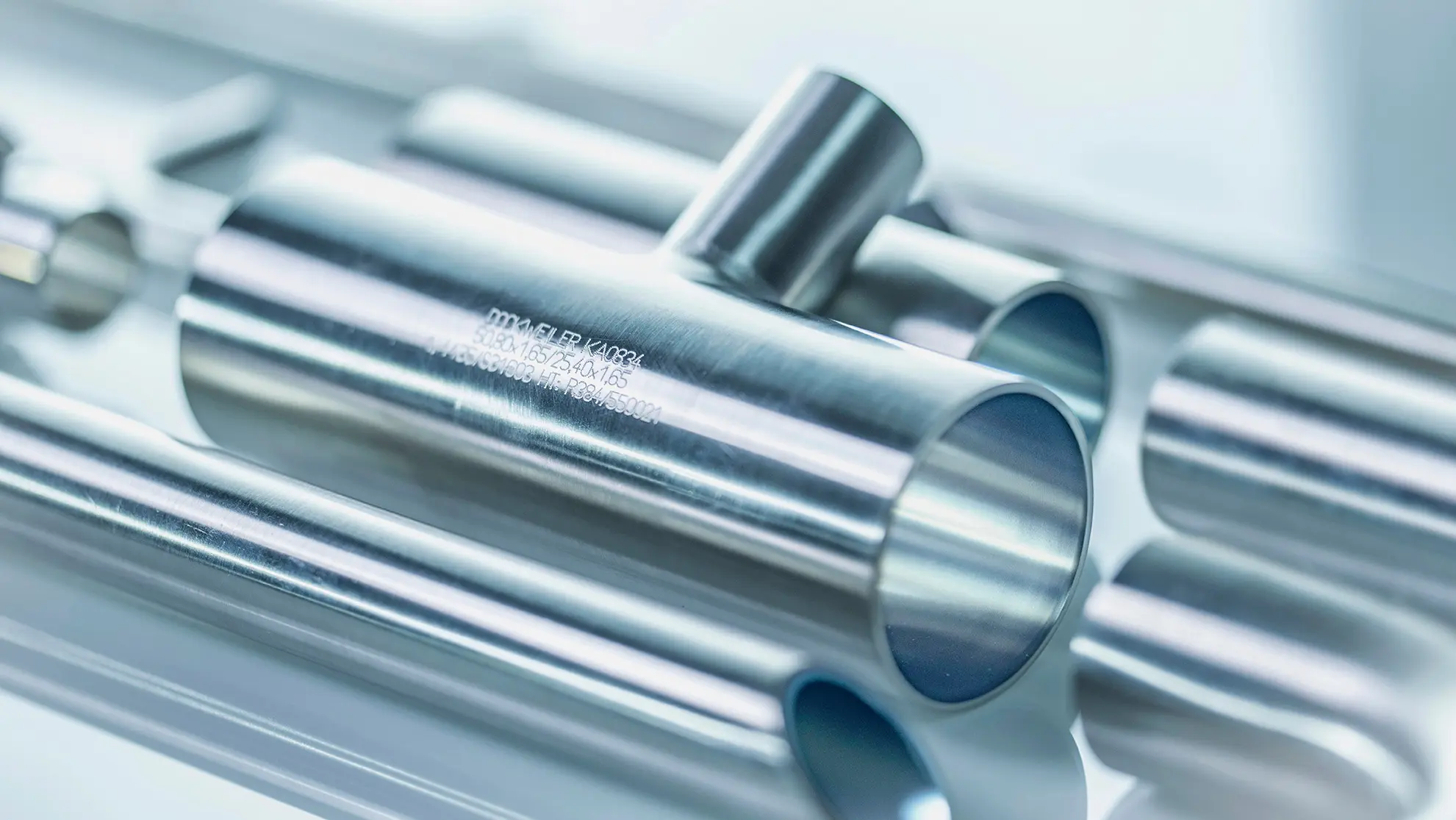
Titanium GR2 Condenser Tubes for Seawater Desalination Plants

DLSS - Pipe&Tube - Titanium GR2 Condenser Tubes for Seawater Desalination Plants

1. Introduction

Seawater desalination projects are expanding rapidly across the Middle East, North Africa, and Asia, with a market size of over 25 billion USD. One of the most critical components in desalination plants is the condenser and heat exchanger tubing, where Titanium Grade 2 (GR2) tubes are the preferred material. With unmatched corrosion resistance in chloride-rich environments, Titanium GR2 condenser tubes ensure long service life and reliability in desalination facilities.


2. Properties of Titanium Grade 2

  • Standard Reference: ASTM B338 / ASTM B861
  • Material Characteristics:
    • High corrosion resistance against seawater and brine.
    • Excellent formability and weldability.
    • High strength-to-weight ratio with low density (lightweight yet durable).
  • Corrosion Resistance:
    • Resistant to pitting, crevice corrosion, and stress corrosion cracking.
    • Superior performance compared to stainless steel and copper alloys in seawater systems.

Learn more on Titanium – Wikipedia.


3. Why Titanium GR2 is Used in Desalination Plants

Desalination plants operate under harsh conditions with constant exposure to seawater and high chloride content.
Key reasons for choosing Titanium GR2 tubes:

  • Long service life (20–30 years) with minimal maintenance.
  • Resistance to biofouling and scaling.
  • Reduced downtime and lower total lifecycle cost compared with stainless steel.
  • Proven performance in thousands of desalination units worldwide.

4. Applications in Desalination Systems

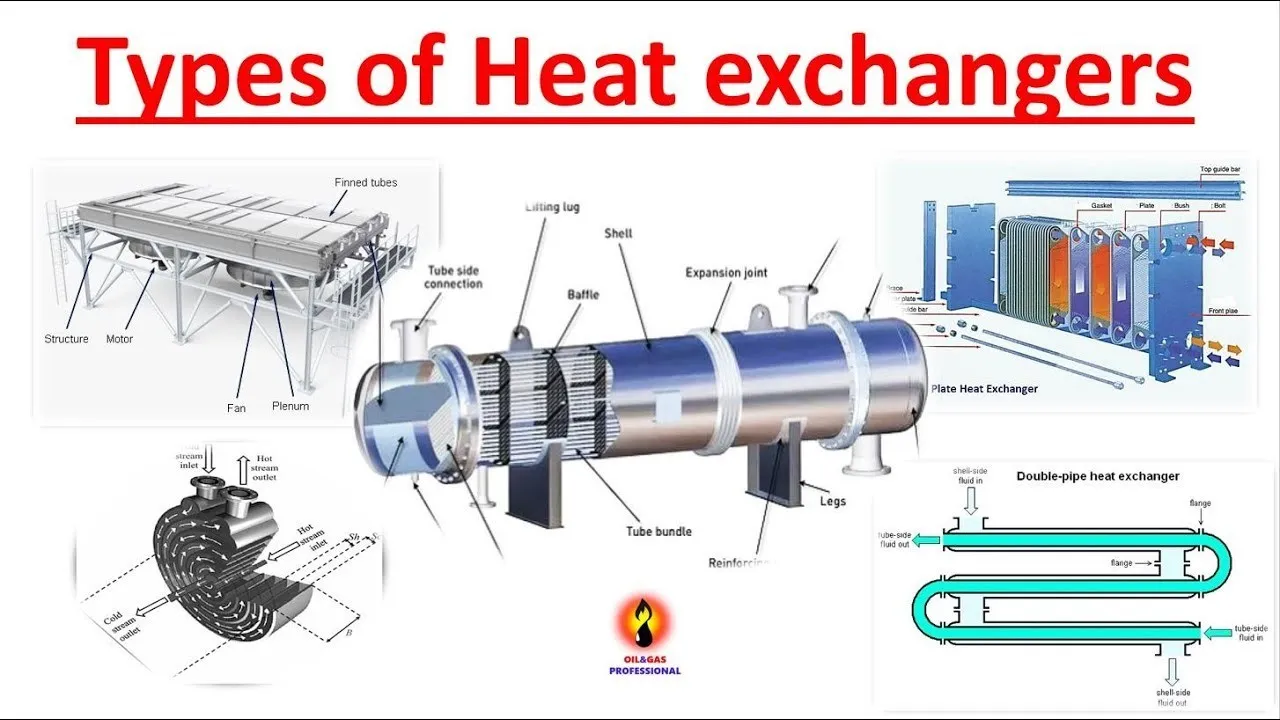
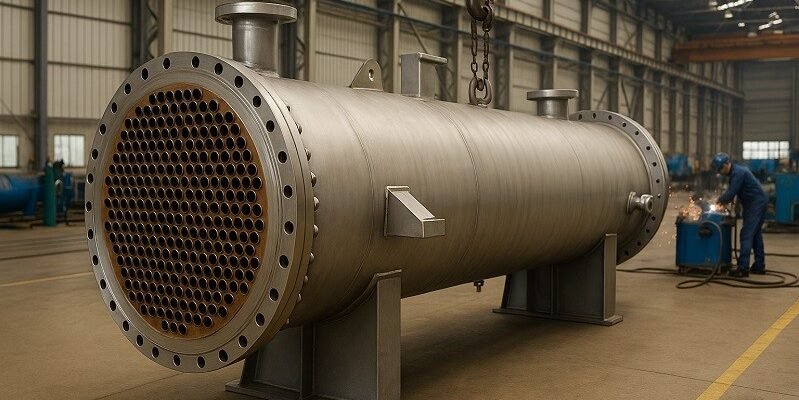
  • Condenser tubes in multi-stage flash (MSF) distillation units.
  • Heat exchanger tubes in multi-effect distillation (MED) plants.
  • Seawater cooling systems for reverse osmosis (RO) plants.
  • Brine heaters in high-temperature evaporation systems.

Reference: ASTM B338 Titanium Tubes Standard.


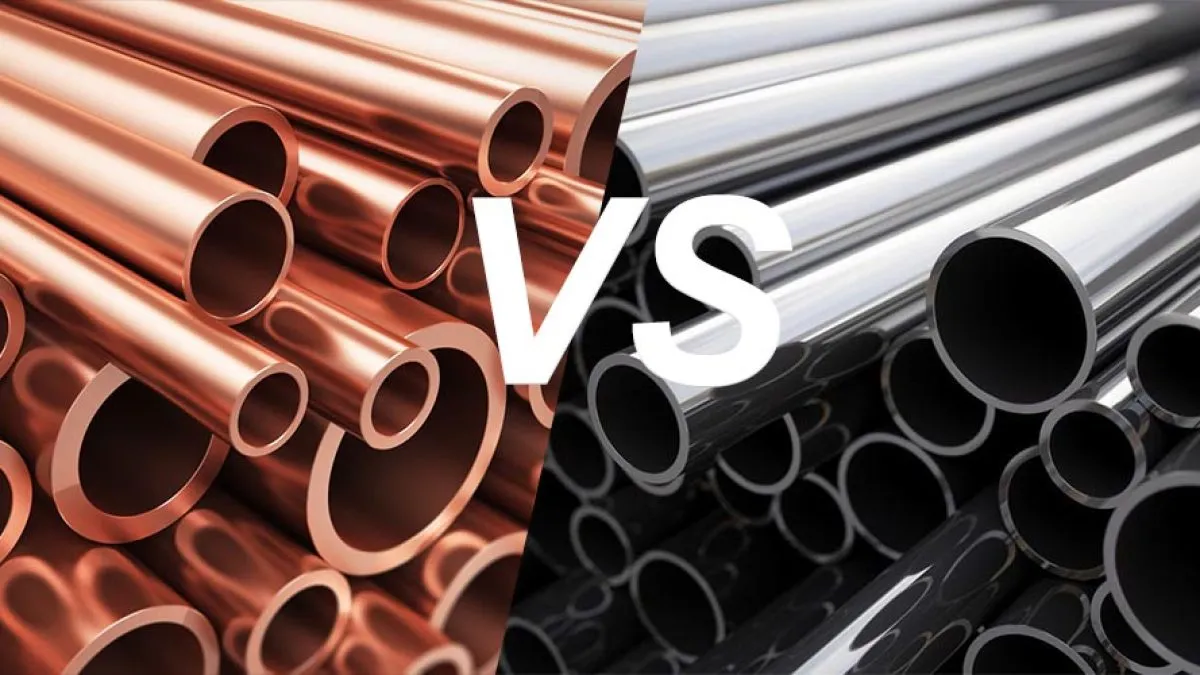
5. Titanium GR2 vs Other Materials

Property / FeatureTitanium GR2Stainless Steel (316L)Copper-Nickel (CuNi 90/10)
Corrosion Resistance in SeawaterExcellentModerate (risk of pitting)Good
Service Life20–30 years5–10 years10–15 years
Weight (Density)Very LightMediumHeavy
CostHigher upfrontLower upfrontModerate
Lifecycle CostLowestHigher (frequent replacement)Medium

6. DLSS Titanium Tube Supply Advantages

At DLSS, we provide Titanium GR2 condenser tubes that meet international standards for desalination projects:

  • Compliance with ASTM B338 / B861 and PED certification.
  • Third-party inspection (TÜV, DNV, LR, ABS) available.
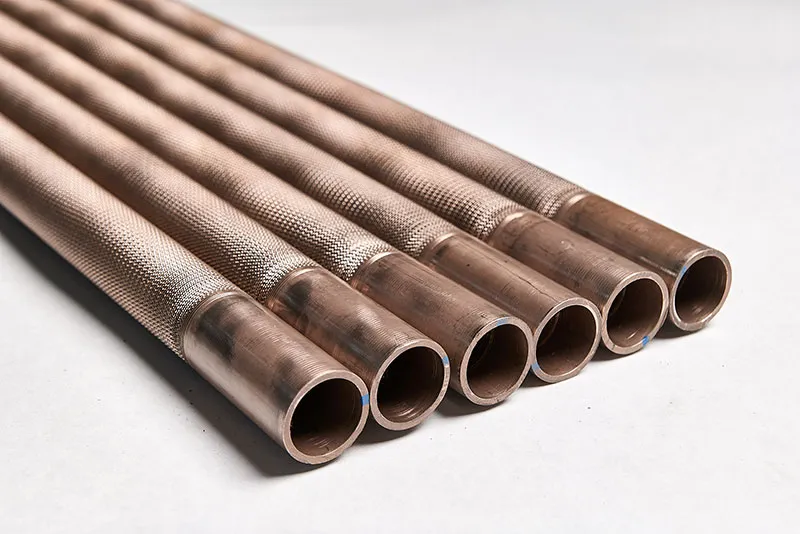
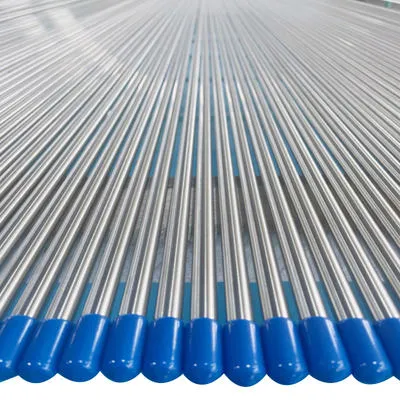
  • Supply in straight lengths, U-bent tubes, and custom dimensions.
  • Seaworthy export packaging: wooden crates, capped ends, anti-corrosion coating.
  • Proven experience supplying tubes for power plants, desalination projects, and heat exchanger manufacturers.

7. Conclusion & Call to Action

With the global demand for desalination growing, Titanium GR2 condenser tubes have become the industry standard for reliability, durability, and long-term cost savings. For EPC contractors, equipment manufacturers, and end-users, Titanium GR2 ensures that critical seawater systems run smoothly and without unexpected failures.

Contact DLSS today for technical support and quotations.
info@dlsspipe.com | www.dlsspipeline.com

Wonderful! Share This Case:

Austenitic Stainless Steel

Duplex Stainless Steel

Nickel Alloys

▪ Incoloy Family

▪ Inconel Family

▪ Monel Family

▪ Hastelloy Family

▪ Other Special Alloys

Cobalt Alloys

Related Posts

The Role of Heat Treatment in Stainless Steel Tube Manufacturing

The Role of Heat Treatment

Meta Description:Understand the critical role of heat treatment in the manufacturing of stainless steel tubes. Learn about solution annealing, stress relieving, grain size control, and how these affect tube performance and quality. Introduction Heat treatment is not just a step in the production of stainless steel tubes—it is a fundamental quality determinant that affects corrosion […]

Read More
steel demand Global Market Outlook for Stainless Steel Seamless Pipes (2025–2030)

Global Market Outlook for Stainless

Meta Description:Explore global market trends, key drivers, and regional opportunities shaping the future of stainless steel seamless pipe demand between 2025 and 2030. Introduction The stainless steel seamless pipe industry is entering a new growth phase driven by infrastructure investments, energy transition, and decarbonization.From oil & gas to clean energy, seamless pipes play a vital […]

Read More
Nickel Alloy Steel Seamless Pipes and Tubes: Industrial Advantages and Applications

Nickel Alloy Steel Seamless Pipes

Introduction Nickel alloy steel seamless pipes and tubes are essential materials in demanding industries where components must withstand extreme temperatures, corrosive chemicals, and high pressure. Their seamless structure combined with the superior characteristics of nickel-based alloys makes them the material of choice for chemical processing, petrochemical, marine, power generation, and LNG applications. Nickel-based alloys are […]

Read More
Extruded Finned Tubes: Corrosion Resistance and Marine Applications

Extruded Finned Tubes: Corrosion Resistance

In environments where moisture, saltwater, or harsh chemicals are present, corrosion resistance is one of the most critical factors in heat exchanger performance. Extruded finned tubes are specially designed to meet these challenges, making them the go-to choice for marine and offshore industries. If you want to understand the full range of finned tube options, […]

Read More
Meeting JIS G3459 Standards for Stainless Steel Seamless Pipes(JIS G3459規格に適合するステンレス無縫管)

Meeting JIS G3459 Standards for

1. Introduction JIS G3459 seamless pipe Japan is a widely recognized specification for stainless steel pipes used in chemical, food, marine, and high-temperature applications. For Japanese buyers, compliance with ステンレス無縫管 規格 (stainless seamless pipe standards) is not optional—it is the foundation of product acceptance. DLSS ensures every tube meets or exceeds the stringent requirements of […]

Read More
How Long Do Stainless Steel Seamless Pipes Last? Lifespan, Factors, and Best Practices

How to Choose the Right

Why Material Selection Matters for Heat Exchanger Tubes In heat exchanger applications, the wrong material can lead to premature corrosion, low thermal efficiency, or even costly shutdowns. Whether you’re designing for a refinery, a desalination plant, or a food-grade chiller, choosing the right stainless steel tube is a crucial step in ensuring durability, reliability, and […]

Read More
Why NACE MR0175 & ISO 15156 Matter When Sourcing Tubes for Sour Service

Why NACE MR0175 & ISO

Meta Description:Learn why compliance with NACE MR0175 / ISO 15156 is essential when selecting stainless steel or alloy tubes for sour gas environments. Understand testing, materials selection, and DLSS compliance offerings. Introduction In oil and gas applications—especially those involving sour service environments with hydrogen sulfide (H₂S)—selecting the wrong material can lead to catastrophic failure. To […]

Read More
Corrosion Protection in Underground Piping Systems: What You Need to Know

Corrosion Protection in Underground Piping

Meta Description:Underground pipelines are out of sight—but never out of risk. Learn how coatings, cathodic protection, and smart material choices prevent corrosion and extend service life. Introduction Underground pipes may be hidden, but the damage they suffer is very real. Whether transporting water, gas, or chemicals, buried pipelines face harsh, invisible threats—especially corrosion from soil […]

Read More

Request A Quote

*We respect your confidentiality and all information are protected.