The Role of Stainless Steel Tubes in Renewable Energy Systems – Solar, Wind, and Hydrogen

DLSS - Tubes For Heat Exchanger - The Role of Stainless Steel Tubes in Renewable Energy Systems – Solar, Wind, and Hydrogen

Meta Description:
Discover how stainless steel tubes power the transition to renewable energy. Explore their critical applications in solar thermal systems, wind turbine cooling, and hydrogen infrastructure.


Introduction

As the global push for carbon neutrality intensifies, renewable energy systems are expanding at an unprecedented rate. From solar thermal plants to hydrogen pipelines, the infrastructure behind green energy demands materials that offer durability, corrosion resistance, and long life cycles under harsh environments.

DLSS provides high-grade stainless steel tubes that support mission-critical operations in solar, wind, and hydrogen power—where failure is not an option.

The Role of Stainless Steel Tubes in Renewable Energy Systems – Solar, Wind, and Hydrogen

1. Why Stainless Steel Is Essential in Green Energy

RequirementStainless Steel Advantage
High temperature resistanceIdeal for solar thermal & electrolyzers
Corrosion resistanceHandles marine air, aggressive chemicals
Pressure toleranceUsed in hydrogen transport, heat exchangers
Long service lifeSupports infrastructure with >20-year lifespan
Sustainability100% recyclable and low lifecycle emissions

Reference: World Stainless Association – Stainless for Sustainable Energy


2. Applications in Solar Energy

a) Solar Thermal Power Plants (CSP)

Stainless steel tubes are used in:

  • Heat transfer fluid loops (HTF)
  • Steam generator coils
  • Thermal storage heat exchangers

Recommended Grades:

  • TP316L, TP321H for high-temp resistance
  • Incoloy 800H (UNS N08810) for molten salt systems

Related: IEA – Solar Thermal Technology Roadmap


b) Solar Water Heating Systems

In residential/commercial setups, tubes must:

  • Resist internal scaling and corrosion
  • Support high pressures and outdoor exposure

Typical Material:

  • TP304/316 with Bright Annealed or polished finish
The Role of Stainless Steel Tubes in Renewable Energy Systems – Solar, Wind, and Hydrogen

3. Applications in Wind Energy

a) Cooling Systems in Wind Turbines

Modern wind turbines use active cooling for:

  • Gearboxes
  • Generators
  • Power converters

Stainless steel tubes are used for:

  • Heat exchanger coils
  • Coolant loops
  • Condensate drains

Challenges Faced:

  • Vibration fatigue
  • Salt spray (offshore turbines)
  • Low ambient temperatures

Best Materials:

  • TP316Ti, TP444, Duplex 2205
The Role of Stainless Steel Tubes in Renewable Energy Systems – Solar, Wind, and Hydrogen

4. Applications in Hydrogen Systems

a) Hydrogen Production (Electrolyzers)

Stainless steel tubes must resist:

  • Highly pure water
  • Oxygen and hydrogen gases
  • Electrolytic chemicals

Preferred Materials:

  • 1.4404 / TP316L for PEM electrolyzers
  • Alloy 825 or 254SMO for alkaline/acidic environments

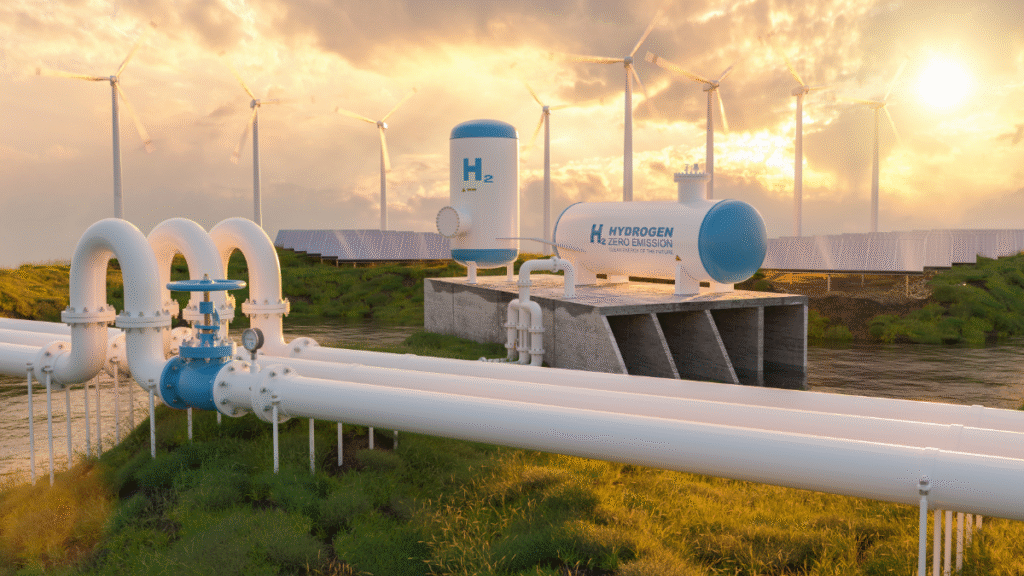
b) Hydrogen Storage & Distribution

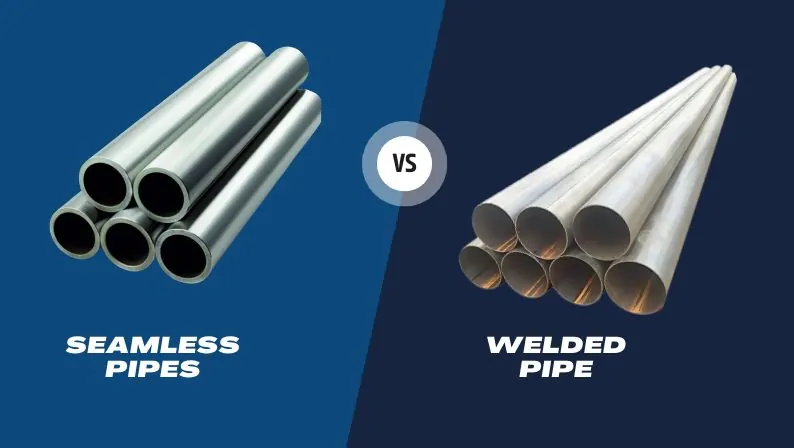
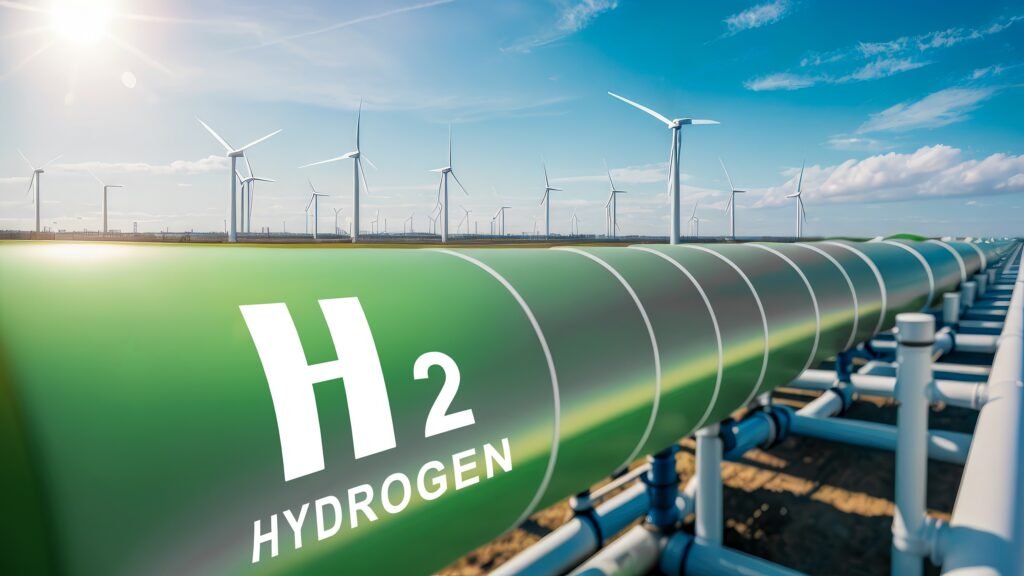
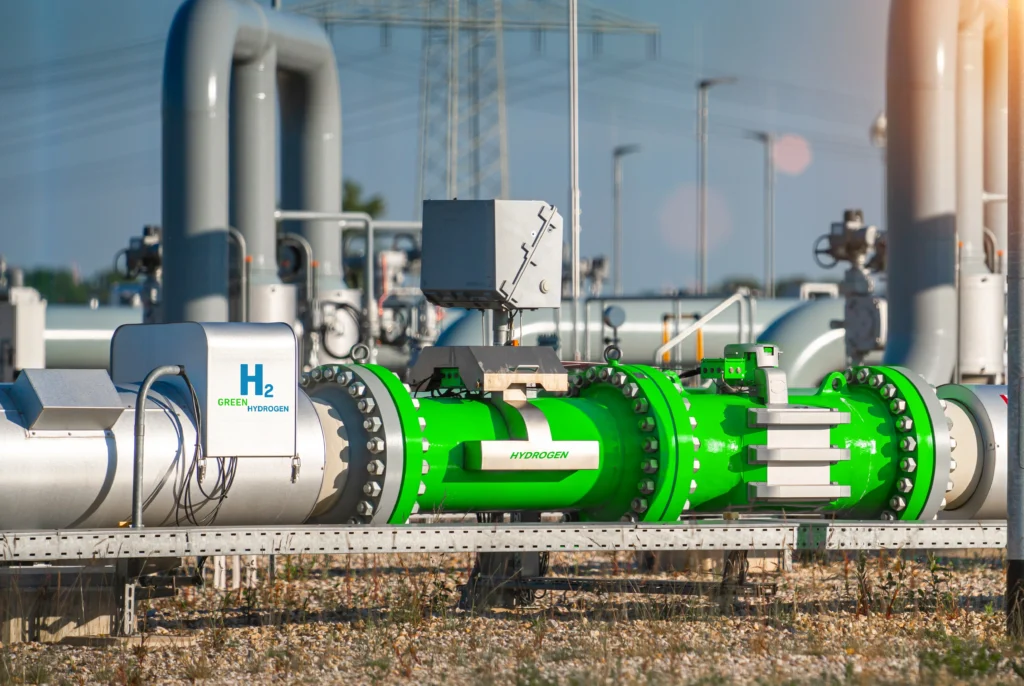
Stainless steel seamless tubes are used for:

  • High-pressure hydrogen transport (up to 700 bar)
  • Compressor units
  • Fueling station pipework

Standard Compliance:

  • ISO 11114-1: Hydrogen compatibility
  • EN 10216-5 TC2: Pressure tubes
  • ASME B31.12: Hydrogen piping systems

Read more: Hydrogen Europe – Infrastructure Needs


5. DLSS’s Technical Advantages in Green Energy Projects

FeatureDLSS Solution
High-temperature gradesTP321H, Incoloy 800H, 347H
Corrosion resistanceDuplex 2205, 2507, 254SMO
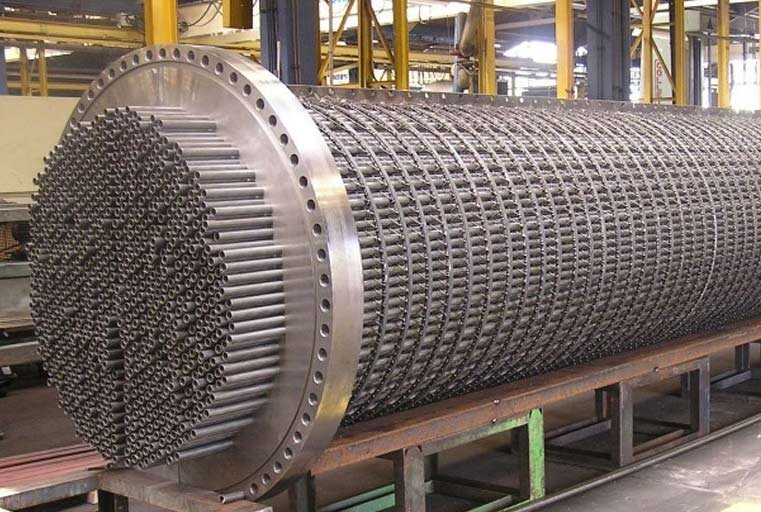
Precision formingU-bent tubes for compact exchangers
CertificationsEN 10204 3.1/3.2, NACE MR0175, PED, AD2000
Testing & QAET, PMI, grain size, hydrotest, hydrogen embrittlement tests

Case Study: Hydrogen Pilot Plant in the Middle East

Scope: 2,000 meters of TP316L + Alloy 825 seamless tubing
Application: Electrolyzer + compression system
Pressure Rating: 300 bar, ISO 11114 compliant
Features: BA finish, hydrotested, helium leak-tested
Outcome: Operational stability confirmed after 12-month commissioning
The Role of Stainless Steel Tubes in Renewable Energy Systems – Solar, Wind, and Hydrogen

FAQs: Stainless Steel Tubes in Renewable Energy

Q1: Can standard stainless steel handle hydrogen exposure?
A: Yes, certain grades like 316L and Duplex can be used at low-to-medium pressure. For high pressure, hydrogen-compatible materials tested to ISO 11114 are required.

Q2: Which grade is best for solar thermal systems?
A: TP321H and Incoloy 800H are recommended due to their high-temperature creep resistance.

Q3: Are stainless tubes suitable for offshore wind turbines?
A: Absolutely. DLSS recommends Duplex 2205 or 2507 for superior resistance to salt spray and fatigue.

Q4: Does DLSS support custom tube forming for exchangers?
A: Yes. We supply U-bend, coil, and serpentine formats with post-forming annealing and inspection.


Conclusion

As the energy sector transforms, stainless steel tubing will be at the heart of clean energy systems. Whether in solar, wind, or hydrogen, DLSS delivers high-performance, sustainable tubing solutions that meet today’s toughest engineering challenges.


Contact DLSS
Email: info@dlsspipe.com
Website: www.dlsspipeline.com

Planning a renewable energy project? Contact DLSS to discuss material options, technical datasheets, or hydrogen-compliant tube systems.

Wonderful! Share This Case:

Austenitic Stainless Steel

Duplex Stainless Steel

Nickel Alloys

▪ Incoloy Family

▪ Inconel Family

▪ Monel Family

▪ Hastelloy Family

▪ Other Special Alloys

Cobalt Alloys

Related Posts

Why Stainless Steel Seamless Tubes Are the Backbone of South America’s Energy Industry

Why Stainless Steel Seamless Tubes

Meta Description:Explore how stainless steel seamless tubes support South America’s oil, gas, and petrochemical infrastructure. Learn about key materials, standards, and corrosion-resistant solutions for high-performance applications. Introduction South America is rich in natural resources—but also in engineering challenges. With vast offshore oil fields, mountainous LNG projects, and acidic mining processes, the region demands durable, corrosion-resistant […]

Read More
Understanding Pickling and Passivation in Stainless Steel Tube Production

Understanding Pickling and Passivation in

Meta Description:Learn how pickling and passivation improve corrosion resistance in stainless steel tubes. Explore DLSS’s cleaning methods, ASTM standards, and industry-specific applications. Introduction Even the highest-grade stainless steel can suffer from surface contamination during tube forming, welding, or heat treatment. To restore the full corrosion resistance of stainless steel tubes, manufacturers must apply pickling and […]

Read More
Stainless Steel Instrumentation Tubing for Japan’s Oil & Gas Projects – 日本石油・ガス産業向けステンレス計装チューブ

Stainless Steel Instrumentation Tubing for

Introduction The oil and gas industry in Japan demands high-precision stainless steel instrumentation tubing for safe and efficient operation of control systems. DLSS supplies JIS G3446-compliant tubes with excellent corrosion resistance, precision dimensional tolerances, and long service life in harsh offshore and onshore environments. 1. Why Stainless Instrumentation Tubes for Oil & Gas(石油・ガスにステンレス計装チューブが必要な理由) 2. Standards […]

Read More
ASTM vs JIS Standards: Choosing the Right Stainless Tube for Japan(ASTM規格とJIS規格の比較:日本市場向けステンレスチューブの選び方)

ASTM vs JIS Standards: Choosing

1. Introduction In the Japanese stainless steel tube market, buyers often compare ASTM (American Society for Testing and Materials) and JIS (Japanese Industrial Standards) specifications. Both systems have rigorous requirements, but understanding their differences is key to choosing the right stainless steel seamless tube Japan for specific applications such as 熱交換器 (heat exchangers) and 産業配管 […]

Read More

ASME, EN, and JIS Standards

In global heat exchanger projects, engineers and procurement teams often face a critical question: Which material standard should we follow—ASME, EN, or JIS? Each of these standards governs stainless steel tube production but comes from different regions and technical philosophies. Understanding their differences helps avoid miscommunication, ensure regulatory compliance, and make smart sourcing decisions. In […]

Read More
Aluminum Brass C68700 (O61) ASTM B111 Seamless Tube 19 × 1.6mm × 3000mm with 100% Eddy Current Testing for Condenser Applications.

Aluminum Brass C68700 (O61) ASTM

Product Overview: ASTM B111 C68700 Aluminum Brass Seamless Tube (19×1.6mm, 3000mm) C68700 Aluminum Brass, also known as Al-Brass, is a copper-zinc alloy enhanced with a small amount of aluminum. It is widely recognized for its exceptional resistance to dezincification, corrosion, and biofouling, especially in seawater and brackish water environments. This makes it one of the most trusted […]

Read More
Integrated Stainless Steel Piping Solutions for Industrial Projects

Integrated Stainless Steel Piping Solutions

Meta Description:For EPC contractors and system integrators, DLSS offers a one-stop stainless steel piping package: pipes, flanges, fittings, inspection, and global delivery. Introduction In large-scale industrial projects—such as oil refineries, power plants, food processing lines, and chemical facilities—procurement teams often face a key challenge: how to consolidate material supply while ensuring technical compliance and on-time […]

Read More
Green Energy and ESG: How Sustainability Is Reshaping the Stainless Steel Seamless Tube Market

Green Energy and ESG: How

The stainless steel seamless tube industry is undergoing a quiet but profound transformation—not just driven by technical demands, but by Environmental, Social, and Governance (ESG) goals and the global energy transition. As governments, investors, and end-users demand cleaner, longer-lasting, and traceable materials, tube manufacturers are under growing pressure to reduce carbon footprint, improve transparency, and […]

Read More

Request A Quote

*We respect your confidentiality and all information are protected.