Why High-Performance Grades Like 904L, 2205, and 2507 Are Gaining Ground in the Stainless Steel Seamless Tube Market

DLSS - Pipe&Tube - Why High-Performance Grades Like 904L, 2205, and 2507 Are Gaining Ground in the Stainless Steel Seamless Tube Market

As industrial applications become more extreme—whether due to high chloride content, elevated temperatures, or corrosive media—the demand for high-alloy stainless steel seamless tubes is rising sharply. Materials such as 904L, 2205 duplex, and 2507 super duplex are seeing significant adoption across oil & gas, chemical processing, desalination, and offshore energy sectors.

According to recent reports, these premium-grade materials are among the fastest-growing segments in the global stainless steel seamless tube market, as end-users shift from standard austenitic grades like TP304 and TP316L.

In this blog, we explore the market drivers, technical benefits, and application opportunities that are positioning high-performance stainless tube grades as strategic materials for the future.


1. Why Standard Austenitic Grades Are No Longer Enough

While TP304 and TP316L remain popular, they are often insufficient in high-chloride, acidic, or high-pressure environments. Failures caused by:

  • Pitting and crevice corrosion
  • Stress corrosion cracking (SCC)
  • Weld decay or intergranular attack
  • Fatigue under cyclic pressure/temperature

…are driving engineers toward more robust material alternatives.


2. High-Performance Grades in Focus

A. 904L (UNS N08904)

  • Highly alloyed austenitic stainless steel
  • Excellent resistance to sulfuric acid and chloride pitting
  • Good weldability and formability
  • Used in: acid plants, heat exchangers, condensers

B. 2205 Duplex (UNS S32205)

  • Ferritic-austenitic structure = high strength + corrosion resistance
  • Superior SCC and erosion resistance
  • Lower nickel content = cost-effective
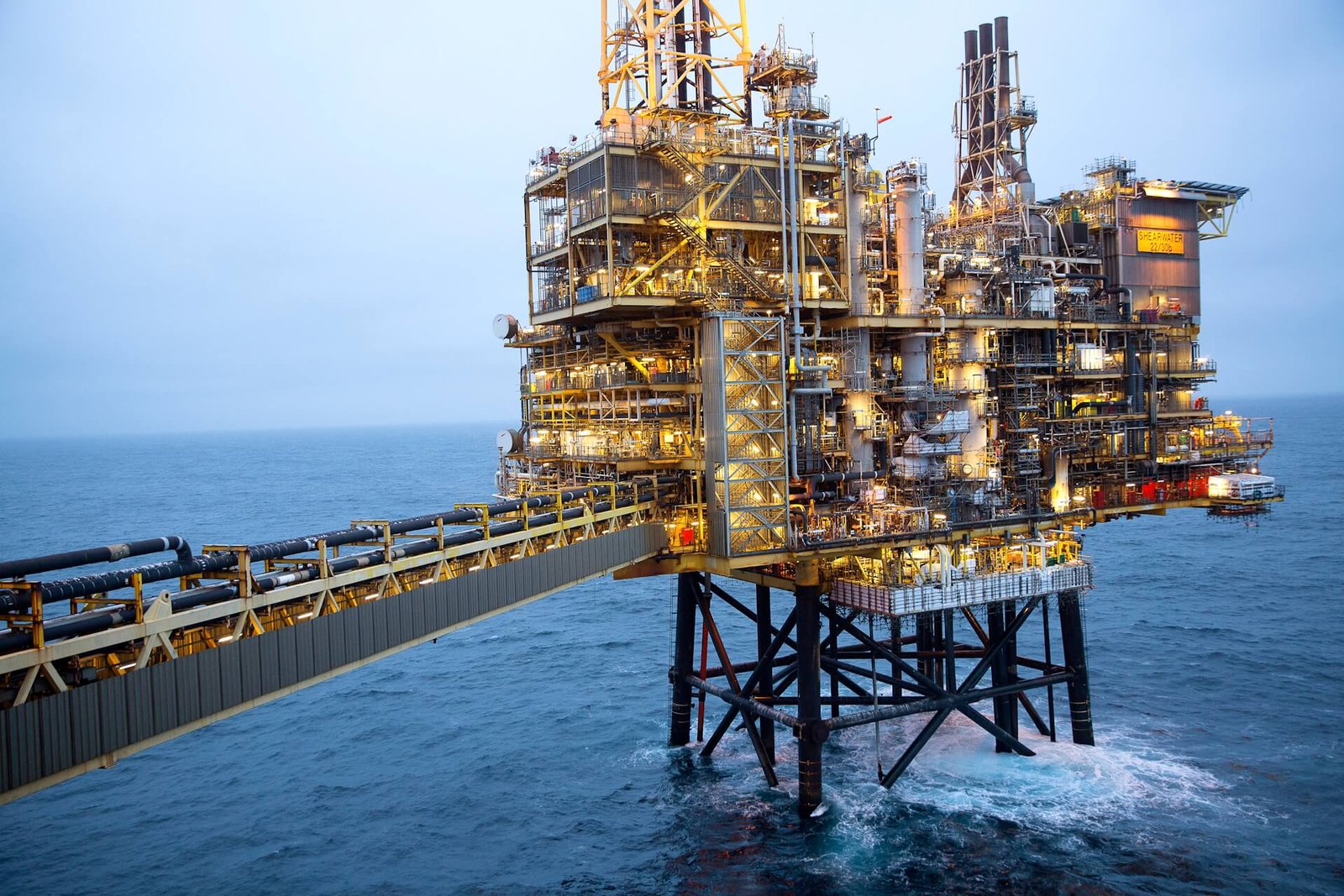
  • Used in: offshore platforms, chemical plants, power generation

C. 2507 Super Duplex (UNS S32750)

  • Very high PREN (>42) for severe chloride environments
  • High mechanical strength = thinner wall possible
  • Requires careful welding procedures
  • Used in: seawater desalination, FPSOs, marine cooling

DLSS supplies 904L, 2205, and S32750 seamless tubes with full documentation and MTC. See: www.dlsspipeline.com


3. Market Sectors Demanding High-Alloy Tubes

SectorKey Use CasesTube Grades Commonly Used
Oil & Gas (onshore)Sour gas, refinery condensers2205, 904L
Oil & Gas (offshore)Cooling, injection lines, subsea exchangers2507, 2205
Chemical ProcessingAcid recovery, heat transfer904L, 317L
DesalinationEvaporators, condensing tubes2507, Titanium
Power PlantsFeedwater heaters, high-pressure preheaters2205, 2507

4. Market Trend: Duplex and Super Duplex Growing Faster than Austenitic

  • Duplex tubes are growing at >7% CAGR globally
  • 904L adoption rising in retrofitting and European projects
  • OEMs and EPCs are specifying duplex grades for longer service life and reduced wall thickness

DLSS provides duplex and super duplex seamless tubes in compliance with ASME SA789, EN 10216-5, and PED requirements.


Frequently Asked Questions (FAQ)

Q1: Is 2205 a direct replacement for TP316L?
Not always. It offers superior performance, but welding, handling, and certification must be considered.

Q2: How does 904L compare to 316L in acidic service?
904L has better resistance to sulfuric, phosphoric, and acetic acids. It’s a better choice in chemical heat exchangers.

Q3: Does DLSS offer small batch production of special grades?
Yes. We support both bulk orders and project-specific quantities for 904L, 2205, and S32750 with short lead times.


Conclusion

As global industries face tougher chemical, thermal, and mechanical demands, high-alloy stainless steel seamless tubes are becoming essential for reliability and safety. Choosing the right grade can significantly reduce lifecycle cost, maintenance frequency, and system downtime.

DLSS Pipeline delivers certified 904L, duplex 2205, and super duplex 2507 tubes to global clients with full material traceability and performance guarantees.

Wonderful! Share This Case:

Austenitic Stainless Steel

Duplex Stainless Steel

Nickel Alloys

▪ Incoloy Family

▪ Inconel Family

▪ Monel Family

▪ Hastelloy Family

▪ Other Special Alloys

Cobalt Alloys

Related Posts

Why Duplex Stainless Steel Tubes Are Ideal for South America's Offshore Oil & Gas Projects

Why Duplex Stainless

Introduction From Brazil’s pre-salt fields to Colombia’s coastal gas terminals, offshore exploration in South America is pushing engineering materials to the limit. The tubes used in these operations must endure salt spray, H₂S gas, high pressure, and cyclic loads. This is where duplex stainless steel tubes outperform traditional stainless steel...

Read More
middle-east-decarbonization-energy-equipment-procurement

How the Middle

The Middle East, historically known for its oil wealth, is now positioning itself as a leader in clean energy innovation. National strategies like Saudi Vision 2030 and the UAE Net Zero by 2050 roadmap are driving massive investments in hydrogen, solar, desalination, and carbon capture projects. As a result, the...

Read More
ASTM Standards for Nickel and Titanium Pipes: A Complete Guide

ASTM Standards for

1. Introduction When sourcing nickel alloy and titanium pipes for chemical plants, desalination projects, or power plants, compliance with ASTM standards is a key requirement. ASTM (American Society for Testing and Materials) specifications define the chemical composition, mechanical properties, testing, and delivery conditions for these critical materials. This article provides...

Read More
Stainless steel seamless bright tube

5 Key Factors

Introduction Choosing the right stainless steel heat exchanger tube is critical to ensuring long-term performance, safety, and efficiency—especially in industries like petrochemical, power generation, and marine engineering. At DLSS, we’ve supported projects in over 35 countries and understand what matters most when it comes to tube selection. In this article,...

Read More

5 U-Bending Standards

Introduction U-bent stainless steel tubes are essential in shell-and-tube heat exchangers, widely used in power generation, petrochemical processing, desalination, HVAC, and marine applications. These tubes are designed to efficiently redirect fluid flow while withstanding extreme thermal and mechanical stress. At DLSS, we specialize in producing high-quality U-tubes with tight tolerances and...

Read More
How to Interpret a Stainless Steel Mill Test Certificate (MTC)

How to Interpret

Introduction A Mill Test Certificate (MTC), also known as a Material Test Report (MTR), is a quality assurance document provided by the manufacturer. It ensures the delivered stainless steel material—such as tubes, pipes, plates, or fittings—complies with the specified standards and purchase order. Understanding how to read an MTC is...

Read More

Plate Heat Exchanger

1. Introduction – Plate vs Shell and Tube Heat Exchanger When selecting a heat exchanger for your application, one of the most common decisions is between a plate heat exchanger (PHE) and a shell and tube heat exchanger (STHE). Both designs have unique advantages and limitations. This guide compares the...

Read More
How to Prevent Common Failures in Stainless Steel Tubes: 5 Case-Based Insights

How to Prevent

Introduction Even the best-grade stainless steel tubes can fail—if not properly selected, processed, or installed. From pitting corrosion in chloride-rich environments to stress corrosion cracking (SCC) in heat exchangers, these failures often lead to costly downtime, replacements, or even plant shutdowns. This article highlights 5 major failure types observed in...

Read More

Request A Quote

*We respect your confidentiality and all information are protected.