
Tube Heat Treatment & Solution Annealing
Material-specific heat treatment for heat exchanger and condenser tube projects.
DLSS supports tube heat-treatment requirements from specification review and process planning through inspection, records and final delivery.
The treatment route is reviewed against the material grade, product standard, tube dimensions, forming history and required delivery condition.

Heat Treatment Requirements by Project
The required treatment depends on the material and finished-product specification. Annealing, solution annealing and stress relief are not interchangeable terms.
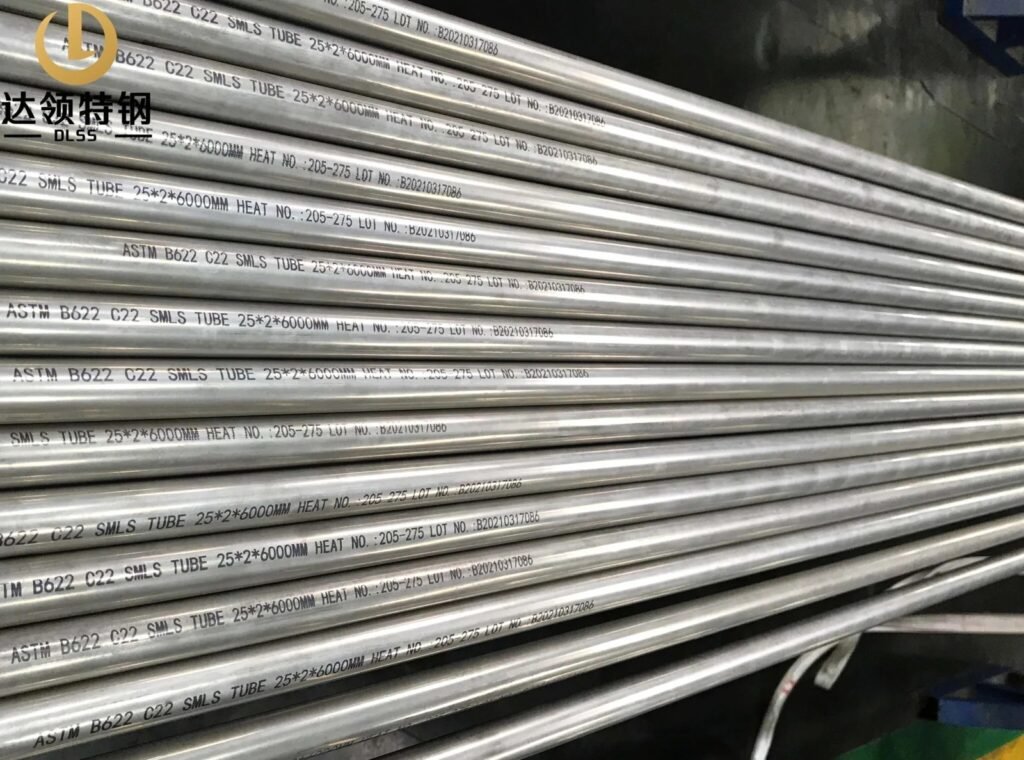
Solution Annealing
Solution-annealing requirements are reviewed for applicable stainless steel, duplex and special-alloy projects. The specified heating conditions and subsequent cooling method are considered together—not as separate requirements.
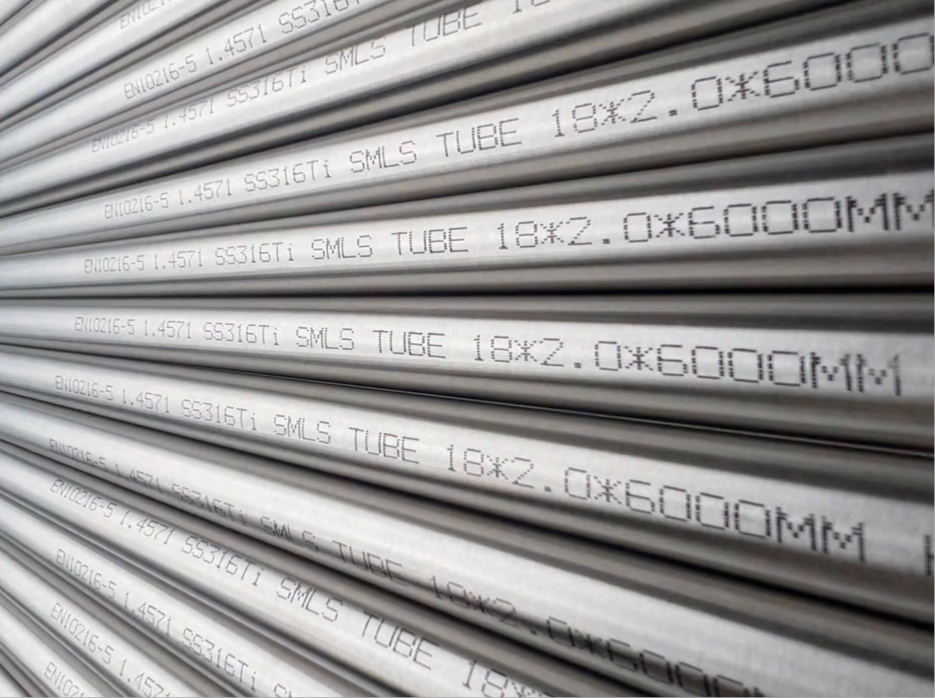
Grade-Specific Heat Treatment
For other material grades, the required thermal treatment and delivery condition are confirmed from the governing product specification. Carbon steel, alloy steel, nickel alloy, titanium and copper-alloy requirements are assessed individually.
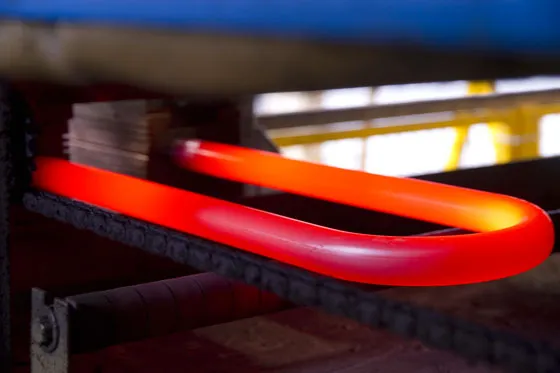
Post-Forming Heat Treatment
Additional treatment after U-bending or other forming is reviewed according to the material, degree of deformation, service conditions and applicable requirements. It is not automatically required—or automatically unnecessary—for every formed tube. Alleima
The required material condition must be confirmed before selecting a heat-treatment cycle. Generic stress relief must not be substituted for a specified solution treatment.
Key Heat Treatment Controls
Process requirements are established before treatment and linked to the relevant material and production records.
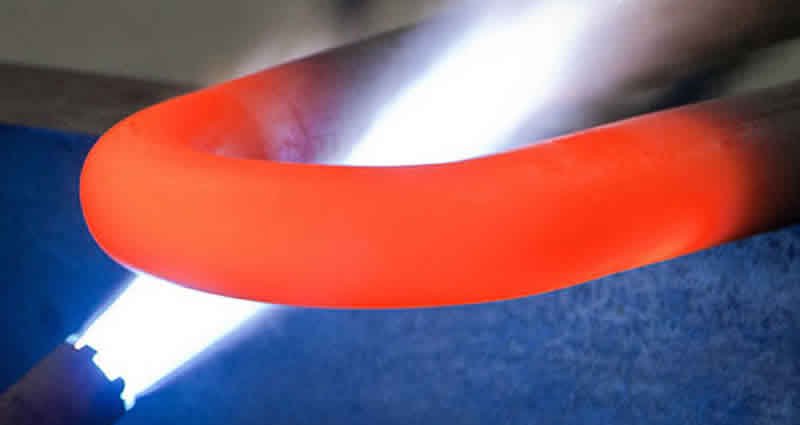
Material & Starting Condition
Grade · Product Standard · Previous Processing Confirm the material identity, existing condition and required finished condition.
Temperature & Exposure
Heating Range · Time at Temperature · Monitoring Define the required temperature limits, exposure conditions and monitoring arrangements.
Treatment Scope & Loading
Full Length / Specified Area · Loading · Support Review the treated area, loading arrangement and support requirements for the tube geometry.
Cooling Requirements
Cooling Method · Transfer Conditions · Required Records Confirm the cooling requirements as part of the treatment procedure.
Atmosphere & Surface Condition
Atmosphere · Cleanliness · Subsequent Cleaning Review atmosphere and surface-protection requirements, together with any required post-treatment cleaning.
Identification & Traceability
Heat Number · Treatment Batch · Record Reference Maintain the link between the tubes, treatment records and final inspection documents.
The complete heating and cooling sequence matters. A recorded peak temperature alone does not establish that the finished material meets all requirements.
Treatment Planning for Straight & U-Bend Tubes
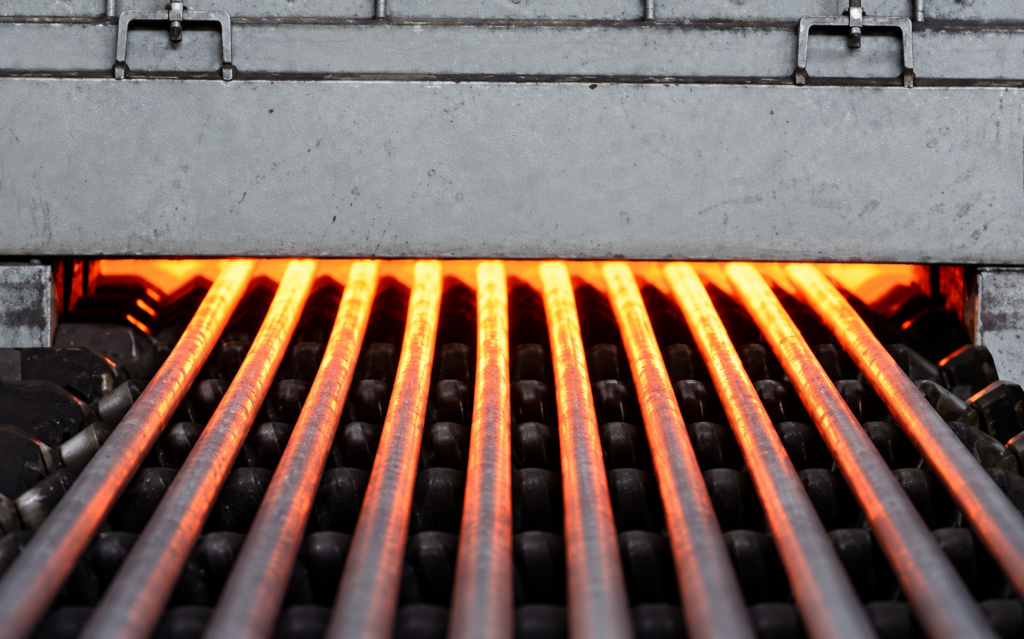
Straight & Long Length Tubes
Treatment planning considers the required tube length, equipment suitability, support arrangement, cooling method and subsequent dimensional inspection.
Review Points
Tube Length | Loading | Support | Cooling | Straightness
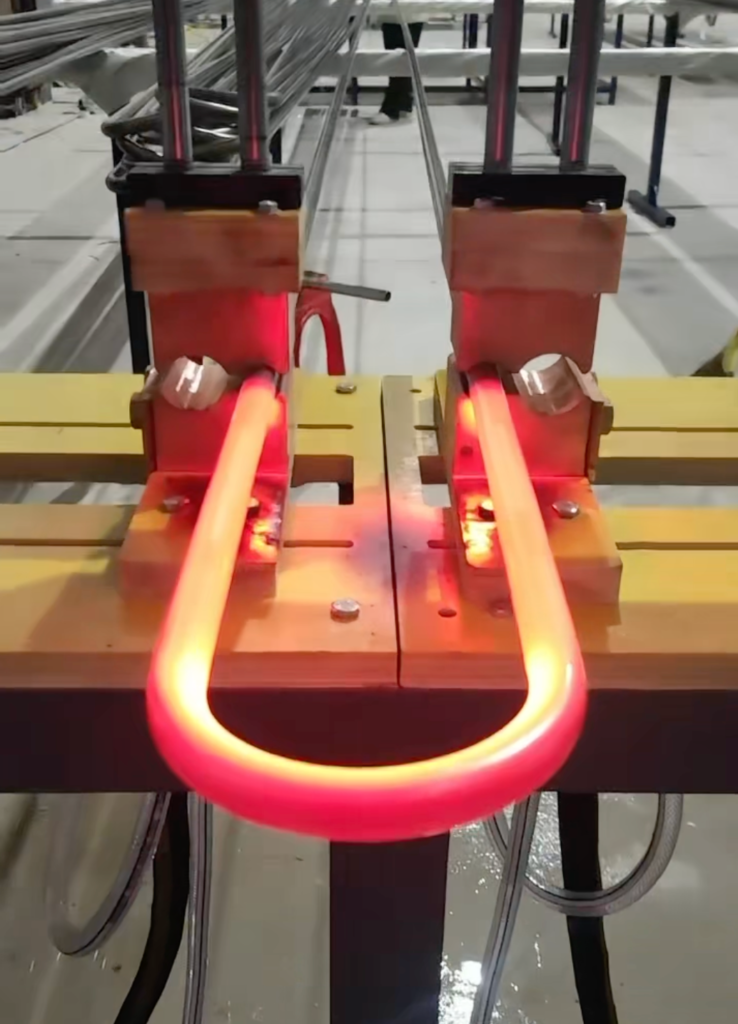
U-Bend & Formed Tubes
Post-bend requirements are reviewed against the tube material, bend radius, deformation and finished-tube specification.
Full-tube or localized treatment is considered only where permitted by the governing requirements and confirmed manufacturing arrangement.
Review Points
Bend Geometry | Treated Area | Cooling | Final Dimensions
The treatment scope must be agreed before processing. A localized treatment must not be assumed to satisfy a full-length heat-treatment requirement.
Post-Treatment Verification & Records
Required inspections are defined according to the product standard, material grade, treatment route and purchase specification.
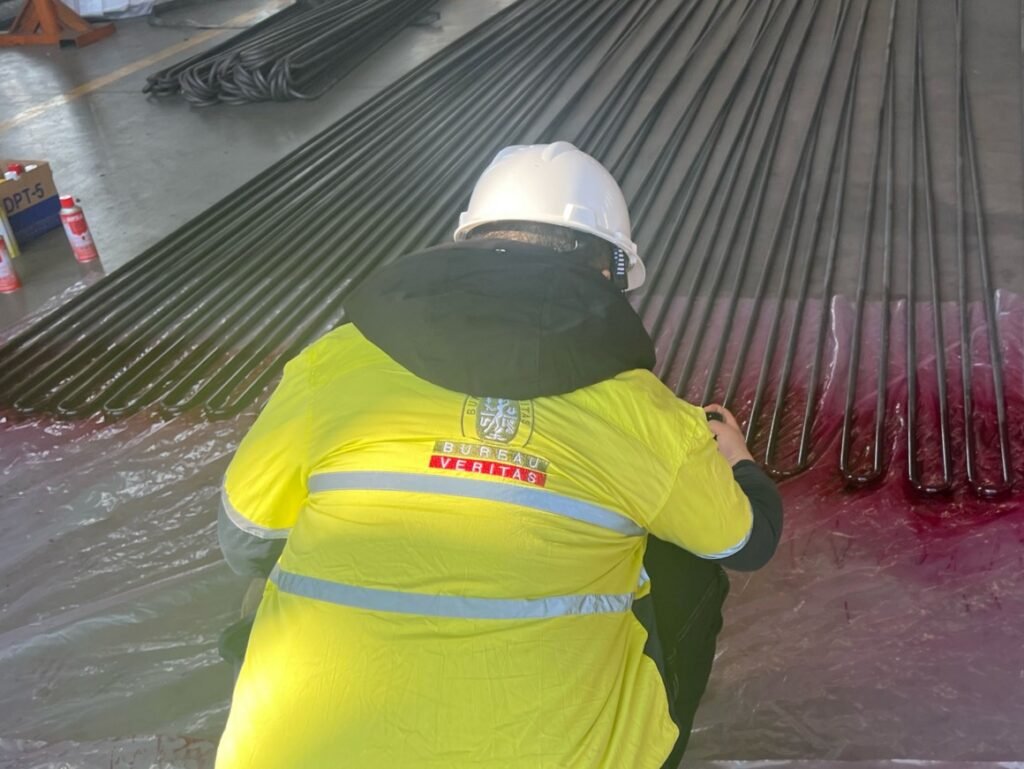
Surface & Dimensions
Tube Condition · Straightness · Bend Geometry Check the required surface condition and finished dimensions after treatment and any specified finishing.
Mechanical Properties
Hardness · Tensile Properties · Other Specified Tests Perform the tests required for the applicable material and product condition.
Metallurgical & Corrosion Checks
Grain Size · Microstructure · Corrosion Tests Where Specified Confirm the applicable test method, sampling and acceptance criteria before production.
NDE & Final Inspection
Applicable Testing · Agreed Coverage · Release Records Complete the required final inspection sequence and review the supporting records.
Supporting Documentation
Heat Treatment Record | Material Traceability | Required Test Reports | Dimensional Report | Agreed Inspection Release
A heat-treatment chart is a process record, not a replacement for required finished-product testing. Test frequency and acceptance criteria follow the applicable specification.
Related Capabilities & Technical Guides
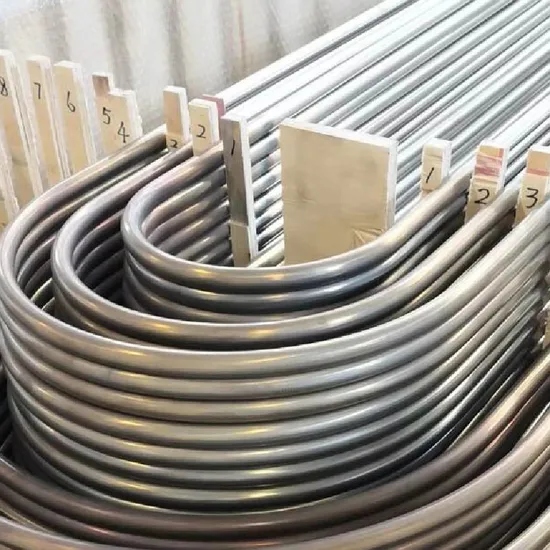
U-Bending
Review bend geometry, post-forming requirements and finished U-tube inspection.
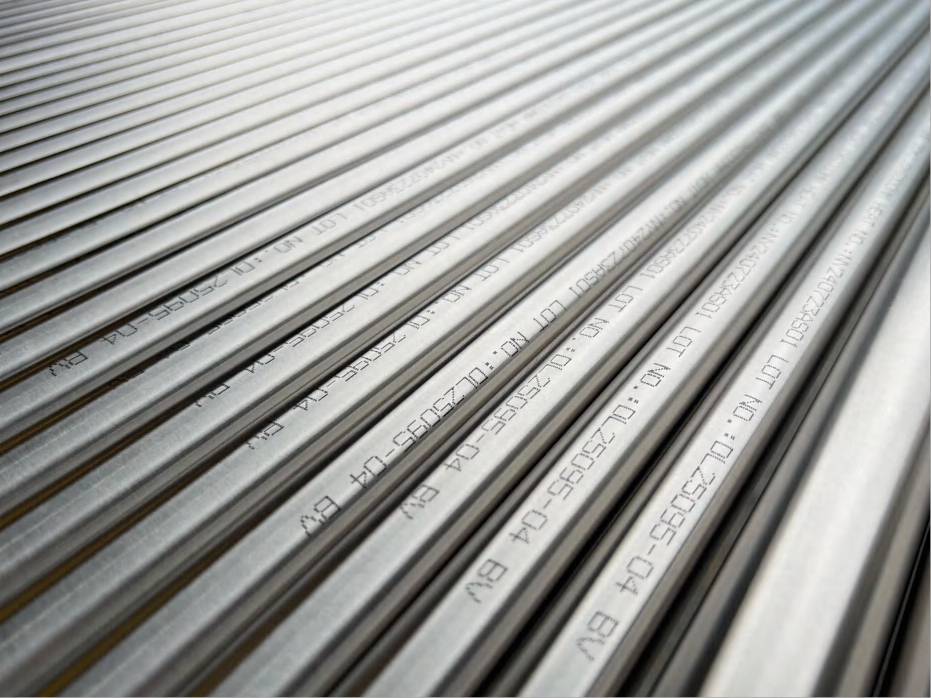
BA / EP Surface Finish
Review bright-annealed and electropolished surface requirements for applicable stainless steel projects.
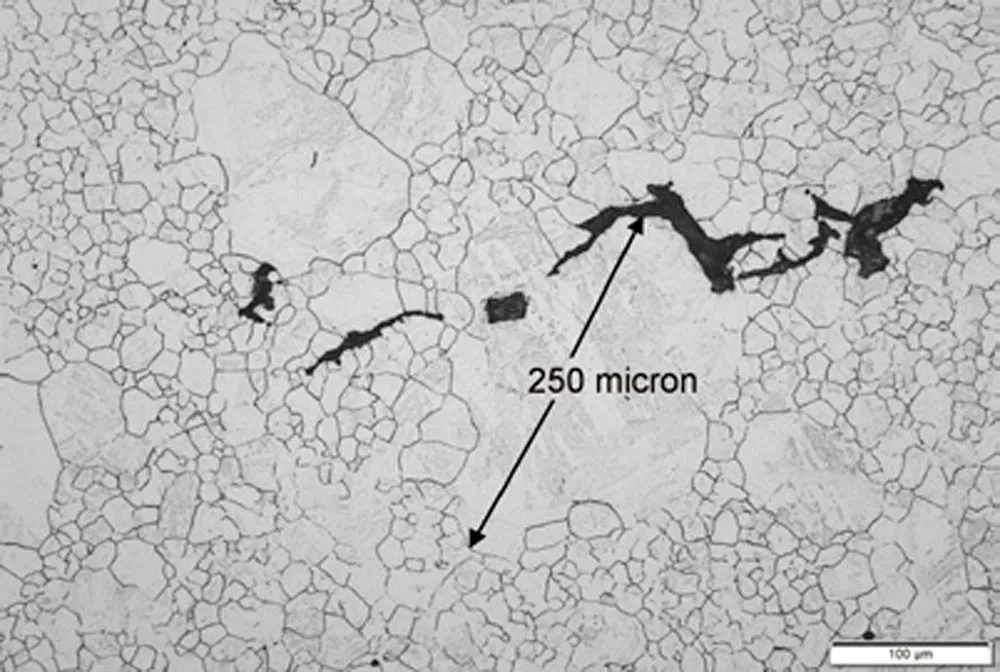
Grain Size
Understand grain-size requirements and their relationship to the specified material condition.
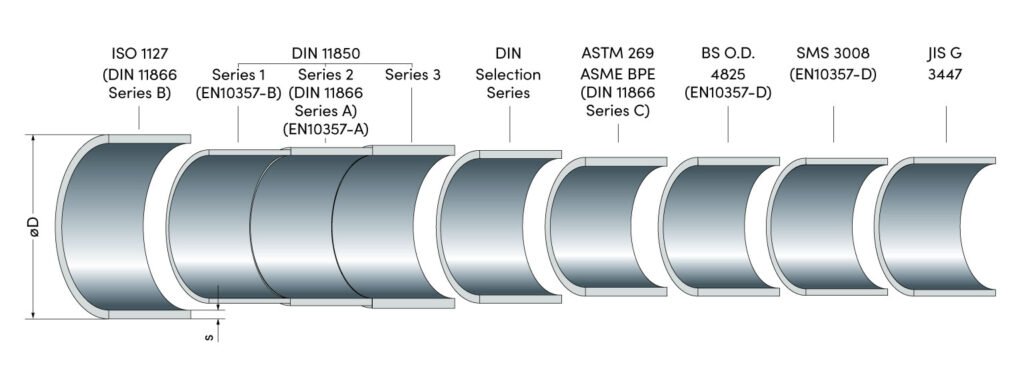
Tube Standards
Find material-specific manufacturing, heat-treatment and inspection requirements.