Choosing the right pipe material is not only a purchasing decision. It affects corrosion resistance, pressure safety, temperature performance, welding, installation, maintenance cost, inspection, and long-term reliability.
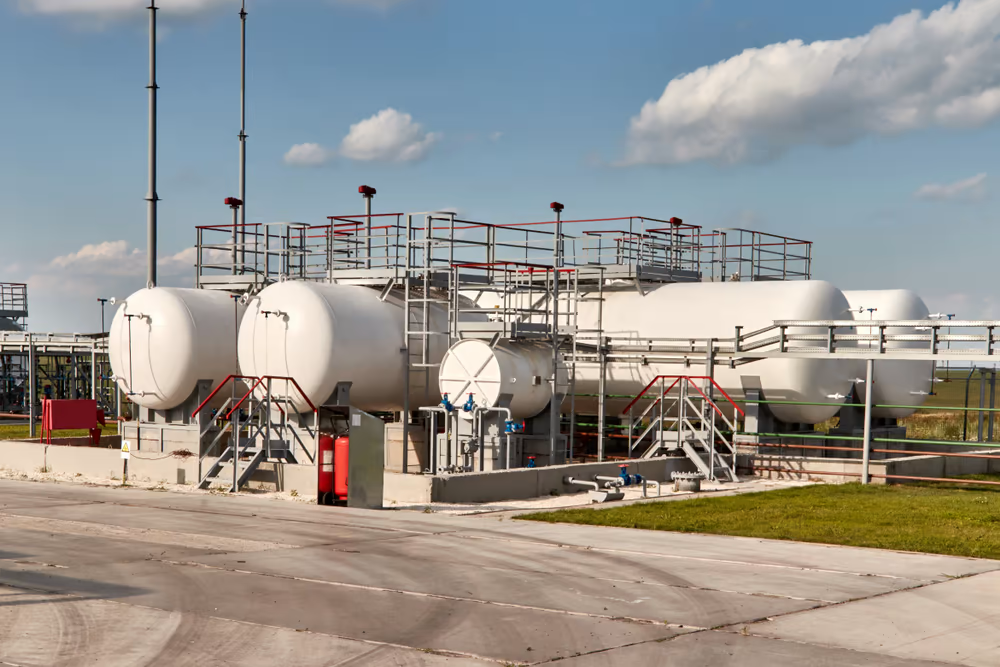
For industrial projects such as chemical plants, refineries, power plants, shipbuilding, heat exchangers, food processing, water treatment, and oil and gas systems, a wrong material choice can cause leakage, corrosion, shutdown, repeated maintenance, or project rejection.
The best pipe material is not always the most expensive one. It is the material that matches the service medium, pressure, temperature, corrosion risk, fabrication method, applicable standard, inspection requirement, and total lifecycle cost.
This guide explains how buyers and engineers can choose the right pipe material before sending an RFQ or placing an order.
Quick Answer
To choose the right pipe material, start with these seven questions:
- What fluid or gas will flow through the pipe?
- What are the operating pressure and temperature?
- Is the medium corrosive, abrasive, toxic, or high-purity?
- Is the system for power piping, process piping, heat exchanger, marine, food, or chemical service?
- Will the pipe be welded, bent, machined, or installed in a difficult location?
- What standard, inspection, and MTC documents are required?
- Which material gives the best balance between initial cost and service life?
If the application is unclear, do not choose only by price or by material name. The service condition should be reviewed first.
1. Start with the Medium
The first question is always: what is flowing through the pipe?
Different media create different risks. Clean water, seawater, steam, acid, alkali, oil, gas, food fluid, and chemical solution may require completely different materials.
For example:
- Clean water may use TP304 / TP304L in many general applications.
- Mildly corrosive industrial water may require TP316L.
- Chloride-containing water may require duplex, super duplex, titanium, or copper nickel depending on concentration and temperature.
- Strong chemical service may require nickel alloys such as Alloy 625, Alloy 825, or Hastelloy C-276.
- High-purity systems may require bright annealed or electropolished stainless steel tubes.
- Seawater heat exchanger service may require titanium, copper nickel, duplex, or super duplex materials.
A common mistake is only writing “stainless steel pipe” in the RFQ. This is too general. The supplier needs to know the actual medium, temperature, pressure, and corrosion condition.
2. Check Pressure and Temperature
Pressure and temperature decide whether a material can work safely under the project condition.
High pressure, high temperature, steam, thermal cycling, and pressure fluctuation require closer review of material strength, wall thickness, heat treatment, and applicable piping code.
Buyers should confirm:
- Design pressure
- Operating pressure
- Design temperature
- Operating temperature
- Pressure fluctuation
- Thermal cycling
- Safety factor or code requirement
- Required wall thickness
- Seamless or welded requirement
For example, power plant piping may need to follow power piping requirements. Chemical and refinery process lines may need to follow process piping requirements. Heat exchanger tubes may need tube standards rather than pipe standards.
The pipe material should not be selected only because it is available in stock. It must match the pressure-temperature rating and project specification.
3. Consider Corrosion and Service Life
Corrosion is one of the most common reasons for pipe failure.
Common corrosion risks include:
- General corrosion
- Pitting corrosion
- Crevice corrosion
- Stress corrosion cracking
- Erosion-corrosion
- Galvanic corrosion
- Corrosion under deposits
- Weld-area corrosion
Material selection should consider the medium, pH value, chloride content, oxygen content, temperature, flow velocity, impurities, cleaning chemicals, and expected service life.
A simple material comparison:
| Service Condition | Possible Material Direction |
|---|---|
| General industrial water | TP304L / TP316L |
| Chloride-containing water | TP316L, duplex 2205, super duplex 2507, titanium, or copper nickel |
| Seawater cooling | Titanium, copper nickel, duplex, or super duplex depending on design |
| High-temperature steam | TP321H, TP347H, TP316H, alloy steel, or nickel alloy depending on specification |
| Strong acid or chemical service | Nickel alloy, 904L, titanium, or special alloy |
| Food / pharmaceutical clean service | TP316L BA / polished / EP tubing |
| Oil and gas / refinery service | Stainless steel, duplex, nickel alloy, or carbon steel depending on medium |
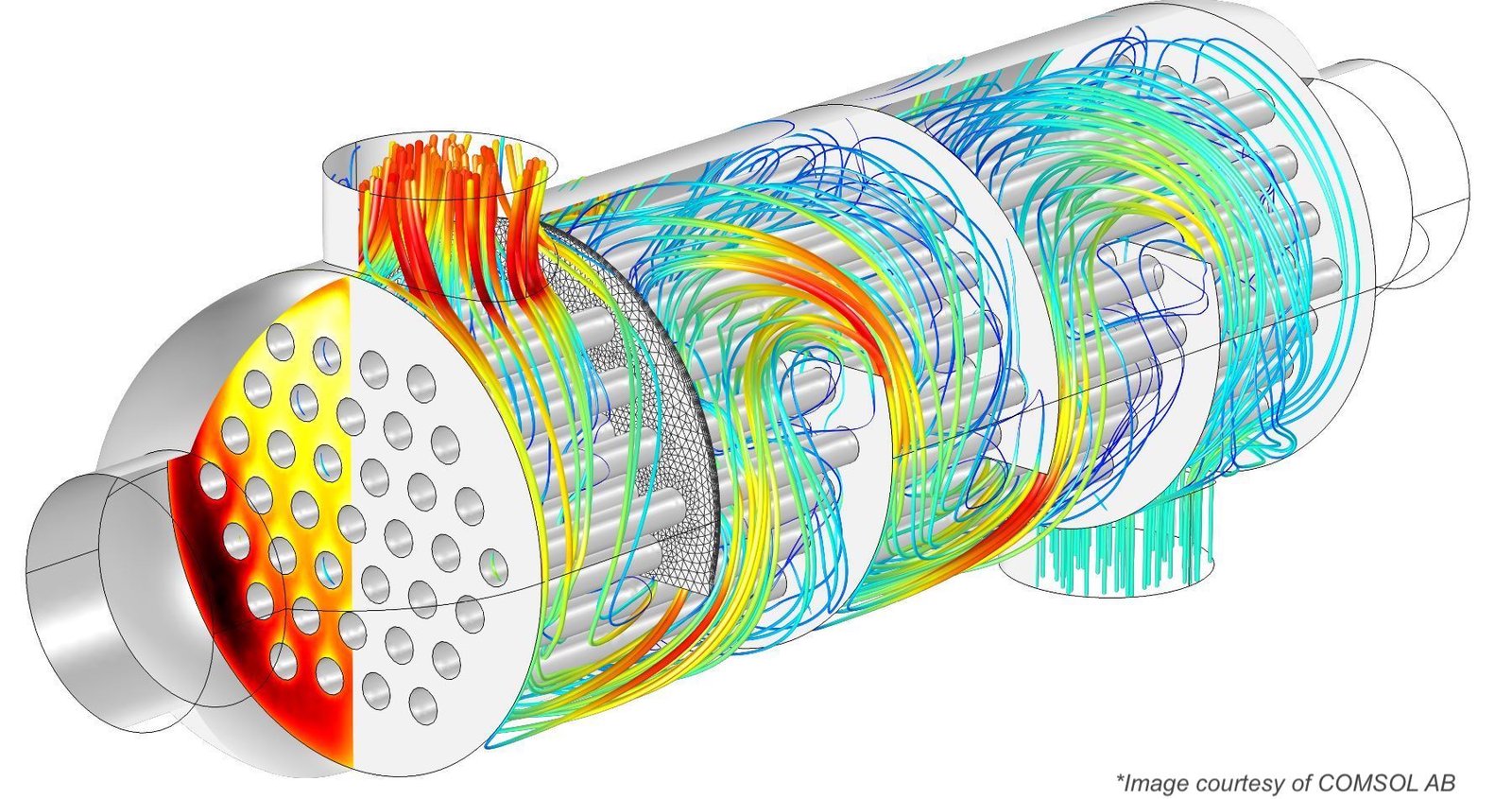
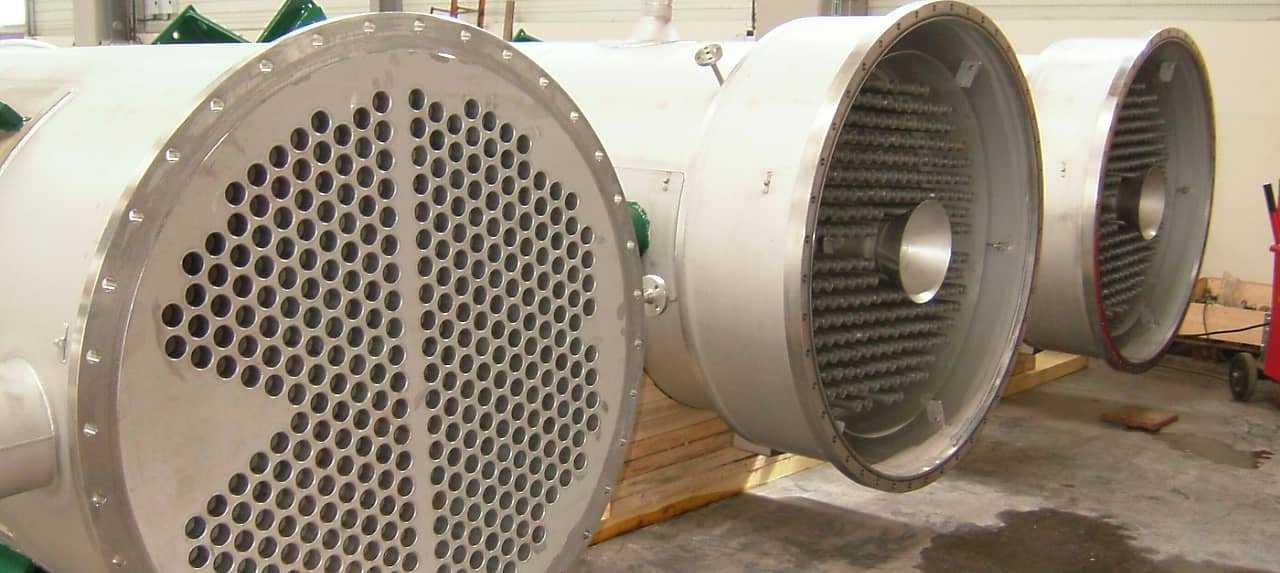
| Heat exchanger service | Stainless steel, titanium, copper nickel, duplex, or nickel alloy tubes |
This table is only a starting point. Final material selection should follow the project specification and service condition.
4. Match the Correct Standard
The same material grade can appear under different standards. A buyer should confirm the correct standard before comparing price.
Common examples include:
- ASTM A312: stainless steel pipe for high-temperature and general corrosive service
- ASTM A213: seamless boiler, superheater, and heat exchanger tubes
- ASTM A269: seamless and welded stainless steel tubing for general service
- ASTM A249: welded stainless steel boiler, superheater, heat exchanger, and condenser tubes
- ASTM B338: titanium tubes for condensers and heat exchangers
- ASTM B861: titanium seamless pipe for corrosion-resisting and elevated-temperature service
- ASTM B444: nickel alloy pipe and tube, such as Alloy 625
- ASTM B466: copper nickel seamless pipe and tube
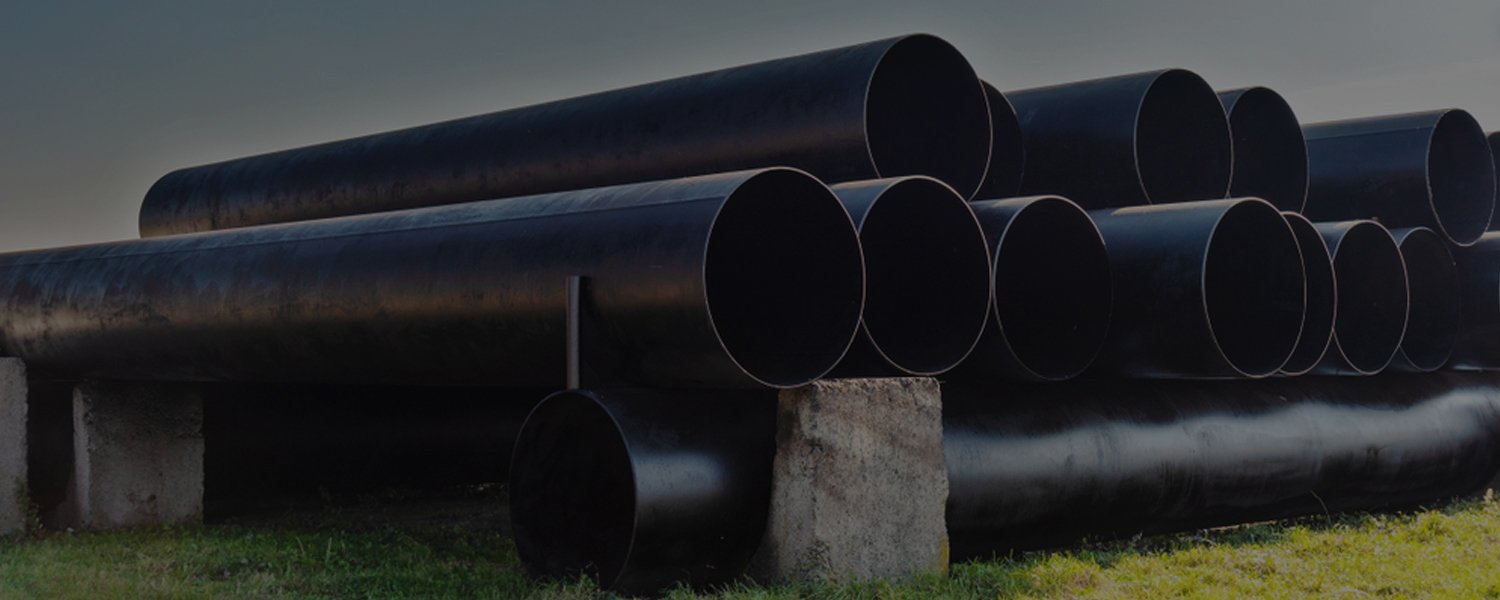
A common mistake is mixing pipe and tube standards. Pipe is often used for fluid transportation, while tube is often used for heat exchangers, boilers, condensers, precision systems, and instrumentation. The size system, tolerance, testing, and application may be different.
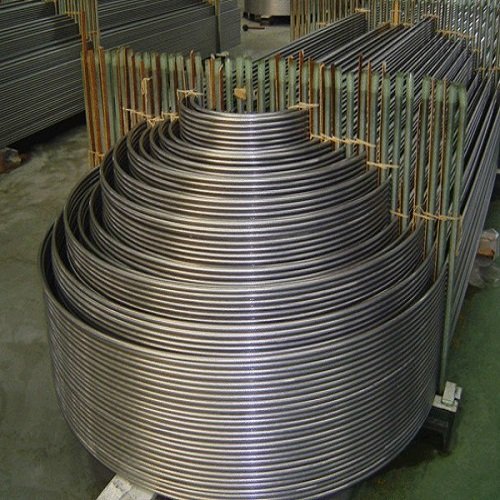
Before placing an order, buyers should confirm whether the project requires pipe, tube, U-tube, finned tube, fitting, flange, or forged component.
5. Review Welding and Installation
Weldability matters, especially for field installation.
Some materials are easy to weld. Others need strict heat input control, special filler metal, post-weld treatment, or experienced welders.
General points:
- TP304L and TP316L are commonly used when good weldability is required.
- Low-carbon grades help reduce sensitization risk during welding.
- Duplex stainless steel requires careful control of heat input and cooling.
- Nickel alloys are weldable but require suitable procedure and experienced welding control.
- Titanium requires very clean welding conditions and good shielding.
- Copper nickel requires suitable welding practice and corrosion control.
If the project site is remote, installation conditions are difficult, or subcontractor welding experience is limited, the buyer should not select a material that is hard to fabricate without checking installation capability.
Material selection should include both factory supply and site installation risk.
6. Balance Initial Cost and Lifecycle Cost
The cheapest pipe material may not be the lowest-cost solution.
Initial cost includes material, production, inspection, packing, and freight. Lifecycle cost includes installation, cleaning, maintenance, downtime, repair, replacement, leakage risk, and service life.
For example, a cheaper material may save cost at the purchasing stage but fail earlier in chloride or chemical service. A more corrosion-resistant material may cost more at the beginning but reduce shutdown and replacement risk later.
Buyers should compare:
- Material price
- Delivery time
- Fabrication difficulty
- Inspection cost
- Maintenance cost
- Corrosion risk
- Expected service life
- Downtime cost
- Replacement cost
- Project acceptance risk
For critical systems, choosing material only by unit price can create much higher cost later.
7. Confirm Inspection and Documentation
For industrial projects, documents are part of the product.
Before production, buyers should confirm:
- MTC type, such as EN 10204 3.1 or 3.2
- Heat number traceability
- Chemical composition
- Mechanical properties
- Heat treatment condition
- PMI requirement
- Hydrostatic test
- Ultrasonic test
- Eddy current test
- Visual inspection
- Dimensional inspection
- Surface inspection
- Third-party inspection
- Packing list and marking requirement
If third-party inspection or 3.2 certification is required, it should be confirmed before production. It should not be requested only after the goods are finished.
The MTC should match the PO, grade, UNS number, standard, heat number, size, quantity, and inspection requirement.
What Buyers Should Include in the RFQ
A clear RFQ helps the supplier recommend the correct material and avoid delay.
Buyers should provide:
- Product type: pipe, tube, U-tube, finned tube, fitting, or flange
- Material grade
- UNS / EN / material number, if applicable
- Applicable standard
- Seamless or welded requirement
- Size, wall thickness, length, and quantity
- Application
- Service medium
- Operating pressure and temperature
- Corrosion condition
- Surface finish requirement
- Heat treatment requirement
- Welding or bending requirement
- Inspection requirement
- MTC requirement
- Third-party inspection requirement
- Packing requirement
- Delivery schedule
- Drawing or project specification, if available
If the buyer is not sure which material is suitable, the RFQ can state:
“Please recommend a suitable pipe material based on the attached service medium, pressure, temperature, corrosion condition, standard, inspection requirement, and expected service life. Please also advise the technical risk and cost difference between available material options.”
How DLSS Helps Buyers Choose Pipe Materials
DLSS supplies stainless steel, duplex stainless steel, super duplex stainless steel, nickel alloy, titanium, copper nickel, and other alloy pipes and tubes for industrial projects.
Our support includes:
- Stainless steel seamless pipes
- Stainless steel seamless tubes
- Welded stainless steel pipes
- Heat exchanger tubes
- U-bent tubes
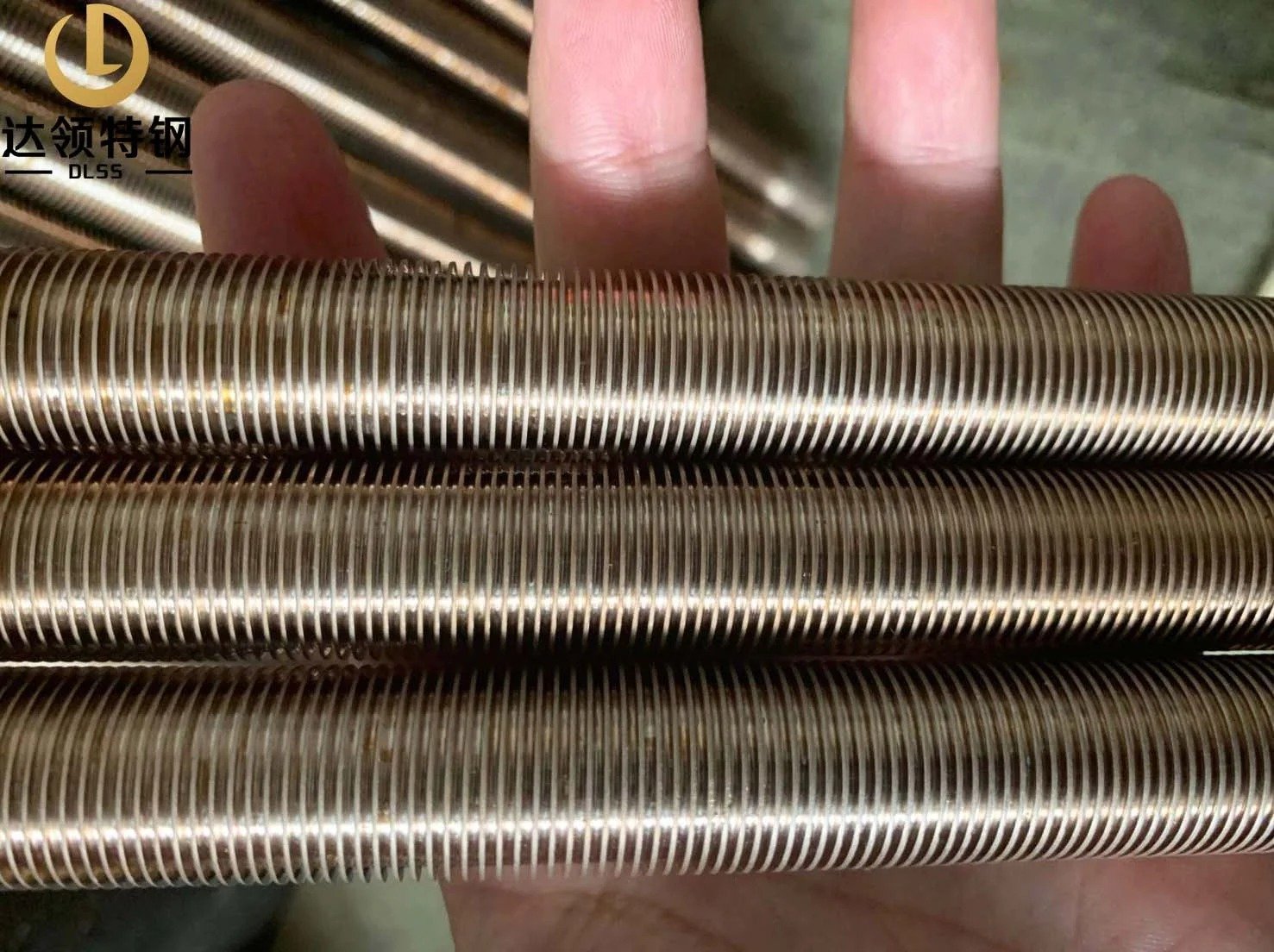
- Finned tubes
- Duplex and super duplex tubes
- Titanium tubes and pipes
- Copper nickel tubes
- Nickel alloy pipes and tubes
- Fittings and flanges
- MTC and inspection document support
- Third-party inspection coordination
- Export packing for long-distance shipment
Before quotation, DLSS can help buyers review the medium, pressure, temperature, corrosion risk, standard, inspection requirement, and delivery schedule. The goal is to reduce wrong material selection, avoid unnecessary cost, and support final project acceptance.
Common Mistakes to Avoid
Mistake 1: Choosing Only by Price
Low initial cost may lead to corrosion, leakage, shutdown, and replacement cost later.
Mistake 2: Writing Only “Stainless Steel Pipe”
This is too vague. Buyers should specify grade, standard, size, product form, inspection, and service condition.
Mistake 3: Ignoring Chloride Content
Chloride can strongly affect stainless steel selection. In chloride environments, 304 or even 316L may not always be enough.
Mistake 4: Mixing Pipe and Tube Standards
Pipe and tube are not always interchangeable. Heat exchanger tubes, process pipes, and instrumentation tubes may follow different standards.
Mistake 5: Confirming Inspection Too Late
MTC, PMI, NDT, hydrostatic test, third-party inspection, and 3.2 certification should be confirmed before production.
FAQ
What is the best pipe material for industrial projects?
There is no single best material. The correct material depends on medium, pressure, temperature, corrosion risk, welding, standard, inspection requirement, and service life.
Is 316L better than 304L?
316L has better corrosion resistance than 304L in many chloride-containing environments, but it is not always necessary for clean or mild service. The final choice depends on the application.
When should duplex stainless steel be considered?
Duplex stainless steel may be considered when higher strength and better chloride resistance are required, especially in chemical, marine, offshore, or process systems.
When should nickel alloy pipes be used?
Nickel alloys may be used for strong chemical corrosion, high-temperature corrosion, seawater-related severe service, or special process conditions where stainless steel is not enough.
What documents should be required for industrial pipe orders?
Common documents include MTC, heat number traceability, chemical composition, mechanical properties, PMI report, NDT report, hydrostatic test report, dimensional inspection report, and third-party inspection certificate if required.
What should I send to DLSS for material selection?
Please send the medium, pressure, temperature, size, standard, application, corrosion condition, inspection requirement, MTC requirement, quantity, delivery schedule, and drawing if available.
Conclusion
Choosing the right pipe material for an industrial project requires more than selecting a familiar grade. The material must match the medium, pressure, temperature, corrosion risk, welding method, standard, inspection requirement, and expected service life.
A good material choice reduces leakage risk, maintenance cost, shutdown risk, and final acceptance problems.
DLSS supports industrial pipe and tube projects with stainless steel, duplex, super duplex, titanium, copper nickel, nickel alloy, fittings, flanges, inspection documents, third-party inspection, and export packing. If you are not sure which pipe material is suitable for your project, our team can review your specification before production and recommend a practical solution.