Seamless vs. Welded Pipes: Which Is Right for Your Industrial Pipeline?

DLSS - Oil & Gas Industry - Seamless vs. Welded Pipes: Which Is Right for Your Industrial Pipeline?

Meta Description:
Compare seamless and welded pipes in terms of cost, pressure capacity, corrosion resistance, and industrial use. Learn how to choose the right pipe for your project.


Introduction

In pipeline engineering, one of the most common questions from project engineers and procurement teams is:
“Should we use seamless pipes or welded pipes?”

Each option has distinct advantages and trade-offs, and your decision will affect cost, reliability, inspection requirements, and even compliance with standards such as ASME B31.3 or API 5L.

Let’s break down the key differences to help you make the right material decision.


1. Manufacturing Process

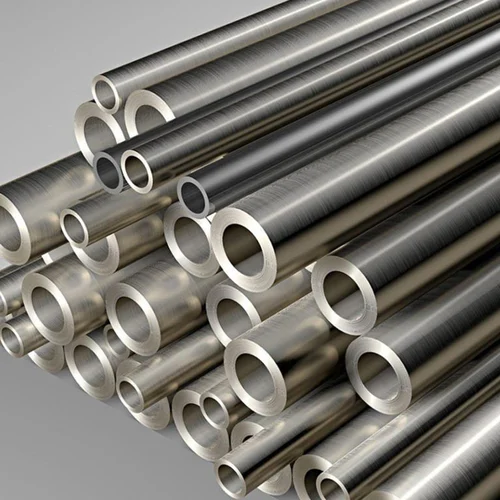
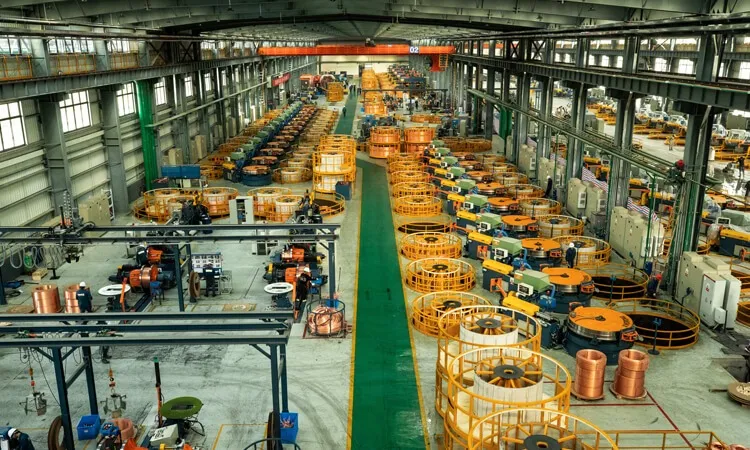
  • Seamless Pipe: Made from solid round billets, heated and pierced to form a tube with no longitudinal weld.
  • Welded Pipe: Produced by rolling a plate or strip and welding it longitudinally via ERW (Electric Resistance Welding), TIG, or SAW.

Result: Seamless pipes are free of weld defects but more expensive; welded pipes are cost-effective but require strict weld quality control.

2. Mechanical Strength & Pressure Tolerance

  • Seamless Pipe: Better uniformity in grain structure; withstands higher internal pressure, suitable for critical applications.
  • Welded Pipe: Slightly less reliable at very high pressures due to possible weld seam discontinuities.

Standard reference:
ASME B31.3 and EN 13480 often prefer seamless for high-pressure, high-temperature, or critical service pipelines.


3. Corrosion Resistance

  • Seamless Pipe: No weld seam = no heat-affected zone (HAZ), which may become a weak point for corrosion.
  • Welded Pipe: Weld seam must be pickled, passivated, or annealed to restore corrosion resistance.

Note: Welded pipes are widely used in food, water, and low-pressure oil lines where corrosion risk is manageable.


4. Dimensional Range & Availability

CriteriaSeamless PipeWelded Pipe
OD RangeTypically 6–114 mmAvailable up to 2000 mm
Wall ThicknessThicker walls in small diametersThinner walls, but large OD possible
Lead TimeLonger, depending on billet supplyShorter, more flexible production

5. Cost & Application Suitability

  • Seamless: Higher cost, used in boilers, superheaters, offshore, aerospace, power plants.
  • Welded: Cost-effective, ideal for architectural, water distribution, food processing, general chemical use.

Industry examples:

  • Power plants → Seamless
  • Beverage plants → Welded
  • Oil pipelines (API 5L B/X42) → Welded
  • Heat exchanger U-tubes → Seamless
Top 7 Types of Finned Tubes and Their Applications Across Industries

DLSS Manufacturing Capabilities

  • Seamless Pipe: ASTM A312 / A213 / A269
  • Welded Pipe: ASTM A249 / A358 / EN 10217-7
  • Grades: TP304/304L, TP316/316L, TP321, TP347H, Duplex 2205
  • Surface: Pickled, BA, EP, MP
  • Testing: Hydro test, Eddy current, PMI, UT, RT (for weld seams)

Frequently Asked Questions

Q: Is seamless pipe always better than welded?
Not always. Seamless is preferred for pressure and critical service, but welded pipes are sufficient and more cost-efficient for many industrial uses.

Q: Can DLSS supply both types?
Yes, DLSS supplies both seamless and welded pipes, with full certification, surface treatment, and third-party inspection if needed.

Q: Are welded pipes allowed in oil & gas projects?
Yes. In many API 5L and offshore projects, welded pipes are allowed, especially with proven NDT records and weld seam quality.


Conclusion

Choosing between seamless and welded pipe depends on application criticality, budget, and standard compliance. DLSS helps clients make informed decisions and supplies both pipe types with strict quality control, full traceability, and reliable global delivery.


Contact DLSS
Email: info@dlsspipe.com
Website: www.dlsspipeline.com

Wonderful! Share This Case:

Austenitic Stainless Steel

Duplex Stainless Steel

Nickel Alloys

▪ Incoloy Family

▪ Inconel Family

▪ Monel Family

▪ Hastelloy Family

▪ Other Special Alloys

Cobalt Alloys

Related Posts

Meeting JIS G3459 Standards for Stainless Steel Seamless Pipes(JIS G3459規格に適合するステンレス無縫管)

Meeting JIS G3459 Standards for

1. Introduction JIS G3459 seamless pipe Japan is a widely recognized specification for stainless steel pipes used in chemical, food, marine, and high-temperature applications. For Japanese buyers, compliance with ステンレス無縫管 規格 (stainless seamless pipe standards) is not optional—it is the foundation of product acceptance. DLSS ensures every tube meets or exceeds the stringent requirements of […]

Read More
ASTM vs JIS Standards: Choosing the Right Stainless Tube for Japan(ASTM規格とJIS規格の比較:日本市場向けステンレスチューブの選び方)

ASTM vs JIS Standards: Choosing

1. Introduction In the Japanese stainless steel tube market, buyers often compare ASTM (American Society for Testing and Materials) and JIS (Japanese Industrial Standards) specifications. Both systems have rigorous requirements, but understanding their differences is key to choosing the right stainless steel seamless tube Japan for specific applications such as 熱交換器 (heat exchangers) and 産業配管 […]

Read More
ASTM B111 C70600 (O61) Copper-Nickel Seamless Tube 16 × 1.0mm × 3000mm with 100% Eddy Current Testing for Condenser Applications

ASTM B111 C70600 (O61) Copper-Nickel

Product Overview: ASTM B111 C70600 Seamless Copper-Nickel Tube (16×1.0mm, 3000mm) C70600, also known as 90/10 Copper-Nickel, is a marine-grade copper alloy containing 90% copper and 10% nickel. It’s renowned for its outstanding resistance to seawater corrosion, biofouling, and stress corrosion cracking, making it a top choice for condenser tubes and heat exchanger systems, especially in power plants, […]

Read More
What is Electropolished Tubing and When Should You Use It?

What is Electropolished Tubing and

Meta Description:Discover what electropolished (EP) stainless steel tubing is, how it’s made, and where it’s used. Ideal for pharmaceutical, semiconductor, and ultra-high-purity industries requiring extreme surface cleanliness and corrosion resistance. Introduction In industries where surface cleanliness, corrosion resistance, and bacterial control are critical, standard stainless steel tubing may not be enough. That’s where Electropolished (EP) […]

Read More
Corrosion Resistance in Marine Applications: Stainless Tubes for Japan(海洋用途における耐食性:日本向けステンレスチューブ)

Corrosion Resistance in Marine Applications:

1. Introduction Japan, an island nation surrounded by seawater, faces constant challenges from 塩化物腐食 (chloride corrosion) in its marine industries. Stainless steel tubes with high corrosion resistance are essential in 海水淡水化プラント (seawater desalination plants), offshore oil & gas facilities, and shipbuilding. DLSS specializes in supplying marine corrosion resistant tube Japan to meet these demanding conditions. […]

Read More
Top Applications of Tubular Heat Exchangers in the Oil and Gas Industry

Top Applications of Tubular Heat

In the oil and gas industry, process reliability, corrosion resistance, and thermal efficiency are critical to success. Among the most vital components enabling these outcomes are tubular heat exchangers, particularly shell and tube heat exchangers (STHEs). From upstream production to downstream refining, these systems provide the thermal control required in some of the world’s most […]

Read More
TP904L Stainless Pipes for Seawater Desalination in Japan – 日本海水淡水化向けTP904Lステンレス管

TP904L Stainless Pipes for Seawater

Introduction Japan’s seawater desalination plants operate in highly corrosive environments due to the presence of chlorides and high salinity. TP904L stainless pipes from DLSS offer superior resistance to pitting and crevice corrosion, making them an ideal choice for JIS G3459 – Stainless Steel Pipes for Corrosion Resistance compliance in marine applications. 1. Why TP904L for […]

Read More

ASME, EN, and JIS Standards

In global heat exchanger projects, engineers and procurement teams often face a critical question: Which material standard should we follow—ASME, EN, or JIS? Each of these standards governs stainless steel tube production but comes from different regions and technical philosophies. Understanding their differences helps avoid miscommunication, ensure regulatory compliance, and make smart sourcing decisions. In […]

Read More

Request A Quote

*We respect your confidentiality and all information are protected.