Heat Exchanger Tube Materials: Pros and Cons of Stainless Steel, Copper, and Titanium

DLSS - Heat Exchanger Knowledge Hub - Heat Exchanger Tube Materials: Pros and Cons of Stainless Steel, Copper, and Titanium

1. Introduction – Heat Exchanger Tube Materials

Selecting the right heat exchanger tube material is critical for optimizing performance, extending service life, and minimizing maintenance costs.

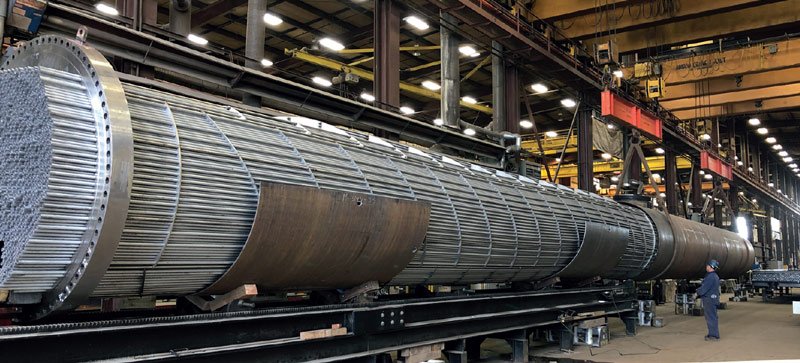
This article compares stainless steel, copper, and titanium—three of the most common materials used in shell and tube as well as plate heat exchanger designs.

For related topics, see Best Material for Seawater Heat Exchanger, Heat Exchanger Maintenance Checklist, and Shell and Tube Heat Exchanger Design Considerations.


2. Stainless Steel Tubes

Advantages:

  • Excellent corrosion resistance in many industrial environments
  • High strength at elevated temperatures
  • Cost-effective compared to titanium
  • Available in multiple grades such as 304L, 316L, and duplex stainless steels

Disadvantages:

  • Lower thermal conductivity than copper
  • Susceptible to chloride stress corrosion cracking in high-salt conditions unless duplex or super duplex grades are used

Applications:

  • Food processing, chemical plants, HVAC, and general industrial heating/cooling

3. Copper Tubes

Advantages:

  • High thermal conductivity for efficient heat transfer
  • Natural antimicrobial properties (ideal for potable water systems)
  • Easy to fabricate and join

Disadvantages:

  • Poor resistance to strong acids and ammonia
  • Can corrode quickly in seawater without protective measures
  • Shorter service life in aggressive industrial conditions

Applications:

  • Domestic hot water, refrigeration, low-pressure HVAC systems

4. Titanium Tubes

Advantages:

Disadvantages:

  • High initial cost
  • More difficult to fabricate than stainless steel or copper

Applications:

  • Marine condensers, offshore oil & gas, desalination plants

5. Comparison Table

PropertyStainless SteelCopperTitanium
Corrosion ResistanceHigh (varies by grade)ModerateExcellent
Thermal ConductivityModerateHighModerate
StrengthHighLow-MediumHigh
CostMediumLow-MediumHigh
LifespanLongShort-MediumVery Long
Seawater SuitabilityGood (Duplex/Super Duplex)PoorExcellent

6. Real-World Example

A marine engineering company replaced copper condenser tubes with titanium for seawater service. The upgrade eliminated frequent corrosion-related failures and extended the maintenance interval from 1 year to over 10 years, despite the higher upfront investment.


7. Conclusion

Choosing the right tube material depends on operating environment, budget, and desired lifespan.

  • Stainless steel offers a balance between cost and corrosion resistance.
  • Copper provides high heat transfer but requires careful corrosion management.
  • Titanium delivers unmatched durability in seawater and aggressive fluids.

For more on preventing corrosion and fouling, read 7 Effective Ways to Prevent Fouling in Heat Exchangers and 5 Proven Ways to Improve Heat Exchanger Efficiency.


Contact DLSS
At DLSS, we manufacture high-quality stainless steel tubes for heat exchanger applications, ensuring optimal heat transfer, corrosion resistance, and long service life.
Email: info@dlsspipe.com
Website: www.dlsspipeline.com

Related Reading

Wonderful! Share This Case:

Austenitic Stainless Steel

Duplex Stainless Steel

Nickel Alloys

▪ Incoloy Family

▪ Inconel Family

▪ Monel Family

▪ Hastelloy Family

▪ Other Special Alloys

Cobalt Alloys

Related Posts

ASTM B163 Incoloy 825 (UNS N08825) Seamless Tube – 25.4 × 2.11 × 5555 mm, Bright Annealed Surface

ASTM A213/ASME SA213

Product Overview: ASTM A213/ASME SA213 TP321 Seamless Tube (1.4541) The ASTM A213/ASME SA213 TP321 (1.4541) seamless tube is a high-performance, austenitic stainless steel tube designed for critical applications in heat exchangers and other high-temperature, high-stress systems. Known for its excellent corrosion resistance, especially against sulfuric and nitric acids, and its ability to...

Read More
Stainless Steel Tubing Solutions for South America’s Oil & Gas Industry

Stainless Steel Tubing

Introduction South America is rich in oil and gas reserves—from Brazil’s offshore pre-salt basins, to Argentina’s Vaca Muerta shale, and Colombia’s expanding gas fields. These resources fuel the region’s economy but also demand high-performance, corrosion-resistant piping solutions. In this article, we explore how stainless steel seamless tubes meet the challenges...

Read More
southeast-asia-industrial-parks-heat-exchanger-demand

Who’s Buying Heat

Southeast Asia is entering a new wave of industrial growth. Governments across the ASEAN region—including Thailand, Vietnam, Malaysia, and Indonesia—are investing billions in industrial parks, refineries, food processing plants, and energy facilities. For global suppliers of heat exchanger tubes, U-bent coils, and industrial stainless steel piping, this presents an exciting...

Read More
How to Prevent Common Failures in Stainless Steel Tubes: 5 Case-Based Insights

How to Prevent

Introduction Even the best-grade stainless steel tubes can fail—if not properly selected, processed, or installed. From pitting corrosion in chloride-rich environments to stress corrosion cracking (SCC) in heat exchangers, these failures often lead to costly downtime, replacements, or even plant shutdowns. This article highlights 5 major failure types observed in...

Read More
How to Interpret a Stainless Steel Mill Test Certificate (MTC)

How to Interpret

When importing stainless steel pipes and tubes, one of the most important documents is the Mill Test Certificate (MTC). This document provides traceability and guarantees that the materials meet international standards. However, many buyers are not fully familiar with how to read and interpret an MTC correctly. In this article,...

Read More
Custom Finned Tube Solutions for Offshore and Marine Applications

Custom Finned Tube

Offshore oil platforms, marine vessels, and coastal industrial facilities require custom finned tube solutions that can withstand the challenges of seawater corrosion, high humidity, and continuous operation. At DLSS, we specialize in designing and manufacturing offshore and marine finned tube heat exchanger components with precision engineering and enhanced durability. For...

Read More
Improving Heat Exchanger Efficiency: Practical Strategies for Performance Optimization

Improving Heat Exchanger

Whether in power plants, chemical facilities, HVAC systems, or food processing lines, heat exchanger efficiency directly impacts energy consumption, process reliability, and operating cost. Over time, even well-designed systems can suffer from performance degradation due to fouling, improper flow, or suboptimal configurations. This article outlines practical and engineering-proven methods to...

Read More
How to Choose Between Seamless and Welded Stainless Steel Tubes

Seamless vs Welded

When buying stainless steel tubes, one common question is: should we choose seamless or welded tubes? There is no single answer for every project. Seamless stainless steel tubes are often preferred for high-pressure, high-temperature, U-bend, or critical corrosion service. Welded stainless steel tubes can also be a practical and cost-effective...

Read More

Request A Quote

*We respect your confidentiality and all information are protected.