U-Bent Stainless Steel Tubes for Heat Exchangers: Manufacturing, Standards, and Applications

DLSS - Tubes For Heat Exchanger - U-Bent Stainless Steel Tubes for Heat Exchangers: Manufacturing, Standards, and Applications

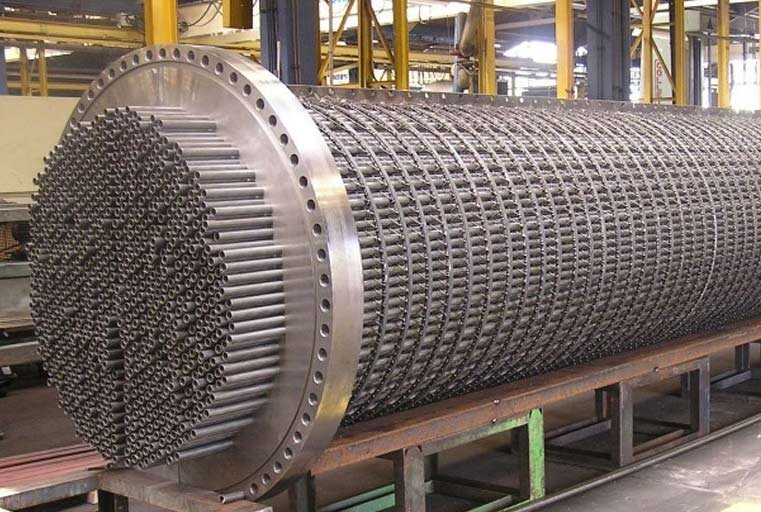
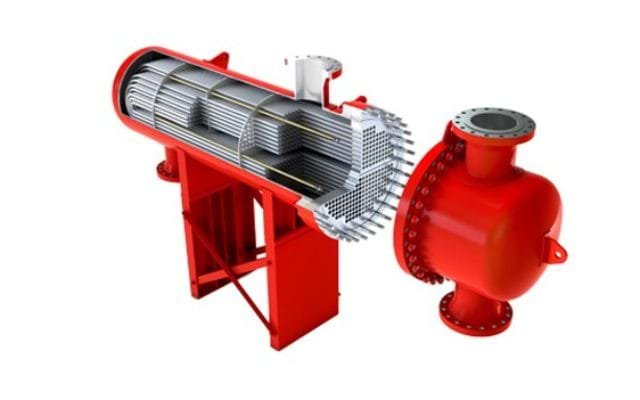
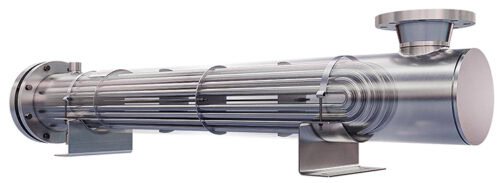
U-bent tubes are critical components in various heat exchanger systems, especially where space-saving or directional flow change is required—such as in shell-and-tube heat exchangers, condensers, boilers, and superheaters.

This article explains the manufacturing process, quality standards, and key applications of U-bent stainless steel tubes, along with how DLSS Pipeline ensures precision and reliability in every bend.


1. What Are U-Bent Tubes?

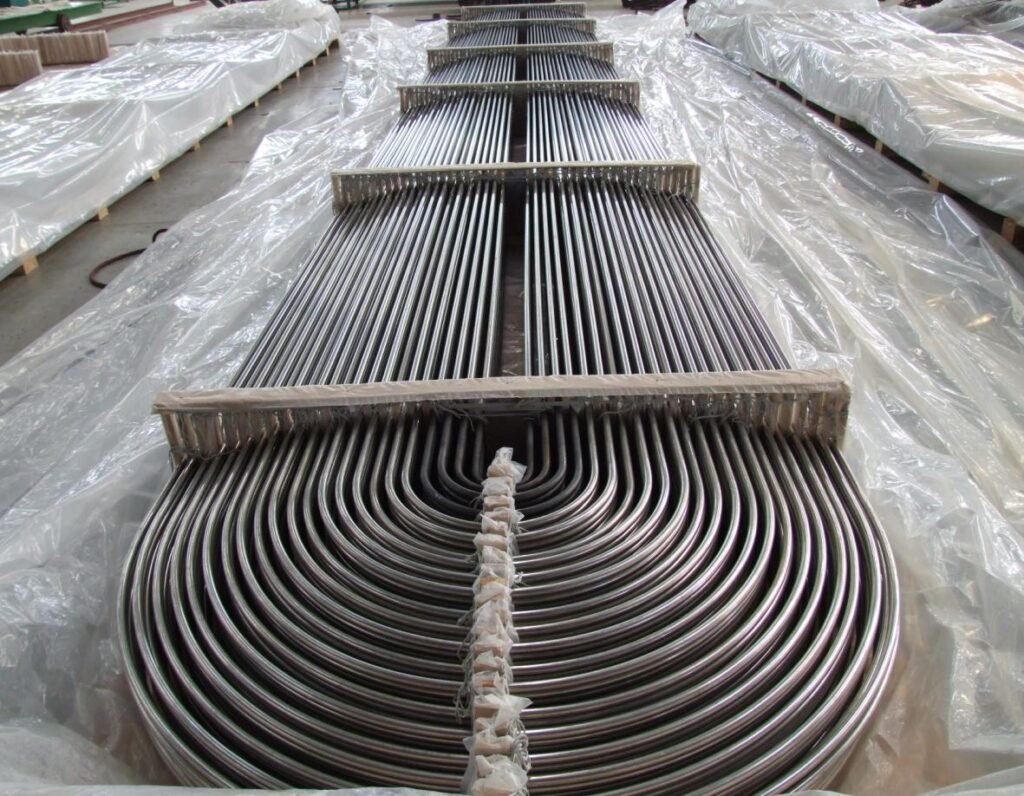
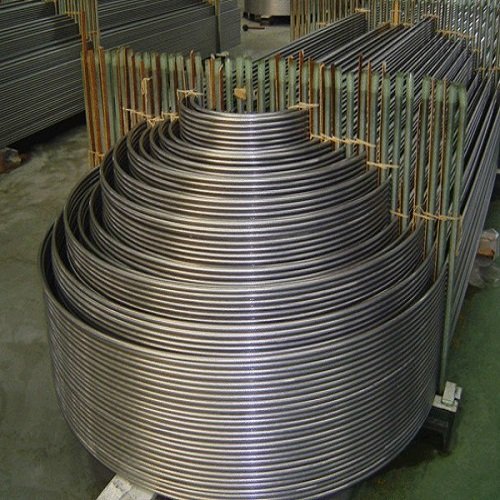
U-bent tubes are seamless or welded stainless steel tubes bent into a “U” shape using precision forming equipment. This design enables counterflow heat exchange within a compact space, making it ideal for high-efficiency and high-temperature systems.

Typical applications include:

  • Shell-and-tube heat exchangers
  • Condensers and evaporators
  • Feedwater heaters and superheaters
  • Waste heat recovery units
U-Bent Stainless Steel Tubes for Heat Exchangers: Manufacturing, Standards, and Applications

2. U-Bending Manufacturing Process

At DLSS, U-bent tubes are manufactured through a tightly controlled multi-step process:

Step 1: Pre-bend Preparation

  • Tubes are cut to required length
  • End faces are deburred and cleaned
  • ID/OD are inspected for straightness and ovality

Step 2: Cold Bending

  • Tubes are bent using mandrel-controlled precision U-bend equipment
  • Bend radius typically ≥1.5×OD (or as per TEMA standard)
  • No wrinkling, ovality, or wall thinning allowed

Step 3: Stress Relieving (Post-Bend Heat Treatment)

  • Performed in inert gas or vacuum furnace
  • Eliminates residual stress at bend area
  • Required for most ASME/EN-certified exchangers
U-Bent Stainless Steel Tubes for Heat Exchangers: Manufacturing, Standards, and Applications

Step 4: Final Inspection and Packing

  • Leg length, bend radius, and straightness are verified
  • Dye penetrant or hydro test may be conducted
  • Tube ends are capped, matched, and protected with separators

For custom U-bend inquiries, contact DLSS Pipeline


3. International Standards & Tolerances

DLSS produces U-bent tubes according to the following standards:

  • ASME SA213 / SA789 – Seamless and welded tubes for boilers and heat exchangers
  • EN 10216-5 / EN 10217-7 – Austenitic and duplex stainless steel pressure tubes
  • TEMA R, C, and U classifications – Governing tolerances and bending guidelines
  • PED 2014/68/EU, ISO 9001, and other client-specified standards

Typical tolerance controls:

  • Leg length tolerance: ±1.5 mm
  • Bend centerline radius: ±1.0 mm
  • Ovality in bend: ≤10%
  • Wall thinning: ≤12% (as per ASME)
U-Bent Stainless Steel Tubes for Heat Exchangers: Manufacturing, Standards, and Applications

4. Common Grades and Sizes Available

DLSS manufactures U-bent tubes in the following materials:

GradeTypical Use
TP304 / TP304LGeneral heat exchangers, HVAC
TP316 / TP316LChemical, food, marine environments
TP317LAcidic fluids, high chloride environments
2205 / S31803Offshore, pressure vessels
S32750Oil & gas, high-stress systems

OD range: 12.7 mm – 38.1 mm
Wall thickness: 0.8 mm – 4.0 mm
Bend radius: 1.5×OD and above
U-leg length: Up to 12 meters (or custom)


5. Inspection and Quality Assurance

Each U-bent tube undergoes strict quality control:

  • Visual & dimensional inspection for bend shape and tolerance
  • Eddy Current Testing or Hydrostatic Testing
  • Dye Penetrant Testing at bend zones
  • Material certificate (EN 10204 3.1 or 3.2)
  • Heat treatment record with time/temperature tracking

Learn more about DLSS inspection capabilities at www.dlsspipeline.com


Frequently Asked Questions (FAQ)

Q1: What’s the minimum bend radius for U-tubes?
Most common is 1.5×OD, but DLSS can provide tighter or custom radii upon request.

Q2: Is post-bend stress relieving always required?
Yes, especially for high-temperature or ASME Section I/III applications. It improves tube life and dimensional stability.

Q3: Can DLSS supply matched U-tube bundles?
Absolutely. DLSS can label, group, and package tubes in matching sets per drawing or TEMA layout.
Quality Inspection Methods for Stainless Steel Heat Exchanger Tubes

Conclusion

U-bent stainless steel tubes are essential for compact, high-efficiency heat exchangers. With precise bending, reliable heat treatment, and strict quality control, they ensure maximum performance and safety.

DLSS Pipeline is your trusted source for custom U-bend solutions—delivering quality, compliance, and performance for projects worldwide.

Wonderful! Share This Case:

Austenitic Stainless Steel

Duplex Stainless Steel

Nickel Alloys

▪ Incoloy Family

▪ Inconel Family

▪ Monel Family

▪ Hastelloy Family

▪ Other Special Alloys

Cobalt Alloys

Related Posts

How to Select the Right Stainless Steel Seamless Pipe for Projects in South America

How to Select

Introduction South America is home to diverse industries—from refineries in Brazil to mining operations in Chile, and LNG terminals in Colombia. Each project comes with its own environmental, technical, and regulatory challenges. Choosing the wrong pipe material or finish can result in: This article offers a practical guide for EPC...

Read More
Low-Fin vs Corrugated Tubes – Which Is Better for Heat Transfer Efficiency?

Low-Fin vs Corrugated

Low-fin tubes and corrugated tubes are both used to improve heat exchanger performance, but they do it in different ways. Low-fin tubes increase heat transfer mainly by adding more external surface area. Corrugated tubes improve heat transfer mainly by disturbing the flow and creating stronger turbulence inside or around the...

Read More
Material Selection for Seawater-Cooled Heat Exchangers: What Engineers Must Consider

Material Selection for

Seawater is one of the most aggressive environments for heat exchanger systems. High levels of chlorides, biofouling, and oxygenated saline water create ideal conditions for pitting, crevice corrosion, and stress corrosion cracking (SCC). Choosing the wrong material for tubes in seawater-cooled heat exchangers can lead to early failure, frequent maintenance,...

Read More
ASTM A213 vs A269: What’s the Difference in Heat Exchanger Tubing?

ASTM A213 vs

Introduction Two of the most frequently specified standards for stainless steel tubing are ASTM A213 and ASTM A269. Both cover austenitic stainless steel tubes like TP304L, TP316L, and TP321. However, their scope, tolerances, and test requirements differ significantly—especially for heat exchanger and pressure service applications. This article provides a clear,...

Read More
Ultrasonic vs Eddy Current Testing: Which Is Best for Heat Exchanger Tube Inspection?

Ultrasonic vs Eddy

Introduction Non-destructive testing (NDT) is essential in the manufacturing and inspection of stainless steel tubes used in critical heat exchanger systems. Among the most widely used methods are: But which one is better for your project? The answer depends on material type, tube thickness, surface condition, and defect detection goals....

Read More
Flange Sealing Techniques: How to Ensure a Leak-Proof Pipeline Connection

Flange Sealing Techniques:

Introduction If you’ve ever walked through an oil refinery or a chemical plant, you’ve probably seen a flange connection wrapped in insulation—maybe even dripping or steaming from a tiny leak. Flange connections are everywhere in pipeline systems, but when not sealed properly, they’re one of the most common sources of...

Read More
galvanized steel vs stainless steel

Galvanized Steel vs

1. Introduction When selecting materials for industrial piping, heat exchangers, condensers, and boiler systems, engineers often compare galvanized steel with stainless steel. Both are corrosion-resistant metals, yet their mechanisms, durability, and long-term performance differ significantly. At DLSS (Zhejiang Daling Special Steel Co., Ltd.), we manufacture and supply seamless and welded...

Read More
Stainless Steel Instrumentation Tubing for Japan’s Oil & Gas Projects – 日本石油・ガス産業向けステンレス計装チューブ

Stainless Steel Instrumentation

Introduction The oil and gas industry in Japan demands high-precision stainless steel instrumentation tubing for safe and efficient operation of control systems. DLSS supplies JIS G3446-compliant tubes with excellent corrosion resistance, precision dimensional tolerances, and long service life in harsh offshore and onshore environments. 1. Why Stainless Instrumentation Tubes for...

Read More

Request A Quote

*We respect your confidentiality and all information are protected.