Low-Fin Tubes: Compact Heat Transfer Solutions for Refrigeration and HVAC

DLSS - Finned Tube Knowledge Hub - Low-Fin Tubes: Compact Heat Transfer Solutions for Refrigeration and HVAC

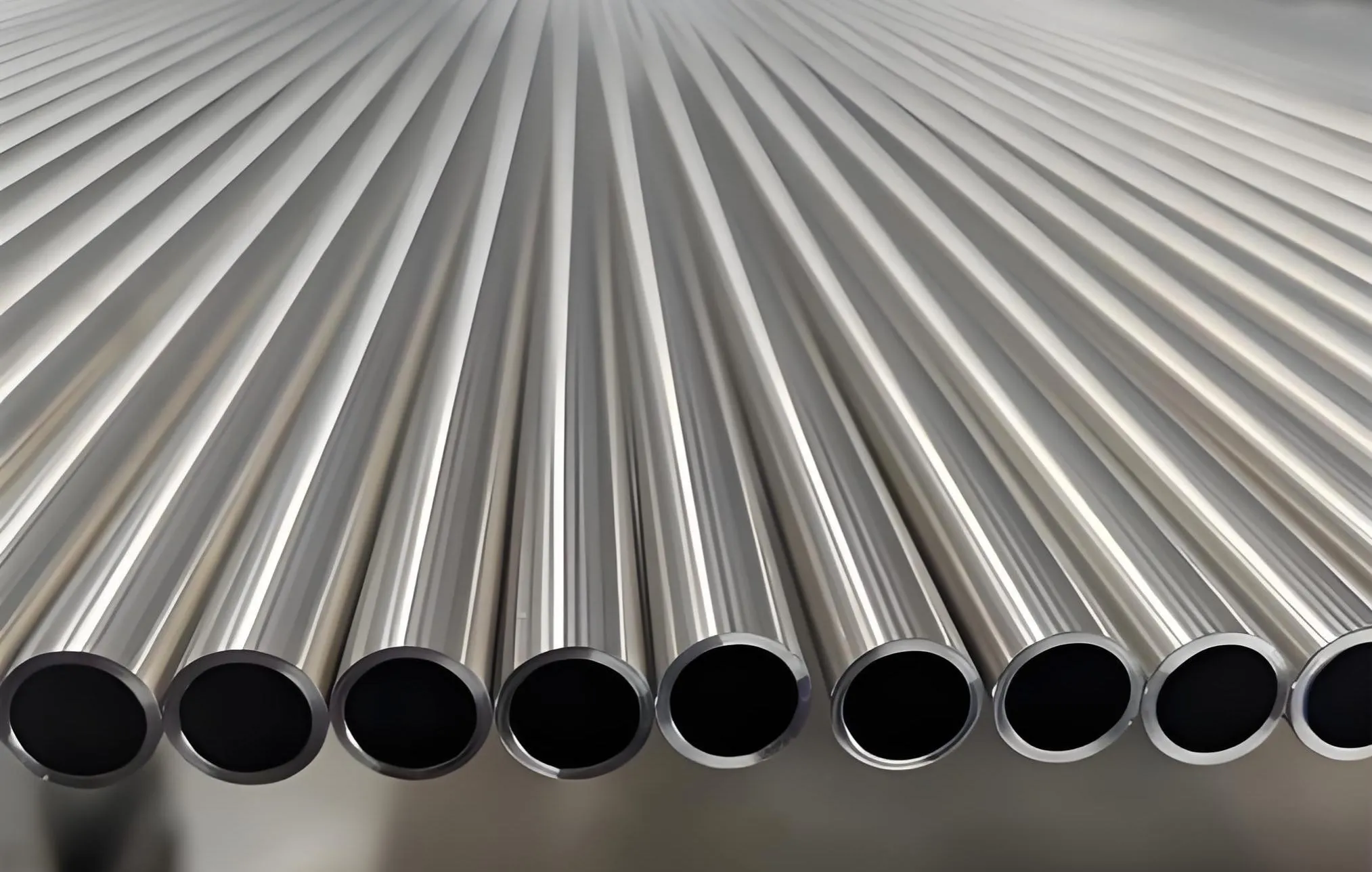
Low-fin tubes are designed to improve heat transfer efficiency while maintaining a compact design, making them ideal for applications where space and weight are limited. These tubes feature external fins with a low height, which increases the surface area for heat exchange without significantly increasing the overall size.

For a broader look at finned tube designs, see our Different Types of Finned Tubes and Their Applications. To compare with larger fin configurations, check High-Frequency Welded Finned Tubes: Advantages and Ideal Applications.


How Low-Fin Tubes Are Made

Low-fin tubes are typically manufactured by rolling fin profiles directly onto the surface of a plain tube. This creates:

  • Enhanced outer surface area for better heat transfer
  • Minimal impact on fluid-side pressure drop
  • Good mechanical strength

Key Advantages

  1. Compact Design – Ideal for space-constrained installations.
  2. High Efficiency – Increased heat transfer without large equipment footprint.
  3. Versatile Applications – Suitable for both condensation and evaporation processes.
  4. Material Flexibility – Available in copper, stainless steel, titanium, and other alloys.

Ideal Applications

  • Refrigeration Systems – Evaporators and condensers in commercial refrigeration units.
  • HVAC Chillers – Compact cooling coils in air-conditioning systems.
  • Heat Pumps – Space-saving heat exchange solutions.
  • Marine HVAC Systems – Where corrosion resistance and compactness are key.

Maintenance and Performance

To ensure long-term performance:


Conclusion

Low-fin tubes are an excellent choice for engineers who need to balance high heat transfer efficiency with limited installation space. Their compact design, durability, and versatility make them essential in modern refrigeration and HVAC systems.

DLSS offers customized low-fin tube solutions for diverse industries, with options for material, fin profile, and coating to suit specific operating conditions.

Contact us today at www.dlsspipeline.com or email info@dlsspipe.com to discuss your project requirements and get a tailored quote.

Wonderful! Share This Case:

Austenitic Stainless Steel

Duplex Stainless Steel

Nickel Alloys

▪ Incoloy Family

▪ Inconel Family

▪ Monel Family

▪ Hastelloy Family

▪ Other Special Alloys

Cobalt Alloys

Related Posts

Improving Heat Exchanger Efficiency: Practical Strategies for Performance Optimization

Improving Heat Exchanger Efficiency: Practical

Whether in power plants, chemical facilities, HVAC systems, or food processing lines, heat exchanger efficiency directly impacts energy consumption, process reliability, and operating cost. Over time, even well-designed systems can suffer from performance degradation due to fouling, improper flow, or suboptimal configurations. This article outlines practical and engineering-proven methods to improve the efficiency of shell-and-tube […]

Read More
How to Choose the Right Tubular Heat Exchanger for Your Application

How to Choose the Right

Selecting the appropriate tubular heat exchanger is a critical step for ensuring optimal thermal efficiency, mechanical integrity, and long-term operational reliability. As a widely used heat transfer device in process engineering, tubular designs—especially shell-and-tube heat exchangers—are the preferred choice for a wide variety of industrial applications. This article outlines the technical and commercial criteria for […]

Read More
Plate vs. Shell and Tube Heat Exchangers: A Complete Comparison Guide

Plate vs. Shell and Tube

Selecting the right heat exchanger is critical for ensuring operational efficiency, durability, and cost-effectiveness. Among the most commonly used designs are the plate heat exchanger (PHE) and the shell and tube heat exchanger (STHE)—each offering distinct performance advantages in specific industrial environments. This guide compares the two technologies in terms of structure, thermal performance, maintenance, […]

Read More

How to Select Heat Exchanger

Introduction Heat exchanger tubes are the most critical components in shell and tube heat exchangers. They directly determine the heat transfer efficiency, corrosion resistance, and operational reliability of the entire system. Selecting the wrong tube material can result in serious issues such as: For engineers and procurement specialists, understanding how to properly select heat exchanger […]

Read More
Corrosion Protection in Underground Piping Systems: What You Need to Know

Corrosion Protection in Underground Piping

Meta Description:Underground pipelines are out of sight—but never out of risk. Learn how coatings, cathodic protection, and smart material choices prevent corrosion and extend service life. Introduction Underground pipes may be hidden, but the damage they suffer is very real. Whether transporting water, gas, or chemicals, buried pipelines face harsh, invisible threats—especially corrosion from soil […]

Read More
Refinery Tube Selection Guide for South American Projects

Refinery Tube Selection Guide for

Meta Description:Need the right tubes for refinery heaters, boilers, or exchangers in Latin America? This guide explains how to choose the best stainless and alloy grades for performance and corrosion resistance. Introduction Refinery operations across South America—whether in Argentina’s Mendoza, Brazil’s São Paulo, or Chile’s Bío-Bío region—require tubing that can handle high temperature, pressure, and […]

Read More

15-Day Delivery of ASTM A182

DLSS recently fulfilled an urgent order for a Dubai-based equipment manufacturer, delivering five 16″ STD CL600 Weld Neck Raised Face (WNRF) flanges made from ASTM A182 F53 (UNS S32750) super duplex stainless steel. Operating in a high-chloride, highly corrosive seawater environment, the client required ASME B16.5 compliance with an exceptionally fast 15-day lead time. Project […]

Read More
Top Stainless Steel Industry Trends in 2025: Sustainability, Advanced Alloys, and Smart Manufacturing

Top Stainless Steel Industry Trends

Meta Description:Explore the top 6 stainless steel industry trends in 2025, including green steel initiatives, duplex and super duplex stainless steels, nickel alloy pipes, and intelligent tube manufacturing. 1. Sustainable Stainless Steel Production With the global push toward decarbonization, the stainless steel industry is rapidly transitioning to green steel production. In 2025: Key Keywords: green […]

Read More

Request A Quote

*We respect your confidentiality and all information are protected.