Pickling vs Bright Annealing: 4 Key Differences in Stainless Steel Tube Finishing

DLSS - Pipe&Tube - Pickling vs Bright Annealing: 4 Key Differences in Stainless Steel Tube Finishing

Introduction

Surface finishing plays a vital role in the performance, durability, and visual appeal of stainless steel heat exchanger tubes. Two of the most widely used methods are:

  • Pickling
  • Bright Annealing (BA)

Each has unique characteristics, costs, and application suitability. In this article, DLSS compares these 2 popular finishing methods in 4 key areas to help you make an informed choice.
1. Surface Appearance

Finish TypeAppearance
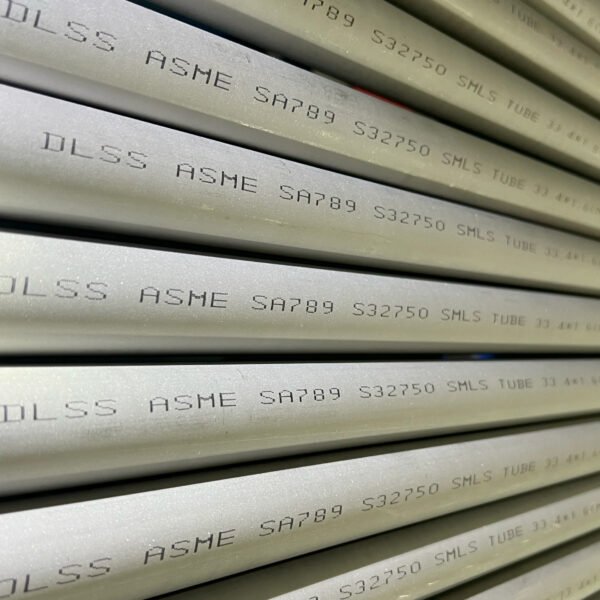
PickledDull, matte gray, slightly rough
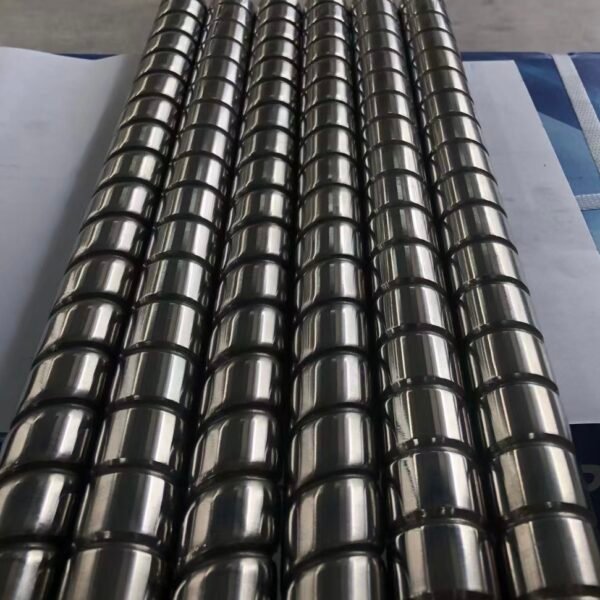
Bright AnnealedShiny, smooth, mirror-like finish

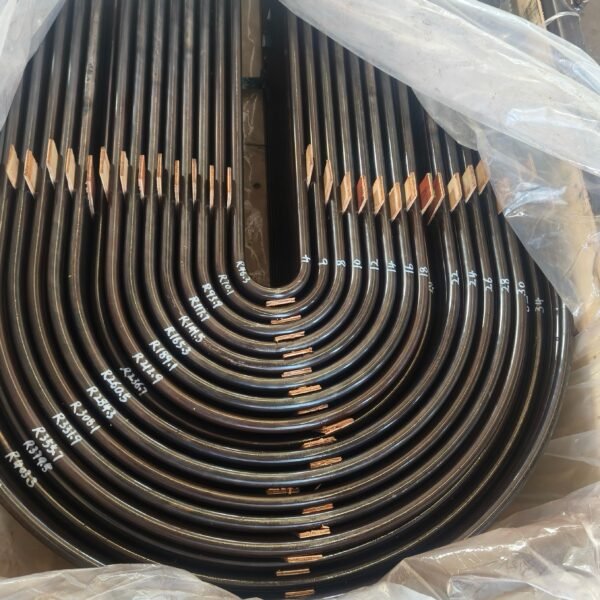
Pickling removes oxide scale and impurities using acid, leaving a clean but non-reflective finish.
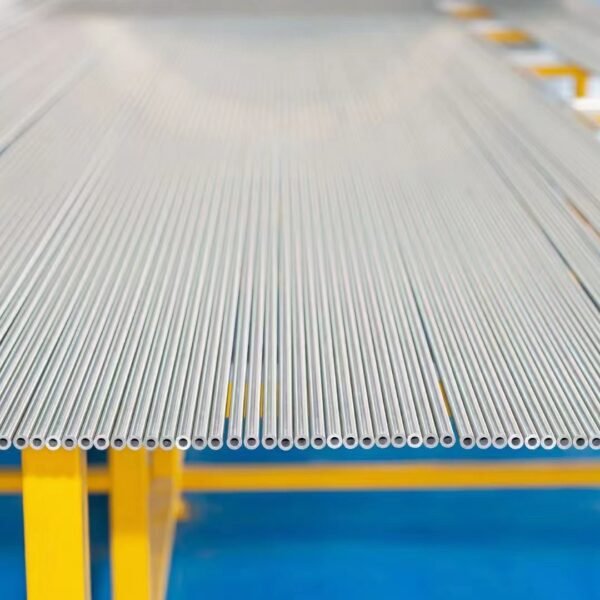
Bright Annealing is done in a controlled hydrogen/nitrogen atmosphere, preserving a bright, polished surface.

Choose BA if aesthetics or hygiene is a priority.

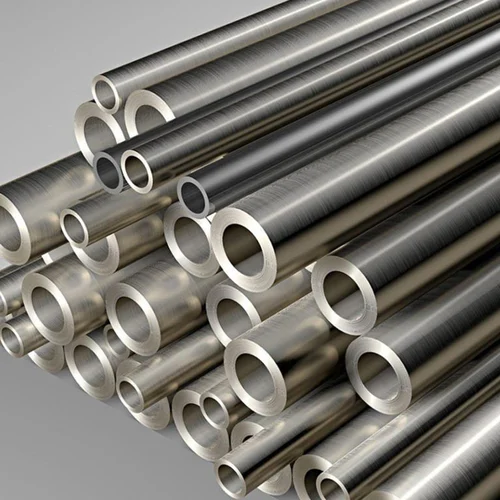
Stainless steel seamless bright tube

2. Corrosion Resistance

Both finishes restore passive chromium oxide layers, but BA surfaces are:

  • Smoother
  • Less prone to pitting
  • Easier to clean and sterilize

Bright Annealed tubes are often preferred for:

  • Food & beverage lines
  • Pharmaceutical systems
  • Ultra-pure water applications

DLSS offers low Ra (<0.2μm) BA tubes for ultra-clean environments.
3. Application Suitability

ApplicationRecommended Finish
General heat exchanger systemsPickled
Petrochemical / Boiler pipingPickled
Cleanroom / Sanitary useBright Annealed
Aesthetic tubing (visible areas)Bright Annealed

Pickled tubes are more cost-effective and suitable for most industrial systems.
Bright Annealed tubes are essential when hygiene or reflectivity is needed.
4. Cost & Production Complexity

Bright Annealing requires:

  • High-precision atmosphere control
  • Continuous annealing furnace
  • Inert gas protection (hydrogen/nitrogen)

This makes it more expensive than acid pickling, which is simpler but more aggressive to the environment and surface.

DLSS offers both processes in-house, and helps you select based on project budget and end-use.
DLSS Surface Finishing Capabilities

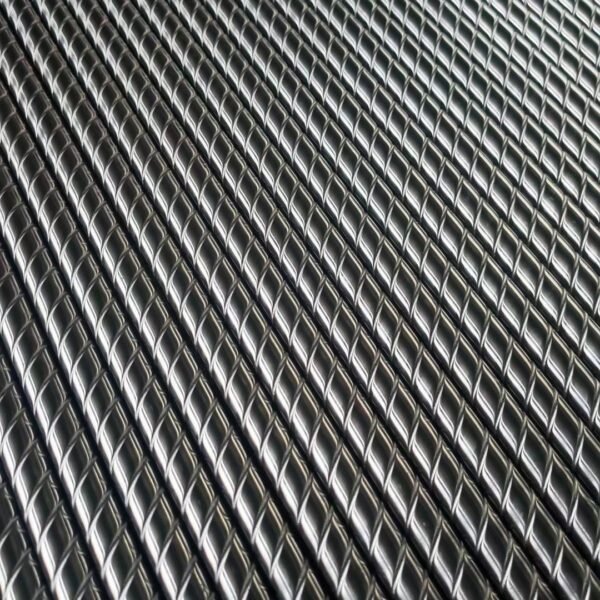
DLSS manufactures pickled and bright annealed seamless stainless tubes in compliance with:

  • ASTM A213 / A269 / A789
  • ASME SA213 / SA789
  • Customized Ra surface roughness
  • Heat treatment and NDT reports included

Clean packaging available for sanitary-grade products. Tubes sealed with caps, air-dried, and plastic-wrapped to prevent contamination.
Stainless steel seamless bright tube

Conclusion

Both pickling and bright annealing are effective stainless steel surface treatments—but they serve different purposes.
If you’re working on sanitaryaesthetic, or ultra-clean systems, choose Bright Annealed.
For industrial-gradecost-sensitive, or high-temperature systemsPickled tubes are a smart choice.

DLSS helps you decide the right finish based on your application, cost constraints, and technical requirements.

Need Stainless Steel Tubes with the Right Surface Finish?

Our engineers can recommend the ideal surface treatment for your project—and deliver high-precision results.

Email us at: info@dlsspipe.com
 Website: www.dlsspipeline.com

Wonderful! Share This Case:

Austenitic Stainless Steel

Duplex Stainless Steel

Nickel Alloys

▪ Incoloy Family

▪ Inconel Family

▪ Monel Family

▪ Hastelloy Family

▪ Other Special Alloys

Cobalt Alloys

Related Posts

ASTM B111 C44300 (O61) Admiralty Brass Seamless Tube – 19.05 × 1.65 × 6100mm

ASTM B111 C44300 (O61) Admiralty

Product Summary Material Overview – C44300 Admiralty Brass C44300, commonly referred to as Admiralty Brass, is a copper-zinc alloy with a small amount of tin. It is specifically developed for excellent corrosion resistance in seawater and brine environments, making it ideal for refinery and power station heat exchanger tubes. Element Typical Composition (%) Copper (Cu) 70.0 – 73.0 Zinc […]

Read More
Understanding Electropolished (EP) Tubes – Surface Roughness, Applications, and Manufacturing

Understanding Electropolished (EP) Tubes –

Meta Description:Explore what electropolished (EP) stainless steel tubes are, how they are manufactured, and why they are essential for ultra-clean applications such as pharmaceuticals, biotechnology, and semiconductors. Introduction In ultra-clean environments like pharmaceutical plants, biotech labs, and semiconductor fabs, the surface of a stainless steel tube must be as smooth and contamination-free as possible. This […]

Read More
Pickled vs. Bright Annealed Stainless Steel Tubes for Heat Exchangers: What Engineers Need to Know

Pickled vs. Bright Annealed Stainless

The performance and durability of a heat exchanger depend not only on material selection, but also on surface finish quality. Among stainless steel tubes, two of the most common finishing processes are pickling (AP) and bright annealing (BA). Understanding the difference between these two can help engineers and procurement teams select the right tube for […]

Read More
Electropolished Tubing: When and Why to Use It

Electropolished Tubing: When and Why

Meta Description:Electropolished (EP) tubing offers ultra-clean surfaces for critical applications. Learn what it is, why it matters, and where EP tubes are essential—from pharma to semiconductors. Introduction In industries where surface purity, cleanliness, and corrosion resistance are paramount, electropolished (EP) tubing is no longer optional—it’s a necessity. Whether you’re building pharmaceutical cleanrooms, semiconductor cooling loops, […]

Read More
Top 10 Materials Used in Industrial Pipeline Engineering

Top 10 Materials Used in

Meta Description:Explore the 10 most common materials used in pipeline engineering, from stainless steel and carbon steel to exotic alloys. Understand their pros, cons, and applications across industries. Introduction Choosing the right material is one of the most critical decisions in pipeline engineering. The material affects not only the strength, corrosion resistance, and temperature tolerance […]

Read More
Understanding ASTM A213 – Seamless Tubes for Heat Exchangers and Boilers

How to Choose Stainless Steel

Meta Description:Not all stainless steel pipes are suitable for heat exchangers. Learn how to select the right grade, surface finish, and compliance standard for maximum thermal efficiency and corrosion resistance. Introduction Heat exchangers are the heart of many industrial systems—refineries, petrochemicals, power plants, and HVAC units. And at the core of any heat exchanger is […]

Read More
Stainless Steel Tube Selection for LNG and Cryogenic Applications (2025 Guide)

Stainless Steel Tube Selection for

Why Cryogenic Environments Demand Specialized Tubing Cryogenic systems, such as LNG pipelines, vaporizers, and storage tanks, operate at extremely low temperatures — sometimes below –196°C. In such harsh conditions, stainless steel tubes must retain excellent mechanical strength, ductility, and impact toughness. Incorrect tubing materials in LNG systems can lead to brittle fracture, thermal fatigue, or […]

Read More
Selecting Stainless Steel Tubes for Food, Beverage & Sanitary Applications (2025 Guide)

Selecting Stainless Steel Tubes for

Why Sanitary Tubing Matters in Food and Beverage Systems In the food and beverage industry, stainless steel tubing is not just about mechanical performance—it’s about hygiene, cleanliness, and compliance. Tubes are used to transport milk, beer, juice, water, or cleaning agents in systems that demand zero contamination, excellent cleanability, and corrosion resistance. Improper material selection […]

Read More

Request A Quote

*We respect your confidentiality and all information are protected.