How to Choose High-Quality Stainless Steel tubes for Heat Exchanger Applications

DLSS - Pipe&Tube - How to Choose High-Quality Stainless Steel tubes for Heat Exchanger Applications

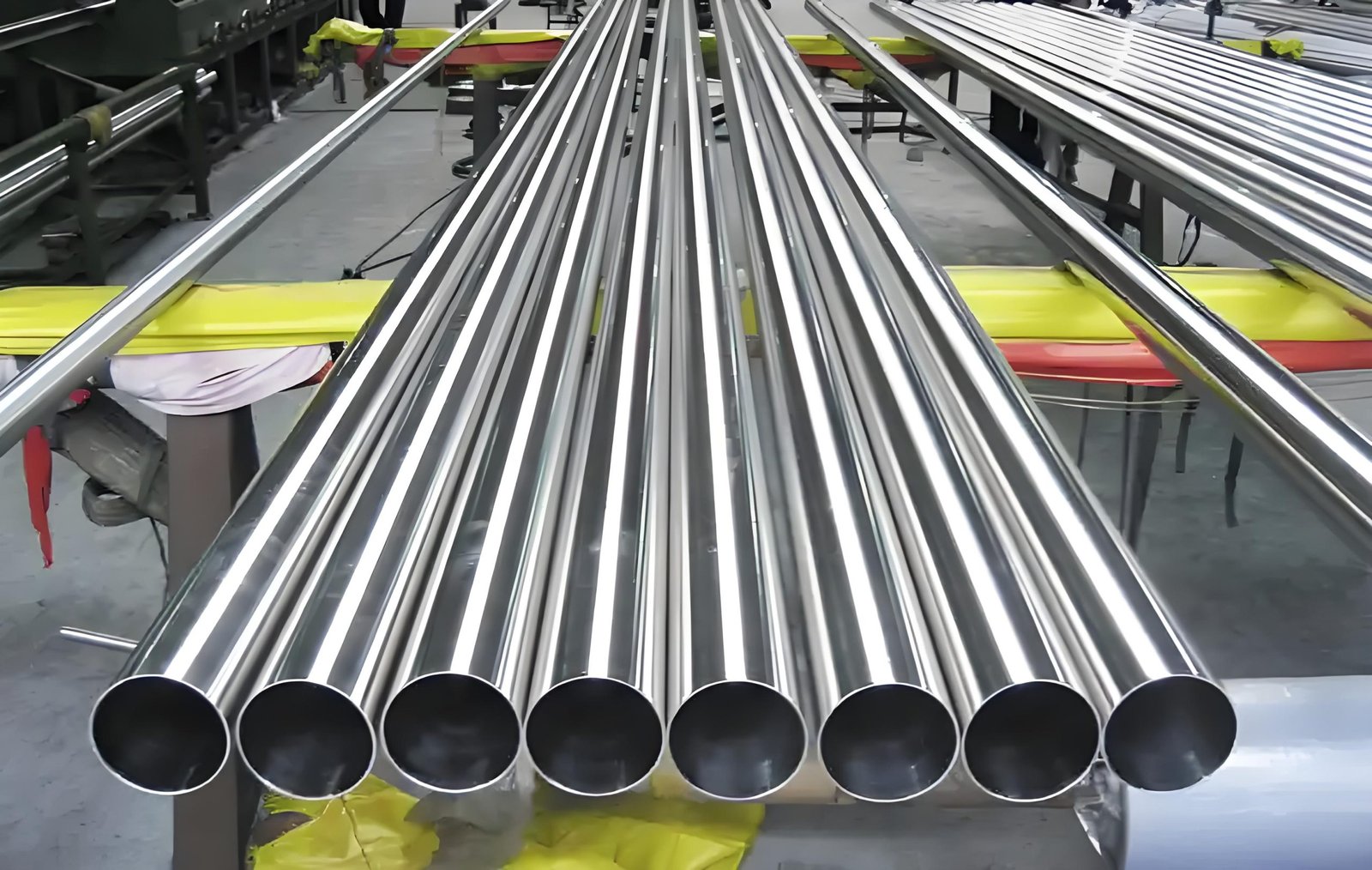
Stainless steel tubes are commonly used in heat exchanger systems because they are corrosion-resistant and have a long lifespan. However, how do you choose the right stainless steel tube? This article will help you understand the key factors to consider when selecting stainless steel tubes.

1、Material Grade

Stainless steel tubes are commonly used in heat exchanger systems because they are corrosion-resistant and have a long lifespan. However, how do you choose the right stainless steel tube? This article will help you understand the key factors to consider when selecting stainless steel tubes.

2、Corrosion Resistance

If the tubes will be exposed to corrosive environments like seawater or brine for extended periods, it is crucial to choose materials with strong corrosion resistance.

3、Temperature and Pressure:

Heat exchanger tubes need to withstand high temperatures and pressures. When selecting tubes, consider the system’s temperature and pressure requirements.

4、Pipe Diameter and Thickness

The tube size affects heat exchange efficiency. Tubes that are too small or too large are not ideal. Choosing the right size ensures smooth system operation.

Conclusion

Choosing the right stainless steel tube is crucial for ensuring the efficient operation of a heat exchanger. Considering factors such as material, corrosion resistance, temperature, pressure, and tube size can help ensure your equipment operates steadily over the long term.


Wonderful! Share This Case:

Austenitic Stainless Steel

Duplex Stainless Steel

Nickel Alloys

▪ Incoloy Family

▪ Inconel Family

▪ Monel Family

▪ Hastelloy Family

▪ Other Special Alloys

Cobalt Alloys

Related Posts

Applications of Nickel Alloy Pipes in LNG and Refinery Projects

Applications of Nickel Alloy Pipes

1. Introduction Liquefied Natural Gas (LNG) terminals and oil refineries operate under some of the most challenging conditions in the energy sector. Piping systems in these facilities are constantly exposed to high pressure, fluctuating temperatures, and corrosive media such as hydrogen sulfide, chlorides, and acids. Nickel alloy pipes, including Inconel 625 (ASTM B444) and Incoloy […]

Read More
Common Condenser Coil Problems and How to Prevent Them (Ultimate HVAC Maintenance Guide)

Common Condenser Coil Problems and

What Is a Condenser Coil in an Air Conditioner? The condenser coil is the heart of your outdoor HVAC system. It’s responsible for releasing the heat collected indoors by your refrigerant. When the coil fails—due to dirt, leaks, or damage—your air conditioner stops cooling, your energy bills rise, and long-term system damage becomes inevitable. Keyword Targets: condenser coil, HVAC system, air conditioner […]

Read More
Rare Alloy Tubes: 5 Uncommon but Powerful Metals Used in High-Performance Piping

Rare Alloy Tubes: 5 Uncommon

Meta Description:Explore rare and exotic alloy tubes like Incoloy 825, 254 SMO, Monel 400, and more. These metals offer unmatched corrosion and temperature resistance for specialized industries. Introduction While 304 and 316 stainless steels dominate industrial applications, many extreme environments require specialty or rare metal alloys for superior corrosion resistance, strength, or temperature tolerance. This […]

Read More
Understanding Duplex and Super Duplex Stainless Steel Tubes – Grades, Benefits, Applications

Understanding Duplex and Super Duplex

Meta Description:Explore the differences between duplex and super duplex stainless steel tubes. Learn about their chemical composition, corrosion resistance, mechanical strength, and best-use applications in harsh environments. Introduction When stainless steel isn’t enough for aggressive environments—duplex and super duplex stainless steels step in. These high-performance materials combine the advantages of both austenitic and ferritic structures, […]

Read More
How to Choose Between Seamless and Welded Stainless Steel Tubes

How to Choose Between Seamless

Meta Description:Learn the differences between seamless and welded stainless steel tubes, including performance, cost, applications, and when to choose each for your project. Introduction When specifying stainless steel tubing, one of the first decisions to make is:Should you choose seamless or welded? This choice affects not only performance and reliability but also cost, availability, and […]

Read More
ASTM A270 vs ASME BPE: Understanding the Difference in Sanitary Tubing Standards

ASTM A270 vs ASME BPE:

Meta Description:Confused between ASTM A270 and ASME BPE sanitary tube standards? Learn the key differences in tolerance, surface finish, and certification, especially for food, beverage, and pharmaceutical applications. Introduction When sourcing sanitary stainless steel tubes for use in food, beverage, or pharmaceutical industries in Latin America, two standards dominate global procurement: At first glance, both […]

Read More
How to Choose the Right Tubular Heat Exchanger for Your Application

How to Choose the Right

Selecting the appropriate tubular heat exchanger is a critical step for ensuring optimal thermal efficiency, mechanical integrity, and long-term operational reliability. As a widely used heat transfer device in process engineering, tubular designs—especially shell-and-tube heat exchangers—are the preferred choice for a wide variety of industrial applications. This article outlines the technical and commercial criteria for […]

Read More

Seamless vs Welded Stainless Steel

Meta Description:Seamless or welded pipe? Learn the structural, performance, and cost differences, and discover which option is better for your industrial application. Introduction One of the most common engineering decisions in piping systems is: “Should we use seamless or welded stainless steel pipes?” While both types comply with international standards, they differ significantly in: This […]

Read More

Request A Quote

*We respect your confidentiality and all information are protected.