



Titanium Heat Exchanger Tubes for Seawater and Corrosive Service

ASTM B338 and ASME SB338 titanium tubes for condensers, coolers and shell-and-tube heat exchangers. DLSS supplies Grade 1, Grade 2, Grade 7 and Grade 12 titanium tubes with specification review, material traceability, testing and third-party inspection support.

DLSS - Product - Titanium Heat Exchanger Tubes

Titanium Tubes Built for Difficult Cooling Media

Seawater, chlorinated water and aggressive process fluids can cause early corrosion failure in common tube materials.

Titanium forms a stable protective oxide film and provides strong resistance to seawater, chlorides, salt brines and many oxidizing environments.

It is widely selected for condensers, seawater coolers, desalination systems and industrial heat exchangers where corrosion control and long service life are important.

• Seamless and Welded Tube Options
• Straight and U-Bent Tubes
• EN 10204 3.1 and 3.2 Support
• ET, UT and Pressure Testing as Required

Titanium Heat Exchanger Tube Specifications

ASTM B338 is the main product standard for seamless and welded titanium tubes used in surface condensers, evaporators and heat exchangers. Testing requirements depend on the manufacturing route, grade and purchase specification. DLSS reviews the required tests before production to avoid documentation or inspection problems later.

Item Available Supply
Product Straight heat exchanger tubes, condenser tubes and U-bent tubes
Standards ASTM B338 / ASME SB338
Common Grades Grade 1, Grade 2, Grade 7 and Grade 12
Other Grades Available according to project specifications
Manufacturing Route Seamless or welded and cold-worked
Outside Diameter According to tube sheet, drawing or purchase specification
Wall Thickness According to project design
Length Fixed length, cut length or long length
U-Bending Bend radius, straight-leg length and heat treatment according to drawing
Surface Annealed, pickled or project-specified clean surface
Documentation EN 10204 3.1; EN 10204 3.2 and TPI support on request
Packaging Protected tube ends and seaworthy wooden cases

Straight, Welded and U-Bent Titanium Tubes

Titanium is not suitable for every process medium. Strong reducing acids, fluoride-containing solutions, pure oxygen and anhydrous chlorine require careful material review. Please provide the operating temperature, pressure, fluid composition, chloride level and pH when requesting material-selection support.

Seamless Titanium Tubes

Seamless tubes are produced by cold working from hollow material and are selected for projects requiring consistent dimensions, clean surfaces and strict mechanical properties.

Welded and Cold-Worked Titanium Tubes

Welded tubes are produced from flat-rolled titanium material. According to ASTM B338, the welded area is cold worked and heat treated to obtain the required tube structure and properties.

Titanium U-Bent Tubes

U-bent titanium tubes can be supplied according to the exchanger drawing or tube sheet.

Please provide the outside diameter, wall thickness, developed length, bend radius, straight-leg length, pitch and required bend-area heat treatment.

Which Titanium Grade Should You Select?

Titanium is not suitable for every process medium. Strong reducing acids, fluoride-containing solutions, pure oxygen and anhydrous chlorine require careful material review. Please provide the operating temperature, pressure, fluid composition, chloride level and pH when requesting material-selection support.

Grade Main Characteristics Typical Selection
Titanium Grade 1 High ductility and good forming performance Condensers and applications requiring easier forming
Titanium Grade 2 Balanced strength, formability and corrosion resistance Seawater coolers, condensers, desalination and chloride service
Titanium Grade 7 Palladium-alloyed commercially pure titanium More demanding chemical, crevice-corrosion and reducing-acid conditions
Titanium Grade 12 Higher strength than Grade 2 with improved hot-brine crevice resistance Chemical processing, hot brines and elevated-temperature service

Inspection Before Your Tubes Are Shipped

A titanium tube order should not be checked only by grade and dimensions. DLSS reviews the complete purchase specification, including manufacturing method, tube tolerances, testing requirements, certification and inspection points.

1. Specification and drawing review before production

2. Raw material heat and batch traceability

3. Outside diameter, wall thickness and length inspection

4. Visual and surface condition inspection

5. Mechanical and corrosion-related tests as specified

6. ET, UT, hydrostatic or pneumatic testing as applicable

7. Third-party inspection support when required

8. Pre-shipment photographs, reports and packing verification

Available documentation may include:

• Material Test Certificate    • Chemical Composition Report    • Mechanical Test Report    • Nondestructive Testing Report    • Hydrostatic or Pneumatic Test Report    • Dimensional Inspection Report    • Heat Treatment Record    • EN 10204 3.1 Certificate    • EN 10204 3.2 Certificate    • Third-Party Inspection Release Note

Frequently Asked Questions

What is the main standard for titanium heat exchanger tubes?

ASTM B338 and ASME SB338 are the main specifications for seamless and welded titanium tubes used in condensers, evaporators and heat exchangers.

What is the difference between ASTM B338 and ASTM B861?

ASTM B338 covers titanium tubes for condensers and heat exchangers. ASTM B861 covers seamless titanium pipe for general corrosion-resistant and elevated-temperature service.

For a shell-and-tube heat exchanger project, ASTM B338 is normally the relevant tube standard unless the project specification states otherwise.

What is the difference between Titanium Grade 2 and Grade 7?

Grade 2 is a commercially pure titanium grade widely used for seawater and chloride cooling.

Grade 7 contains palladium and is normally selected when stronger resistance to crevice corrosion or reducing chemical environments is required.

Can DLSS supply titanium U-bent tubes?

Yes. U-bent tubes can be supplied according to the tube sheet and bending drawing. The bend radius, developed length, straight-leg length and required bend-area heat treatment must be confirmed before production.

Related Technical Articles

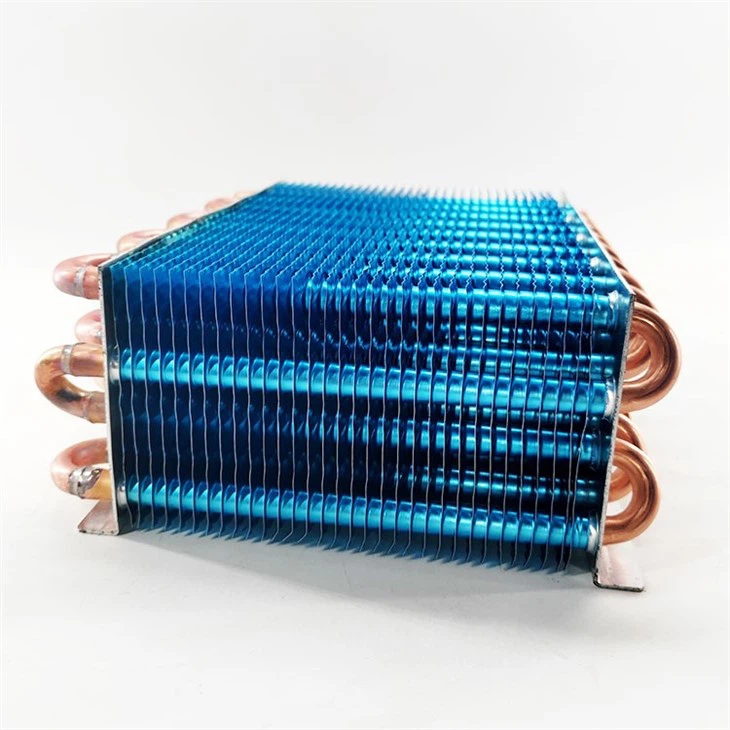
Common Condenser Coil Problems

1. Why Your Condenser Coil Matters for AC Performance The condenser coil is the component in your outdoor air conditioning unit that releases indoor heat to the environment. When clogged or damaged, your AC system can’t cool effectively, leading to high energy bills, system strain, and premature breakdown. 2. Top 5 Common Condenser Coil Problems 3. Warning Signs […]

Read More
Low Finned Tubes in Duplex Steel for High-Efficiency Heat Exchangers

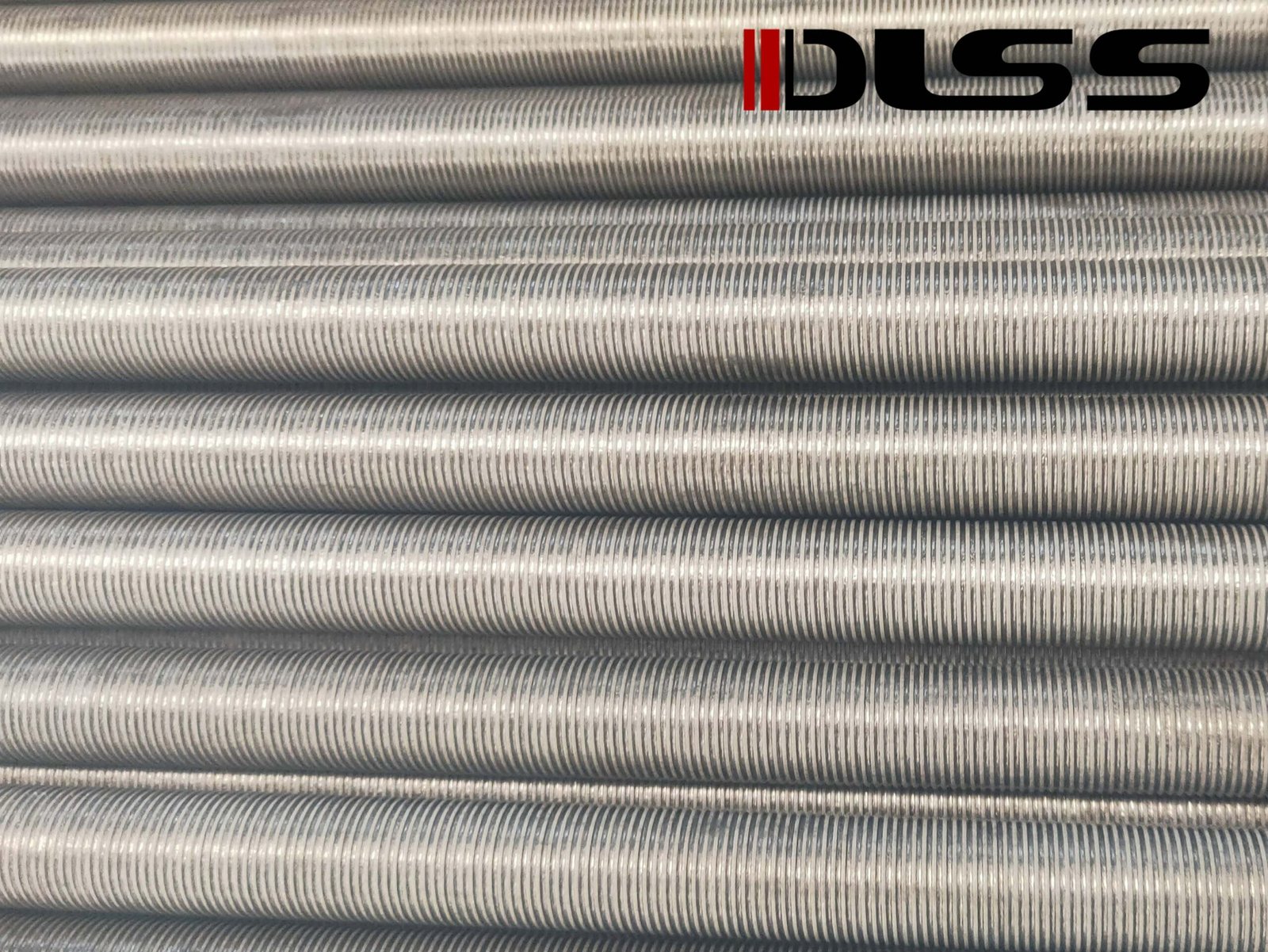
Low Finned Tubes in

Introduction Heat exchangers play a critical role in maximizing thermal performance across industries such as geothermal energy, petrochemical, and power generation. Among the different tube designs, low finned tubes stand out as a proven solution to increase the surface area and improve heat transfer efficiency without requiring more installation space. Recently, a customer presented us […]

Read More
Top 10 Applications of Stainless Steel Tubes in the Oil & Gas Industry

Top 10 Applications of

Introduction The oil and gas industry operates under extreme conditions—high pressure, corrosive environments, and fluctuating temperatures. To ensure safety and durability, stainless steel tubes are essential components across upstream, midstream, and downstream operations. This article highlights the 10 most common applications of stainless steel tubes in the oil & gas sector and explains how DLSS […]

Read More
Understanding Pickling and Passivation in Stainless Steel Tube Production

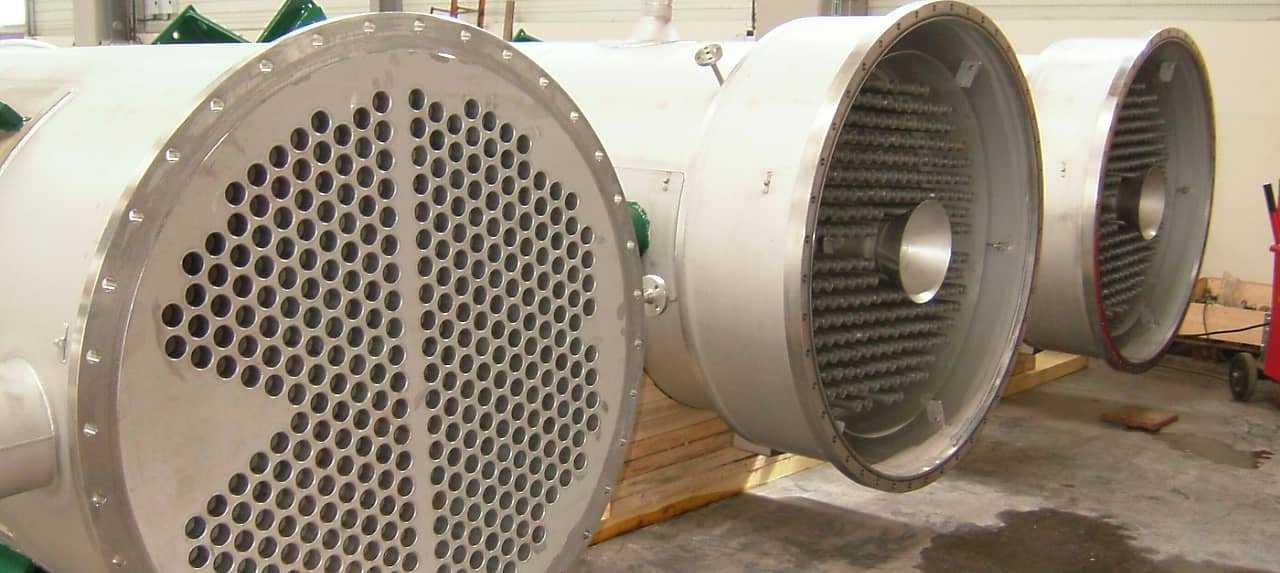
Understanding Pickling and Passivation

Introduction Even the highest-grade stainless steel can suffer from surface contamination during tube forming, welding, or heat treatment. To restore the full corrosion resistance of stainless steel tubes, manufacturers must apply pickling and passivation processes—two chemical surface treatments essential to durability and cleanliness. At DLSS, we apply both treatments as part of our tube finishing […]

Read More

Send Us Your Titanium Tube Specification

Request A Quote

*We respect your confidentiality and all information are protected.