Top 10 Applications of Stainless Steel Tubes in the Oil & Gas Industry

DLSS - Tubes For Heat Exchanger - Top 10 Applications of Stainless Steel Tubes in the Oil & Gas Industry

Meta Description:
Explore the top 10 critical applications of stainless steel tubes in the oil & gas industry. Learn how DLSS tubes perform under high pressure, corrosion, and extreme conditions.


Introduction

The oil and gas industry operates under extreme conditions—high pressure, corrosive environments, and fluctuating temperatures. To ensure safety and durability, stainless steel tubes are essential components across upstream, midstream, and downstream operations.

This article highlights the 10 most common applications of stainless steel tubes in the oil & gas sector and explains how DLSS delivers tubing that meets international standards and harsh service requirements.


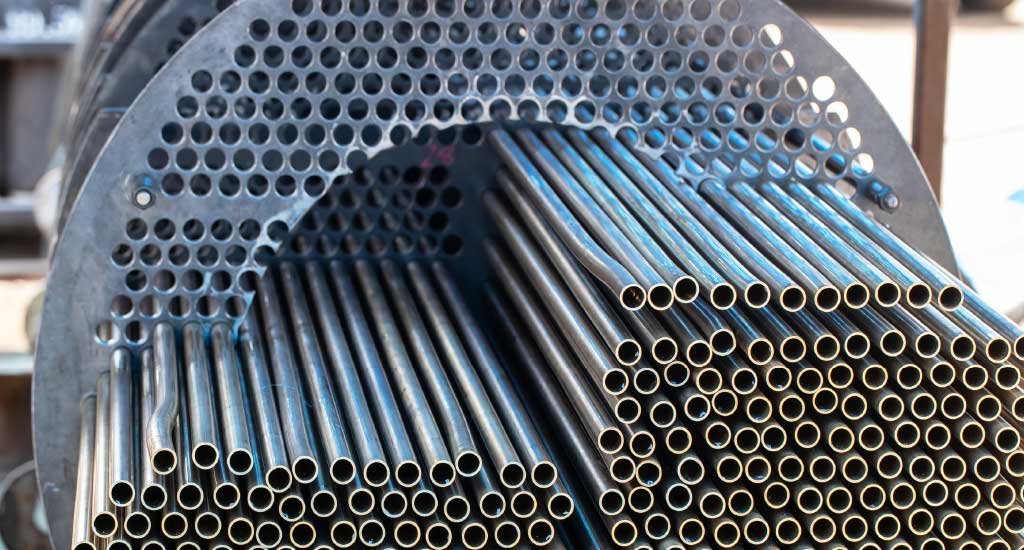
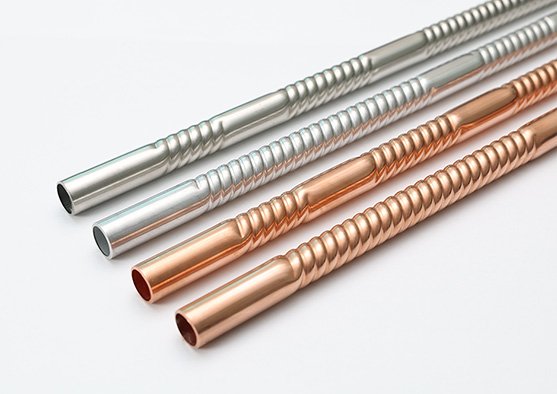
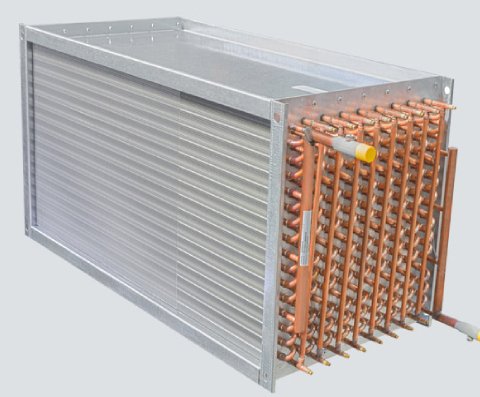
1. Heat Exchanger Tubes

  • Use: Cooling and condensing hydrocarbons, steam recovery
  • Requirements: High thermal conductivity, corrosion resistance, dimensional accuracy
  • Recommended Grades: TP316L, TP321, TP347H, Duplex 2205
  • Standard: ASTM A213, EN 10216-5 TC2

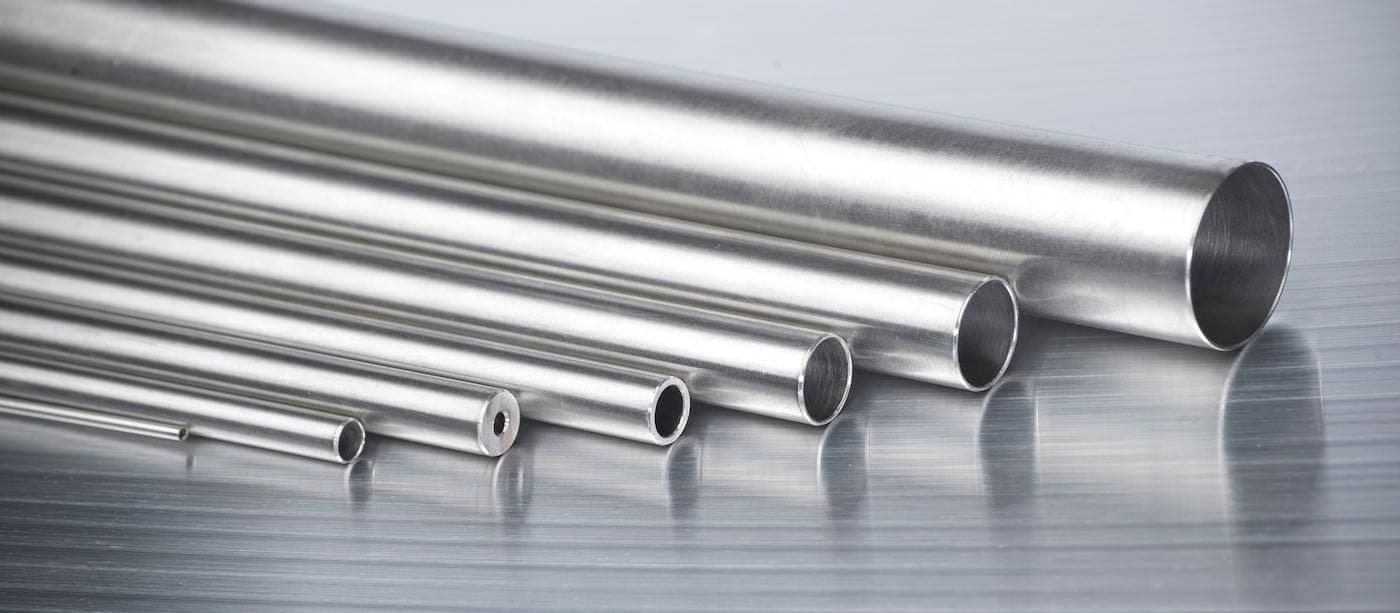
2. Instrumentation & Control Tubing

  • Use: Signal transmission for pressure, temperature, and flow devices
  • Requirements: Clean internal surfaces, consistent wall thickness, tight tolerances
  • Recommended Grades: TP316/316L, 904L, Incoloy 825
  • Standard: ASTM A269, EN 10305-1

3. Downhole Chemical Injection Lines

  • Use: Delivering corrosion inhibitors or scale reducers into the wellbore
  • Requirements: Extreme corrosion resistance, sour service compliance (H₂S)
  • Recommended Grades: Alloy 625, 825, Super Duplex S32750
  • Standard: NACE MR0175 / ISO 15156

4. Hydraulic Control Lines (Umbilicals)

  • Use: Control subsea equipment such as BOPs and valves
  • Requirements: Pressure integrity, seawater resistance
  • Recommended Grades: TP316L BA/EP, Incoloy 825
  • Packaging: Encapsulated coil tubing, seamless

5. Flowline & Pipeline Weld Overlay Tubes

  • Use: Internal corrosion protection in carbon steel pipelines
  • Requirements: Metallurgical bonding, chemical compatibility
  • Material Examples: Alloy 625 cladding, 316L liners
  • Method: CRA weld overlay or clad pipe solutions

6. Gas Lift Systems

  • Use: Enhancing oil extraction by injecting gas downhole
  • Requirements: High pressure tolerance, scaling and corrosion resistance
  • Recommended Grades: TP316L, Duplex 2205, Incoloy 825
  • Certification: 3.2 by TÜV, SGS or BV for critical projects

7. Boiler & Furnace Tubes (Downstream)

  • Use: Steam production and process heating in refineries
  • Requirements: Oxidation resistance at high temperatures
  • Recommended Grades: TP347H, TP310S, Incoloy 800H
  • Standard: ASTM A213, ASME SA213

8. Desalination & Produced Water Treatment Units

  • Use: Treating seawater or formation water for reuse or disposal
  • Requirements: Chloride pitting resistance, stress cracking resistance
  • Recommended Grades: Duplex 2205, 2507, Alloy 254SMO
  • Finish: Bright Annealed or Electropolished

9. Flare & Vent Gas Recovery Systems

  • Use: Safely transporting flammable gas emissions
  • Requirements: Fire resistance, corrosion resistance
  • Recommended Grades: TP304H, TP321, Alloy 600
  • Testing: Hydro, PMI, UT per project spec

10. Refinery Reactors & High-Pressure Systems

  • Use: Catalytic cracking, hydrogen production, and other processes
  • Requirements: High yield strength, thermal stability
  • Recommended Grades: Incoloy 800H, 825, Alloy 625
  • Inspection: MTC + third-party 3.2 certification

Why DLSS Stainless Steel Tubes Are Ideal for Oil & Gas

  • ✔️ Full compliance with ASTM, EN, NACE, API standards
  • ✔️ Available in BA, EP, pickled, and polished finishes
  • ✔️ Hardness control (≤ 22 HRC for NACE)
  • ✔️ Full documentation: EN 10204 3.1 / 3.2, PMI, UT, hydro
  • ✔️ Strong experience with projects in Middle East, Turkey, Malaysia, Iran

Learn more from:
NACE MR0175 / ISO 15156
API – American Petroleum Institute


FAQs

Q1: Can DLSS tubes be used in offshore oil platforms?
Yes. DLSS supplies NACE-compliant, third-party certified tubing for offshore applications globally.

Q2: What is the max length for coiled umbilical tubes?
We can supply level wound coil (LWC) up to 1,500 meters in single coil depending on OD and material.

Q3: Can DLSS assist with tube material selection for sour service?
Yes. Our team evaluates project specs and recommends optimal alloy grades to resist SSC, HIC, and pitting.


Conclusion

The oil & gas industry demands tubing that withstands pressure, corrosion, and time. DLSS delivers reliable, certified, and custom-fabricated stainless steel tubes that serve every part of the oilfield—from seabed to refinery.


Contact DLSS
Email: info@dlsspipe.com
Website: www.dlsspipeline.com

Need stainless steel or alloy tubes for your oilfield project? DLSS offers custom solutions, fast turnaround, and international quality assurance.

Wonderful! Share This Case:

Austenitic Stainless Steel

Duplex Stainless Steel

Nickel Alloys

▪ Incoloy Family

▪ Inconel Family

▪ Monel Family

▪ Hastelloy Family

▪ Other Special Alloys

Cobalt Alloys

Related Posts

Understanding Duplex Stainless Steel Tubes – Grades, Benefits, and Applications

Understanding Duplex Stainless Steel Tubes

Meta Description:Explore the advantages of duplex stainless steel tubes. Learn about key grades like 2205 and 2507, their properties, and why they are preferred in harsh industrial environments. Introduction Duplex stainless steel tubes are rapidly becoming the preferred solution for demanding industries such as oil & gas, marine, chemical processing, and desalination. With their dual-phase […]

Read More
Top 5 Questions Buyers Ask About Duplex Stainless Steel Tubes

Top 5 Questions Buyers Ask

Meta Description:Explore the top five questions procurement teams and engineers ask when sourcing duplex stainless steel tubes, including corrosion resistance, welding, standards, and pricing. Introduction Duplex stainless steel tubes are widely used in offshore platforms, chemical processing, desalination plants, and heat exchanger systems, thanks to their excellent combination of mechanical strength and corrosion resistance. However, […]

Read More
Material Selection for Seawater-Cooled Heat Exchangers: What Engineers Must Consider

Heat Exchanger Tube Demand to

The global heat exchanger market is heating up—literally and economically. With rising demand for energy efficiency, industrial process optimization, and sustainable thermal management, stainless steel heat exchanger tubes are becoming a critical infrastructure material across multiple industries. Recent industry research forecasts a compound annual growth rate (CAGR) of 9.5% through 2032 for the heat exchanger […]

Read More
Energy-Saving Tips for Industrial Heat Exchangers

Energy-Saving Tips for Industrial Heat

1. Introduction – Energy Savings in Heat Exchangers Industrial facilities often spend a significant portion of their energy budget on heating and cooling processes. Optimizing heat exchanger performance not only lowers energy consumption but also extends equipment life and reduces maintenance costs. This guide shares proven strategies to maximize energy efficiency in shell and tube […]

Read More
Integrated Stainless Steel Piping Solutions for Industrial Projects

Integrated Stainless Steel Piping Solutions

Meta Description:For EPC contractors and system integrators, DLSS offers a one-stop stainless steel piping package: pipes, flanges, fittings, inspection, and global delivery. Introduction In large-scale industrial projects—such as oil refineries, power plants, food processing lines, and chemical facilities—procurement teams often face a key challenge: how to consolidate material supply while ensuring technical compliance and on-time […]

Read More
Why Duplex Stainless Steel Tubes Are Ideal for South America's Offshore Oil & Gas Projects

Why Duplex Stainless Steel Tubes

Meta Description:Explore how duplex stainless steel tubes meet the demands of South America’s offshore energy sector. Learn about corrosion resistance, mechanical strength, and NACE compliance in deep-sea environments. Introduction From Brazil’s pre-salt fields to Colombia’s coastal gas terminals, offshore exploration in South America is pushing engineering materials to the limit. The tubes used in these […]

Read More
How to Interpret a Stainless Steel Mill Test Certificate (MTC)

How to Interpret a Stainless

When importing stainless steel pipes and tubes, one of the most important documents is the Mill Test Certificate (MTC). This document provides traceability and guarantees that the materials meet international standards. However, many buyers are not fully familiar with how to read and interpret an MTC correctly. In this article, we provide a detailed guide […]

Read More

TP304 vs TP316L: A Comprehensive

Introduction TP304 and TP316L are the two most widely used austenitic stainless steel grades in industrial piping, particularly in heat exchangers, boiler systems, and chemical plants. While both belong to the same stainless steel family, they differ in corrosion resistance, mechanical properties, and application suitability. In this article, we compare TP304 and TP316L across 5 key aspects to help engineers, procurement teams, and project […]

Read More

Request A Quote

*We respect your confidentiality and all information are protected.