Common Condenser Coil Problems & How to Avoid Them: The Ultimate HVAC Guide

DLSS - Pipe&Tube - Common Condenser Coil Problems & How to Avoid Them: The Ultimate HVAC Guide

1. Why Your Condenser Coil Matters for AC Performance

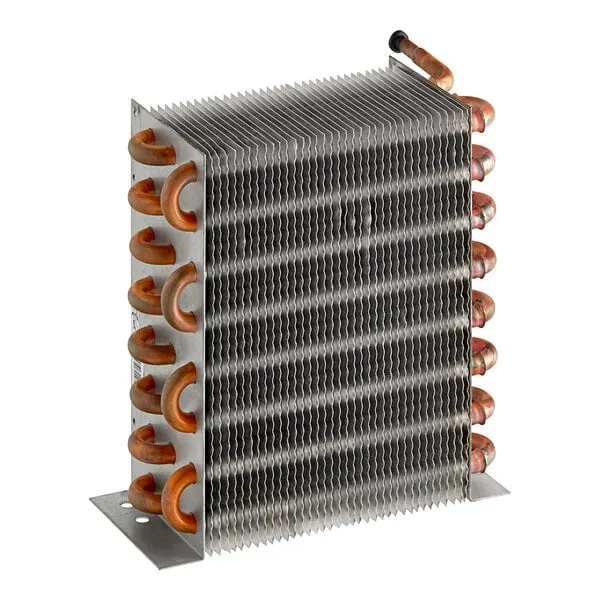
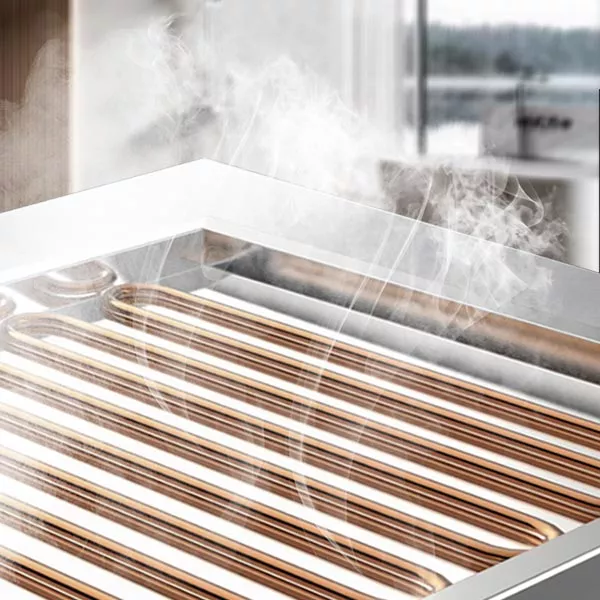
The condenser coil is the component in your outdoor air conditioning unit that releases indoor heat to the environment. When clogged or damaged, your AC system can’t cool effectively, leading to high energy bills, system strain, and premature breakdown.
2. Top 5 Common Condenser Coil Problems

  • Dirty Condenser Coil
    dirty coil insulates the refrigerant lines, preventing efficient heat transfer. Dust, pollen, leaves, and other debris block airflow and increase compressor load.
  • Bent or Damaged Fins
    Coil fins are delicate and can easily bend during pressure washing or due to outdoor impact. Bent fins restrict airflow and reduce performance.
  • Refrigerant Leak
    refrigerant leak can result from corrosion or vibration. Low refrigerant levels cause poor cooling and frozen coils.
  • Corrosion or Rust
    Environmental exposure can corrode the aluminum or copper tubing. Corrosion reduces structural strength and can lead to leaks.
  • Blocked Airflow
    Obstructions like plants, fences, or walls too close to the unit block ventilation. This causes overheating and impacts condenser performance.
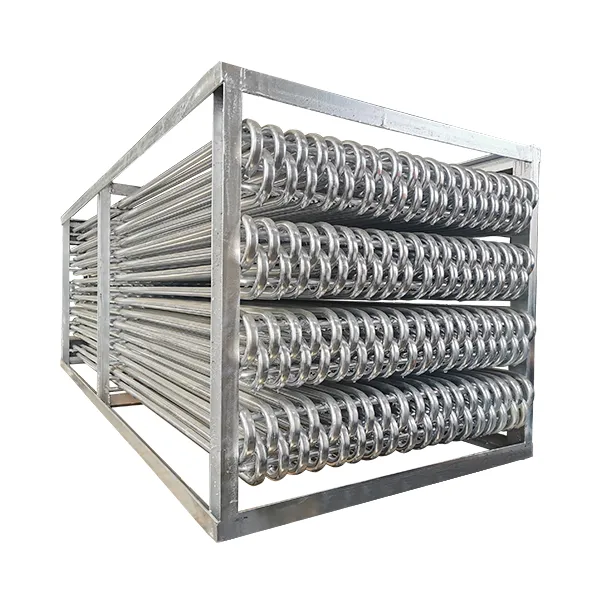
Common Condenser Coil Problems and How to Prevent Them (Ultimate HVAC Maintenance Guide)

3. Warning Signs of Condenser Coil Failure

  • AC not cooling properly
  • Outdoor unit hot to touch
  • Frequent cycling on/off
  • Ice buildup or water leakage
  • Sharp increase in power consumption
  • Unusual noises

More details in this guide.
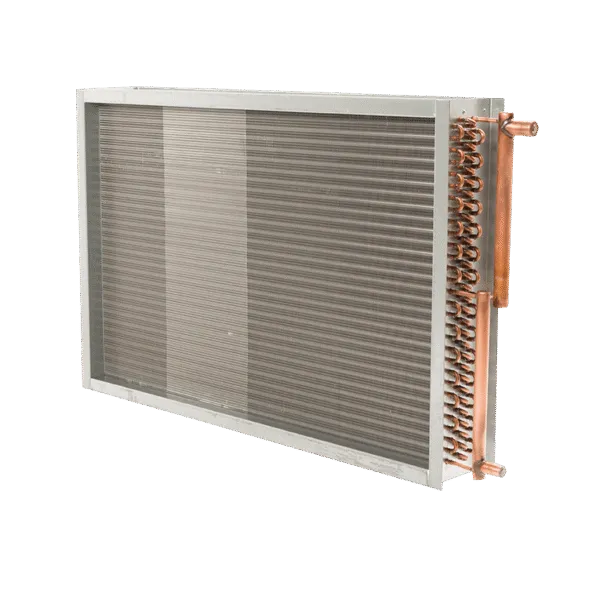
Common Condenser Coil Problems and How to Prevent Them (Ultimate HVAC Maintenance Guide)

4. How to Clean and Maintain Your Condenser Coil

DIY Tips:

  • Switch off power
  • Clear away leaves and visible dirt
  • Use a hose (low pressure) to clean the fins
  • Use a fin comb to fix bent fins
  • Maintain at least 2–3 feet clearance around the unit

Professional Maintenance Includes:

  • Coil cleaning with safe chemicals
  • System pressure testing
  • Refrigerant top-up
  • Full HVAC inspection
Common Condenser Coil Problems and How to Prevent Them (Ultimate HVAC Maintenance Guide)

5. Repair or Replace?

SituationRecommendation
Dirty or slightly bent finsClean and straighten
Minor leakPatch and recharge (short-term)
Heavy corrosion/leakReplace condenser coil
Old system (10–15 yrs)Consider full AC upgrade

A detailed analysis is available here.
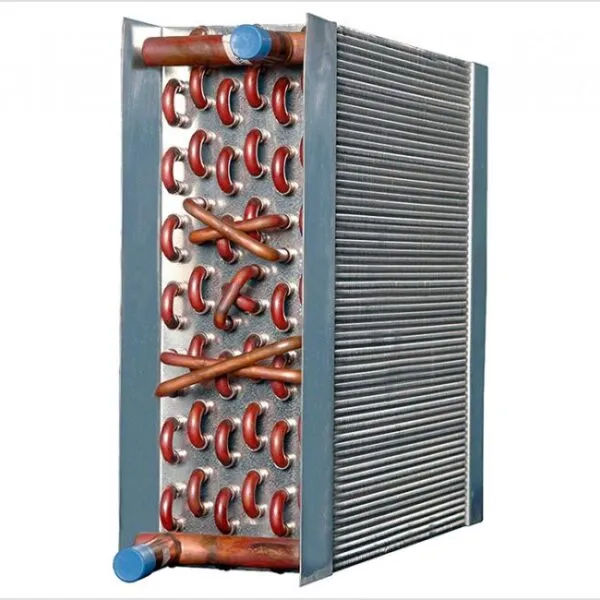
Common Condenser Coil Problems and How to Prevent Them (Ultimate HVAC Maintenance Guide)

6. Preventive Measures Checklist

  • Clean coils every 6–12 months
  • Keep bushes and debris away from unit
  • Avoid using high-pressure sprays
  • Install coil guards or mesh
  • Use anti-corrosion coating in coastal areas
  • Schedule annual professional maintenance

Follow these best practices to avoid costly repairs.
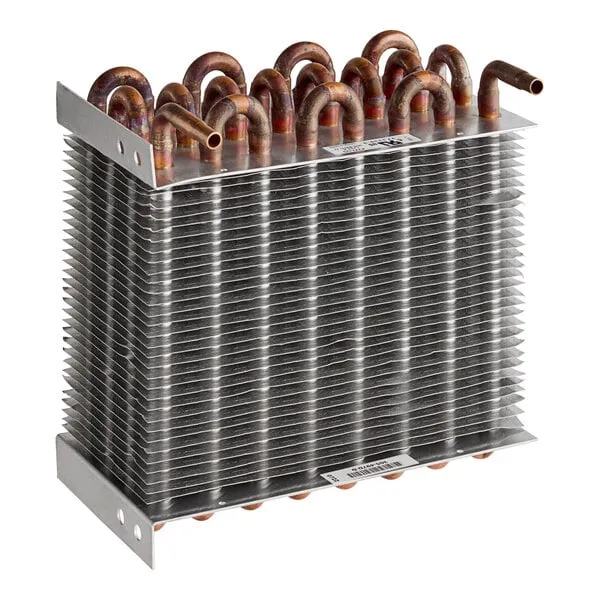
Common Condenser Coil Problems and How to Prevent Them (Ultimate HVAC Maintenance Guide)

Final Thoughts

A clean, well-functioning condenser coil is essential for cooling efficiency, cost control, and AC longevity. Whether it’s clogged with dirt, bent out of shape, or leaking refrigerant, addressing issues early saves money and extends system life.

Need support? Always consult a licensed HVAC technician.

condenser coil problems, dirty condenser coil, refrigerant leak, bent fins, AC not cooling, high energy bills, condenser coil maintenance, HVAC inspection, coil corrosion, blocked airflow, condenser coil cleaning

Wonderful! Share This Case:

Austenitic Stainless Steel

Duplex Stainless Steel

Nickel Alloys

▪ Incoloy Family

▪ Inconel Family

▪ Monel Family

▪ Hastelloy Family

▪ Other Special Alloys

Cobalt Alloys

Related Posts

How Long Do Stainless Steel Seamless Pipes Last? Lifespan, Factors, and Best Practices

How Long Do Stainless Steel

Meta Description:How durable are stainless steel seamless pipes? Learn about average service life, key factors that affect corrosion and fatigue, and how to extend performance in industrial systems. Introduction Stainless steel seamless pipes are widely known for their long service life, but just how long can they last? Under ideal conditions, seamless stainless steel pipes […]

Read More
Comparing ASTM A213, A269, and A312 – Selecting the Right Stainless Steel Tube Standard

Comparing ASTM A213, A269, and

Meta Description:Confused by ASTM A213, A269, and A312 standards? Learn the key differences in scope, testing, and application for these stainless steel tube specifications to choose the right product for your project. Introduction When sourcing stainless steel tubes, choosing the correct ASTM standard is critical for compliance, safety, and performance. Among the most commonly used […]

Read More
desalination-projects-stainless-steel-heat-exchanger-tubes

How Global Desalination Projects Are

With water scarcity on the rise, seawater desalination has become a critical infrastructure priority—especially in the Middle East, North Africa, Asia-Pacific, and parts of Latin America. These plants rely heavily on heat exchanger systems for energy-efficient freshwater production. And at the core of those systems? Stainless steel tubes that can withstand aggressive chloride-rich environments, pressure […]

Read More
india-manufacturing-export-impact-stainless-steel-supply

How India’s “Make + Export”

India has become one of the fastest-growing hubs for industrial manufacturing, with a focus on energy, infrastructure, and heavy equipment. The Indian government’s flagship initiative—Make in India—coupled with incentives for exports, is rapidly transforming the global stainless steel supply landscape. For global pipe buyers, EPC contractors, and even competing tube suppliers, this shift brings new […]

Read More
Electropolished vs Mechanically Polished Tubes: What’s Best for Hygienic Applications?

Electropolished vs Mechanically Polished Tubes:

Meta Description:Discover the key differences between electropolished (EP) and mechanically polished (MP) stainless steel tubes. Learn which surface finish is better for food, beverage, and pharmaceutical use in Latin America. Introduction In sanitary applications, cleanability is critical. Whether you’re building a milk pasteurizer in Brazil or a pharmaceutical system in Colombia, the inner surface of […]

Read More
New Growth Frontiers: Latin America’s Stainless Steel Tube Market in Energy and Industry

New Growth Frontiers: Latin America’s

Latin America (LATAM) is becoming an increasingly important region for stainless steel seamless tube suppliers—especially in the energy, mining, petrochemical, and food sectors. Countries like Brazil, Mexico, Argentina, and Chile are actively investing in infrastructure modernization, oil & gas projects, and renewable energy systems, all of which require heat exchangers, boilers, and industrial piping built […]

Read More
fraudulent steel suppliers in China

Beware of Fraudulent Companies Among

In recent months, several cases have surfaced regarding fraudulent activities among certain steel and metal material suppliers in China. One particular case highlights the risks faced by overseas buyers when dealing with unreliable companies. Case Study: Brazilian Importer Defrauded In April and May 2025, a Brazilian company reported that it had purchased approximately 125 tonnes […]

Read More
Cost vs Performance: Are Titanium Pipes Worth It in Power Plant Condensers?

Cost vs Performance: Are Titanium

1. Introduction Power plants around the world rely on efficient condenser systems to maximize energy output and minimize downtime. Material choice for condenser tubes directly impacts operating costs and plant reliability. While stainless steel and copper alloys have traditionally been used, titanium pipes (Grade 2, ASTM B338) are increasingly recognized as the most cost-effective solution […]

Read More

Request A Quote

*We respect your confidentiality and all information are protected.