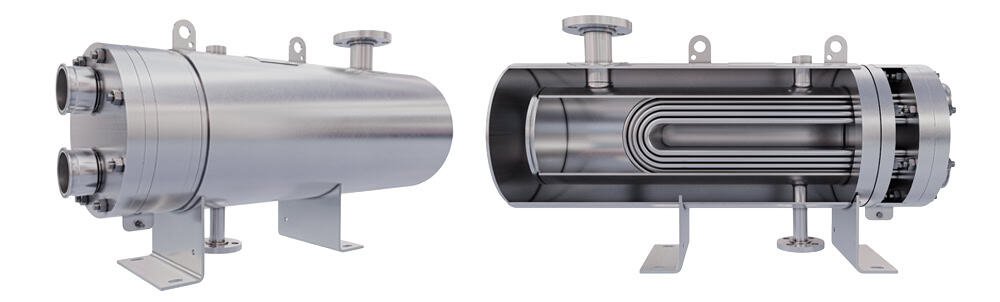
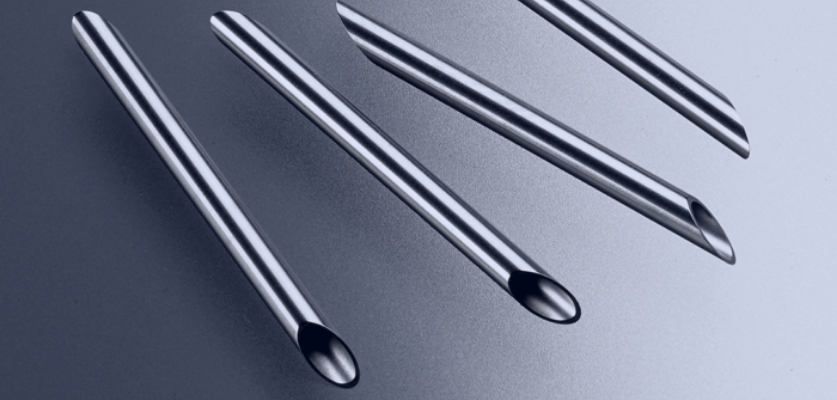
Low Finned Tubes in Duplex Steel for High-Efficiency Heat Exchangers

DLSS - Pipe&Tube - Low Finned Tubes in Duplex Steel for High-Efficiency Heat Exchangers

Introduction

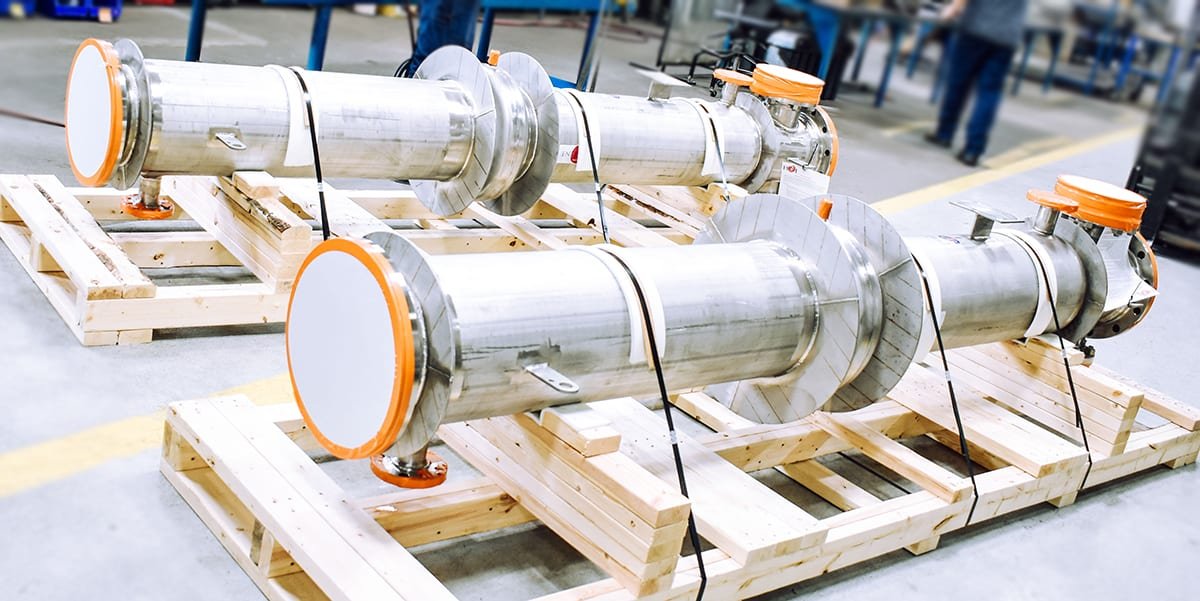
Heat exchangers play a critical role in maximizing thermal performance across industries such as geothermal energy, petrochemical, and power generation. Among the different tube designs, low finned tubes stand out as a proven solution to increase the surface area and improve heat transfer efficiency without requiring more installation space. Recently, a customer presented us with a highly technical requirement for duplex steel low finned tubes — an excellent example to illustrate how advanced materials and precision manufacturing meet the needs of demanding projects.


Typical Customer Requirement for Low Finned Tubes

The customer requested the following specification:

  • Material: ASME SA789 S32205 Duplex
  • Outside Diameter (OD): 19.05 mm
  • Minimum Wall Thickness: 1.65 mm
  • Fin Thickness: 0.33 mm
  • Fin Height: To be optimized based on operating conditions
  • Fins per Unit Length: 1023.6 fins/meter
  • Tube Length: 17,500 mm
  • Unfinned Ends: 113 mm at each side
  • Quantity: 3,500 pieces

This configuration highlights how customers are focusing on both durability and efficiency in high-pressure and high-corrosion environments.
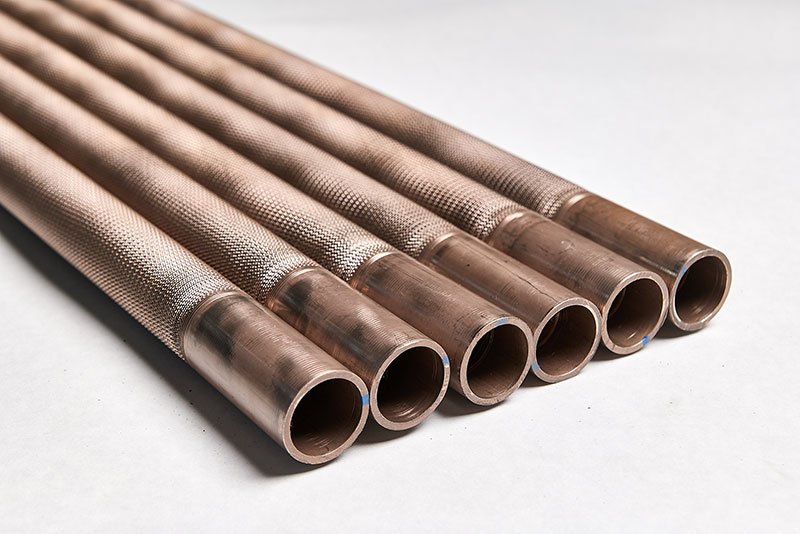
Low-Fin Tubes: Compact Heat Transfer Solutions for Refrigeration and HVAC

Why Low Finned Tubes?

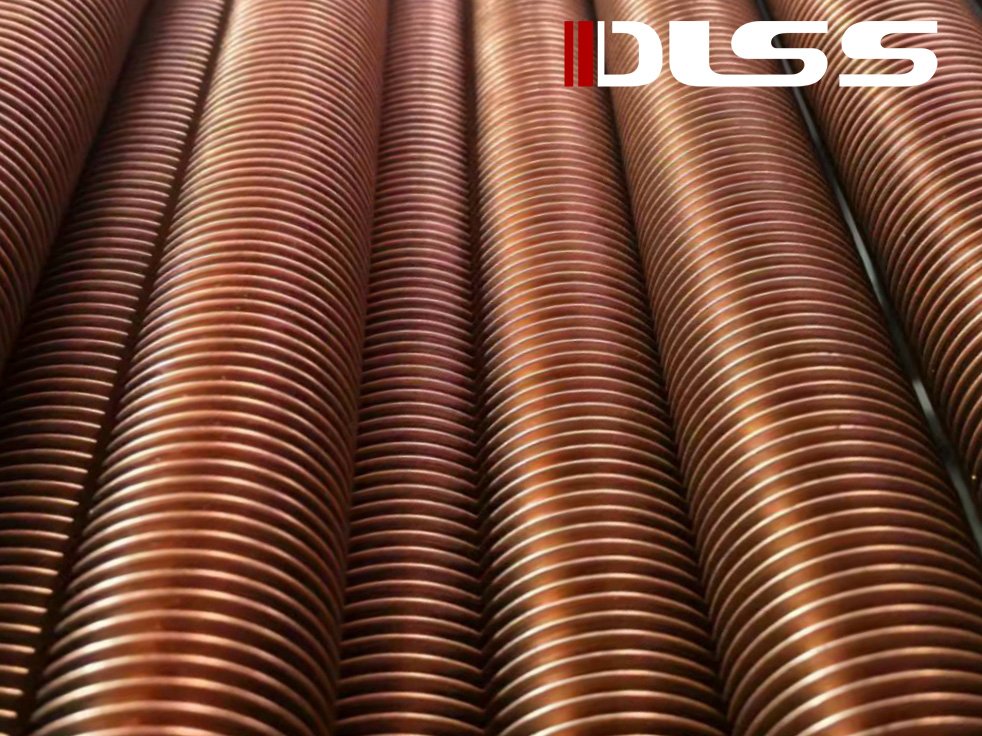
Low finned tubes are manufactured by mechanically forming fins from the base tube material, resulting in:

  • Increased Heat Transfer Area: More fins per unit length maximize efficiency without additional tube bundles.
  • Compact Design: Higher output per unit volume, reducing overall equipment footprint.
  • Durable Construction: As the fins are integral with the tube, there is no risk of detachment under thermal cycling.
  • Operational Cost Savings: Enhanced efficiency leads to reduced energy consumption and improved system performance.

For environments where heat duty is critical — such as geothermal brine cooling or condenser units — this design ensures long service life and consistent performance.


Why Choose Duplex S32205?

Duplex stainless steel S32205 was selected by the customer due to its unique properties:

  • High Resistance to Chloride Stress Corrosion Cracking
  • Excellent Pitting Resistance (PREN ≥ 35)
  • Superior Mechanical Strength compared with standard austenitic stainless steels
  • Cost-Effectiveness: Requires thinner walls while maintaining strength, optimizing weight and price per unit length

These qualities make S32205 especially suitable for aggressive environments where seawater, geothermal brine, or chemical exposure are expected.
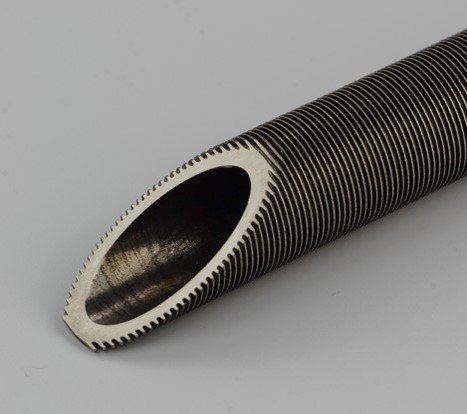
Low Finned Tubes in Duplex Steel for High-Efficiency Heat Exchangers

Technical Challenges and DLSS Solutions

Meeting this kind of requirement is not straightforward. Manufacturing thin-wall, long-length finned tubes requires precision and advanced quality control:

  • Precision Fin Forming: Ensuring consistent fin thickness (0.33 mm) and density (1023.6 fins/m).
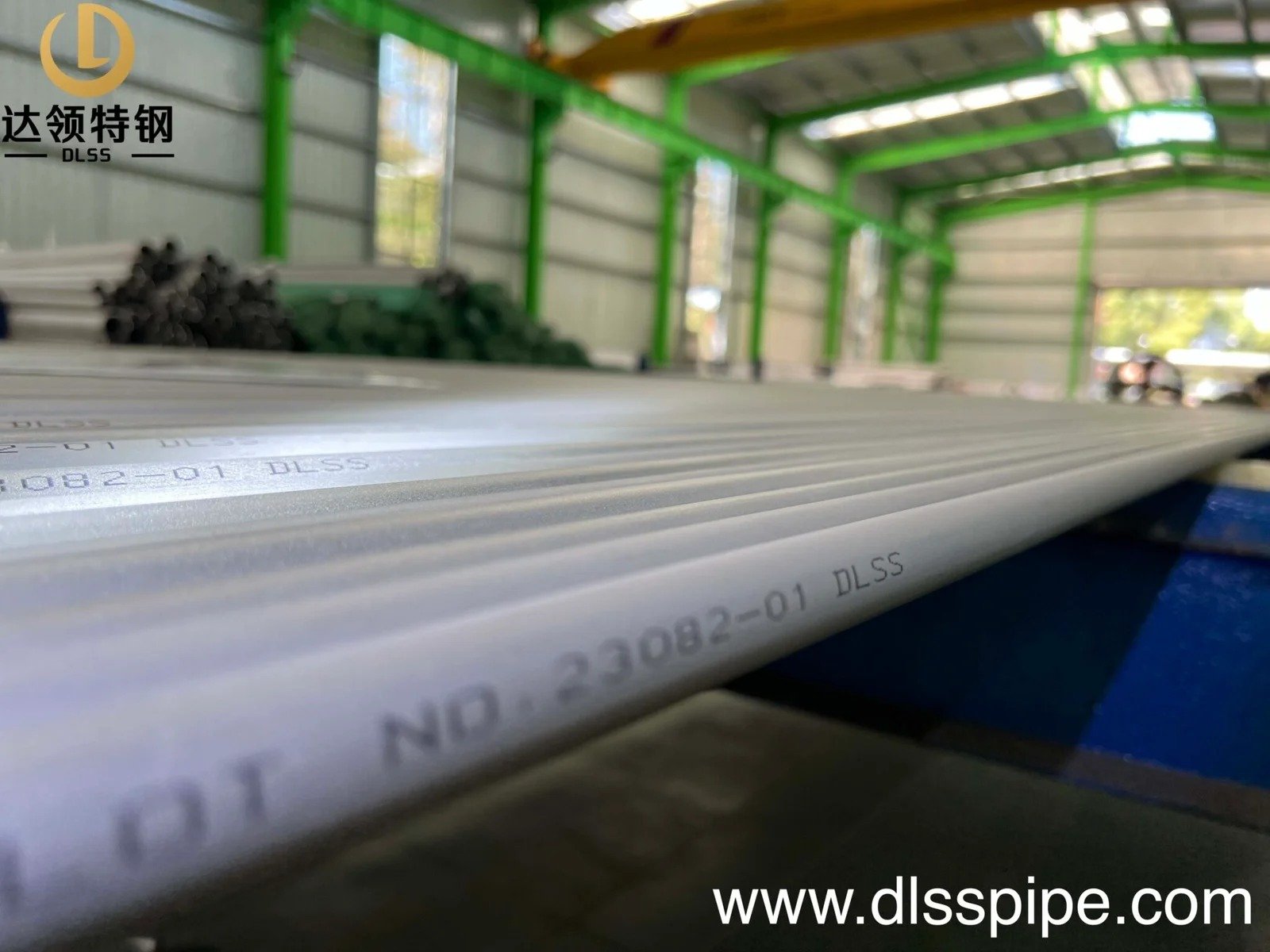
  • Length and Straightness: For tubes up to 17.5 m, DLSS applies cold drawing and straightening processes to guarantee alignment.
  • Surface Treatment: Acid pickling and passivation for corrosion resistance, optional bright annealing for enhanced cleanliness.
  • Quality Assurance:
    • EN 10204 3.1 or 3.2 certificates
    • 100% Eddy Current + Hydrostatic Testing
    • PMI (Positive Material Identification) for every heat batch
    • Full ITP (Inspection & Test Plan) documentation
  • Packaging: End caps, nitrogen purging, and seaworthy wooden cases to ensure safe transportation.

Application Insights

Low finned tubes like these are not limited to one sector. They are commonly applied in:

  • Geothermal Power Plants
  • Petrochemical Condensers and Coolers
  • Seawater Desalination Units
  • Refinery Heat Exchangers

By combining low fin geometry with duplex material performance, operators benefit from both thermal efficiency and long service life.
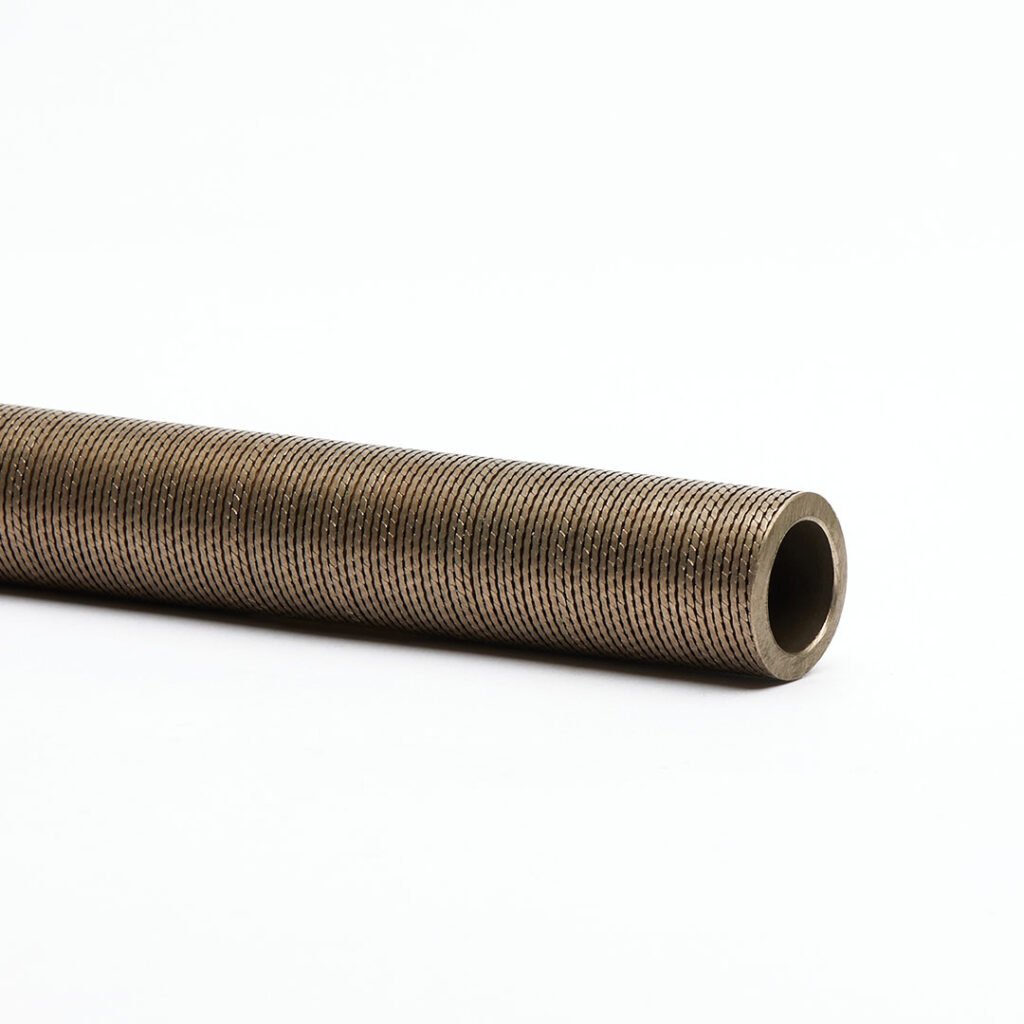
Low Finned Tubes in Duplex Steel for High-Efficiency Heat Exchangers

Conclusion – Partner with DLSS

This customer case demonstrates how specific and demanding requirements are becoming the new norm in heat exchanger design. DLSS specializes in supplying precision-engineered tubes — including low finned tubes in duplex, super duplex, titanium, CuNi, and high-alloy steels — backed by rigorous quality control and global project experience.

Contact us at info@dlsspipe.com or visit www.dlsspipeline.com to discuss your upcoming projects.

Wonderful! Share This Case:

Austenitic Stainless Steel

Duplex Stainless Steel

Nickel Alloys

▪ Incoloy Family

▪ Inconel Family

▪ Monel Family

▪ Hastelloy Family

▪ Other Special Alloys

Cobalt Alloys

Related Posts

How to Interpret EN 10204 3.1 vs 3.2 Material Test Certificates

How to Interpret

Introduction When sourcing stainless steel tubes, especially for critical applications in oil & gas, power, or chemical industries, the Material Test Certificate (MTC) is your assurance of quality, compliance, and traceability. Two of the most requested MTC types are: Understanding the difference between these certificates helps procurement teams, inspectors, and...

Read More
Stainless Steel Tubes for Hydrogen Production and Electrolysis Systems

Stainless Steel Tubes

Hydrogen production systems need reliable tubing and piping materials. In electrolysis plants, hydrogen generators, balance-of-plant systems, cooling loops, gas-water separation units, purification systems, compressors, and hydrogen skids, tubes may be exposed to high-purity water, oxygen, hydrogen, alkaline electrolyte, acidic environments, pressure, temperature changes, and strict cleanliness requirements. Stainless steel tubes...

Read More
Nickel 200 and Nickel 201 Seamless Tubes: Properties, Applications, and Selection Guide

Nickel 200 vs

Nickel 200 and Nickel 201 are commercially pure nickel grades used in seamless tubes, pipes, heat transfer equipment, chemical processing systems, caustic handling, food processing, synthetic fiber production, and electrical components. At first glance, Nickel 200 and Nickel 201 look very similar. Both offer high nickel content, good mechanical properties,...

Read More
Titanium Tubes vs Stainless Steel Tubes: Which One is Right for Your Heat Exchanger?

Titanium vs Stainless

Titanium tubes and stainless steel tubes are both used as heat exchanger tubes in many industrial systems. But they are not used for the same working conditions. Titanium is often used in seawater, high chloride, desalination, and marine systems. Stainless steel is often used in general heat exchangers, boilers, power...

Read More
Common Heat Exchanger Tube Failures and How to Prevent Them

Common Heat Exchanger

Introduction Heat exchanger tube failures can lead to: Understanding the most frequent failure mechanisms is key to designing, selecting, and maintaining reliable heat exchanger systems. In this article, we explore the five most common tube failure types—and how to avoid them. 1. Pitting Corrosion Occurs when localized corrosion breaks through...

Read More
Precision Delivered: Super Duplex Stainless Steel Tie Rods Successfully Supplied

Precision Delivered: Super

At DLSS (Zhejiang Daling Special Steel Co., Ltd.), we take pride in transforming customer requirements into high-performance stainless steel solutions. Recently, we successfully fulfilled a custom order for Super Duplex Stainless Steel (UNS S32750) Tie Rods and Hex Nuts, tailored precisely to our client’s technical drawings and application needs. Project...

Read More
global shipbuilding industry trends

Global Shipbuilding Industry

The global shipbuilding industry is changing quickly. Shipyards, shipowners, EPC contractors, and marine equipment manufacturers are no longer only asking for more capacity. They are also asking for cleaner vessels, better energy efficiency, stronger corrosion resistance, longer service life, and more reliable material documentation. For stainless steel and alloy tube...

Read More
choose hardness test stainless steel tubes

How to Choose

Introduction Hardness testing is essential for verifying the mechanical properties of stainless steel seamless tubes. With multiple methods available—Brinell (HBW), Rockwell (HRB/HRC), and Vickers (HV)—engineers and inspectors must decide which method is most appropriate for each application. This article provides practical guidelines to help you choose the right hardness testing...

Read More

Request A Quote

*We respect your confidentiality and all information are protected.