Rare Alloy Tubes: 5 Uncommon but Powerful Metals Used in High-Performance Piping

DLSS - Pipe&Tube - Rare Alloy Tubes: 5 Uncommon but Powerful Metals Used in High-Performance Piping

Meta Description:
Explore rare and exotic alloy tubes like Incoloy 825, 254 SMO, Monel 400, and more. These metals offer unmatched corrosion and temperature resistance for specialized industries.


Introduction

While 304 and 316 stainless steels dominate industrial applications, many extreme environments require specialty or rare metal alloys for superior corrosion resistance, strength, or temperature tolerance.

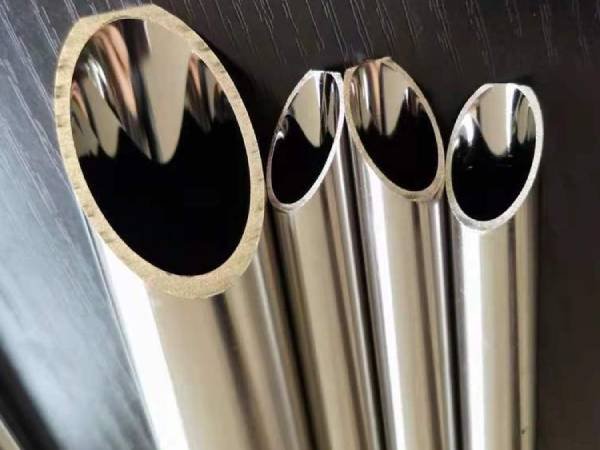
This article highlights five lesser-known yet powerful materials used to produce seamless or welded tubes, especially in demanding sectors such as chemical processing, nuclear energy, and marine systems.


1. Incoloy® 825 (UNS N08825)

  • Standard: ASTM B163 / B423
  • Type: Nickel-iron-chromium alloy
  • Typical Use: Chemical reactors, sulfuric acid pickling lines, offshore oil platforms

Incoloy 825 provides outstanding resistance to sulfuric and phosphoric acid, making it ideal for aggressive chemical environments. It also withstands chloride-induced stress corrosion cracking, common in seawater service.

Refer to Special Metals Incoloy 825 Datasheet for detailed specs.


2. 254 SMO (UNS S31254)

  • Standard: ASTM A269 / A312
  • Type: Super-austenitic stainless steel
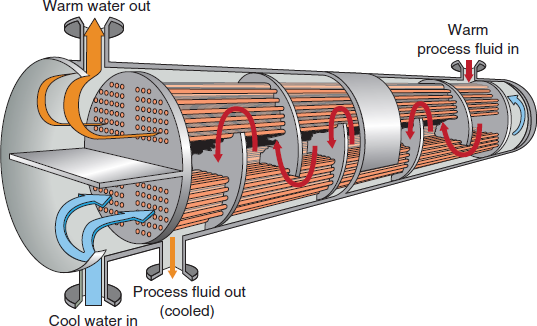
  • Typical Use: Seawater heat exchangers, pulp bleaching plants, desalination

With pitting resistance equivalent number (PREN) > 42, 254 SMO is far more corrosion-resistant than 316L, especially in high-chloride or brine environments. Its mechanical strength is also 1.5× higher than austenitic grades.

See Outokumpu’s 254 SMO brochure for more.


3. Monel® 400 (UNS N04400)

  • Standard: ASTM B165
  • Type: Nickel-copper alloy
  • Typical Use: Alkali production, marine piping, deaerating heaters

Monel 400 offers excellent resistance to caustic alkalies, saltwater, and hydrofluoric acid. Unlike stainless steel, it doesn’t suffer from chloride stress corrosion. Its ductility and impact strength remain high even at sub-zero temperatures.

Detailed technical sheet: Haynes Monel 400


4. Hastelloy® C-22 (UNS N06022)

  • Standard: ASTM B622 / B619
  • Type: Nickel-chromium-molybdenum alloy
  • Typical Use: Waste incineration, flue gas scrubbers, chemical reactors

C-22 is one of the most versatile corrosion-resistant alloys, outperforming even Hastelloy C-276 in many acidic environments. It resists oxidizing and reducing agents simultaneously.

See Haynes C-22 datasheet


5. Titanium Grade 2 (UNS R50400)

  • Standard: ASTM B338 / B861
  • Type: Commercially pure titanium
  • Typical Use: Heat exchangers in desalination, chlor-alkali plants, power plants

Titanium Grade 2 offers exceptional resistance to seawater corrosion, biofouling, and erosion. It’s ideal for applications requiring long service life without corrosion-induced failures. Despite being light, it’s incredibly strong and durable.

Find more at Titanium Industries Inc.


Why Use Rare Alloy Tubes?

These materials may cost more than standard stainless steel, but their performance in aggressive chemical, high-temperature, or offshore environments prevents costly system failures, unplanned shutdowns, or corrosion damage.

When project specs mention NACE MR0175 compliance, chloride resistance, or oxidation stability, one of these materials is often the best-fit choice.


DLSS Capabilities

DLSS provides seamless and welded tubes in:

  • Incoloy 825
  • 254 SMO
  • Monel 400
  • Hastelloy C-22
  • Titanium Gr.2
  • CuNi alloys (C70600 / C71500)
  • Super Duplex (S32750 / S32760)

Our tubes meet international standards (ASTM, EN, ASME) and can be delivered with:

  • EN 10204 3.1 / 3.2 Certificates
  • PMI, NDT, and corrosion test reports
  • Custom lengths, U-bends, surface finish options

Conclusion

In harsh environments, material selection isn’t optional—it’s critical. By exploring less common alloys like Incoloy, Monel, or 254 SMO, engineers can design systems that last longer, require less maintenance, and perform better.

Let DLSS help you source rare alloy tubes with certified quality and expert support.


Contact DLSS
Email: info@dlsspipe.com
Website: www.dlsspipeline.com

Need help choosing the right alloy tube for your project? Our technical team is ready to assist.

Wonderful! Share This Case:

Austenitic Stainless Steel

Duplex Stainless Steel

Nickel Alloys

▪ Incoloy Family

▪ Inconel Family

▪ Monel Family

▪ Hastelloy Family

▪ Other Special Alloys

Cobalt Alloys

Related Posts

A Guide to Bright Annealed Stainless Steel Tubes – Benefits, Production, Applications

A Guide to Bright Annealed

Meta Description:Discover what bright annealed stainless steel tubes are, how they’re produced, and why they are essential in hygienic and high-purity applications such as pharmaceuticals, food processing, and semiconductors. Introduction In industries where surface finish, corrosion resistance, and cleanliness are critical, Bright Annealed (BA) stainless steel tubes are the preferred solution. With a mirror-like internal […]

Read More
galvanized steel vs stainless steel

Galvanized Steel vs Stainless Steel:

1. Introduction When selecting materials for industrial piping, heat exchangers, condensers, and boiler systems, engineers often compare galvanized steel with stainless steel. Both are corrosion-resistant metals, yet their mechanisms, durability, and long-term performance differ significantly. At DLSS (Zhejiang Daling Special Steel Co., Ltd.), we manufacture and supply seamless and welded stainless steel tubes for demanding […]

Read More
ASTM A213 vs A269: What’s the Difference in Heat Exchanger Tubing?

ASTM A213 vs A269: What’s

Meta Description:Confused between ASTM A213 and A269 stainless steel tube standards? Learn the key differences in application, tolerances, testing, and suitability for heat exchangers and process systems. Introduction Two of the most frequently specified standards for stainless steel tubing are ASTM A213 and ASTM A269. Both cover austenitic stainless steel tubes like TP304L, TP316L, and […]

Read More
Understanding Pickling and Passivation in Stainless Steel Tube Production

Understanding Pickling and Passivation in

Meta Description:Learn how pickling and passivation improve corrosion resistance in stainless steel tubes. Explore DLSS’s cleaning methods, ASTM standards, and industry-specific applications. Introduction Even the highest-grade stainless steel can suffer from surface contamination during tube forming, welding, or heat treatment. To restore the full corrosion resistance of stainless steel tubes, manufacturers must apply pickling and […]

Read More
Will Stainless Steel Seamless Pipes Rust? The Truth Behind the Name

Will Stainless Steel Seamless Pipes

Meta Description:Do stainless steel seamless pipes really resist rust? Understand the science of corrosion, what causes rusting in stainless steel, and how to prevent failures in critical systems. Introduction A common question among engineers and procurement teams is: “If it’s called stainless, can it rust?” The name “stainless steel” suggests perfect rust resistance—but in reality, […]

Read More
ultrasonic testing tube inspection

5 Reasons Ultrasonic Testing Tube

Ultrasonic testing tube inspection is a critical non-destructive method used in the stainless steel tube industry to ensure product quality, safety, and compliance with international standards. Especially in industries such as heat exchangers, boilers, power plants, and oil & gas, even the smallest internal defect can lead to costly failures or system breakdowns. This article […]

Read More
How to Select the Right Stainless Steel Tubes for Heat Exchangers: A Complete Guide for Engineers

How to Select the Right

Choosing the right tubing material is crucial for designing a high-performance heat exchanger. Whether you work in oil & gas, petrochemicals, power generation, food processing, or marine applications, the stainless steel tube you select can significantly impact corrosion resistance, thermal conductivity, and lifecycle cost. In this guide, we explore how to choose the right stainless […]

Read More
ASTM Standards for Nickel and Titanium Pipes: A Complete Guide

ASTM Standards for Nickel and

1. Introduction When sourcing nickel alloy and titanium pipes for chemical plants, desalination projects, or power plants, compliance with ASTM standards is a key requirement. ASTM (American Society for Testing and Materials) specifications define the chemical composition, mechanical properties, testing, and delivery conditions for these critical materials. This article provides a complete overview of the […]

Read More

Request A Quote

*We respect your confidentiality and all information are protected.