Integrated Stainless Steel Piping Solutions for Industrial Projects

DLSS - Oil & Gas Industry - Integrated Stainless Steel Piping Solutions for Industrial Projects

Introduction

In large-scale industrial projects—such as oil refineries, power plants, food processing lines, and chemical facilities—procurement teams often face a key challenge: how to consolidate material supply while ensuring technical compliance and on-time delivery.

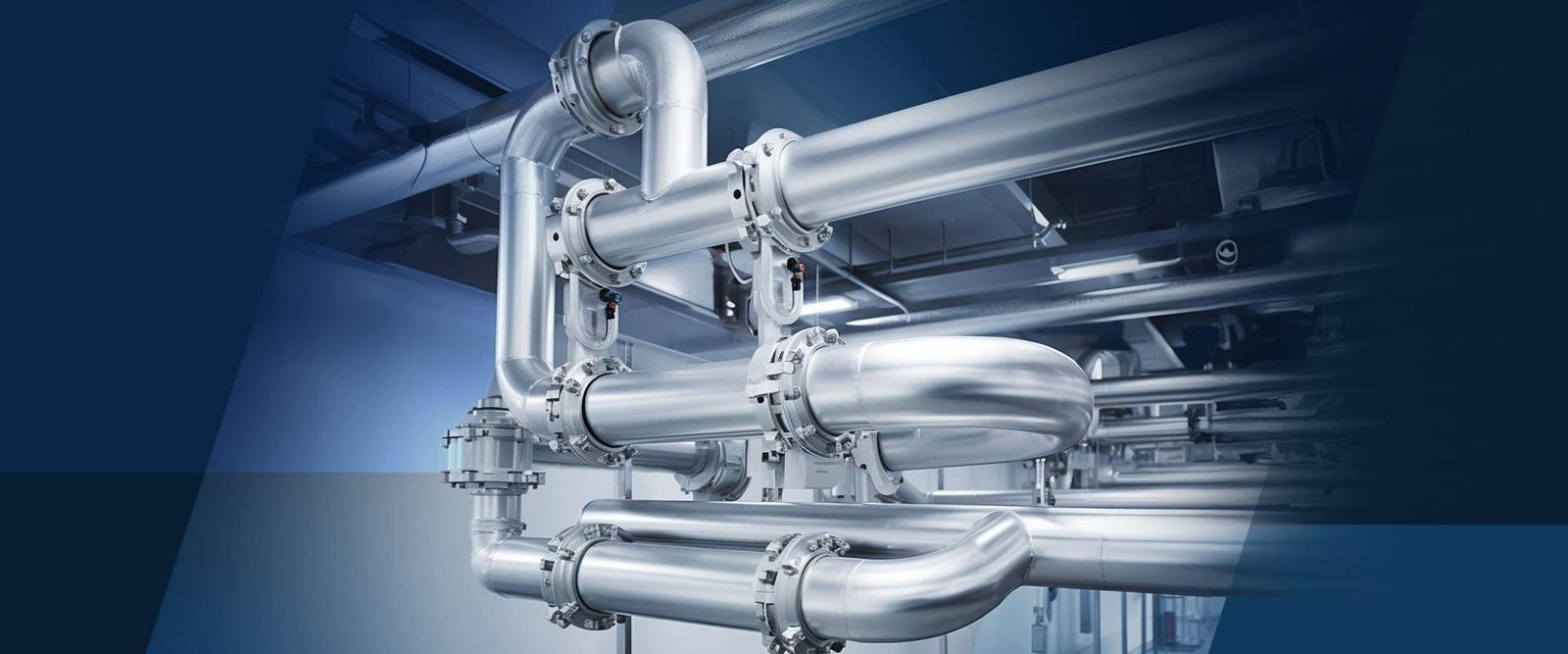
DLSS offers a complete stainless steel piping solution, including seamless pipes, fittings, flanges, and documentation services tailored to global project requirements.


Why Choose a Complete Package?

Traditional sourcing involves multiple suppliers, each with different standards, lead times, and documentation. This increases:

  • Coordination effort
  • Quality inconsistency
  • Project delay risks
  • Inspection & logistics complexity

DLSS simplifies this by providing:

  • Unified quality system (ISO 9001, PED, EN 10204 3.1/3.2)
  • Full traceability and certification
  • Single-point delivery with packaging, bundling, and marking
  • Experience in project orders across South America, Southeast Asia, and the Middle East
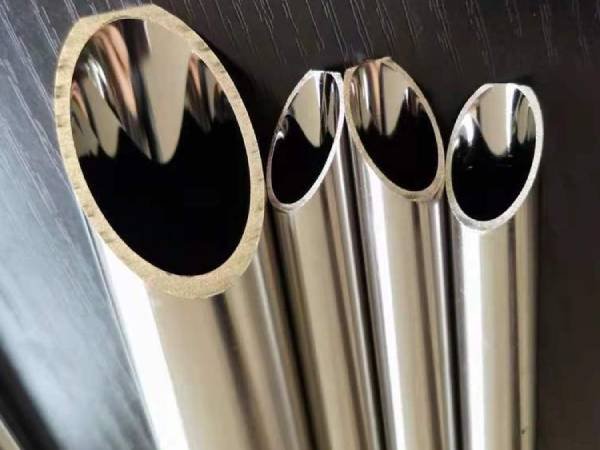
ASTM A270 vs ASME BPE: Understanding the Difference in Sanitary Tubing Standards

DLSS Product Scope

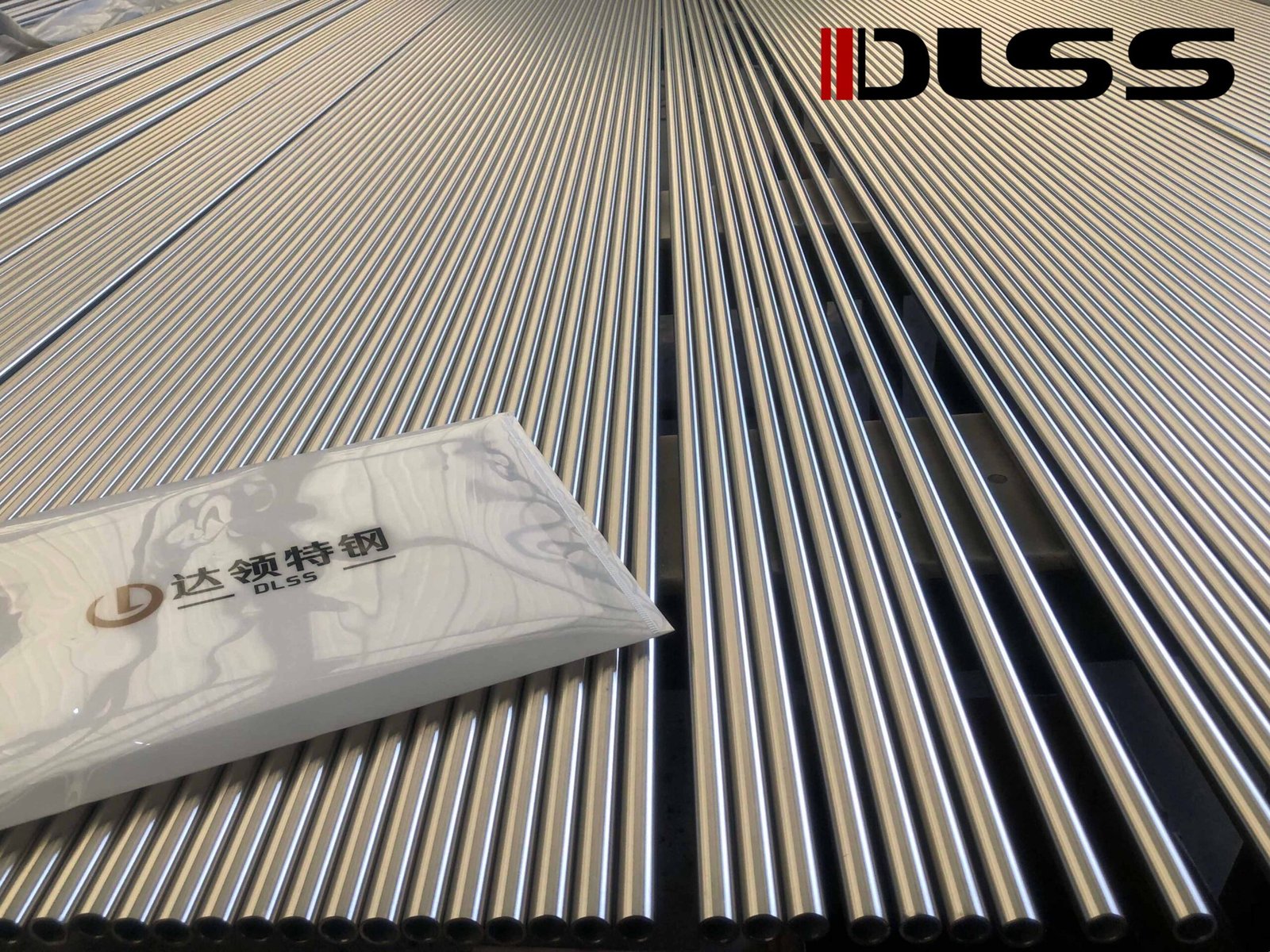
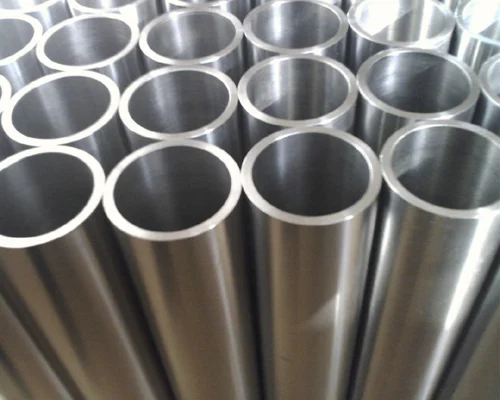
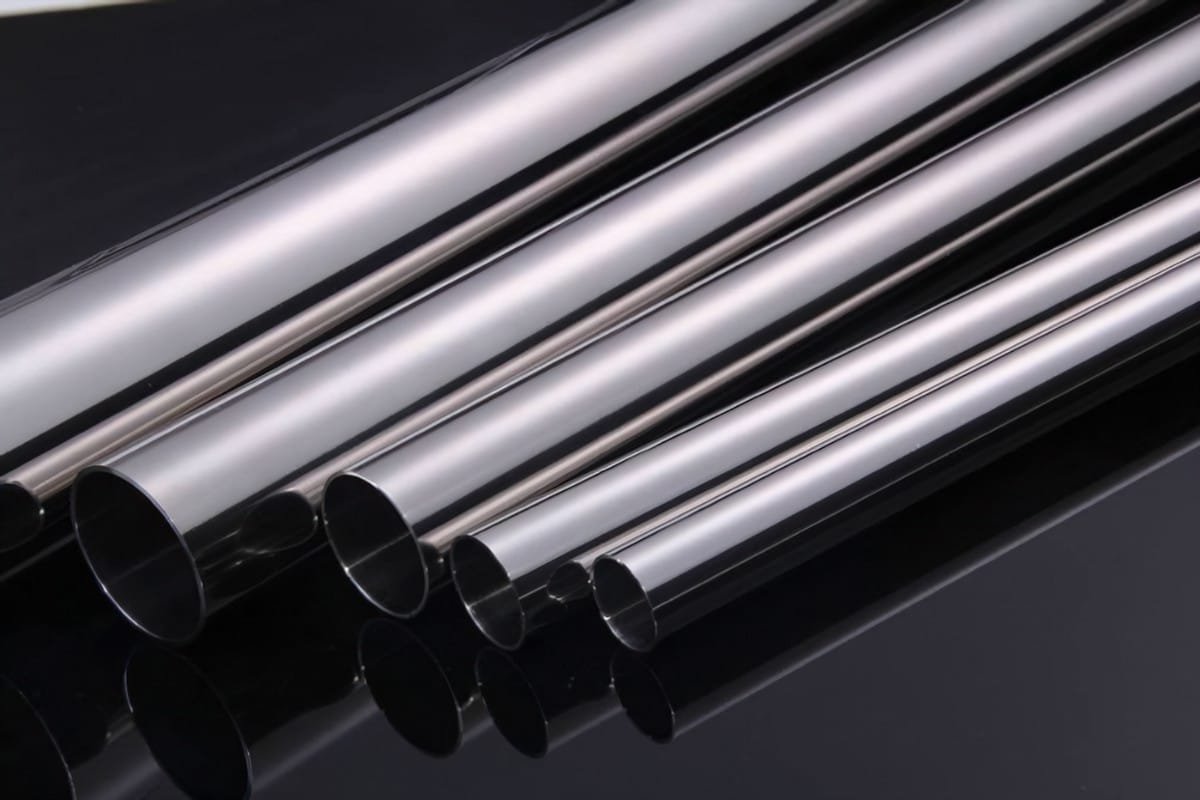
Stainless Steel Seamless Pipes

  • OD: 6 mm – 114.3 mm, WT: 0.8 mm – 8 mm
  • Standards: ASTM A312, A213, EN 10216-5
  • Grades: TP304/304L, TP316/316L, TP321, TP347H, Duplex S31803, 904L

Stainless Steel Fittings

  • Types: Elbows (90°, 45°), Tees, Reducers, Caps
  • Standards: ASME B16.9, MSS SP-43
  • Sizes: 1/2” to 24”, SCH 10–160
  • Manufacturing: Cold forming + solution annealing

Stainless Steel Flanges

  • Types: Weld Neck, Slip-On, Blind, Threaded, Lap Joint
  • Standards: ASME B16.5, EN 1092-1, DIN, JIS
  • Materials: A182 F304/316, F316L, F321, F51

Project Service Workflow

  1. Technical Confirmation: Review of specs, grades, dimensions, tolerances
  2. Third-Party Inspection: SGS, BV, TUV, or customer-nominated agencies
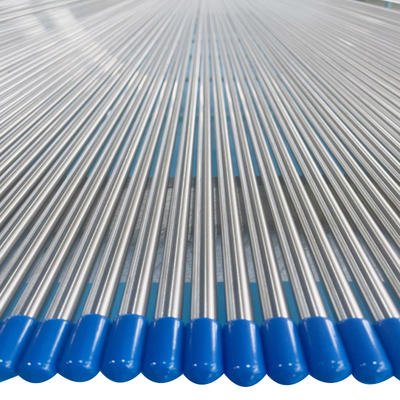
  3. Packaging: Wood cases, HDPE caps, marking with QR code traceability
  4. Documentation: Material Test Certificate (MTC), dimensional reports, welding & NDT records
  5. Shipping: CIF or FOB to ports in Brazil, Chile, Peru, Colombia, or Argentina
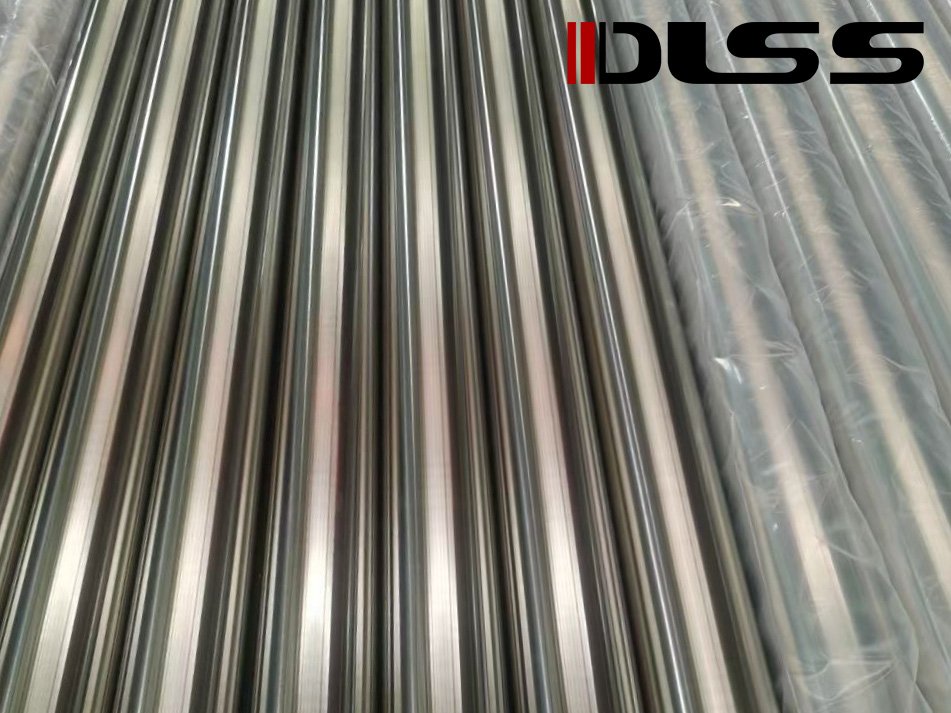
Case Study: Brazil Chemical Facility

In 2022, DLSS supplied a full stainless steel piping package to a chlor-alkali plant in São Paulo. The order included:

  • 35 tons of TP316L seamless pipes
  • 900+ ASME B16.5 flanges
  • 600 fittings (elbows, tees, reducers)
  • All items passed PMI and hydro test under SGS inspection

The client praised DLSS for shortening the procurement cycle by 20% through integrated delivery.


Frequently Asked Questions

Q: Can DLSS coordinate mixed material projects (pipes + fittings + flanges)?
Yes. We offer bundled packing and ensure matching standards across all items.

Q: Are your products suitable for NACE MR0175 or sour service?
Yes, we can provide NACE-compliant materials with full documentation.

Q: Do you support 3.2 certification for European projects?
Yes, with Lloyd’s, DNV, or customer-appointed inspection agencies.


Conclusion

For EPC projects, process system builders, and global contractors, DLSS delivers more than products—we deliver peace of mind. From stainless pipes to complete connection systems, our expertise helps you reduce risk, control cost, and deliver excellence on schedule.


Contact DLSS
Email: info@dlsspipe.com
Website: www.dlsspipeline.com

Wonderful! Share This Case:

Austenitic Stainless Steel

Duplex Stainless Steel

Nickel Alloys

▪ Incoloy Family

▪ Inconel Family

▪ Monel Family

▪ Hastelloy Family

▪ Other Special Alloys

Cobalt Alloys

Related Posts

How Stainless Steel Tubes Ensure Safety and Efficiency in South American Power Plants

How Stainless Steel

Introduction South America’s growing energy demand is driving the expansion of both conventional and renewable power plants. Whether it’s a thermoelectric station in Brazil or a biomass facility in Chile, one common requirement persists: reliable, long-lasting piping systems. Stainless steel seamless tubes are essential in these operations, especially in heat...

Read More
Heat Exchanger Troubleshooting Guide: Common Problems and How to Solve Them

Heat Exchanger Troubleshooting

Heat exchangers are critical equipment in chemical plants, refineries, power plants, marine systems, HVAC systems, food processing, pharmaceutical utilities, and heat recovery projects. When a heat exchanger does not work properly, the problem may appear as poor heat transfer, high pressure drop, leakage, vibration, frequent fouling, unstable outlet temperature, or...

Read More
Geothermal Heat Exchangers: How They Work and Why Stainless Steel Tubes Matter

Geothermal Heat Exchangers:

As global interest in renewable energy grows, geothermal systems are increasingly being adopted for heating, cooling, and even power generation. At the heart of these systems are geothermal heat exchangers, responsible for transferring thermal energy between the ground and the working fluid. This article explains how geothermal heat exchangers work,...

Read More
Understanding ASTM A213 – Seamless Tubes for Heat Exchangers and Boilers

Understanding ASTM A213

Introduction ASTM A213 is one of the most critical international standards for seamless ferritic and austenitic alloy steel tubes, especially those used in boilers, superheaters, and heat exchangers. If your project involves high-temperature or high-pressure tubing, understanding this standard is essential. This guide offers a detailed overview of ASTM A213,...

Read More
Flange Sealing Techniques: How to Ensure a Leak-Proof Pipeline Connection

Flange Sealing Techniques:

Introduction If you’ve ever walked through an oil refinery or a chemical plant, you’ve probably seen a flange connection wrapped in insulation—maybe even dripping or steaming from a tiny leak. Flange connections are everywhere in pipeline systems, but when not sealed properly, they’re one of the most common sources of...

Read More
How to Size a Shell and Tube Heat Exchanger: Key Design Parameters

How to Size

1. Introduction – Shell and Tube Heat Exchanger Sizing Proper shell and tube heat exchanger sizing ensures optimal performance, energy efficiency, and long service life. Incorrect sizing can lead to excessive pressure drops, fouling, or insufficient heat transfer. This guide outlines the key design parameters to consider when sizing a...

Read More
Weldability and Fabrication Challenges of Titanium and Nickel Alloy Tubes

Weldability and Fabrication

1. Introduction Welding and fabrication are critical stages in the production and installation of titanium tubes and nickel alloy pipes. Both materials offer superior corrosion resistance and mechanical properties, but they require specialized welding techniques, strict process control, and skilled workmanship to ensure reliability in demanding applications such as desalination...

Read More
How to Interpret a Stainless Steel Mill Test Certificate (MTC)

How to Interpret

Introduction A Mill Test Certificate (MTC), also known as a Material Test Report (MTR), is a quality assurance document provided by the manufacturer. It ensures the delivered stainless steel material—such as tubes, pipes, plates, or fittings—complies with the specified standards and purchase order. Understanding how to read an MTC is...

Read More

Request A Quote

*We respect your confidentiality and all information are protected.