ASTM A270 vs ASME BPE: Understanding the Difference in Sanitary Tubing Standards

DLSS - Pipe&Tube - ASTM A270 vs ASME BPE: Understanding the Difference in Sanitary Tubing Standards

Meta Description:
Confused between ASTM A270 and ASME BPE sanitary tube standards? Learn the key differences in tolerance, surface finish, and certification, especially for food, beverage, and pharmaceutical applications.


Introduction

When sourcing sanitary stainless steel tubes for use in food, beverage, or pharmaceutical industries in Latin America, two standards dominate global procurement:

  • ASTM A270
  • ASME BPE

At first glance, both appear to specify hygienic tubing. But choosing the correct one depends on your application, surface requirements, and regulatory environment—especially for exports to the U.S. or Europe.


What Is ASTM A270?

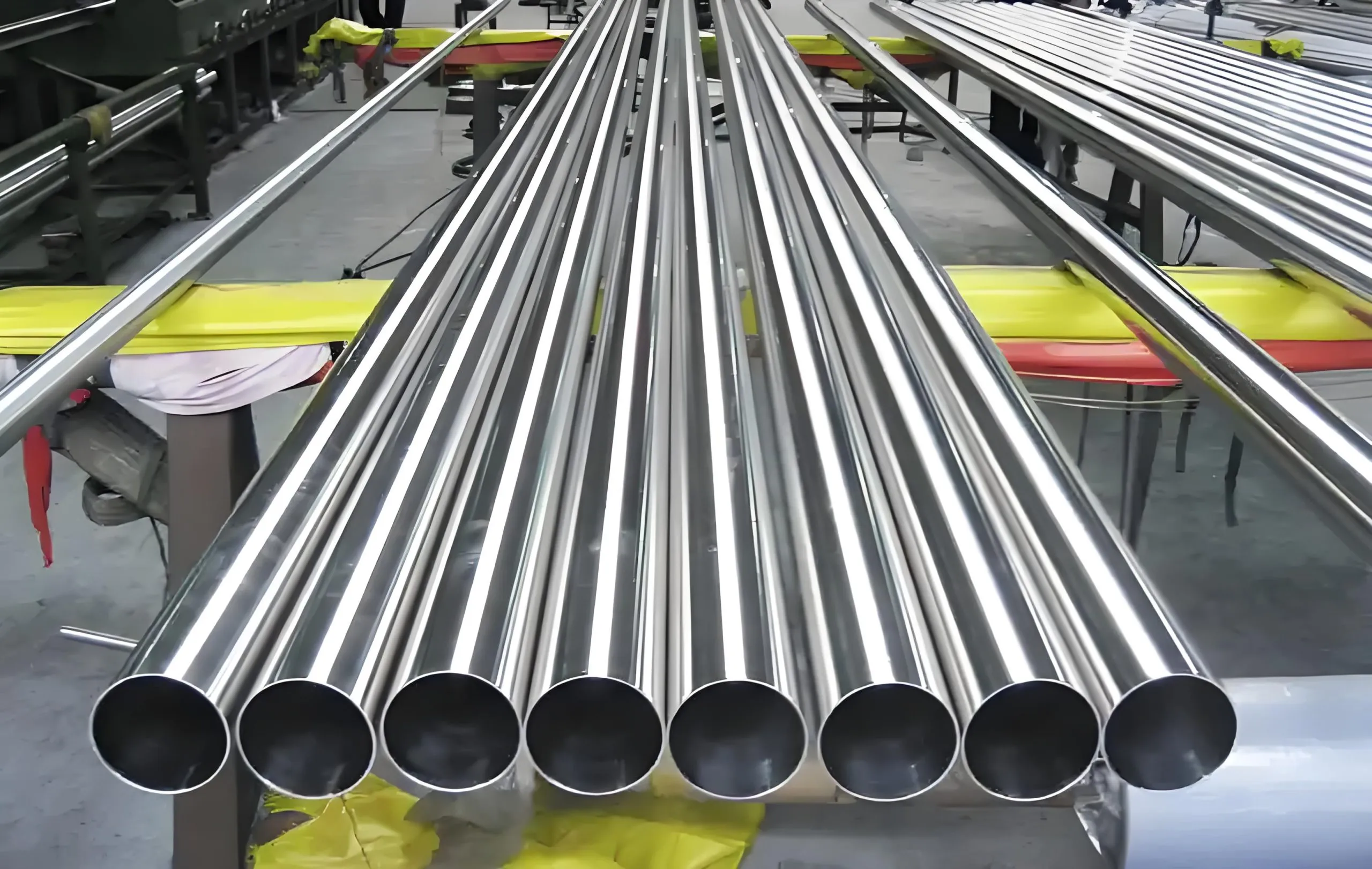
ASTM A270 is a standard issued by ASTM International for seamless and welded austenitic stainless steel tubing intended for dairy and food processing applications.

It defines:

  • Acceptable stainless steel grades (e.g., TP304, TP316L)
  • Tolerances for OD, wall thickness, and length
  • Surface finishes (mechanically polished, electropolished)
  • Tests: Eddy current, hydrostatic, PMI
  • Optional surface roughness (Ra) limits

View official standard


What Is ASME BPE?

ASME BPE (Bioprocessing Equipment) is a more stringent standard developed by the American Society of Mechanical Engineers, focusing on pharmaceutical, biotechnological, and high-purity applications.

It includes:

  • Tight manufacturing tolerances
  • Strict Ra surface finish control (ID & OD)
  • Bead removal, passivation, and electropolishing requirements
  • Documentation for validation and traceability
  • Dimensional consistency for orbital welding

ASME BPE is often required for applications involving injectables, vaccines, and high-purity water.


Key Differences: ASTM A270 vs ASME BPE

FeatureASTM A270ASME BPE
Industry FocusFood, dairy, general sanitaryBiotech, pharma, high-purity
Surface Roughness (ID)Optional Ra ≤ 0.8 µmMandatory Ra ≤ 0.51 µm (mechanical polish), ≤ 0.38 µm (EP)
Weld Bead TreatmentOptionalRequired bead removal, smoothing
Electropolishing (EP)OptionalOften required
Testing RequirementsEddy current, hydrostaticSame, plus surface mapping and docs
DocumentationOptional 3.1 MTCRequired validation and full traceability
CostModerateHigher due to precision and compliance

Which Should You Choose in Latin America?

Choose ASTM A270 if:

  • You are manufacturing food, beverage, dairy, or juice systems
  • Cost and availability are critical
  • You’re exporting under general sanitary compliance (e.g., FDA, ISO 22000)

Choose ASME BPE if:

  • You’re building biotech or pharmaceutical lines
  • You’re exporting medical devices or injectable production systems
  • Regulatory traceability and welding precision are critical

Note: Some dairy and brewing projects in Brazil and Chile now specify BPE for export-level sanitation.


DLSS Capabilities for Both Standards

FeatureASTM A270ASME BPE
GradesTP304, TP316LTP316L, 1.4404 (for EP)
Size Range12.7 mm – 114.3 mm½” – 4” (welding-compatible dimensions)
Surface FinishMP, MP+EP, Ra ≤ 0.8 µmEP, Ra ≤ 0.38 µm, 100% bead removal
DocumentationEN 10204 3.1Full BPE validation, Ra mapping, heat trace
Delivery RegionBrazil, Argentina, Colombia, ChileExport projects to EU/US pharma customers

FAQs

Q1: Can A270 tubes be used in pharma production?
For non-injectable production (like nutritional supplements), yes. But injectable or biotech-grade systems typically require ASME BPE.

Q2: Do you offer ASME BPE-certified electropolished tubes?
Yes. DLSS supplies EP tubes with full Ra test, bead removal, passivation, and documentation.

Q3: What’s the cost difference between A270 and BPE?
ASME BPE tubes may be 25–40% more expensive due to stricter tolerances and post-processing.


Conclusion

Understanding the difference between ASTM A270 and ASME BPE is essential when specifying sanitary tubing for Latin American industries. Choosing the right standard ensures regulatory compliance, long-term performance, and customer trust—especially when targeting global markets.

DLSS offers full support for both standards, helping clients in food, beverage, and pharmaceutical sectors across South America choose with confidence.


Contact DLSS
Email: info@dlsspipe.com
Website: www.dlsspipeline.com

Need a quotation or technical consultation on sanitary tube standards? Contact us today—we help you meet compliance and exceed expectations.
Wonderful! Share This Case:

Austenitic Stainless Steel

Duplex Stainless Steel

Nickel Alloys

▪ Incoloy Family

▪ Inconel Family

▪ Monel Family

▪ Hastelloy Family

▪ Other Special Alloys

Cobalt Alloys

Related Posts

ASTM A270 vs ASME BPE: Understanding the Difference in Sanitary Tubing Standards

ASTM A270 vs ASME BPE:

Meta Description:Confused between ASTM A270 and ASME BPE sanitary tube standards? Learn the key differences in tolerance, surface finish, and certification, especially for food, beverage, and pharmaceutical applications. Introduction When sourcing sanitary stainless steel tubes for use in food, beverage, or pharmaceutical industries in Latin America, two standards dominate global procurement: At first glance, both […]

Read More
How to Interpret EN 10204 3.1 vs 3.2 Material Test Certificates

How to Interpret EN 10204

Meta Description:Discover the key differences between EN 10204 3.1 and 3.2 Material Test Certificates (MTCs). Learn why MTCs matter in stainless steel tube procurement and how DLSS ensures full traceability and certification compliance. Introduction When sourcing stainless steel tubes, especially for critical applications in oil & gas, power, or chemical industries, the Material Test Certificate […]

Read More
How to Select the Right Stainless Steel Seamless Pipe for Projects in South America

Why High-Performance Grades Like 904L,

As industrial applications become more extreme—whether due to high chloride content, elevated temperatures, or corrosive media—the demand for high-alloy stainless steel seamless tubes is rising sharply. Materials such as 904L, 2205 duplex, and 2507 super duplex are seeing significant adoption across oil & gas, chemical processing, desalination, and offshore energy sectors. According to recent reports, […]

Read More
Different Types of Finned Tubes and Their Applications in Heat Exchangers

Different Types of Finned Tubes

Finned tubes come in a variety of designs, each engineered to meet specific heat transfer and operating conditions. Choosing the right type of finned tube is essential for achieving optimal heat exchanger efficiency and long-term durability. If you are new to the concept, you can first read our article What is a Finned Tube and […]

Read More
How to Choose the Right Tubular Heat Exchanger for Your Application

How to Choose the Right

Selecting the appropriate tubular heat exchanger is a critical step for ensuring optimal thermal efficiency, mechanical integrity, and long-term operational reliability. As a widely used heat transfer device in process engineering, tubular designs—especially shell-and-tube heat exchangers—are the preferred choice for a wide variety of industrial applications. This article outlines the technical and commercial criteria for […]

Read More
Stainless Steel Tubing for Food & Beverage Applications – Sanitary Requirements Explained

Stainless Steel Tubing for Food

Meta Description:Discover the sanitary tubing requirements for food and beverage processing. Learn how stainless steel tubes ensure hygiene, corrosion resistance, and compliance with global standards. Introduction In the food and beverage industry, maintaining product purity, hygiene, and corrosion resistance is non-negotiable. Stainless steel tubing plays a critical role in transporting liquids and gases—from dairy to […]

Read More
TP316L Stainless Pipes for Japan’s Chemical Processing Plants – 日本化学プラント向けTP316Lステンレス管

TP316L Stainless Pipes for Japan’s

Introduction Japan’s chemical industry demands high-performance stainless steel pipes capable of withstanding aggressive media and high temperatures. TP316L stainless pipes by DLSS meet JIS G3459 – Stainless Steel Pipes for Corrosion Resistance, ensuring durability, weldability, and excellent resistance to chloride-induced corrosion common in Japanese chemical processing plants. 1. Why TP316L for Japan’s Chemical Industry(日本化学産業でTP316Lが選ばれる理由) 2. […]

Read More
Selecting Stainless Steel Tubes for Food, Beverage & Sanitary Applications (2025 Guide)

Selecting Stainless Steel Tubes for

Why Sanitary Tubing Matters in Food and Beverage Systems In the food and beverage industry, stainless steel tubing is not just about mechanical performance—it’s about hygiene, cleanliness, and compliance. Tubes are used to transport milk, beer, juice, water, or cleaning agents in systems that demand zero contamination, excellent cleanability, and corrosion resistance. Improper material selection […]

Read More

Request A Quote

*We respect your confidentiality and all information are protected.